
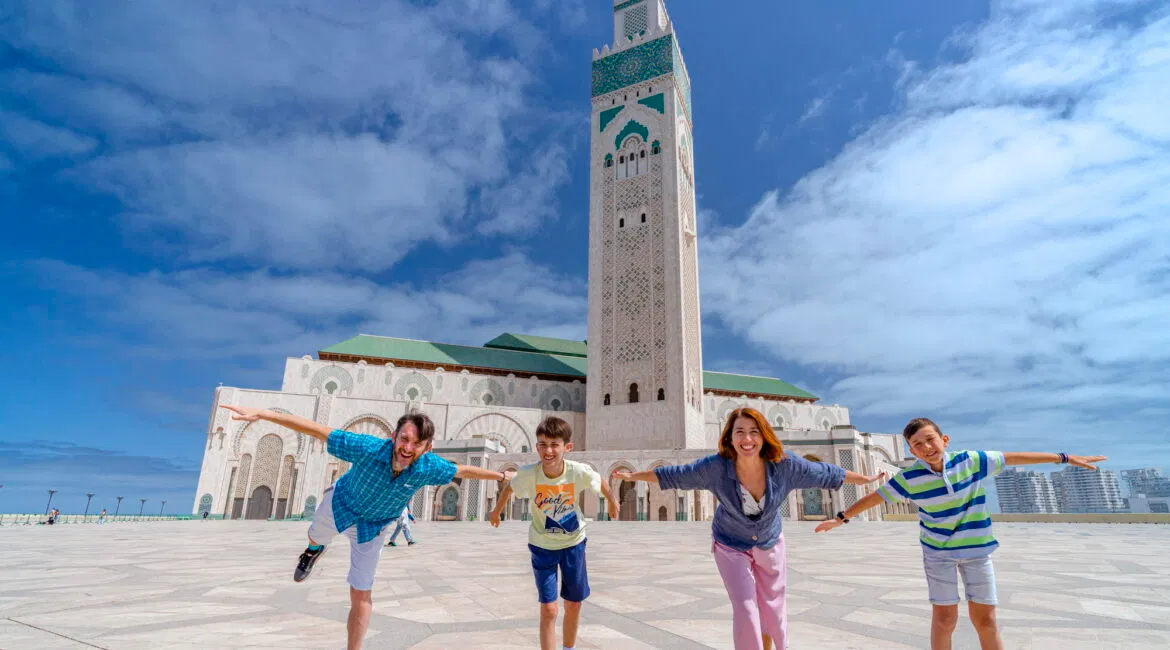
Casablanca, Morocco's bustling economic heart, is riding an unprecedented tourism wave as the country shattered records with 19.8 million visitors in 2025—a 14% surge that surpassed government targets and cemented Morocco's position as Africa's top destination. While often overshadowed by Marrakech and Fez, Casablanca has emerged as a compelling gateway where Atlantic oceanfront modernity meets authentic Moroccan culture, attracting travelers seeking both cosmopolitan energy and iconic landmarks like the Hassan II Mosque. With tourism receipts hitting MAD 124 billion ($13.5 billion) in the first eleven months of 2025, the city stands at the center of a sector that now accounts for 12.3% of Morocco's GDP, driven by strategic investments, improved air connectivity, and a diversifying offer that ranges from historic medinas to cutting‑edge port developments.
How Casablanca Became Morocco's Tourism Powerhouse
According to the African Travel and Tourism Association (ATTA), Morocco's record 19.8 million tourist arrivals in 2025 represent a 14% increase over 2024 and exceed the government's 18‑million target. The kingdom retained its status as Africa's most visited destination, ahead of Egypt's 19 million arrivals. Tourism receipts reached MAD 124 billion (about $13.5 billion) in the January‑November period, a 19% year‑on‑year rise, supported by a broader product offering, improved service quality, and stronger international air connectivity. Casablanca, as the country's largest city and main international air hub, plays a pivotal role in this success. Mohammed V International Airport serves as the primary entry point for millions of visitors, many of whom spend at least a day exploring the city's blend of Art Deco architecture, sprawling markets, and seaside attractions before venturing to other Moroccan gems.
From Recovery to Record: Morocco's Tourism Timeline
The path to 2025's milestone reflects a deliberate, multi‑year strategy. After the pandemic‑induced downturn, Morocco launched an ambitious Tourism Roadmap for 2023‑2026, focusing on infrastructure upgrades, destination diversification, and quality improvement. Key milestones include the expansion of Casablanca's airport, the launch of new Royal Air Maroc routes from Casablanca to European and African cities, and the inauguration of major port‑complex projects in September 2025 aimed at enhancing the city's maritime appeal. The consistent growth—from 16.6 million visitors between January and October 2025 (a 14% increase over the same period in 2024) to the full‑year record—demonstrates the effectiveness of these measures. Casablanca's own transformation, with renovated fishing ports, new shipyards, and improved waterfront facilities, has directly contributed to the city's growing attractiveness.
Why Travelers Are Choosing Casablanca in 2025
Casablanca offers a unique urban experience that balances Morocco's rich heritage with 21st‑century dynamism. Unlike the medieval labyrinths of Fez or the tourist‑centric souks of Marrakech, Casablanca feels like a working Moroccan city where everyday life unfolds amid grand boulevards and contemporary skyscrapers. The Hassan II Mosque, the largest in Africa and one of the few in Morocco open to non‑Muslims, remains the undisputed star, drawing visitors for its breathtaking oceanfront setting and intricate craftsmanship. Beyond the mosque, the city's Art Deco district, the Habous quarter (a “new medina” built in the 1930s), and the sprawling Corniche beachfront provide varied backdrops for exploration. Travelers also appreciate Casablanca's role as a culinary capital, where traditional tagines and pastilla share the table with innovative fusion restaurants and trendy cafes.
Navigating Casablanca: Safety, Attractions, and Practical Tips
Safety is a top concern for any traveler, and Casablanca generally scores well. According to a 2025 safety guide by Morocco Desert Trips, the city is safe for tourists, with modern hospitals, reliable public transportation, and a strong police presence in tourist zones. Petty crime like pickpocketing can occur in crowded areas, but basic precautions—keeping valuables hidden, using official taxis, and avoiding poorly lit streets at night—significantly reduce risks. Solo female travelers are advised to dress modestly to avoid unwanted attention, but the overall environment is welcoming.
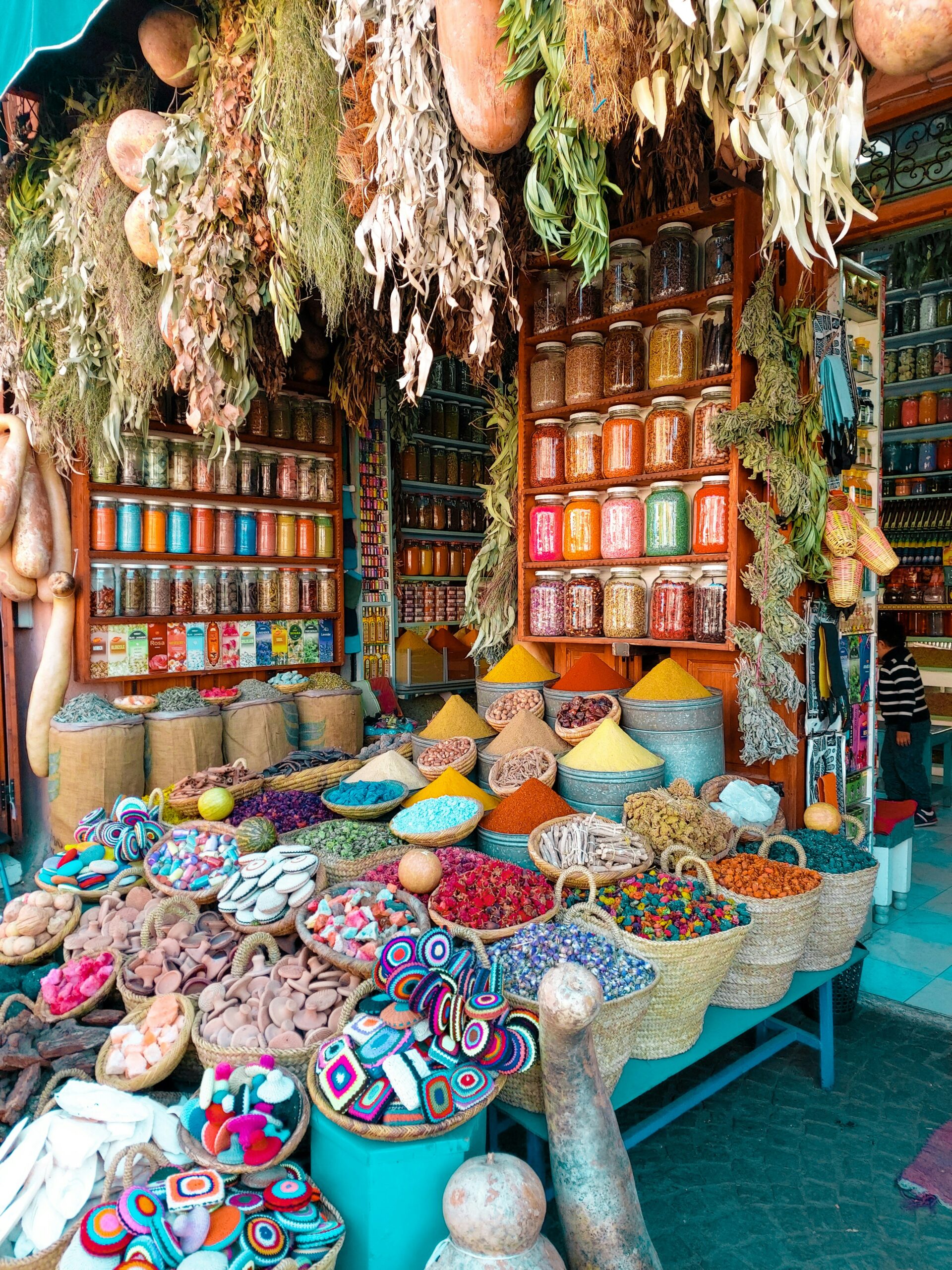
For those short on time, a well‑planned one‑day itinerary captures the essence of Casablanca. Travel blogger Johnny Ward of OneStep4Ward recommends starting with a guided tour of the Hassan II Mosque (allow 2.5–3 hours, including the mandatory tour for non‑Muslims), followed by a stroll through the adjacent Medina and a lunch of fresh seafood at the old port. The afternoon can be spent exploring the Habous quarter and the Royal Palace exterior, then winding down with a walk along the Corniche as the sun sets. Practical tips include negotiating taxi fares upfront, carrying small change for tips and market purchases, and respecting prayer times when planning mosque visits.
The Road Ahead: Casablanca's Future in Tourism
Morocco's tourism ambitions are far from satisfied. The country aims to reach 26 million visitors by 2030, a target that will be boosted by its co‑hosting of the FIFA World Cup with Spain and Portugal. Casablanca is expected to be a key venue city, driving further investment in hotels, stadiums, and transport links. Already, new projects are underway: the Casablanca port‑complex expansion, valued at around MAD 5 billion, includes a renovated fishing port, a new shipyard, and upgraded logistics facilities that will enhance both commercial and tourist flows. International hotel chains are also increasing their presence, with IHG slated to open Morocco's first Kimpton property in Marrakech in 2026—a sign of rising confidence in the high‑end segment. For travelers, this means Casablanca will continue to evolve, offering ever‑improving amenities while retaining its distinctive character.
Key Takeaways for Your Casablanca Journey
- Record‑Breaking Context: Morocco's 2025 tourism surge (19.8 million arrivals) makes Casablanca a busier and more dynamic entry point than ever.
- Safety First: The city is generally safe; exercise normal urban precautions and dress modestly to blend in.
- Must‑See Landmark: The Hassan II Mosque is non‑negotiable—book a guided tour in advance to secure your slot.
- Efficient Itinerary:** With just one day, focus on the mosque, the Medina, and the Corniche to capture Casablanca's highlights.
- Future‑Ready:** Ongoing infrastructure projects and the 2030 World Cup promise continued improvements, making Casablanca a destination to watch.
Whether you're passing through on a longer Moroccan adventure or dedicating a full stay to the city, Casablanca in 2025 offers a fascinating snapshot of a nation on the rise—where tradition and progress meet at the edge of the Atlantic.