
The recent discovery of a 5,000-year-old royal tomb in China's Henan Province has captured global attention, but behind this archaeological headline lies a more profound travel trend sweeping the nation. Across China, ancient burial sites are transforming from solemn historical monuments into vibrant tourist destinations, drawing millions of visitors who seek connection with the past through increasingly creative and personal ways.
How Young Travelers Are Reinventing Tomb Visits
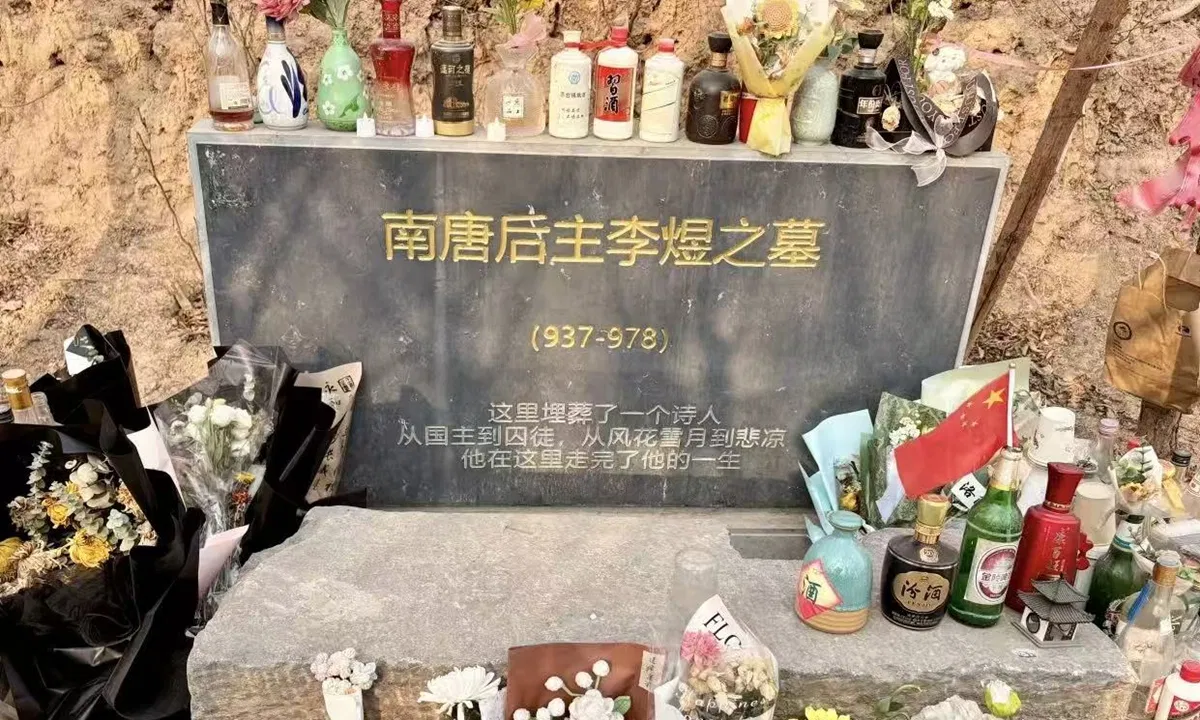
As Qingming Festival approaches, a traditional Chinese holiday honoring the deceased, young people are putting a modern spin on ancient traditions by visiting the graves of famous historical figures. From leaving ibuprofen capsules at the tomb of Cao Cao—a ruler from the Three Kingdoms period known for his chronic headaches—to offering wines and spirits at the resting place of Tang Dynasty poet Li Bai, these playful yet reverent gestures reflect a new type of historical engagement.
The trend has turned Mangshan, a hill and ancient burial ground in Luoyang, into the latest must-visit spot for history enthusiasts. Social media platforms like Xiaohongshu (RedNote) have given rise to "tomb-sweeping manuals" that provide detailed guides to locating famous tombs, complete with transportation tips and historical context. "This is my second time to visit Luoyang, and this time, I came specially for Mangshan," said 22-year-old Ruizi, showing reporters her digital guidebook.
Timeline: The Evolution of Tomb Tourism in China
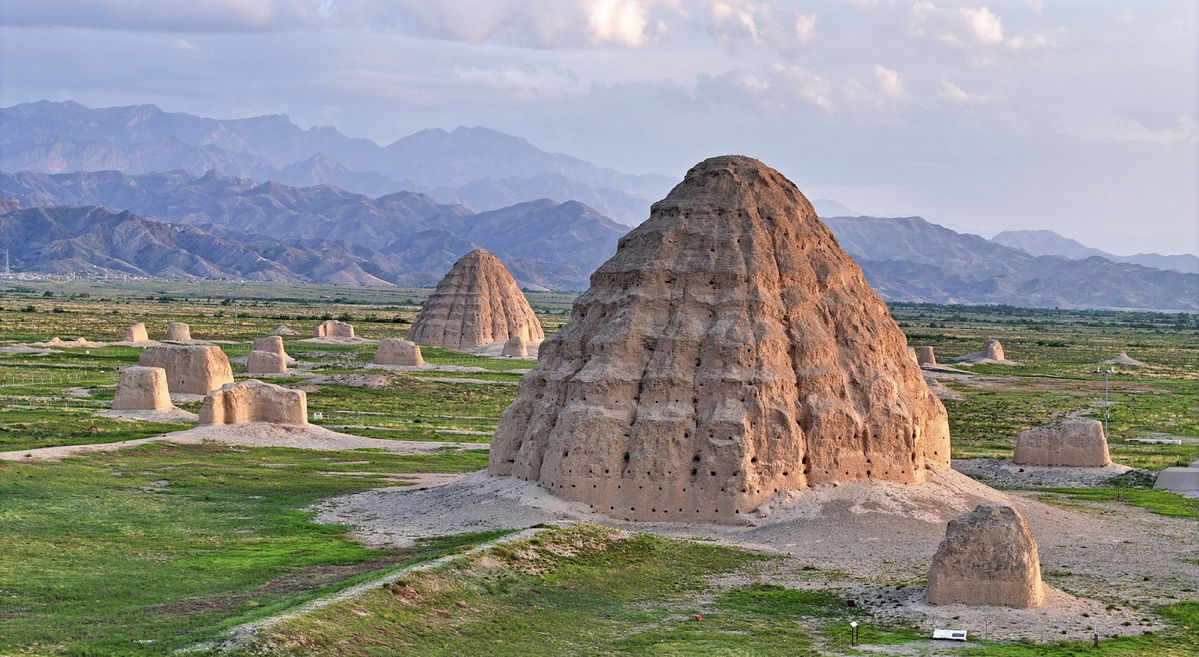
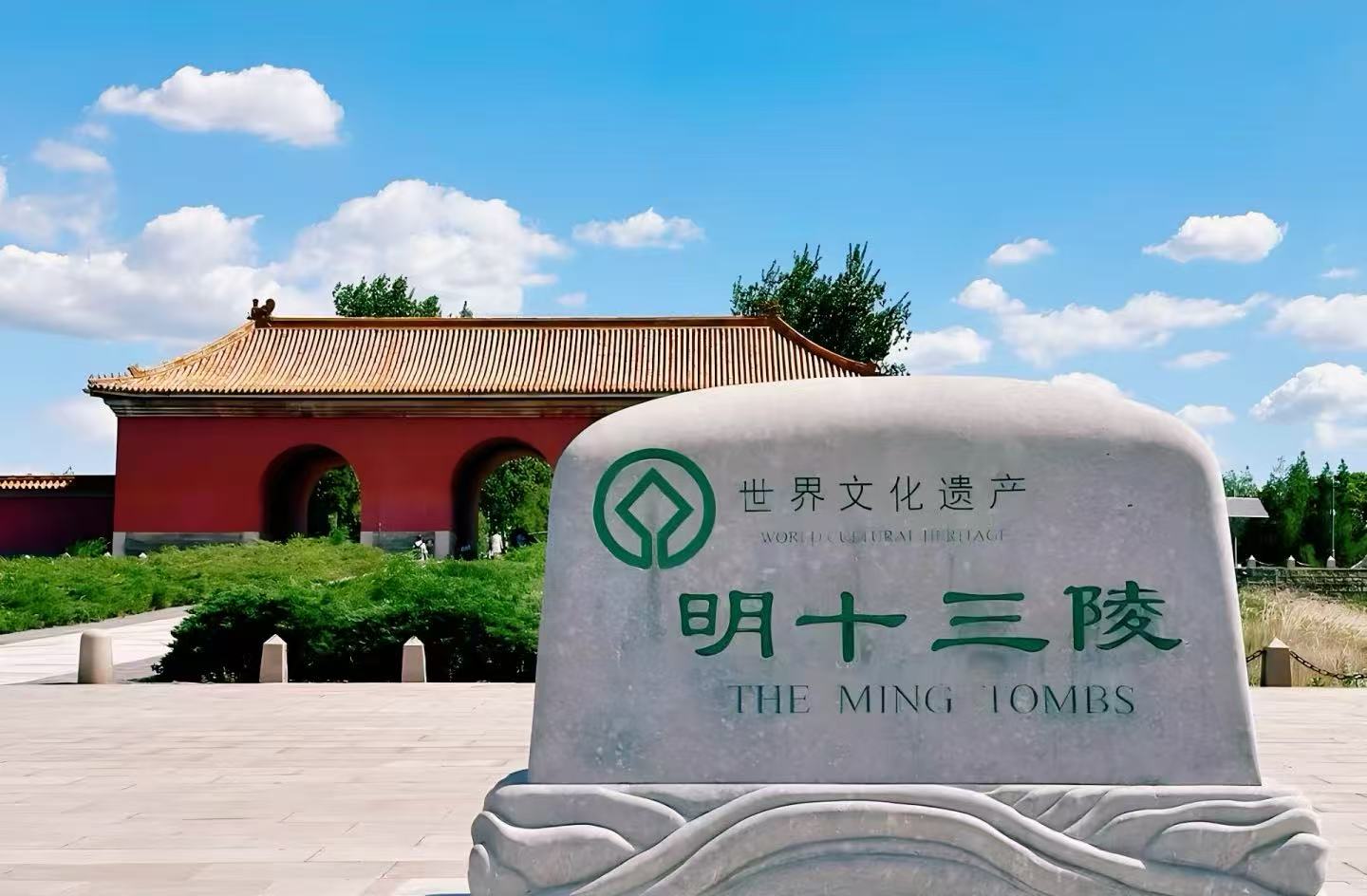
The journey from archaeological excavation to tourist destination follows a clear pattern across China's most famous burial sites. The Xixia Imperial Tombs, dormant for nearly a millennium, began excavations in 1972 and gradually developed visitor facilities before experiencing a dramatic surge in popularity following their UNESCO World Heritage inscription in 2025. Similarly, Beijing's Ming Tombs—the resting place of 13 emperors—underwent phased openings beginning in 2024, with plans to make all 13 tombs accessible by 2030.
This transformation reflects broader national trends: China has developed 65 national archaeological site parks and more than 200 themed cultural relic tourism routes, systematically linking historical sites with tourism infrastructure. The country's 7,000+ museums now receive nearly 1.5 billion visits annually, with over 91 percent offering free admission—creating an ecosystem where cultural education and tourism naturally intersect.
Why Tomb Tourism Is Exploding Across China
The surge in archaeological tourism stems from multiple factors converging simultaneously. Growing cultural pride among Chinese citizens has created unprecedented interest in historical roots, while improved transportation infrastructure has made remote sites accessible. Social media has transformed how historical information is shared, with platforms enabling user-generated content that makes ancient history feel personal and relevant.
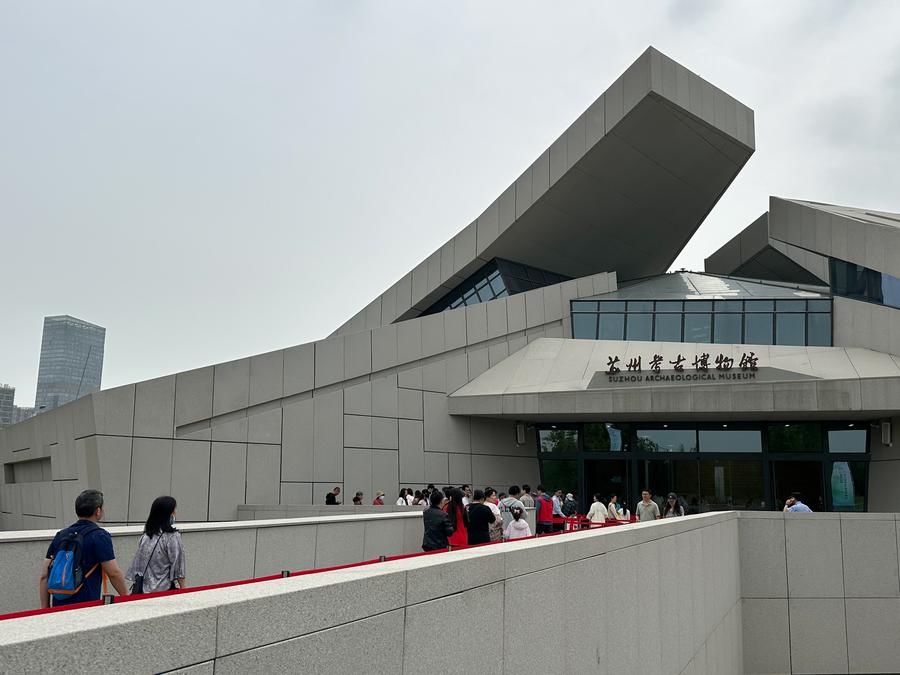
Curator Cheng Yi of the Suzhou Archaeological Museum witnessed this phenomenon firsthand when his museum opened in May 2025. "We expected 3,000 to 4,000 visitors at most on the first day," he said. "We ended up receiving 7,000 to 8,000 people—many of them ordinary citizens and tourists from outside the city." This enthusiasm reflects what Cheng calls "the revival of an ancient civilization" as economic development allows people to explore cultural heritage beyond basic survival needs.
Government policies have also played a crucial role. The Communist Party of China Central Committee's recommendations for the 15th Five-Year Plan (2026-2030) explicitly call for deeper integration of culture and tourism, using cultural resources to empower economic development. This has translated into substantial investments in site preservation, visitor facilities, and innovative presentation methods.
Where Things Stand Now: Current Tomb Tourism Statistics
The numbers tell a compelling story of rapid growth. The Xixia Imperial Tombs received approximately 1 million visitors in 2025—a 30 percent increase from the previous year—making them among Ningxia's top scenic sites for inbound tourism. "During peak seasons, guides are in short supply," said Chen Xiaoxu, marketing director of the Xixia Imperial Tombs Cultural Tourism Development Company, noting they're now recruiting multilingual volunteer guides.
At the newly discovered 5,000-year-old royal tomb in Wangzhuang, archaeologists have uncovered over 350 burial items from the Dawenkou Culture, potentially belonging to a prehistoric king. While not yet fully open to tourists, the site represents the continuous discovery of new destinations that fuel public interest. Meanwhile, established sites like the Ming Tombs are expanding access, with three tombs currently open and plans to open all thirteen within the decade.
What Happens Next: The Future of Tomb Tourism
Innovation is driving the next phase of tomb tourism development. The Xixia Imperial Tombs Museum has introduced immersive VR and XR experiences that allow visitors to explore underground chambers virtually, while digital cases enable close examination of artifacts. More than 160 graded relics have been digitally preserved, supporting the development of approximately 800 cultural and creative products.
Future plans include mounted battle performances inspired by Tangut nomadic culture, immersive costume experience centers, recreated border markets, and themed restaurants. "We also plan to link the Xixia Tombs with wineries along the eastern foothills of the Helan Mountain and other scenic sites," said Liu Qianyu, director of Yinchuan's Tourism Development Service Center.
For travelers, this means increasingly sophisticated experiences that blend education with entertainment. The traditional solemn visit is evolving into multi-sensory journeys that connect historical understanding with personal reflection—a trend particularly appealing to younger generations seeking meaningful travel experiences.
The Bottom Line: Key Takeaways for Travelers
Tomb tourism in China represents more than just visiting historical sites—it's about connecting with cultural heritage in personal ways. The trend combines archaeological discovery with modern engagement, facilitated by social media and improved infrastructure. For travelers planning to explore China's ancient tombs, several key insights emerge: research social media guides for practical tips, visit during off-peak seasons to avoid crowds, and embrace the innovative technologies that enhance understanding of these sites. Most importantly, recognize that you're participating in a living tradition where ancient history meets contemporary expression.