
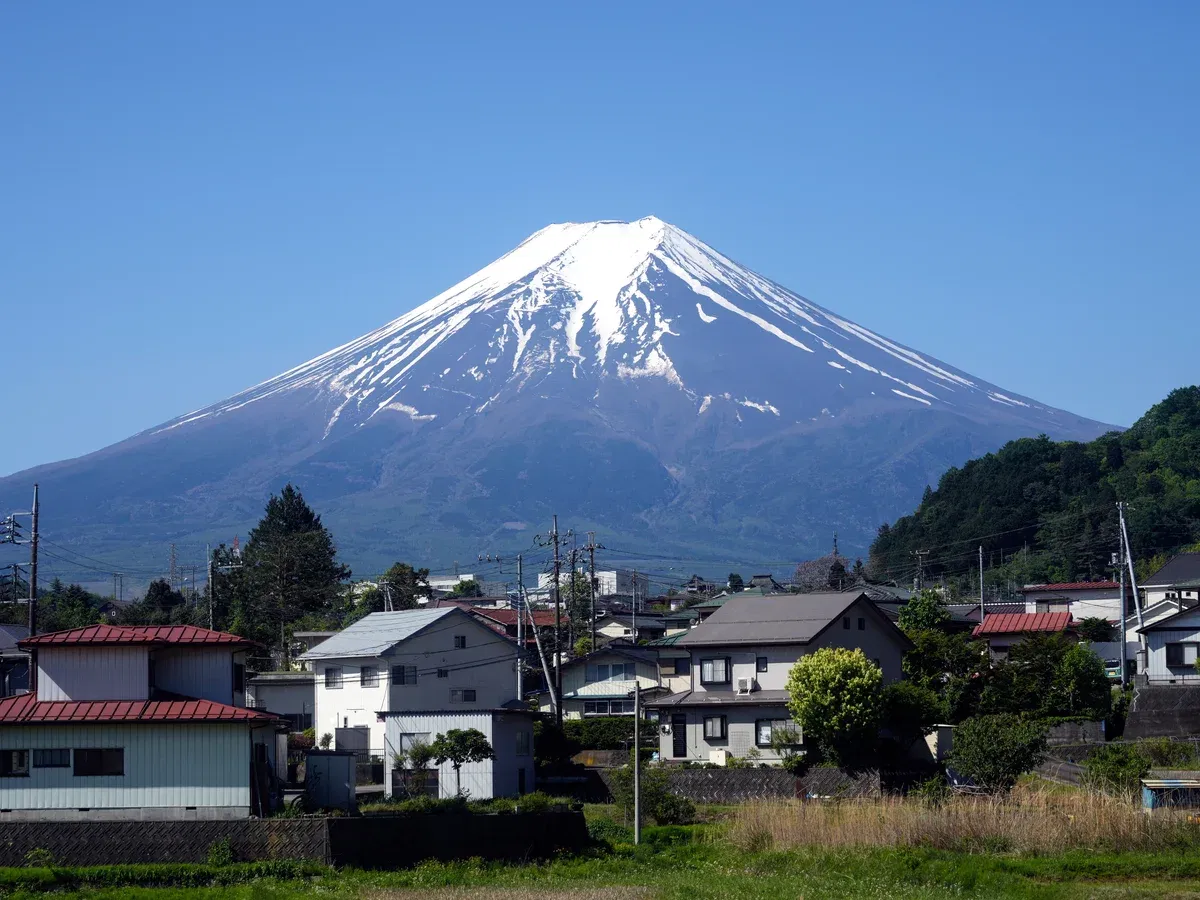
A man hiking Japan's Mount Fuji with his two sons left his seven-year-old boy alone on the side of an active volcano early Thursday morning — and kept climbing toward the summit — in an incident that has reignited a global conversation about mountain travel safety. The boy, from Nagoya, was found unharmed around 7:40 a.m. on August 20, 2026, sitting by himself on a bench more than 2,000 meters up the Fujinomiya Trail as rain began to fall and fog closed in.
The story, first reported by Japanese broadcaster TBS and picked up by outlets including the BBC and The Guardian, has drawn widespread criticism — and a blunt reprimand from police. It is also a stark reminder for the hundreds of thousands of travelers who climb Mount Fuji each season that Japan's most iconic peak, while accessible to beginners, remains a serious alpine environment where conditions can change in minutes.
What Happened: A Father Kept Climbing While His Son Waited
According to police and local media, the 48-year-old father, his seven-year-old son, and the boy's older brother — a first-year junior high school student who had already gone on ahead — set out in the early hours of August 20 to hike the Fujinomiya Trail, the shortest but one of the steepest of Mount Fuji's four official climbing routes. Sometime around the sixth of the trail's ten stations, at an altitude above 2,000 meters (6,500 feet), the younger child complained he was too tired to continue.
Rather than rest, turn around, or offer encouragement, the father handed his son some snacks and a soft drink and told him to wait — then pressed on toward the summit with his older child. The boy sat on a bench near the sixth station, alone, for hours.
A worker at a mountain hut near the sixth station spotted the unattended boy around 7:40 a.m. and invited him inside to take shelter while contacting police. Officers took the child into protective custody, identified his father, and reached him when he was near the trail's eighth station — roughly a three-hour hike from where he had left his son — directing him to come back down. The boy was eventually reunited with his father, unharmed.
"Even if it means having to give up on climbing the mountain together, leaving a child behind is unacceptable," officers told the father, according to SoraNews24 and Japan Today. The father, described as remorseful, apologized to police: "I made a rash decision, and I deeply regret it."
Timeline: How the Mount Fuji Hike Went Wrong
The sequence of events, reconstructed from police reports and the Mount Fuji Climbing official website, shows just how long the boy was expected to fend for himself:
- Around 4:30 a.m. — The family begins hiking the Fujinomiya Trail; the seven-year-old becomes tired near the sixth station and is left with snacks and a drink.
- Around 7:40 a.m. — A mountain hut worker finds the boy sitting alone on a bench as rain falls and fog gathers.
- Shortly after — Police take the child into protective custody and contact the father, who has reached near the eighth station.
- Later that morning — The boy is safely reunited with his father, who is reprimanded by officers.
By official estimates, the trek from the sixth station to the summit takes a little over five hours, and the descent back to the same point another two and a half — meaning the father was effectively counting on a seven-year-old to sit tight on the mountain for roughly eight hours on his own, according to local reports.
Why This Matters: Mount Fuji's Very Real Dangers
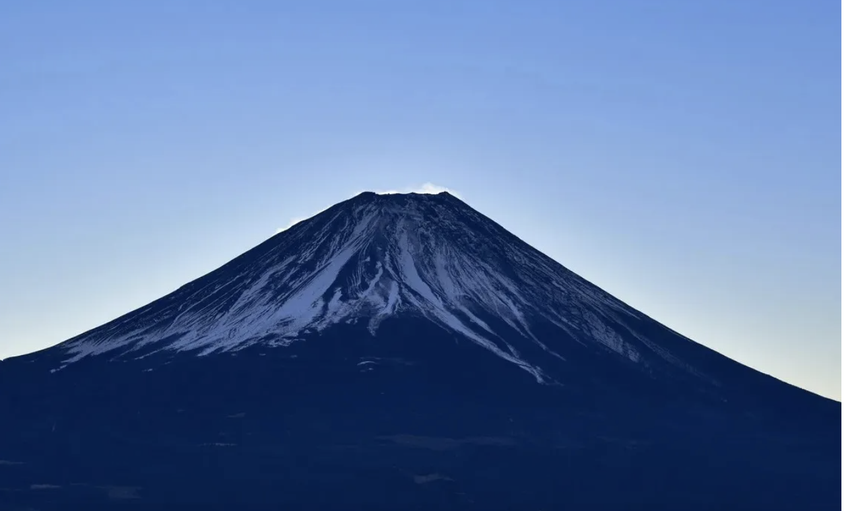
Mount Fuji, at 3,776 meters (12,389 feet), is Japan's highest peak and an active stratovolcano with its own microclimate. That means visibility, footing, and temperature can shift within minutes — and hypothermia poses a serious risk even in summer. When the hut worker found the boy, rain was already falling and fog was gathering, underscoring just how quickly conditions can turn.
The mountain draws hundreds of thousands of climbers during the short official season that runs from early July to early September, peaking in August. Because the trails are well-maintained and thousands of first-timers reach the summit each year, it is easy to underestimate the climb — which is exactly why authorities urge hikers to stay together and never leave a member of the group behind. Police have since reminded travelers to consider the abilities and stamina of everyone in their group and to adjust the pace accordingly.
The incident is only the latest safety headline from the 2026 climbing season. Earlier in the summer, a foreign hiker died after losing consciousness on the mountain — the season's second fatality — while another hiker had to be rescued twice in two days, and a 99-year-old woman was rescued mid-attempt. Those cases underscore that Mount Fuji is not a casual stroll.
Where Things Stand Now: A Reprimand and a Police Warning
As of the latest reports, the boy is safe and was not injured. The father has been reprimanded by police but has not been charged, and he has publicly expressed remorse. Authorities used the episode to issue a broader reminder about group hiking safety, emphasizing that no summit is worth leaving someone behind.
For international travelers, the takeaway is straightforward: Mount Fuji deserves the same preparation and caution as any serious mountain. That means knowing your route, watching the weather forecast, and — above all — staying together as a group.
Planning a Mount Fuji Climb? What to Know Before You Go
If Mount Fuji is on your travel list, the 2026 climbing season brings several changes worth planning around. All four official trails — Yoshida, Subashiri, Gotemba, and Fujinomiya — now require a ¥4,000 climbing permit, and advance reservations are mandatory. The popular Yoshida Trail caps entries at 4,000 climbers per day, while the three Shizuoka-side trails, including Fujinomiya, require a short safety briefing before you start. Gates on several routes close from 2 p.m. to 3 a.m. unless you hold a mountain hut booking.
Travelers climbing with children should be especially realistic about pacing, rest breaks, and altitude. Seasoned family hikers recommend choosing a less ambitious route, starting early, and being prepared to turn around — advice that applies to every member of the group, not just the youngest.
The Bottom Line: Key Takeaways for Mount Fuji Travelers
- A father left his seven-year-old son alone on Mount Fuji's Fujinomiya Trail to continue his climb; the boy was found unharmed and taken into protective custody.
- Police called the decision "unacceptable" and urged hikers to match their pace to the slowest member of the group.
- Mount Fuji is an active volcano with its own microclimate — the boy was found as rain and fog were moving in.
- All climbers in 2026 need a ¥4,000 permit and an advance reservation; the Yoshida Trail caps entries at 4,000 per day.
- Never leave a member of your hiking party behind, no matter how close the summit feels.