
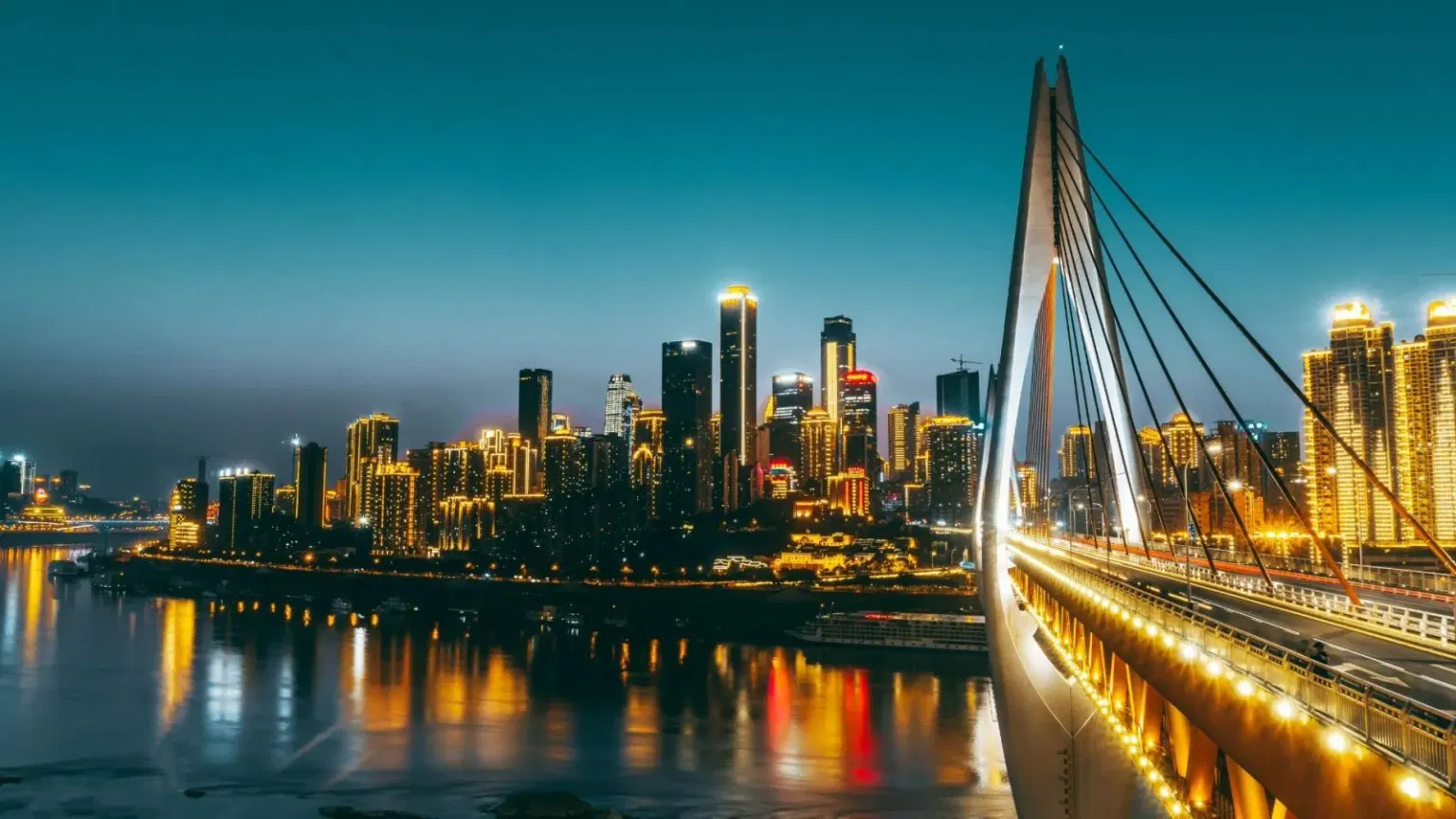
Nestled at the confluence of the Yangtze and Jialing Rivers, Chongqing has transformed from an industrial powerhouse into China's most viral travel destination, welcoming 1.27 million inbound tourists in 2024 alone – a staggering 183.6% increase from the previous year. What began as short video clips of monorails slicing through residential buildings has exploded into a full-blown tourism phenomenon, with Southeast Asian visitors flocking to experience what social media has dubbed "China's real-life cyberpunk city." This mountain metropolis, with its layered architecture, spicy culinary reputation, and transportation system that doubles as entertainment, represents a new era of experiential travel where the journey through the city is as compelling as the destinations themselves.
How Social Media Created China's Hottest Travel Destination
The transformation of Chongqing from industrial center to Instagram darling didn't happen by accident. According to tourism officials, the city carefully analyzed the travel preferences of younger, social-media-driven visitors from Southeast Asia and tailored its promotions accordingly. "Taking Southeast Asia as an example, Chongqing noted the younger, social-media-driven travel preferences of visitors from the region and crafted campaigns around our most photogenic features," explained a tourism department representative. The result has been nothing short of astonishing: Malaysian and Indonesian tourist numbers have soared by 1000% in some segments, while overall inbound tourism has nearly tripled in just one year.
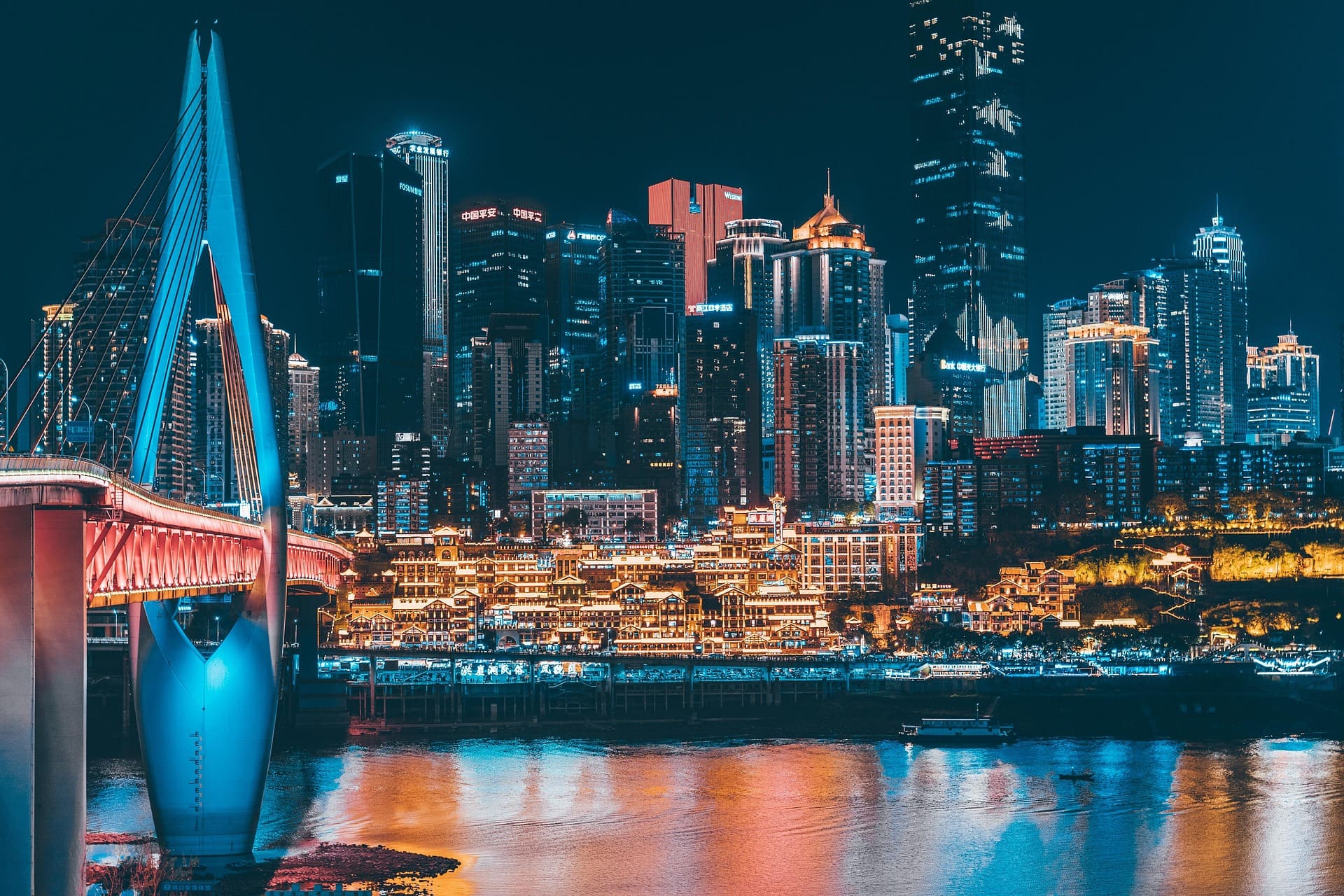
What makes Chongqing uniquely suited for the social media age is its inherent visual drama. Unlike flat cities where architecture exists on a single plane, Chongqing's mountainous terrain has forced builders to create in three dimensions. Residential towers perch on cliff edges, roads spiral around skyscrapers, and the now-famous Liziba monorail station runs directly through the 6th to 8th floors of a 19-story apartment building. These aren't specially constructed tourist attractions but functional elements of urban life that happen to look like something from a science fiction film. "A new trend is driving Southeast Asian tourists to China's Chongqing city — viral social media clips of monorails running through residential buildings," reported CNBC, noting that travel booking platforms have seen nearly 12-fold surges in demand for Chongqing compared to other Chinese cities.
From Industrial Hub to International Tourism Powerhouse: The Timeline
Chongqing's journey to tourism stardom follows a remarkable timeline that reveals strategic planning rather than accidental viral success. The city's transformation began in earnest in 2023 when tourism officials recognized the potential of their unique urban landscape. By early 2024, targeted social media campaigns featuring Chongqing's most photogenic locations began appearing on platforms popular in Southeast Asia. The results were immediate: first-quarter 2024 saw approximately 30,000 foreign entries through Jiangbei International Airport – six times more than the same period in 2023.
The momentum continued through 2024 with the city welcoming 1.27 million inbound tourists by year's end, earning it a place among China's top ten tourist destinations. During the 2025 Spring Festival period alone, tourist numbers shattered expectations, prompting the city to accelerate infrastructure development to handle the influx. By mid-2025, international influencers were being invited to participate in themed promotional campaigns, while tourism authorities worked with travel platforms to create specialized Chongqing itineraries highlighting the city's unique features. The latest figures show nearly 2.5 million inbound and outbound travelers in 2025, representing a 30% increase from the previous year's already record-breaking numbers.
Why Chongqing's Tourism Boom Matters Beyond the Numbers
The significance of Chongqing's tourism explosion extends far beyond economic metrics, representing a shift in how destinations market themselves in the digital age. Unlike traditional tourism campaigns that focus on historical sites or natural wonders, Chongqing's success stems from showcasing everyday urban life as extraordinary. "The city's claim to fame is not its size or rapid industrial development but its mind-blowing design and structure," observes Travel and Leisure Asia, noting that ordinary city squares on top of skyscrapers and mini-towns at great heights have captured global imagination.
This approach has created a virtuous cycle: visitors come expecting futuristic cityscapes, but discover a destination with deep historical roots. The Dazu Rock Carvings, a UNESCO World Heritage Site featuring over 50,000 statues carved between the 9th and 13th centuries, represents one of the finest examples of Chinese cave temple art. The Three Gorges Museum preserves artifacts and tells the story of the Yangtze River Valley's cultural significance. Ancient towns like Ciqikou, first built during the Northern Song Dynasty (960-1127), offer traditional teahouses, porcelain shops, and Sichuan opera performances. The combination creates what tourism experts call "time-travel tourism" – the ability to experience ancient history and futuristic innovation within the same city.
Where Chongqing's Tourism Stands Today: Infrastructure and Experiences
Current visitors to Chongqing encounter a city that has rapidly adapted to its new status as a tourism hotspot while maintaining the authentic experiences that made it popular. Transportation infrastructure now serves dual purposes: the Chongqing Light Rail Transit functions both as a metro system and a tourist attraction, with special viewing platforms at stations like Liziba where trains pass through buildings. The Yangtze River Cableway, once primarily a commuter route, now offers dedicated tourist cabins with panoramic views of the city's dramatic skyline.
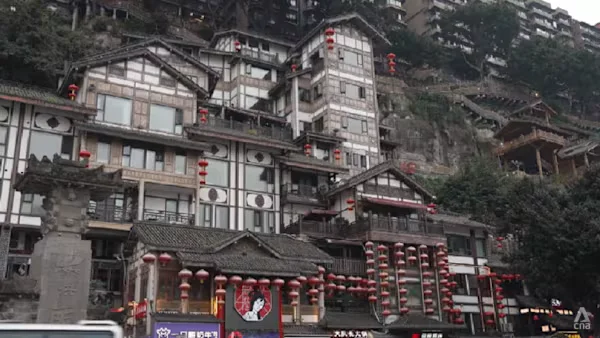
Food tourism has evolved alongside architectural appreciation. Bayi Food Street in the Jiefangbei business district operates from 5 PM to 2 AM, offering what many consider China's most authentic hot pot experience alongside regional specialties like Chongqing noodles, grilled fish, and spicy wontons in chili oil. What began as local dining has transformed into culinary tourism, with food tours specifically designed to introduce visitors to Sichuan cuisine's complex flavors. Meanwhile, Hongya Cave – a traditional stilt building complex that lights up spectacularly at night – has been redeveloped to include hotels, shops, and cultural performances while preserving its historical exterior.
The Future of Travel in China's Mountain City: What Comes Next
As Chongqing looks beyond its initial viral success, tourism authorities face the challenge of sustainable growth while preserving the city's unique character. Current developments focus on expanding tourist capacity without compromising the authentic experiences visitors seek. New viewing platforms for popular sites like the monorail-through-building phenomenon are being constructed to manage crowds, while digital ticketing systems help distribute visitors throughout the day. Environmental considerations are increasingly important, with efforts underway to ensure that increased tourism doesn't degrade the natural beauty of the Yangtze River Valley.
The next phase of Chongqing's tourism evolution will likely involve deeper cultural exchanges and specialized travel segments. Already emerging are photography tours focused on the city's unique angles and lighting conditions, architecture walks explaining how the city's terrain influenced its development, and culinary workshops teaching the art of Sichuan cuisine. There's also growing interest in connecting Chongqing's urban experiences with the natural wonders of the surrounding Three Gorges region, creating multi-destination itineraries that offer both futuristic cityscapes and breathtaking natural scenery. As one tourism analyst noted, "Chongqing has demonstrated that in the age of social media, a city's functional infrastructure can become its greatest attraction when viewed through the right lens."
Essential Takeaways for Travelers Planning a Chongqing Visit
For those inspired to experience China's cyberpunk city firsthand, several key insights will enhance any visit. Spring (March to May) and autumn (September to November) offer the most comfortable weather, though Chongqing's nickname "Fog City" (with over 100 foggy days annually) adds atmospheric beauty year-round. The Chongqing Rail Transit provides not just transportation but a unique sightseeing experience – purchase a day pass for unlimited rides. Must-visit sites include the Dazu Rock Carvings (allow at least half a day), Hongya Cave (best visited at night), and the Three Gorges Museum (free admission). For the iconic monorail-through-building photo, Liziba Station on Line 2 offers dedicated viewing platforms. Culinary adventurers should head to Bayi Food Street after 5 PM, while those seeking traditional atmosphere will find it in Ciqikou Ancient Town. Perhaps most importantly, allow time to simply wander – Chongqing's magic often reveals itself in unexpected corners, stairways that lead to surprising vistas, and residential neighborhoods where daily life unfolds against a backdrop that feels anything but ordinary.