
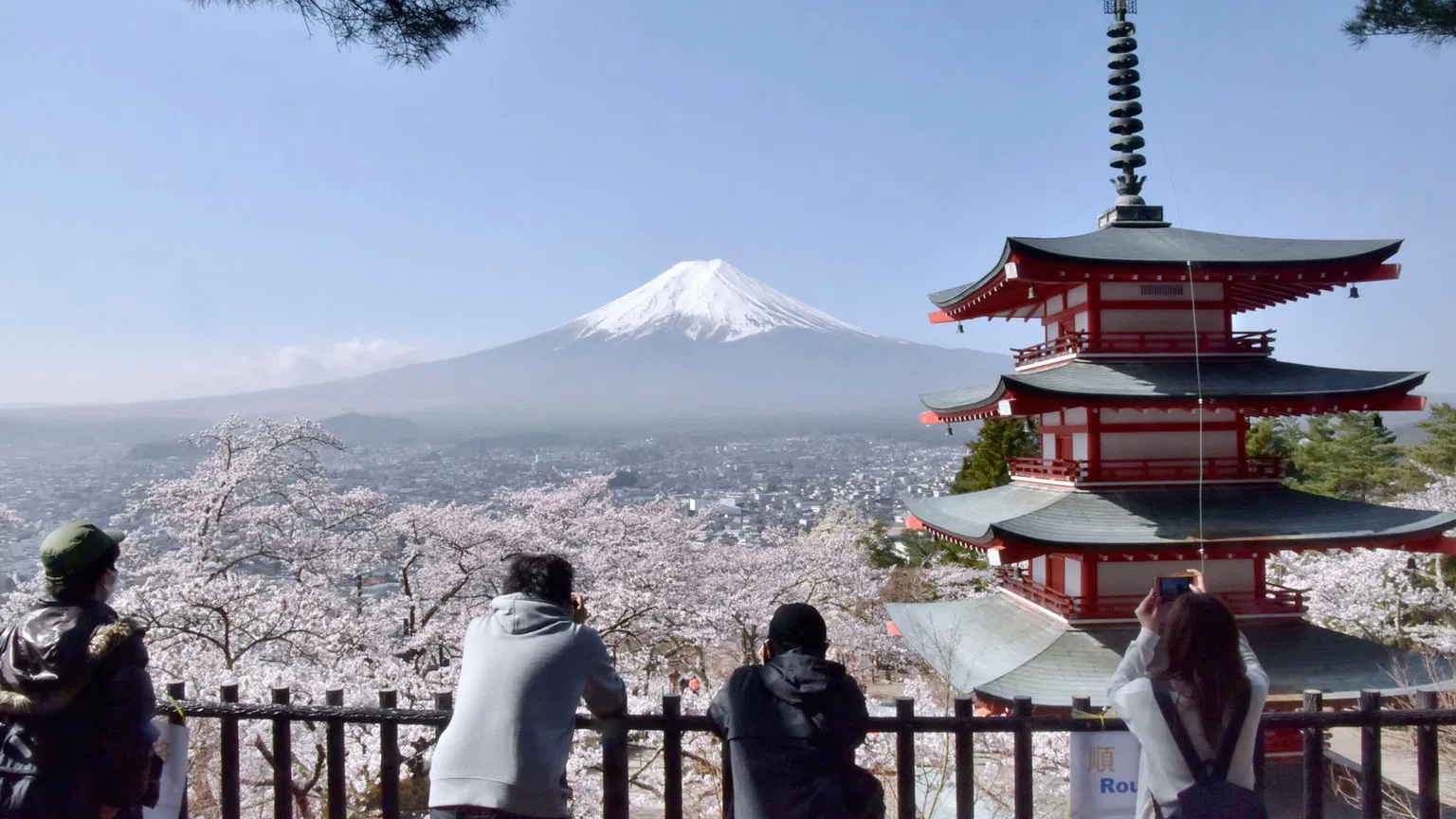
Japan's iconic cherry blossom festival at Mount Fuji has been cancelled due to what local officials are calling a "crisis" of overtourism and unruly visitor behavior. The city of Fujiyoshida announced this week that it will not host the annual Arakurayama Sengen Park Cherry Blossom Festival this spring, ending a decade-long tradition that drew 200,000 visitors each year to one of the country's most photographed locations.
How Tourist Misbehavior Forced Japan's Hand
The decision to cancel the festival comes after years of escalating complaints from residents about tourist conduct that has crossed from inconvenient to intolerable. According to city officials, visitors have been trespassing on private property, littering extensively, and even defecating in residents' gardens. Perhaps most alarmingly, local schoolchildren have reportedly been pushed aside by crowds on narrow pavements during their daily commutes.
Fujiyoshida Mayor Shigeru Horiuchi captured the local sentiment in a statement that has resonated across Japan: "Behind Mount Fuji's beautiful landscape is the reality that the quiet lives of citizens are threatened. We have a strong sense of crisis." He emphasized that while Mount Fuji represents an important tourism resource, "the peaceful lives of its citizens must take precedence over any tourism promotion measures."
From Celebration to Cancellation: A 10-Year Timeline
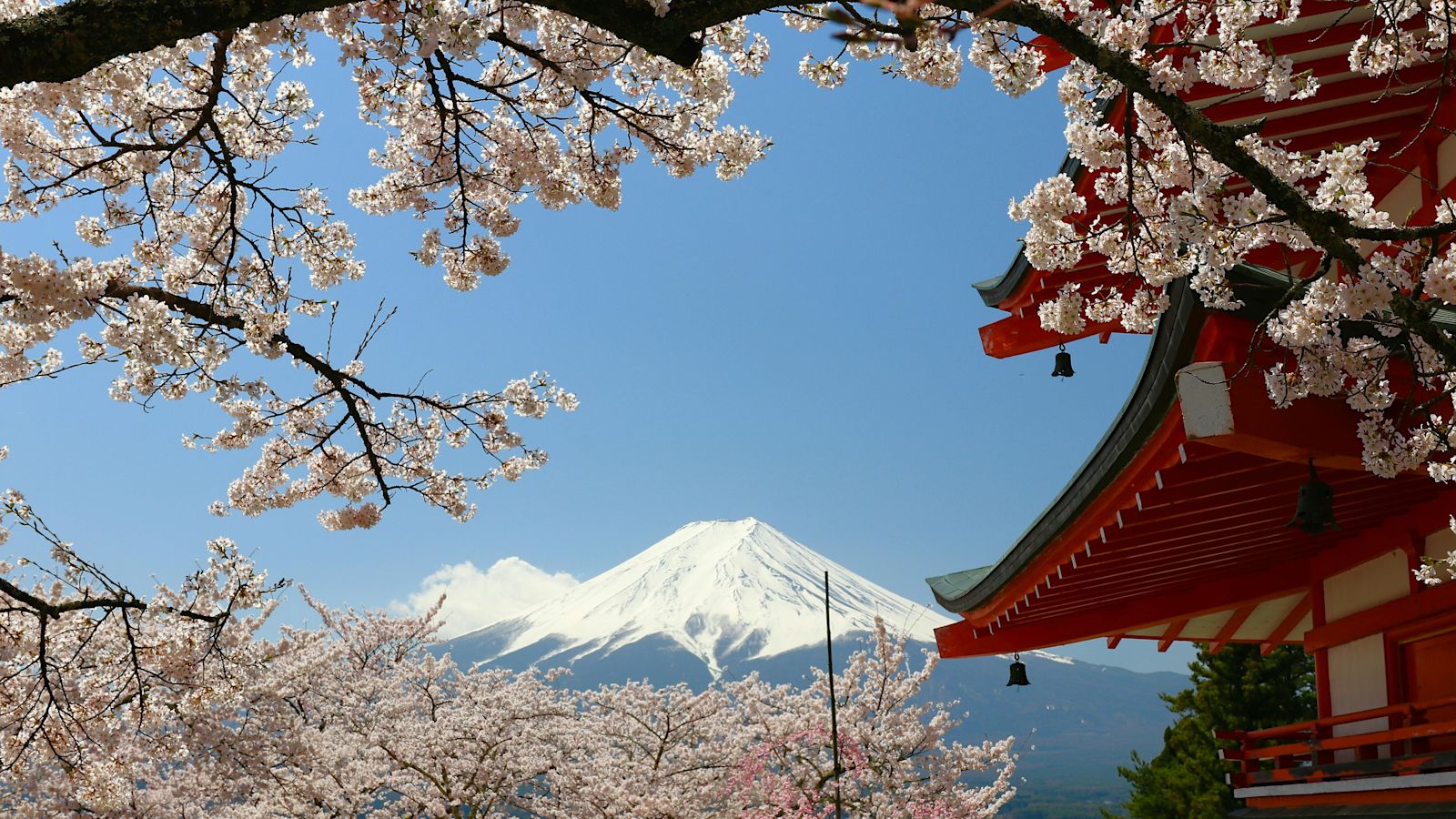
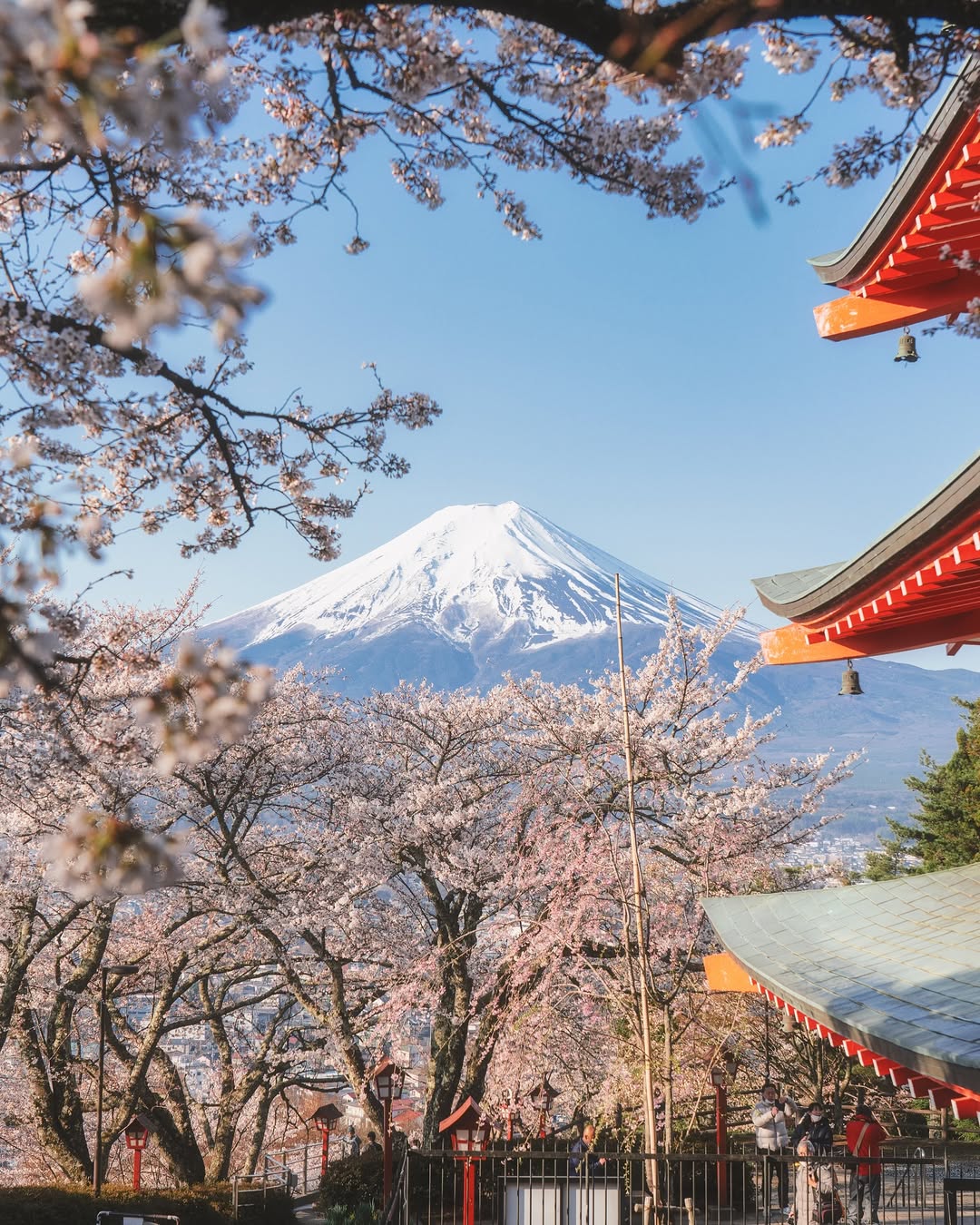
The Arakurayama Sengen Park Cherry Blossom Festival began in 2016 as an initiative to attract more visitors to Fujiyoshida. For years, it succeeded spectacularly, becoming one of Japan's most Instagrammed locations with its perfect composition of a five-story pagoda, pink cherry blossoms, and the majestic Mount Fuji in the background. However, by 2024, the festival's success had become its downfall.
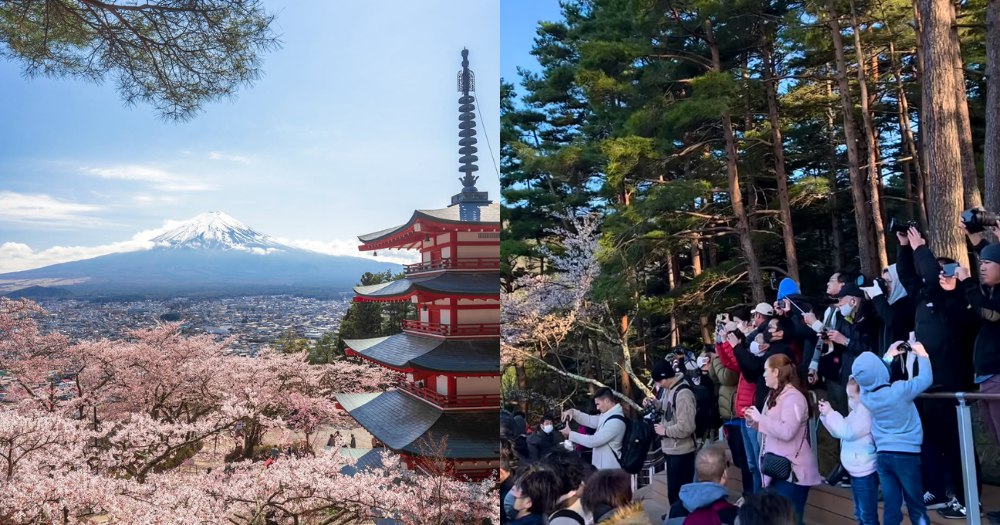
In 2025, the city attempted to manage the situation by asking media outlets to refrain from covering the park's cherry blossoms, but the request proved ineffective against the power of social media. By early 2026, daily visitor numbers during peak season were exceeding 10,000 people, with queues stretching for three hours just to reach the main photo spot. The February 3, 2026 announcement marked the official end of the festival that had become too successful for its own good.
Why Overtourism Has Reached Crisis Levels in Japan
The cancellation highlights a broader challenge facing Japan as it navigates unprecedented tourism numbers. In 2025, the country welcomed between 39 and 42.7 million visitors—a record high that continues a dramatic post-pandemic rebound. Two primary factors are driving this surge: the historically weak Japanese yen, which makes the country exceptionally affordable for international travelers, and the power of social media platforms that turn specific locations into viral "bucket list" destinations.
"For Fujiyoshida City, Mount Fuji is not just a tourist attraction; it is our very way of life," Mayor Horiuchi explained. "However, I feel a strong sense of crisis about the reality that, behind the beautiful scenery, the quiet lives and dignity of our residents are being threatened." This tension between tourism revenue and resident quality of life is playing out across Japan, from Kyoto where geisha have been harassed for photos, to other Mount Fuji towns that have erected view-blocking barriers to deter overcrowding.
Where Things Stand Now: Preparing for Spring Without the Festival
Despite cancelling the organized festival, Fujiyoshida officials acknowledge they cannot prevent visitors from coming to see the cherry blossoms. The city is now implementing contingency measures for the spring 2026 season, including increased security personnel, additional portable toilets, and temporary parking areas to manage the expected crowds. Authorities anticipate that queues for the park's famous observation deck will still stretch to three hours, indicating that the cancellation may do little to reduce actual visitor numbers.
Other Japanese destinations are watching Fujiyoshida's decision closely as they grapple with similar challenges. The town of Fujikawaguchiko made headlines in 2024 when it erected a giant black net to block the view of Mount Fuji from a popular photo spot, while hiking trails on the mountain itself have implemented daily visitor caps and doubled climbing fees.
What Happens Next: The Future of Tourism in Japan
The cancellation of this iconic festival represents a potential turning point in Japan's approach to tourism management. Industry experts suggest that more destinations may begin prioritizing resident wellbeing over unchecked tourist numbers, potentially through visitor caps, timed entry systems, or even complete closures of overwhelmed sites. The Japanese government faces the delicate balance of maintaining tourism's economic benefits while preserving the cultural and environmental integrity that makes the country appealing in the first place.
For travelers planning spring visits to Japan, the message is clear: iconic destinations may be changing their access policies rapidly. Checking local announcements, respecting community guidelines, and considering less-frequented alternatives will become increasingly important as Japan recalibrates its relationship with the visitors who love it almost too much.
Key Takeaways from Japan's Festival Cancellation
- The Arakurayama Sengen Park Cherry Blossom Festival has been cancelled after 10 years due to overtourism and disruptive visitor behavior
- Resident complaints included trespassing, littering, defecation in private gardens, and safety concerns for schoolchildren
- Japan's record tourism numbers (39-42.7 million in 2025) driven by weak yen and social media are creating overtourism crises
- Despite festival cancellation, Fujiyoshida expects large crowds and has implemented security and sanitation measures
- The decision signals a potential shift in Japan's tourism strategy toward prioritizing resident quality of life