
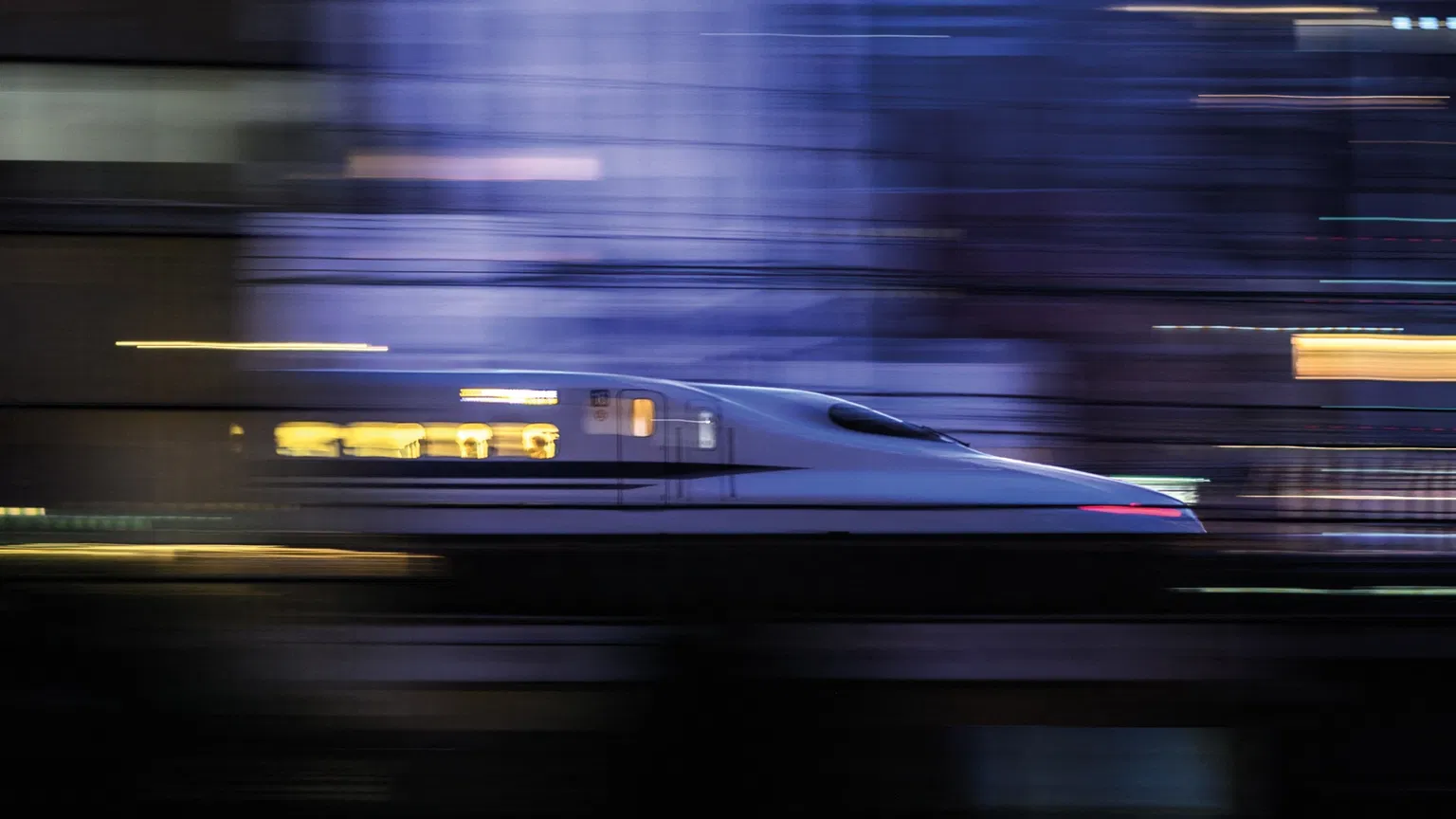
Imagine boarding a train that glides silently above its tracks, accelerating to speeds that rival passenger aircraft, all while producing zero direct emissions. This isn't science fiction—it's the reality of magnetic levitation (maglev) trains, and 2024 has brought groundbreaking developments that could revolutionize how we travel. China recently tested maglev trains in vacuum tubes at speeds exceeding 600 km/h, with ambitions to eventually reach a blistering 4,000 km/h. Meanwhile, travelers can already experience this futuristic technology on the Shanghai Maglev, the world's first commercial high-speed maglev line that connects Pudong Airport to the city in just eight minutes.
The Shanghai Maglev Experience: 300 km/h in 8 Minutes
For travelers seeking a taste of the future, the Shanghai Maglev offers an unforgettable experience. Operating since 2004, this 30-kilometer shuttle between Pudong International Airport and Longyang Road Station reaches a maximum commercial speed of 300 km/h (186 mph), making it the fastest commercially operating train in the world. According to travel bloggers who've ridden the line, the acceleration is smooth but noticeable, with the digital speedometer climbing rapidly as the train levitates above its guideway. "The sense of acceleration, the smooth ride, the sonic shock of the passing train made this adventure a show stopper," reports one TripAdvisor reviewer. The journey takes approximately 8 minutes, compared to 45-60 minutes by car or metro, making it the quickest way to reach central Shanghai from the airport.
Practical tips for travelers: trains depart every 15-20 minutes between 6:45 AM and 9:40 PM, with one-way tickets costing approximately 50 RMB (about $7 USD). The interior features comfortable seating, luggage racks, and a digital display showing the train's current speed. While the line doesn't reach Shanghai's city center, it connects seamlessly with the metro system at Longyang Road Station. Travel experts recommend the maglev for airport transfers if you're staying in Pudong or have light luggage, though the metro may be more convenient for destinations across the Huangpu River.
From 1900s Concept to 600+ km/h Reality: The Maglev Timeline
The journey to today's maglev trains began over a century ago. German engineer Alfred Zehden received the first patent for a magnetic propulsion train system in the early 1900s. Serious development accelerated after World War II, with British engineer Professor Eric Laithwaite creating the first full-sized working model of the linear induction motor in the 1940s. His "magnetic river" system earned him the title "father of maglev" and even appeared in the 1977 James Bond film The Spy Who Loved Me.
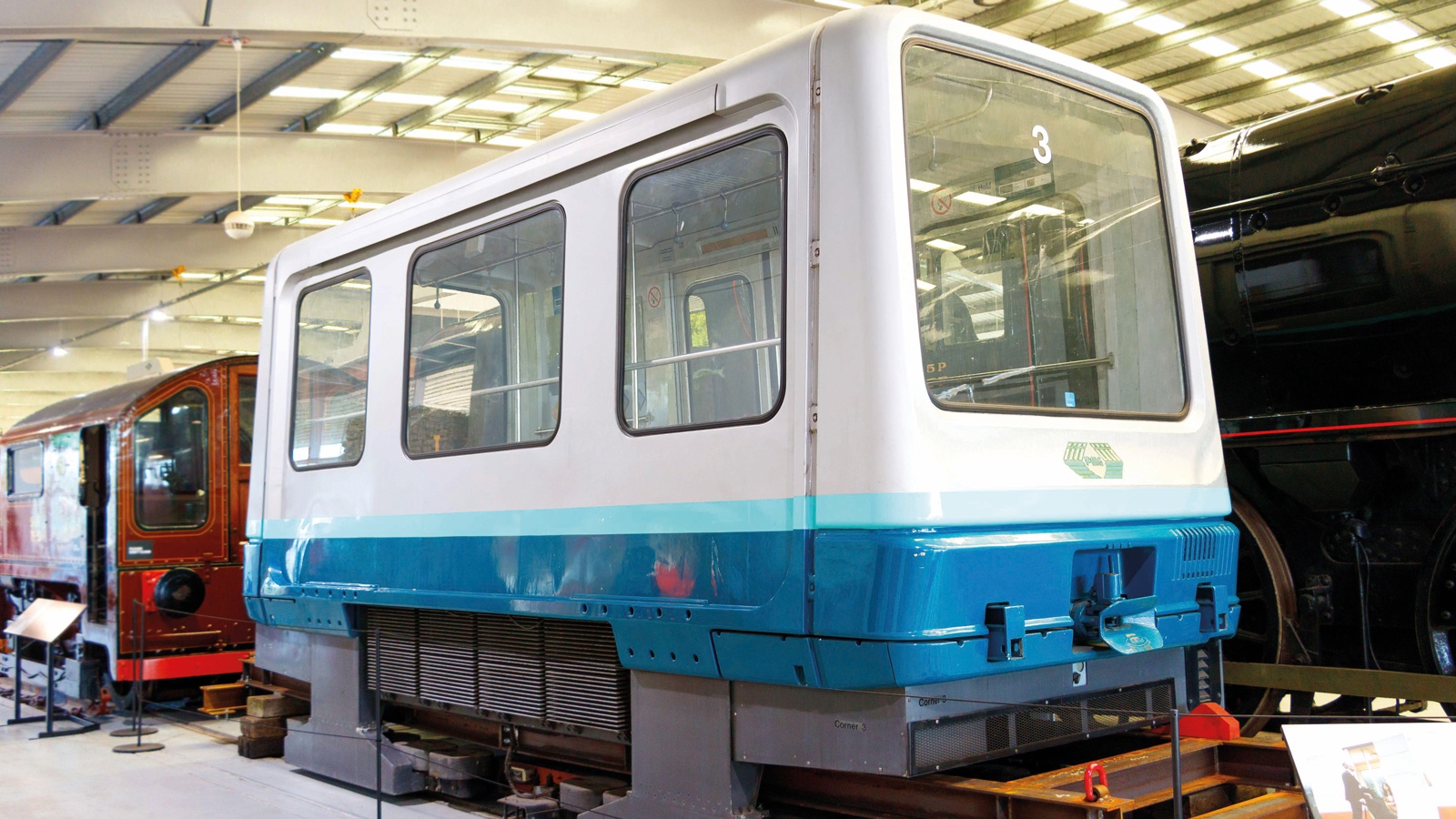
The first commercial maglev service opened in Birmingham, UK, in 1984, shuttling passengers between the airport and railway station at 36 km/h. Despite initial excitement, it closed in 1995 due to reliability issues. Germany's M-Bahn operated in Berlin from 1989-1991, while Japanese engineers began developing their own technology in the 1960s. The current speed record of 603 km/h was set by Japan's L0 Series Maglev in 2015. Today, only six maglev services operate worldwide—three in China, two in South Korea, and one in Japan—with the Shanghai line being the only true high-speed commercial service.
Why Maglev Matters: The Traveler's Advantage
Beyond raw speed, maglev technology offers several advantages that could transform future travel. According to Engineering and Technology Magazine, maglev trains eliminate friction between wheels and rails, allowing them to push toward aircraft-like speeds without direct greenhouse gas emissions. The lack of physical contact means they're immune to weather-related delays from ice or leaves on tracks—a common problem for conventional rail. Maintenance requirements are significantly reduced since there are no wheels to wear down tracks and fewer moving parts overall.
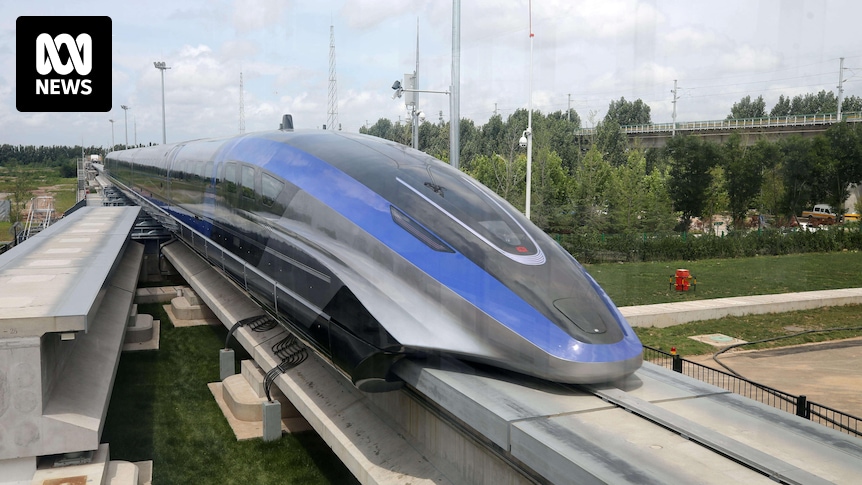
For travelers, this translates to quieter, smoother rides with better acceleration and deceleration. Professor Iain Docherty of the University of Stirling explains that the core technologies between conventional high-speed rail and maglev are similar: "It's high-power electrical engineering [and] power supply systems: a lot of the core technologies are pretty similar between them because it's all about moving very significant electricity supply around." The key difference is the magnetic levitation that eliminates rolling resistance entirely, potentially making maglev more energy-efficient at very high speeds.
Breaking Barriers: China's 2024 Vacuum Tube Breakthrough
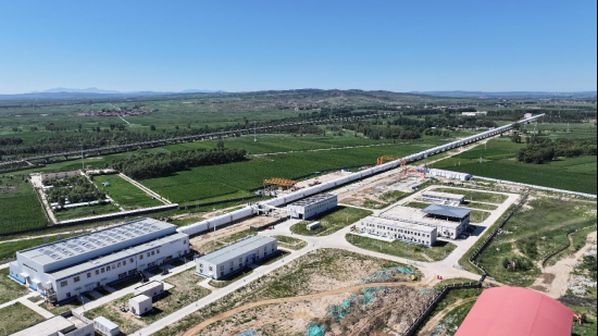
The most exciting recent development comes from China, where researchers are pushing maglev technology to new extremes. In April 2024, ABC News reported that China successfully tested maglev trains in a low-vacuum tube, reaching speeds of 623 km/h—nearly 200 km/h faster than the fastest train currently in service. The test was conducted by the China Aerospace Science and Industry Corporation (CASIC) as part of their T-Flight project, which aims to eventually achieve speeds of 4,000 km/h.
International Railway Journal provided additional details in August 2024, reporting that an ultra high-speed maglev vehicle completed a 2-kilometer demonstration test run in Yanggao county, Shanxi province. The test in a low-vacuum tube successfully demonstrated controlled navigation, stable suspension, and safe stopping. These vacuum tube systems minimize air resistance, allowing trains to glide effortlessly at extreme speeds that could eventually make them competitive with air travel for medium-distance journeys.
The Future of Maglev Travel: What Comes Next
Looking ahead, several countries are exploring maglev expansion. Japan continues to develop its Chuo Shinkansen maglev line between Tokyo and Nagoya, which aims to cut travel time from 90 to 40 minutes when completed. China's T-Flight project represents the most ambitious vision, with researchers suggesting that vacuum tube maglev could eventually connect Beijing and Shanghai in just 90 minutes—a journey that currently takes 4.5 hours by conventional high-speed rail.
Other countries are more cautious. The UK considered a Transrapid maglev network called UK Ultraspeed in the 2000s, but rejected it in favor of conventional high-speed rail (HS2). IET transport expert Jeremy Acklam notes: "The UK is highly unsuitable for long-distance maglev due to being crowded, meaning that the planning process, based on current examples of major transport infrastructure, would take multiple decades." Similarly, Germany—home to Transrapid technology—has no current maglev projects following a fatal accident in 2006 and cost overruns on the Munich airport shuttle project.
Key Takeaways for Travelers
For now, the Shanghai Maglev remains the most accessible way to experience this technology firsthand. Travelers visiting China should consider incorporating the maglev into their airport transfer for a unique experience. As development continues, we may see more maglev lines emerge in high-demand corridors, particularly in Asia. The technology's advantages in speed, comfort, and environmental impact make it a strong contender for the future of medium-distance travel, especially as countries seek to reduce aviation emissions. While the vision of 4,000 km/h vacuum tube trains may be decades away, the fact that travelers can already ride 300 km/h maglev trains today shows how quickly this future is approaching.