
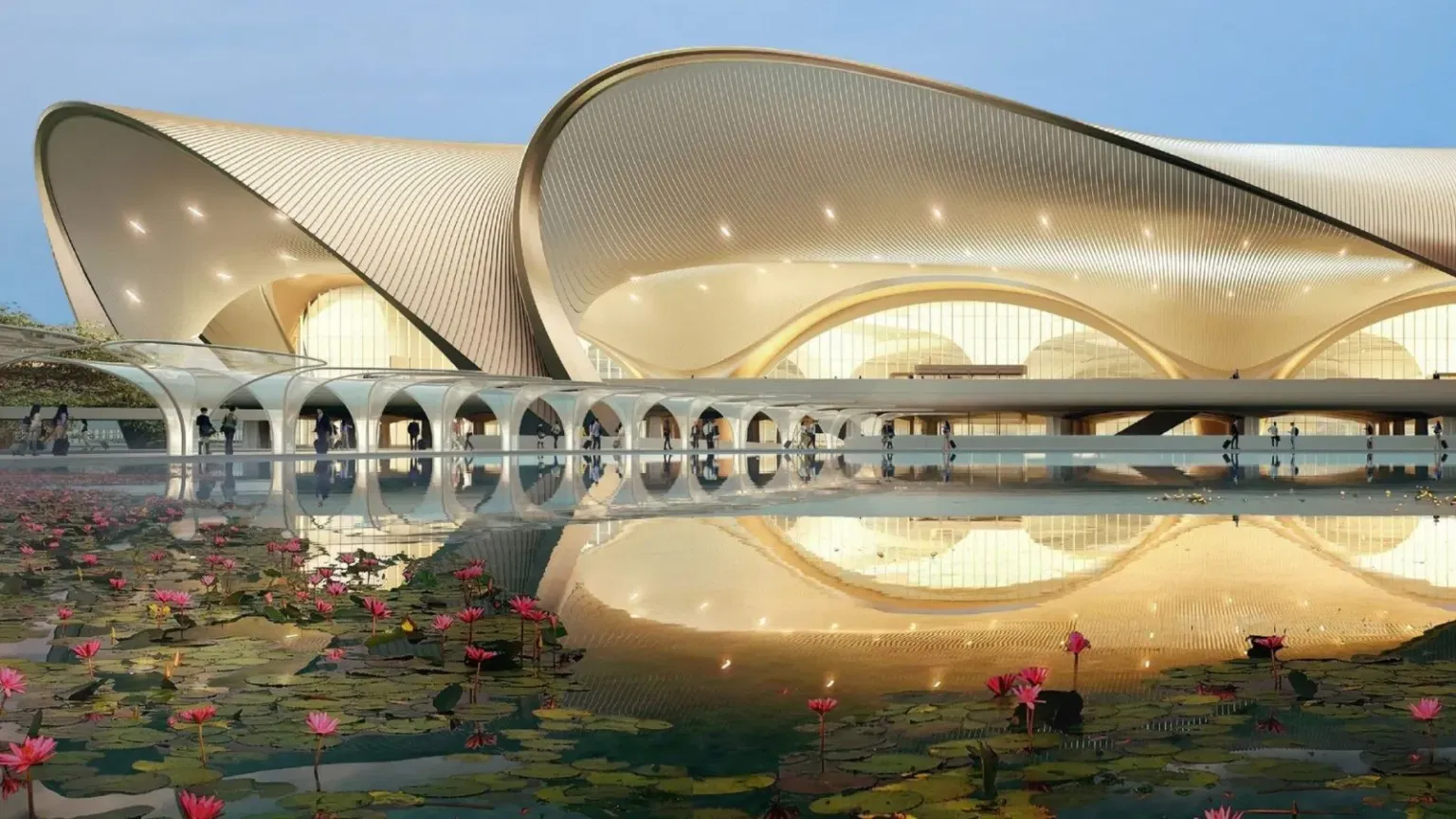
If you've noticed 'Bombay' trending recently, you're not alone—but the reason might surprise you. While political debates about renaming IIT Bombay to IIT Mumbai have captured headlines, a far more significant transformation is underway for travelers. 2025 marks the year Mumbai, formerly Bombay, becomes a dramatically easier and more exciting city to visit, thanks to the long-awaited opening of Navi Mumbai International Airport and a sweeping infrastructure overhaul that's reshaping how visitors experience India's maximum city.
How Mumbai's Airport Revolution Is Changing Travel
On October 8, 2025, Prime Minister Narendra Modi inaugurated what many are calling India's most modern airport—the Navi Mumbai International Airport (NMIA). After more than two decades of planning and construction, this massive facility began commercial operations on December 25, 2025, and within just five days welcomed over 25,000 passengers. For travelers, this means Mumbai now joins the ranks of global cities with twin international airports, significantly reducing congestion and expanding flight options.
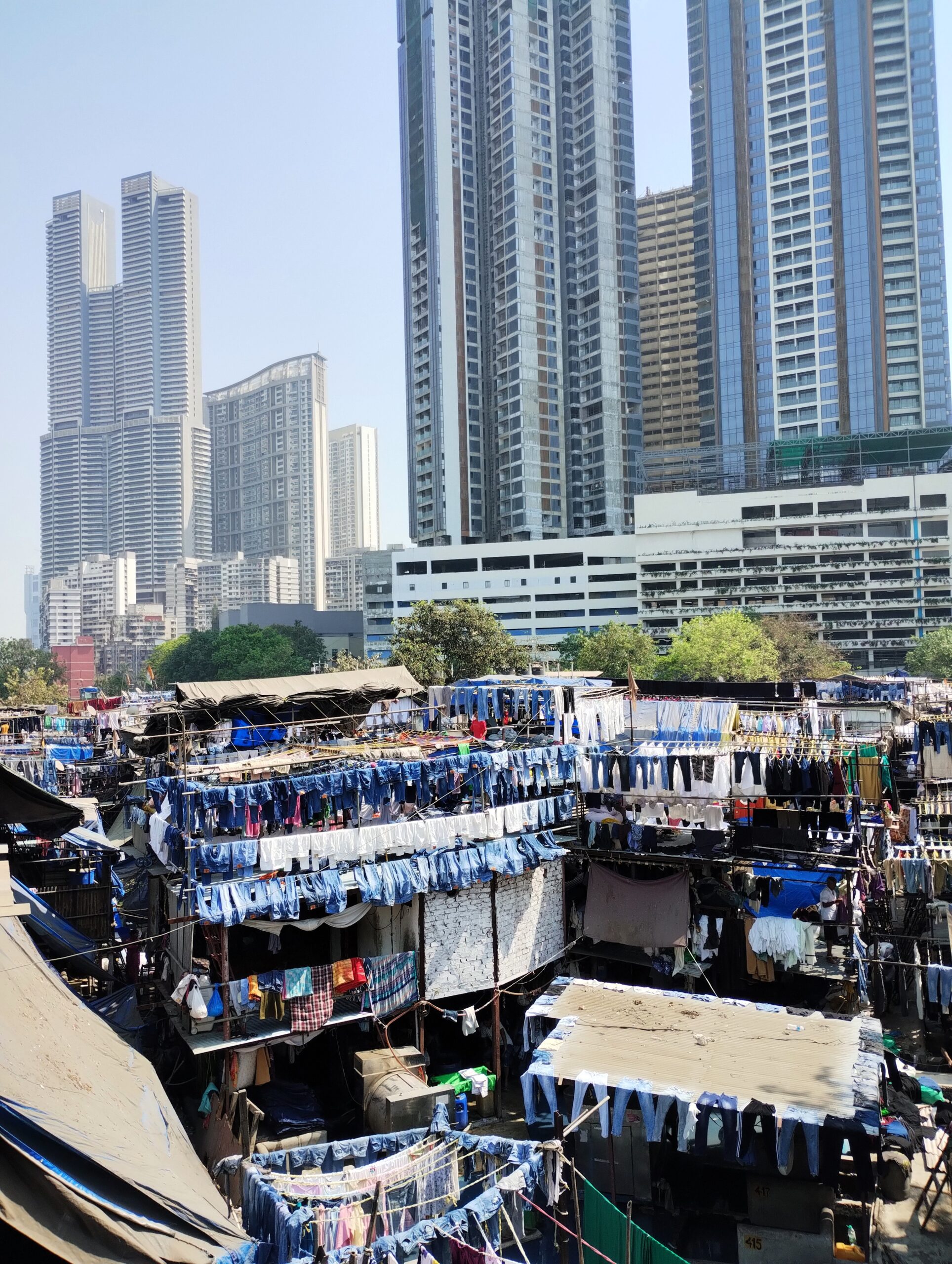
The new airport isn't just about more flights—it's about smarter travel. NMIA features Digi Yatra-enabled contactless processing from day one, along with modern amenities like Bombay Bond food court, which includes popular concepts like Foo, Bombay Brasserie, and Kitab Mahal Charcha. Initially operating from 8am to 8pm with 23 daily departures, the airport will expand to 24-hour operations by February 2026, connecting Mumbai to 16 key domestic destinations through airlines like IndiGo, Air India Express, and Akasa Air.
Timeline: Mumbai's Infrastructure Transformation Unfolds
The airport opening is just one piece of Mumbai's 2025 makeover. Here's how the transformation has unfolded:
- October 8, 2025: Prime Minister Modi inaugurates Navi Mumbai International Airport
- December 25, 2025: Commercial operations begin at NMIA with flights to major Indian cities
- January 2026: Metro Line 3 extensions open, increasing train frequencies across the city
- February 2026: NMIA transitions to 24-hour operations
- June 2026: Construction begins on Metro Line 8 (Gold Line) connecting both airports
- 2026-2027: Coastal Road project completion and BEST bus overhaul implementation
This coordinated infrastructure push represents Mumbai's largest urban transformation since the 1990s, when the city officially changed its name from Bombay to Mumbai. Interestingly, that name change debate has resurfaced in 2025, with Maharashtra Chief Minister Devendra Fadnavis pushing to rename IIT Bombay to IIT Mumbai—a reminder of how the city's colonial past continues to intersect with its modern identity.
Why These Changes Matter for Travelers
For visitors, Mumbai's infrastructure boom translates to tangible benefits. The most significant is the planned Metro Line 8, also called the Gold Line, which will connect Chhatrapati Shivaji Maharaj International Airport (CSMIA) with Navi Mumbai International Airport. Currently, the road journey between the two airports takes 70-90 minutes during Mumbai's notorious traffic. The new metro line will slash that to just 30 minutes.
According to CNBC TV18's travel desk, the ₹23,000 crore project will span approximately 34.89 kilometers with 20 stations—six underground and 14 elevated—connecting key areas like Phoenix Mall, Kurla, Vashi, and Nerul before reaching both airport terminals. The line will integrate with six other metro lines, suburban rail, and bus terminals, creating a seamless transit network for the Mumbai Metropolitan Region.
Where Things Stand Now: What's Already Changed
As of early 2026, travelers to Mumbai can already experience several improvements. The new airport is operational with flights to major domestic destinations, and early users report smoother check-ins and modern facilities. Within the city, Metro Line 3 extensions that opened in April 2025 have increased train frequencies, making it easier to navigate between south Mumbai and the suburbs.
Travel blogger Mrs B, who visited Mumbai in June 2025, recommends first-time visitors book a private full-day city tour. "The best way to see and learn about as much of Mumbai as possible is certainly with a guide," she writes. "We booked a private full day city tour which gave us a guide and a driver with pick-up and drop off at our hotel. We had the option beforehand to customise the tour in any way we wanted." This personalized approach is becoming more accessible as improved infrastructure makes it easier for guides and drivers to navigate the city.
What Happens Next: The Future of Mumbai Travel
The momentum continues through 2026 and beyond. The Gold Line metro is expected to carry 1.03 million passengers daily by 2031, fundamentally changing how residents and visitors move between Mumbai's two airports. Additionally, the coastal road project—a 29.2-km freeway along Mumbai's western coastline—will reduce travel time between south Mumbai and the western suburbs by 70% and save commuters an estimated 60-65 minutes per trip.
For travelers, these projects mean less time stuck in traffic and more time experiencing Mumbai's incredible offerings: the Gateway of India, Marine Drive at sunset, Bollywood studio tours, and what many consider India's best street food scene. As one travel expert noted, "2025 might be remembered as the year Mumbai finally solved its infrastructure challenges, making it more accessible than ever for international visitors."
The Bottom Line: Key Points for Travelers
- New airport advantage: Navi Mumbai International Airport offers modern facilities and reduced congestion; consider flying into NMIA for domestic connections
- Metro expansion: Mumbai's metro system is growing rapidly; purchase a tourist smart card for unlimited rides
- Timing your visit: 2025-2026 is an ideal window to experience Mumbai's improvements before tourist numbers surge
- Name nuance: While officially Mumbai, "Bombay" remains in common use for institutions, restaurants, and cultural references
- Guided tours: Consider a private guided tour to maximize your time and navigate the changing cityscape efficiently
Mumbai has always been India's city of dreams, but in 2025 it's also becoming the country's city of modern transit and accessible travel. Whether you know it as Bombay or Mumbai, there's never been a better time to experience the energy, culture, and transformation of this unforgettable destination.