
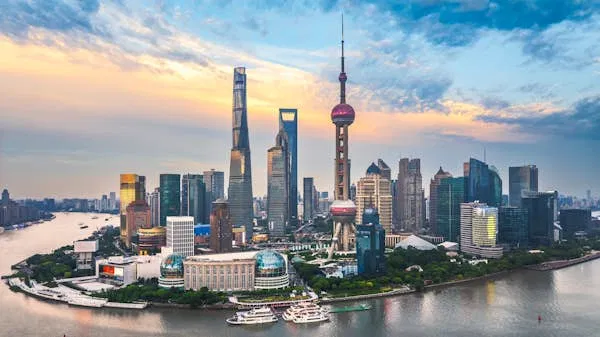
Shanghai's tourism industry is experiencing a remarkable resurgence, with inbound visitors surging past 9.36 million in 2025—a clear sign that China's most dynamic metropolis is back on the global travel map. According to the latest data from the Shanghai Municipal Bureau of Culture and Tourism, the city welcomed over 6 million international tourists in 2024, nearly doubling pre-pandemic numbers and signaling a robust recovery for one of Asia's most iconic destinations. This dramatic rebound comes as China expands its visa-free transit policies and international travelers rediscover Shanghai's unique blend of ultra-modern architecture, historic neighborhoods, and world-class culinary scene.
How Shanghai's Tourism Recovery Unfolded: The Numbers Behind the Boom
The statistics tell a compelling story of Shanghai's tourism renaissance. According to ITIJ, Shanghai's inbound tourism surged past 9.36 million visitors in 2025, with travel agencies organizing 180,500 trips—a staggering 97% increase from the previous year. The city recorded 1.0397 million overnight visitors in December 2025 alone, representing a 47.72% year-over-year increase. This growth trajectory continues into 2026, with Shanghai welcoming approximately 8.28 million inbound tourists from January to November 2025, up nearly 40 percent year on year. "Strong demand from international travelers and expanding luxury accommodation fuelled Shanghai's rebound as a premier global travel destination," reports ITIJ's analysis of the tourism surge.
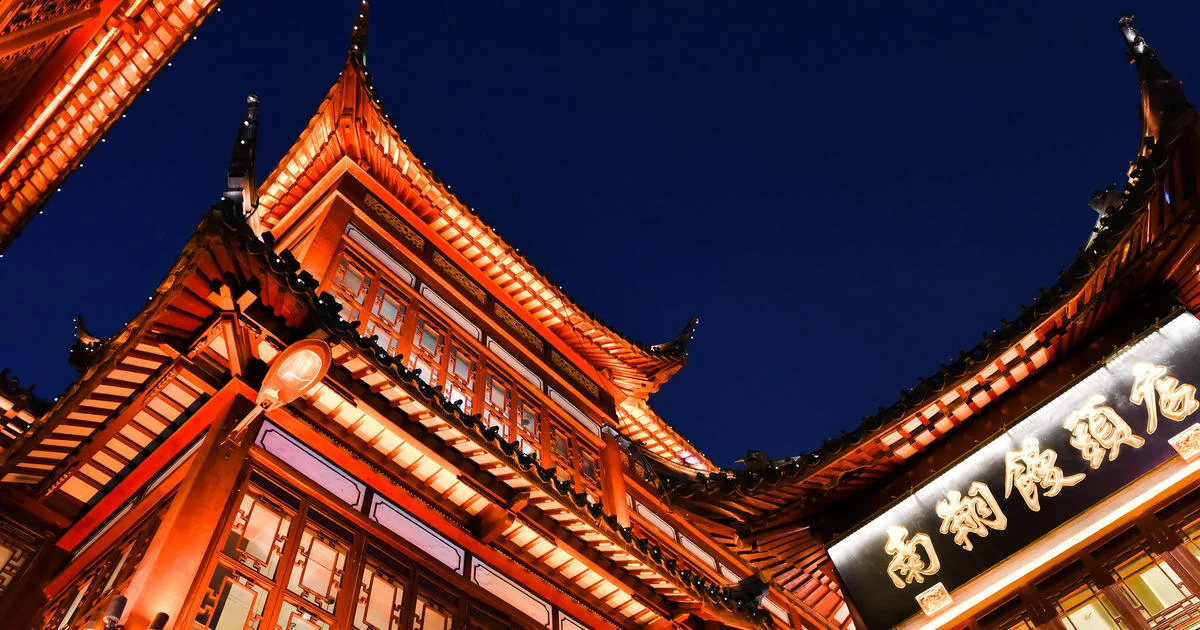
Behind these impressive numbers lies a strategic combination of factors: China's relaxed visa policies, increased international flight connectivity, and Shanghai's continuous investment in tourism infrastructure. The city's hospitality sector has responded with expanded luxury accommodations, while cultural institutions have enhanced their offerings to cater to diverse international tastes. This perfect storm of favorable conditions has positioned Shanghai not just as a recovery story, but as a leading example of post-pandemic tourism transformation.
Timeline: Shanghai's Journey from Pandemic Recovery to Tourism Powerhouse
The road to Shanghai's current tourism success has been marked by strategic milestones. In 2024, the city welcomed 6 million international tourists, surpassing expectations and setting the stage for the explosive growth that followed. By late 2024, China announced the extension of its visa-free travel policy through December 2026, a move specifically designed to enhance international tourism and strengthen global engagement. The 2024 Tourism Plus Shanghai expo, held in late March of that year, showcased everything related to the comprehensive tourism industry, signaling the city's commitment to sector development.
December 2025 saw Shanghai reach a monthly milestone of 1.0397 million overnight visitors, while the annual total reached 8.7894 million—numbers that would have seemed improbable just two years prior. The consistent month-over-month growth throughout 2025 demonstrated not just recovery, but sustained momentum. This timeline reflects careful planning and execution by Shanghai's tourism authorities, who leveraged both policy changes and marketing initiatives to rebuild international visitor numbers.
Why Shanghai Matters: Expert Analysis of Asia's Most Dynamic Destination
Travel experts point to several key factors driving Shanghai's tourism resurgence. "Anything feels possible in Shanghai's swirling metropolis of around 30 million people, with its iconic modern skyline, super-fast transport, endless glamour," notes Lonely Planet's guide to the city. This sense of possibility—combined with Shanghai's unique position as both a historic port city and a futuristic megacity—creates an irresistible draw for international travelers. According to tourism analysts, Shanghai offers what many modern travelers seek: authentic cultural experiences alongside cutting-edge urban amenities.
The city's strategic response to post-pandemic travel trends has been particularly effective. Shanghai has capitalized on the growing demand for "bleisure" travel (combining business and leisure), expanded its luxury accommodation options, and enhanced its cultural offerings. Additionally, the city's transportation network—including one of the world's most extensive metro systems and two major international airports—makes it exceptionally accessible for international visitors. These factors combine to create what industry experts describe as a "perfect ecosystem" for tourism growth.
Where Things Stand Now: Latest Developments in Shanghai Tourism
Current indicators suggest Shanghai's tourism momentum continues to accelerate. The city's visitor arrival data reached 6,705,900 person-times in 2024, up dramatically from 3,644,600 in the previous year. This growth trajectory has continued into 2026, with recent reports indicating domestic tourism outlays over major holiday periods climbing to 803.5 billion yuan ($117 billion)—an increase of 126.5 billion yuan from the previous year. Shanghai's share of this national tourism boom has been substantial, with the city consistently ranking among China's top destinations for both domestic and international travelers.
Perhaps most significantly for international visitors, China's visa policies continue to evolve in traveler-friendly directions. The country has implemented a 24-hour visa-free transit policy for foreign nationals from all countries at all accessible exit-entry ports, while also offering an extended 240-hour (10-day) visa-free stay for travelers from 55 specific countries. These policies, extended through 2026, remove significant barriers to entry and make spontaneous trips to Shanghai more feasible than ever before.
What Happens Next: The Road Ahead for Shanghai Travel
Looking forward, industry analysts predict several trends that will shape Shanghai's tourism landscape. The continued expansion of luxury accommodations is expected to attract higher-spending international visitors, while infrastructure improvements—including enhancements to Shanghai's already extensive public transportation network—will make the city even more navigable for tourists. Cultural institutions are likely to continue developing multilingual offerings and interactive experiences tailored to international audiences.
Perhaps most importantly, Shanghai's position as a global aviation hub continues to strengthen, with increased flight connectivity to major cities worldwide. This improved accessibility, combined with favorable visa policies and Shanghai's inherent attractions, suggests the city's tourism growth is sustainable rather than temporary. Tourism authorities are already planning for future capacity, with investments in smart tourism technologies and sustainable travel initiatives that will enhance the visitor experience while managing the impacts of increased tourism.
The Bottom Line: Key Points for Travelers Considering Shanghai
For travelers contemplating a Shanghai visit, several key takeaways emerge from the current tourism landscape. First, visa requirements have never been more favorable, with many nationalities eligible for visa-free transit stays of up to 10 days. Second, the city's tourism infrastructure is robust and continuously improving, offering everything from luxury hotels to efficient public transportation. Third, Shanghai's attractions—from the historic Bund to the futuristic Pudong skyline—offer a unique blend of experiences unmatched elsewhere in Asia.
Finally, the timing may be ideal: Shanghai has fully recovered its pre-pandemic energy while benefiting from recent infrastructure and policy improvements. As travel experts consistently note, Shanghai represents not just a destination, but an experience—one that continues to evolve and improve even as it retains the essential characteristics that have made it legendary among global travelers for generations.