

The Villa Vie Odyssey, a Florida-based residential cruise ship that sold travelers a “life at sea” on a three-and-a-half-year, globe-spanning voyage, has suspended operations in Cambodia and ordered its roughly 200 residents ashore with only hours to pack — the most serious collapse yet in a journey that has been dogged by delays, itinerary changes, and money problems almost since the day it was announced.
How a 'Never-Ending Cruise' Came to a Sudden Stop
Villa Vie Residences confirmed on Tuesday, October 27, 2026, that it had halted the Odyssey's world voyage and tied the ship up at Sihanoukville, a port on the Gulf of Thailand, after monthly fuel costs spiraled beyond what the business could absorb. The company said fuel expenses per cabin in parts of Asia had climbed from roughly $1,800 to as much as $8,000 — a jump of more than 300% — making the voyage financially unsustainable. The operator attributed the spike to the Iran war's impact on global fuel prices, saying it had taken “significant steps to reduce fuel consumption, including slowing the itinerary and spending more time in port,” but that the savings were not enough.
The decision left about 203 residents, most of them American, stranded ashore in Cambodia with only about seven hours to pack their belongings. Many had sold their homes and paid six-figure sums for the promise of a permanent life at sea, with suites reportedly costing up to $230,000 — and some reports putting the price of long-term ownership as high as $440,000 for a 15-year commitment. Villa Vie Residences said it is arranging “temporary living arrangements” for passengers while it tries to find a way forward. The Odyssey, which can carry more than 650 passengers, was sailing with only about 203 residents — a gap that likely compounded the financial strain.
From Belfast Limbo to a Cambodian Standstill
The Odyssey's troubles began long before it reached Southeast Asia. The ship — originally the Fred Olsen Cruise Lines vessel Braemar, built in 1993 — was scheduled to depart Belfast, Northern Ireland, on May 30, 2024, for the first leg of its world cruise. Instead, unexpected repair work and certification delays kept the ship and its would-be residents stuck in Belfast for four months, a saga that made headlines as passengers explored Northern Ireland while waiting to board.
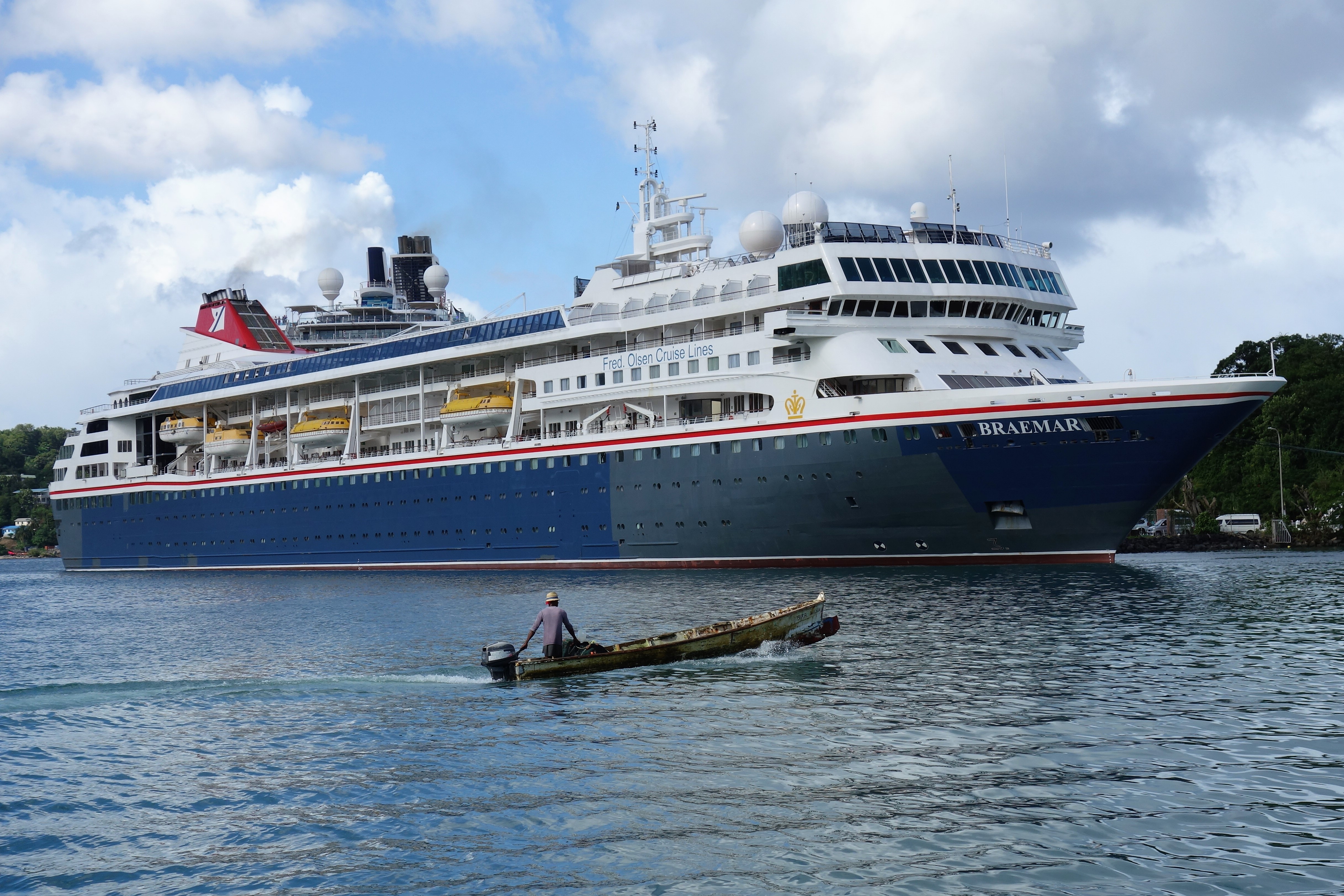
The ship finally set sail in late September and early October 2024, but the voyage continued to be marked by backtracking itineraries and mounting questions about the company's finances. Roughly two years into a trip that was supposed to last three and a half years and visit hundreds of destinations, the dream ended abruptly in Cambodia instead of continuing on to Vietnam as scheduled.
Why Soaring Fuel Costs Sank the Odyssey
Villa Vie Residences said it had suspended operations to avoid passing the “extraordinary increases” in fuel costs onto residents. Fuel costs for the ship reportedly soared from about $700 to as much as $3,000 a ton since the Iran war began, and the company's founder and executive chairman, Mikael Petterson, described the situation as “incredibly deflating.” In an interview with Business Insider, he said “I feel awful,” acknowledged that he has been cast as the “villain,” and added that he was weighing bankruptcy for the business.
Petterson is no stranger to the rocky world of residential cruising: he previously served as managing director of Life at Sea Cruises, a rival “live aboard” venture that collapsed before its own world voyage ever began. The Odyssey's suspension has also reignited concerns about unpaid crew wages that have reportedly been circulating for months, raising fresh questions about how the company will look after both passengers and staff.
Where Things Stand Now: Stranded in Sihanoukville
Villa Vie Residences said it is working with passengers on temporary housing while it pursues restructuring and recapitalization. In a statement, the company said it “continues to evaluate potential paths forward, but no financing or transaction has been finalized.” Passengers have been told to expect a roughly 60-day restructuring period while the company seeks new funding, with no confirmed restart date for the ship.
For now, the Odyssey remains tied up in Sihanoukville instead of sailing on to Vietnam as planned. Residents face an uncertain wait — and, in many cases, a long and uncertain road to any potential refund for the cabins they purchased.
What Happens Next for Passengers, Crew and Travelers
The company has indicated it is preparing to file for Chapter 11 bankruptcy protection in the United States, a process that would leave passengers as creditors in what could be a lengthy legal proceeding. Travel experts advise residents who bought cabins to gather contracts, payment records, and communications immediately, and to prepare for the possibility that refunds may be slow, partial, or never fully materialize.
For the wider cruise industry, the Odyssey's collapse is a stark reminder that residential cruising remains a young and high-risk business model. The dream of living permanently at sea can disappear quickly when fuel prices, financing, and day-to-day operations fall out of alignment — a cautionary tale for anyone weighing a long-term voyage.
The Bottom Line: What Travelers Should Know
- The Villa Vie Odyssey suspended its 3.5-year world voyage in Sihanoukville, Cambodia, in late October 2026 after monthly fuel costs per cabin surged from about $1,800 to as much as $8,000.
- Roughly 203 residents — mostly Americans who paid up to $230,000 for cabins — were told to disembark with only hours to pack.
- The ship had already endured a four-month delay in Belfast in 2024 before finally setting sail.
- Operator Villa Vie Residences is pursuing a 60-day restructuring and preparing for possible Chapter 11 bankruptcy, with no confirmed restart date or refund timeline.