
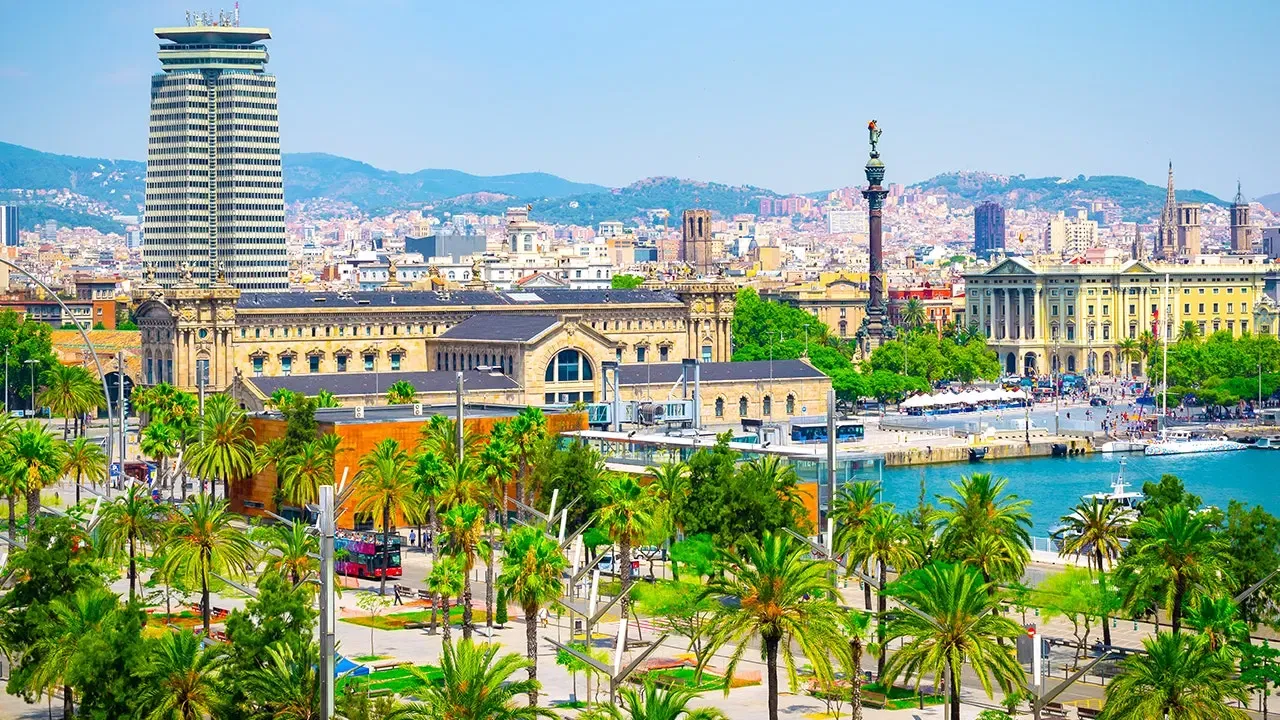
Barcelona, Europe's busiest cruise port, is moving to double its tourist tax for cruise passengers in a sweeping crackdown on mass tourism that could reshape Mediterranean cruise itineraries. Mayor Jaume Collboni has announced plans to fast-track a 100% increase in the city's cruise passenger tax, raising it from €4 ($4.65) to €8 ($9.30) per night for short-stay visitors, with the long-term goal of eliminating stopover cruise traffic altogether.
How the Tax Hike Will Work
Under the mayor's accelerated proposal, the tax increase would be implemented "in the coming months" rather than over the originally planned four-year timeline that Barcelona's City Council approved in July 2025. The new €8 rate would apply to all cruise passengers docking in the city, though the primary target is what officials call "transit cruisers" — passengers who spend less than 12 hours in Barcelona as a port-of-call before continuing their voyage.
"I want to discourage the arrival of cruise passengers," Collboni said in an interview on local network Betevé, as reported by Spain's El País. "Tourism must serve the city, not the other way around."
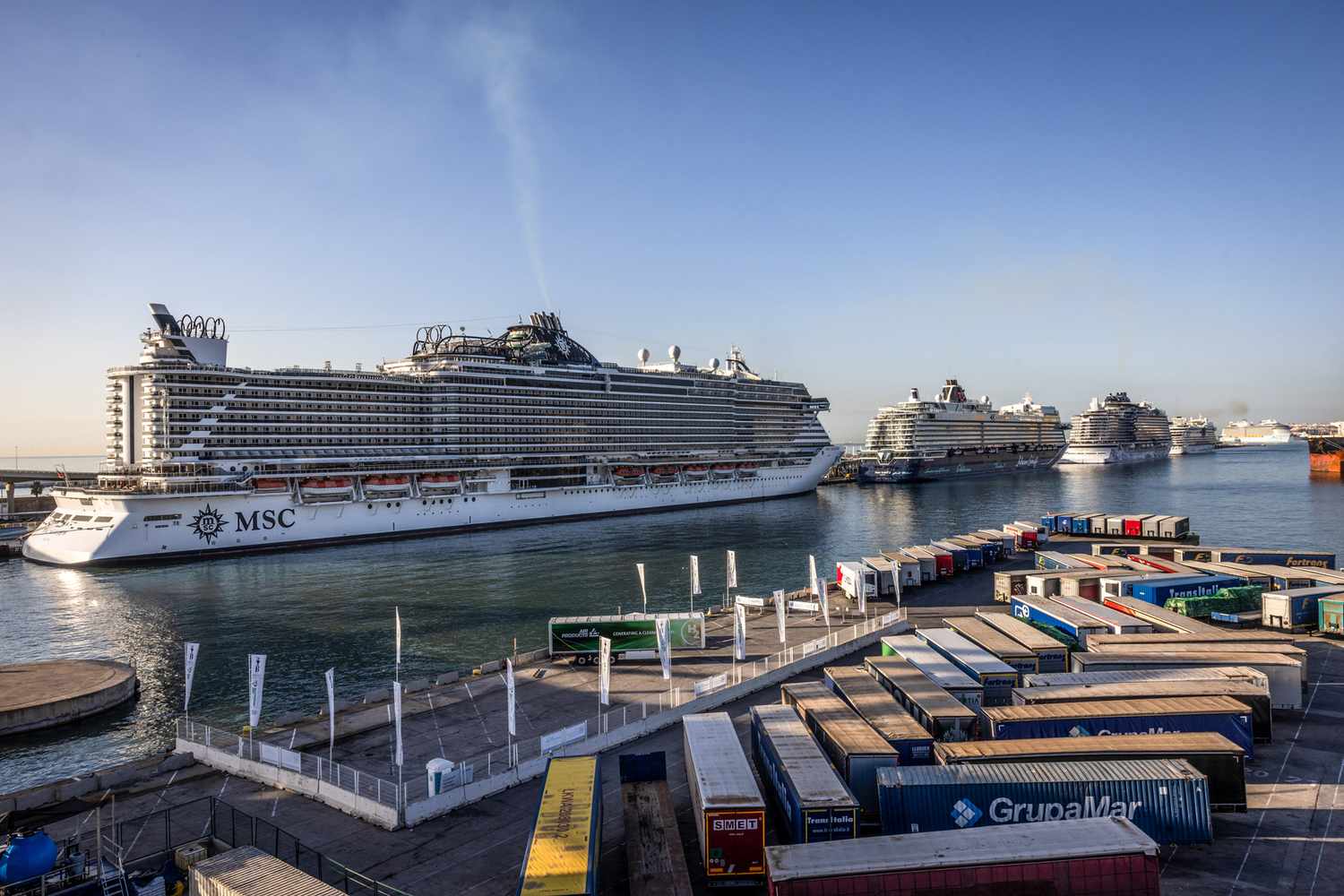
The overnight tax for passengers starting or ending their cruise in Barcelona would increase immediately from €4 to €8 per person per night. The move is the latest in a series of aggressive measures aimed at reshaping how tourism functions in the Catalan capital.
Timeline: How Barcelona's Cruise Crackdown Developed
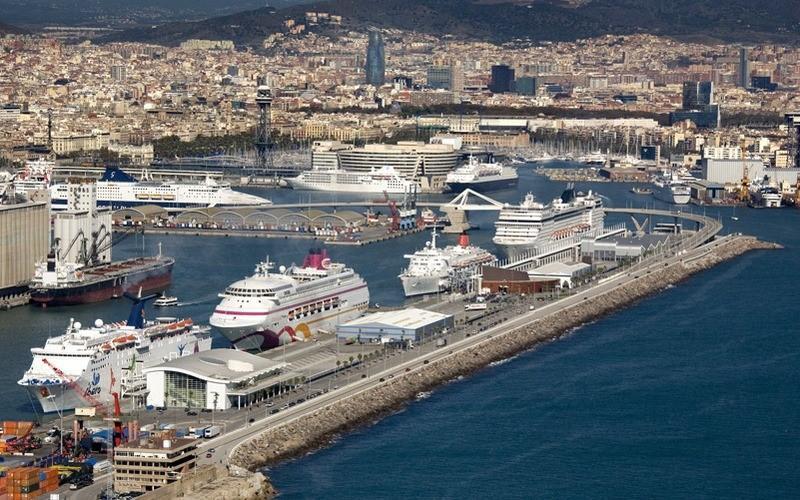
Barcelona's battle against overtourism has accelerated significantly over the past two years. The city council initially approved the cruise tax increase in July 2025 with a gradual four-year phase-in schedule. That same month, the city and port authority signed an agreement to reduce the number of cruise terminals on the Adossat wharf from seven to five, demolishing the three oldest terminals and replacing them with a single new public facility.
By October 2025, the city began implementing capacity limits. In March 2026, Barcelona nearly doubled its broader visitor taxes on hotels and holiday rentals, with hotel guests now paying between $10 and $17 per person per night and holiday rentals seeing taxes of approximately $14 per night. Now, in May 2026, Collboni is pushing to accelerate the cruise tax timeline dramatically.
"In the coming months, we will raise the tourist tax so that it comes into force in the next few months and not in four years as we had agreed," Collboni said.
Why Barcelona Is Targeting Cruise Passengers
The numbers tell the story. Barcelona handled close to 4 million cruise passengers in 2025, including approximately 1.7 million transit cruisers arriving on short port calls. These day-trippers, according to city officials, contribute less economically while placing significant strain on infrastructure and public spaces.
"We want quality tourism, which is why we are renewing the Fira de Barcelona. We are interested in business visitors," Collboni explained. "What we do not want is mass tourism — and that is why we will eliminate tourist apartments in 2028."
Barcelona is far from alone in pushing back against cruise tourism. Across Europe, destinations from Amsterdam to Venice, Dubrovnik to Santorini have implemented or announced similar restrictions. The Netherlands recently joined Italy, Spain, France, and Greece in striking back at cruise ship overcrowding, reflecting a continent-wide reassessment of cruise tourism's role in local economies.
Where Things Stand Now
The proposal still requires formal approval, though it has the backing of the mayor's office and aligns with the city council's previously stated goals. The tax increase is expected to be voted on in the coming weeks. If approved, the new €8 rate would take effect within months, not years.
In addition to the tax, Barcelona is moving ahead with its terminal reduction plan, which will lower maximum daily cruise capacity from 37,000 to 31,000 passengers — a 16% cut. The South Terminal (Terminal Sud) is set to close for cruise ships by the end of 2026, and the demolition of old Terminal C is scheduled for completion around the same time.
Collboni, who plans to run for re-election in May 2027, has framed the measures as essential for Barcelona's future. "My intention is to govern with a left-wing majority," he told El País. "I want to turn Barcelona into the grave of the far right."
What Happens Next: The Road Ahead for Cruise Travelers
For travelers planning Mediterranean cruises that include Barcelona as a port of call, several changes are on the horizon. The immediate impact will be financial: the doubled tax will add approximately $9.30 per person per day for stopovers. While this represents a relatively small portion of overall cruise costs, it signals Barcelona's intent to make short visits less attractive.
Looking further ahead, cruise lines may need to adjust itineraries if Barcelona continues to reduce capacity. With fewer terminals and a cap on daily passengers, peak-season calls could become harder to secure. Some lines may shift to alternative Mediterranean ports such as Tarragona or Valencia, or adjust schedules to include more overnight stays in Barcelona, which would exempt passengers from the short-stay tax structure.
Key Takeaways:
- Cruise passenger tax in Barcelona set to double from €4 to €8 per night
- Increase targets short-stay stopover passengers spending less than 12 hours in port
- Cruise terminals reduced from 7 to 5, cutting daily capacity to 31,000 passengers
- Long-term goal: eliminate transit cruise calls entirely
- Similar measures being adopted across European port cities
- New tax could take effect within months rather than over four years