
For football fans plotting a trip to Spain, few fixtures blend big-club glamour with an under-the-radar travel gem quite like Elche vs Barcelona. When the Catalan giants roll into the Estadio Martínez Valero, the palm-lined city of Elche (officially Elx) — a 15-kilometre hop from the Mediterranean on Spain's Costa Blanca — transforms into one of the country's most welcoming matchday destinations. Home to around 242,000 people, it is the third-largest city in the Valencian Community, yet it rarely appears on the standard tourist trail. That is precisely why savvy sports travellers are beginning to build entire weekends around this fixture.
The timing is ideal. Elche CF competes in La Liga for the 2025–26 season, meaning a home date with Barcelona is back on the calendar as one of the club's marquee occasions. For visitors, that pairing offers the rare chance to see a global superpower in an intimate, history-soaked stadium — and then step outside into a city blessed with two UNESCO listings, year-round sunshine, and the largest palm grove in Europe.
Matchday at Estadio Martínez Valero: A World Cup Venue With Local Soul
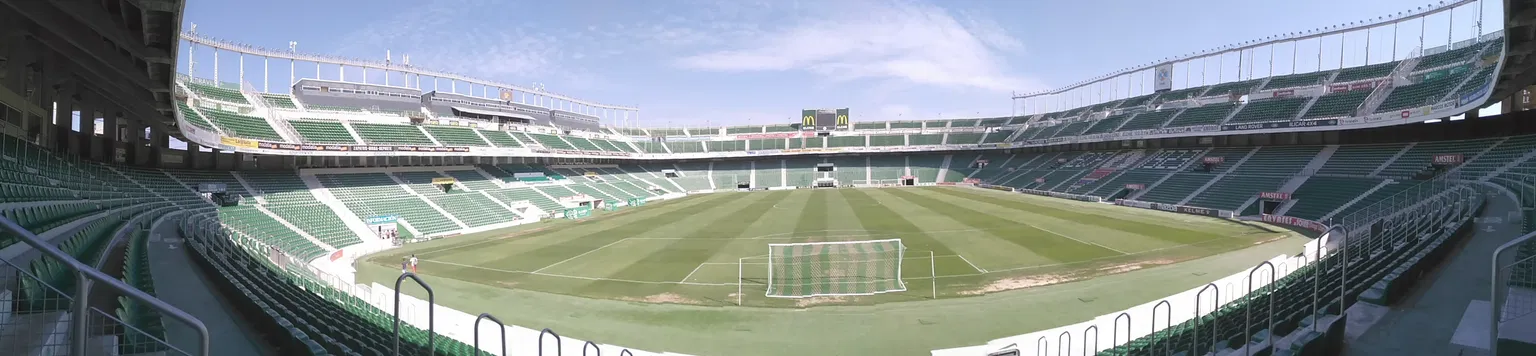
The beating heart of an Elche matchday is the Estadio Martínez Valero, home of Elche CF since its inauguration on 8 September 1976. Designed by architect Juan Boix Matarredona, the ground holds more than 31,000 spectators, making it the second-largest stadium in the Valencian Community and the 15th-largest in Spain — yet it keeps an old-school, close-to-the-pitch atmosphere that modern mega-arenas have long abandoned. Its inaugural match was a 3–3 draw against Mexico's national team.
This is a venue with serious football pedigree. It staged matches at the 1982 FIFA World Cup — including Hungary's 10–1 demolition of El Salvador, still the largest margin of victory in World Cup finals history — and hosted the 2003 Copa del Rey final. UEFA ranks it as a four-star Elite Stadium, and in the 2013–14 season it was named La Liga's best stadium by AFEPE, the body that unites Spanish supporters' clubs.
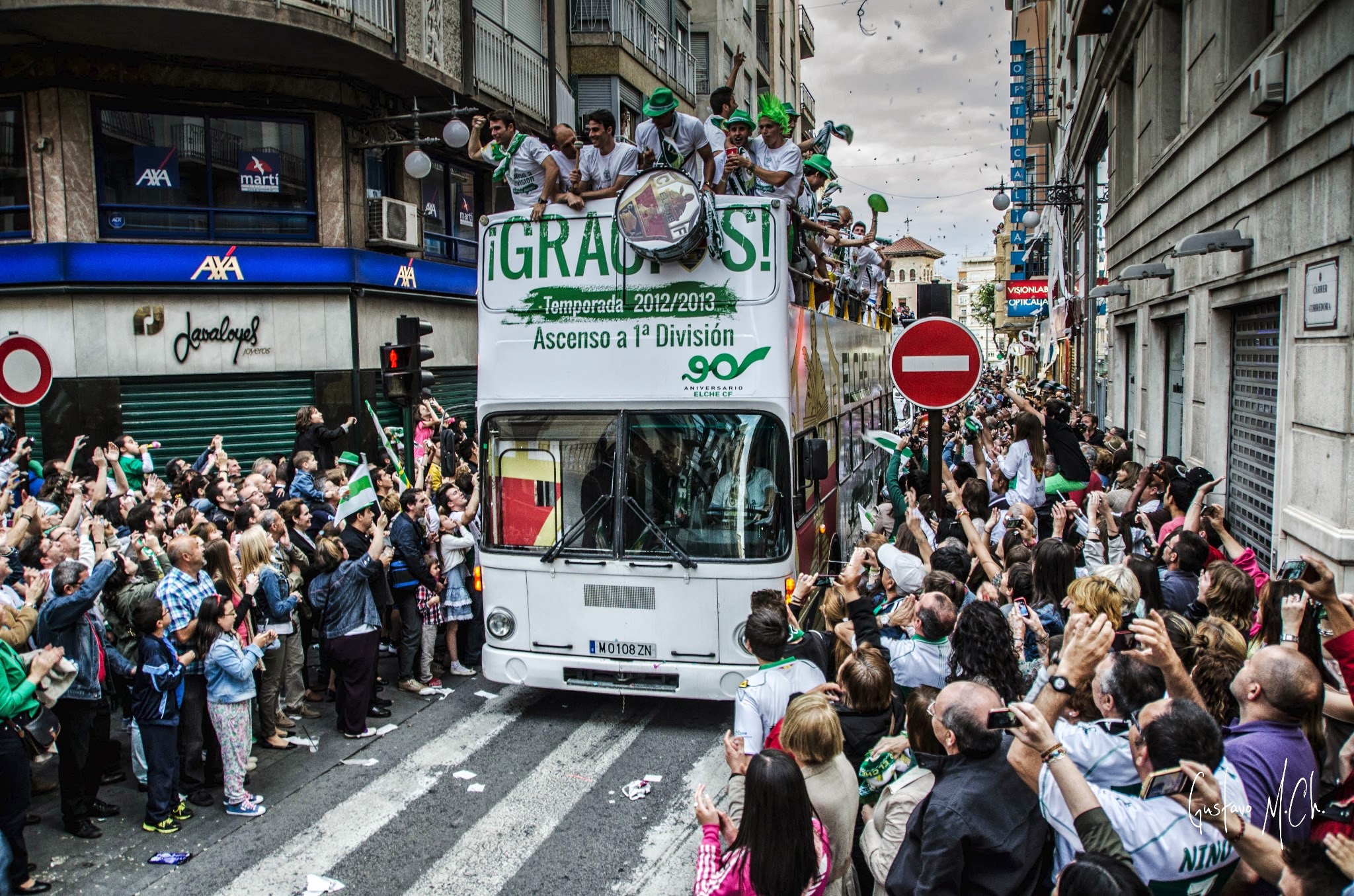
For the home support, welcoming Barcelona is a red-letter day. Elche CF, founded in 1923 after a merger of the town's clubs, has spent a century punching above its weight. The club reached La Liga for the first time in 1959 and recorded a best-ever fifth-place finish in 1963–64 — a campaign that included a famous 2–1 comeback victory over Barcelona. It also reached the Copa del Rey final in 1969. That history lends a genuine edge of romance to every meeting between the two sides, and the locals arrive expecting an upset.
How to Reach Elche and Secure Your Match Tickets
Elche is one of the easiest football cities in Spain to reach. Alicante–Elche Miguel Hernández Airport, the country's fifth-busiest, sits inside the city's own municipality, so low-cost flights from across Europe deposit you within a short bus or taxi transfer of the stadium and the historic centre. Alicante itself is roughly 20 minutes away by train or car, and the two cities form a conurbation of about 0.8 million people, making Elche a flexible base for a wider Costa Blanca itinerary.
On tickets, the golden rule for a Barcelona fixture is to plan early. Elche CF sells match tickets through its official channels, with away supporters allocated a dedicated section. Because demand spikes when the league's biggest clubs visit, purchasing through official membership or the earliest general-sale window is the most reliable route — and always buy through authorised sources to avoid inflated resale mark-ups. La Liga kick-off times are often confirmed only a few weeks in advance, so keep your travel plans flexible if you are flying in specifically for the game.
Beyond the Match: A City With Two UNESCO Treasures
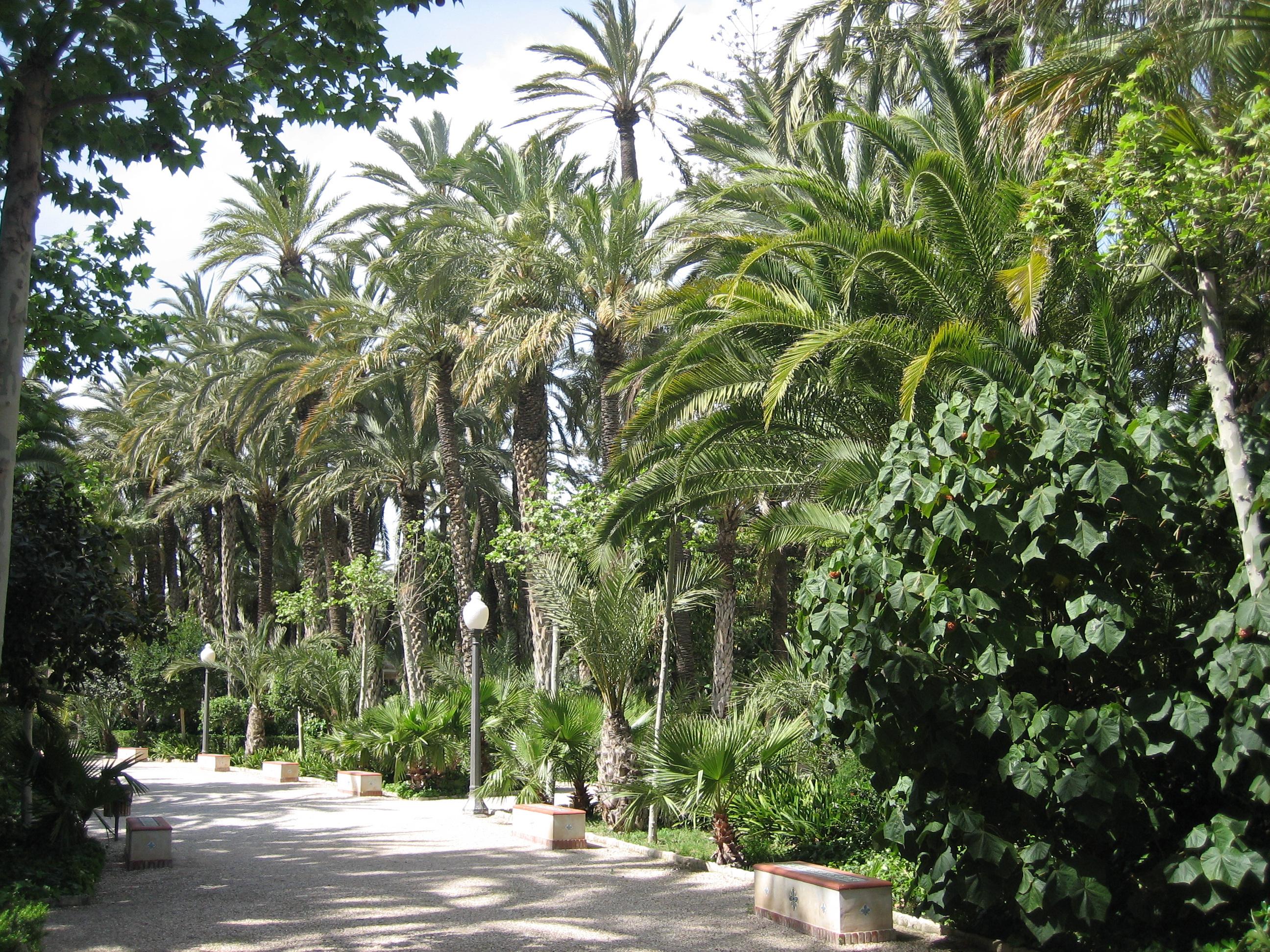
Elche richly rewards travellers who stay an extra day. The city's crown jewel is the Palmeral de Elche, a UNESCO World Heritage Site (designated in 2000) and the only palm grove in Europe with North African origins — the largest on the continent and one of the most northerly in the world. Around 70,000 date palms grow within the city itself, with roughly 200,000 across the wider area, forming an oasis-like landscape that has shaded Elche since the 10th century, when the Caliphate of Córdoba first planted the groves. Wander the Route of El Palmeral, visit the Huerto del Cura (the celebrated Priest's Garden), and, if your timing is right, catch the white-palm weaving tradition that still accompanies Palm Sunday.
The city holds a second UNESCO listing in the Misteri d'Elx, the Mystery Play of Elche — a medieval liturgical drama that reenacts the Dormition and Assumption of the Virgin Mary. Performed every 14 and 15 August inside the Basílica de Santa Maria, it was declared a Masterpiece of the Oral and Intangible Heritage of Humanity in 2001 and inscribed by UNESCO in 2008. It is one of Spain's most singular cultural events, staged largely in Valencian and financed by the city council rather than the church. If you can stretch a football weekend into a summer holiday, August delivers both the Misteri and pre-season football in a single visit.
Where to Stay, Eat, and Soak Up the Costa Blanca
Elche's compact historic centre — built around its medieval Islamic core of Madinat Ilš — is the natural base, with boutique guesthouses and family-run hotels within walking distance of the palm groves and tapas bars. The city's roots run deep: the archaeological site of La Alcudia, three kilometres from the modern centre, was the Roman colonia of Ilici and the region's ancient seat of power. History buffs can pair a matchday with a morning among those ruins.
Food-wise, this is rice and Mediterranean country. Expect generous arroces, seafood brought inland from nearby Santa Pola, and the region's famously sweet date harvest, gathered between November and December. Don't leave without a nod to Elche's other claim to fame: it is the footwear capital of Spain. A shoe-making heritage that began with 19th-century espadrilles has evolved into a genuine shopping side-trip, with leather footwear and sandals available at bargain prices. And if you want sand and sea, the municipality's coastal villages — El Altet and Arenales del Sol — put wide, dune-backed beaches within a 15-minute drive of the stadium.
Planning Your Trip: Climate, Timing, and Local Know-How
Elche enjoys one of Europe's sunniest climates, with between 2,900 and 3,000 hours of sunshine a year and a hot semi-arid profile that keeps winters mild and dry. Annual average temperatures sit above 18 °C, so even a January fixture rarely calls for more than a light jacket — though summer visitors between June and September should prepare for genuine heat. This makes a La Liga weekend here comfortable through most of the season, a real advantage over Spain's colder northern grounds.
A few practical notes for first-timers: Spanish is widely spoken, but Valencian is the co-official language, and locals will warm to a friendly "gràcies" or "gracias." The city is compact and walkable, public transport to Alicante and the coast is dependable, and matchday crowds are famously family-friendly and welcoming to visitors. Arrive early to stroll the palm groves before kick-off, and linger after the final whistle — the tapas bars fill up fast with home fans reliving every moment.
The Bottom Line: Key Takeaways for Your Elche Matchday Trip
- Elche vs Barcelona is a La Liga fixture at the Estadio Martínez Valero, a 31,000-plus capacity ground with World Cup and Copa del Rey pedigree.
- The city is easy to reach via Alicante–Elche Miguel Hernández Airport, one of Spain's busiest, located within the municipality.
- Buy tickets early through official Elche CF channels — a Barcelona visit is among the most in-demand games of the season.
- Stay an extra day to explore the Palmeral de Elche, Europe's largest palm grove, and, in August, the UNESCO-listed Misteri d'Elx.
- Enjoy a sunny Mediterranean climate, family-friendly matchday culture, and easy access to Costa Blanca beaches.