
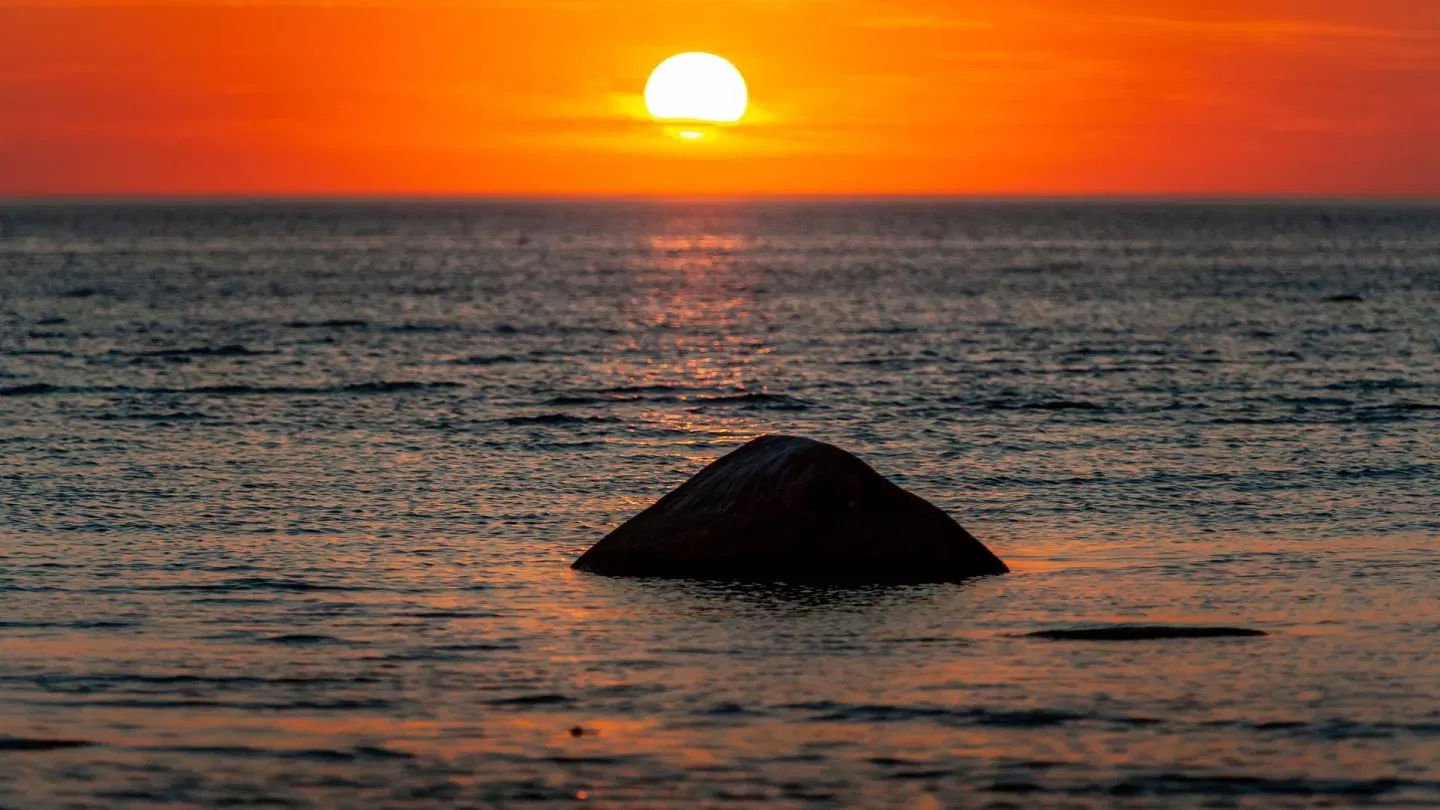
In a year when travelers are searching for authenticity, space, and digital‑friendly destinations, Estonia has emerged as the surprise star of 2025. This small Baltic nation is not only celebrating record tourism growth and a groundbreaking visa for remote workers—it has also been crowned Europe’s friendliest country. From the medieval charm of Tallinn to the silent beaches of its remote islands, Estonia is proving that the best travel discoveries are often the ones you least expect.
Why Estonia Is Europe's Friendliest Country for 2025
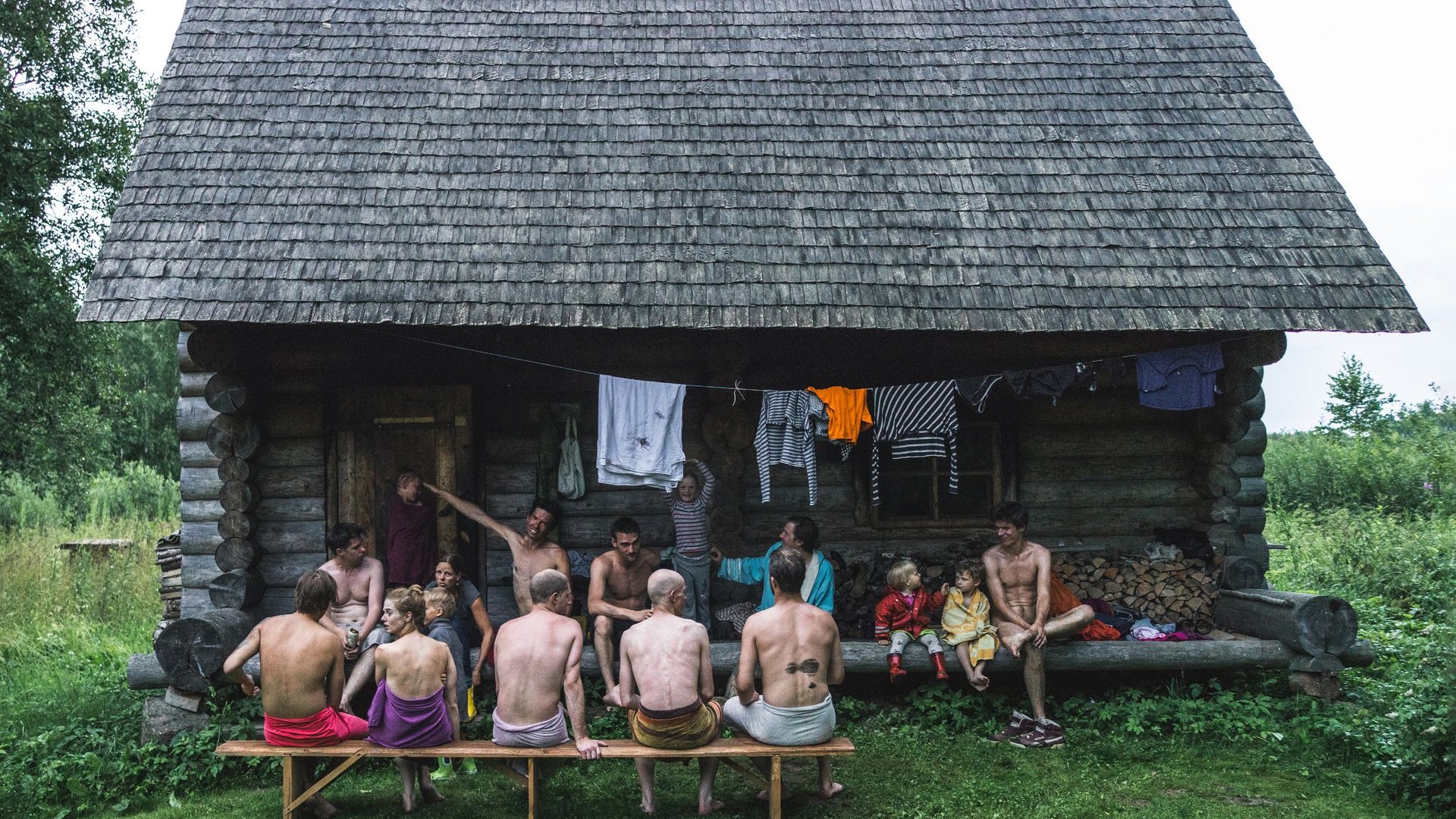
Readers of Condé Nast Traveller voted Estonia the friendliest country in Europe for 2025, a remarkable debut that underscores the warm, welcoming spirit visitors encounter nationwide. The accolade reflects not just polite interactions but a genuine openness that makes solo travelers, families, and digital nomads feel at home. Estonia’s high level of English proficiency, seamless digital infrastructure, and pride in sharing its unique culture—from traditional sauna rituals to vibrant folk festivals—create an environment where visitors quickly feel like locals.
The Digital Nomad Visa: Work Remotely from Estonia
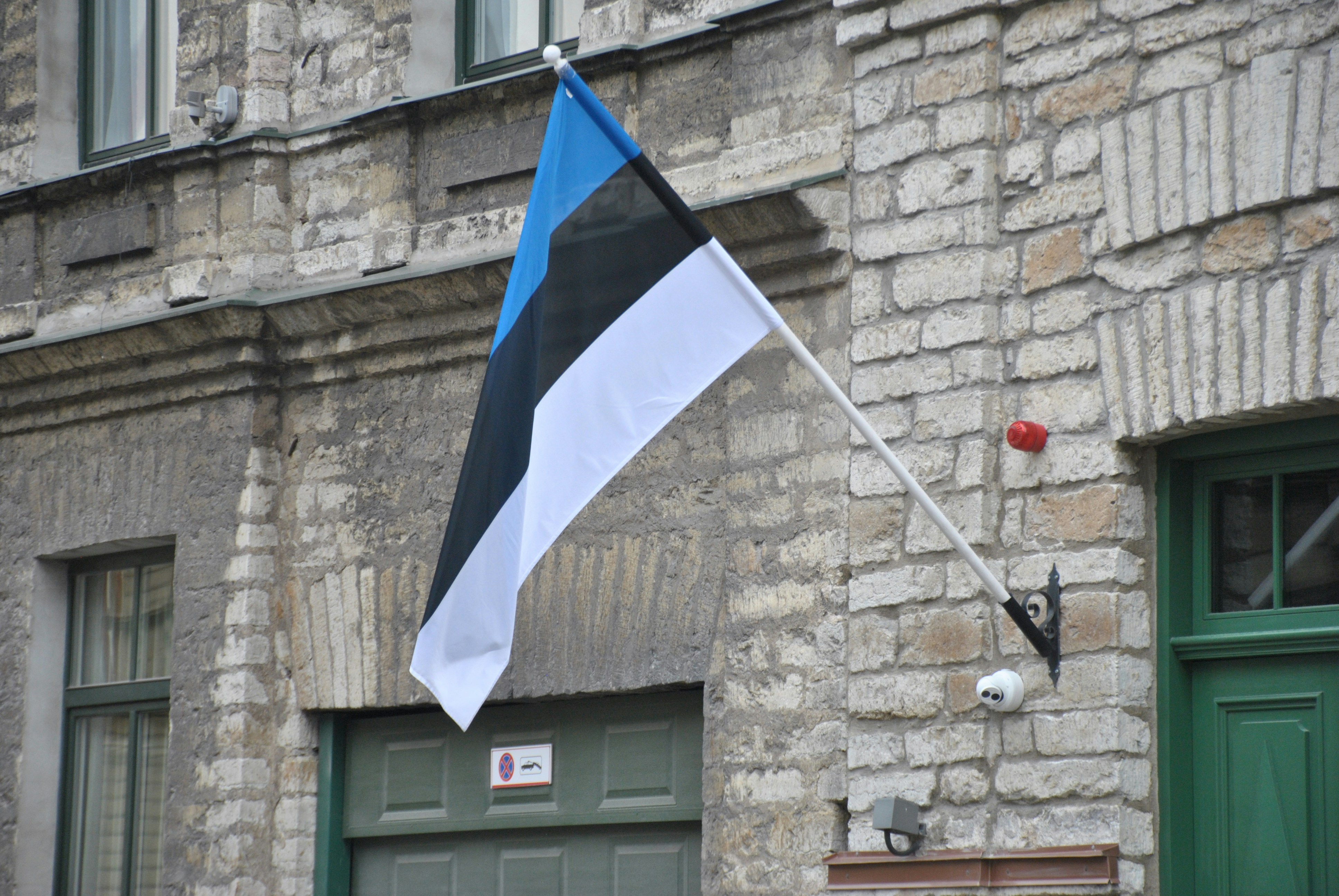
Estonia has quietly become one of Europe’s most forward‑thinking countries for remote workers, thanks to its Digital Nomad Visa. Introduced in 2020, the visa allows location‑independent professionals to live in Estonia for up to one year while continuing to work for employers or clients abroad. Applicants must demonstrate a minimum gross monthly income of about €4,500, proving they can support themselves without entering the local job market. The visa is a testament to Estonia’s reputation as a digital pioneer—its e‑residency program, nationwide free Wi‑Fi, and thriving startup scene make it a natural home for the remote‑work revolution.
Remote Islands: Europe's Best‑Kept Travel Secret
As overtourism strains classic European beach destinations, Estonia’s remote islands are emerging as pristine, crowd‑free alternatives. Islands like Ruhnu, Vormsi, and Kihnu offer kilometers of empty sandy beaches, ancient wooden churches, and unique cultural traditions. Ruhnu, part of UNESCO’s “Man and Biosphere” programme, is famous for its “singing sands” and a historic lighthouse designed by French engineers. On Kihnu, a matriarchal society preserves vibrant handicrafts and folk music recognized by UNESCO. These islands provide the solitude and connection to nature that modern travelers crave, accessible by small plane or ferry from the mainland.
Tourism Growth: Record Numbers in 2025
Estonia’s tourism sector is enjoying a sustained upswing, driven largely by international visitors. According to the Ministry of Economic Affairs and Communications, the first 11 months of 2025 saw 6.17 million overnight stays in accommodation establishments—a 0.6% increase over the same period in 2024. Foreign tourists accounted for 3.48 million of those nights, a rise of 3.1%. While traditional markets like Finland remain important, growth from more distant sources—including the United Kingdom, the United States, and Asia—signals Estonia’s expanding global appeal. Tallinn, the capital, recorded 3.11 million overnight stays through November, up 3.3% year‑on‑year.
Nature and Hiking: Explore Estonia's Wild Side
Beyond its cities and islands, Estonia is a paradise for nature lovers. More than half of the country is covered by forests, and it boasts five national parks with well‑marked hiking trails. The Viru Bog Trail in Lahemaa National Park, just an hour from Tallinn, offers an easy boardwalk loop through a mystical landscape of peat moss and dwarf pines. For a more challenging adventure, the Oandu–Ikla hiking route stretches 370 km along the Baltic coast. Birdwatchers flock to the Matsalu Nature Reserve, one of Europe’s most important waterfowl nesting areas. Whether you’re seeking a gentle forest walk or a multi‑day trek, Estonia’s wilderness is accessible, safe, and stunningly beautiful.
Planning Your Trip: Practical Tips for 2025
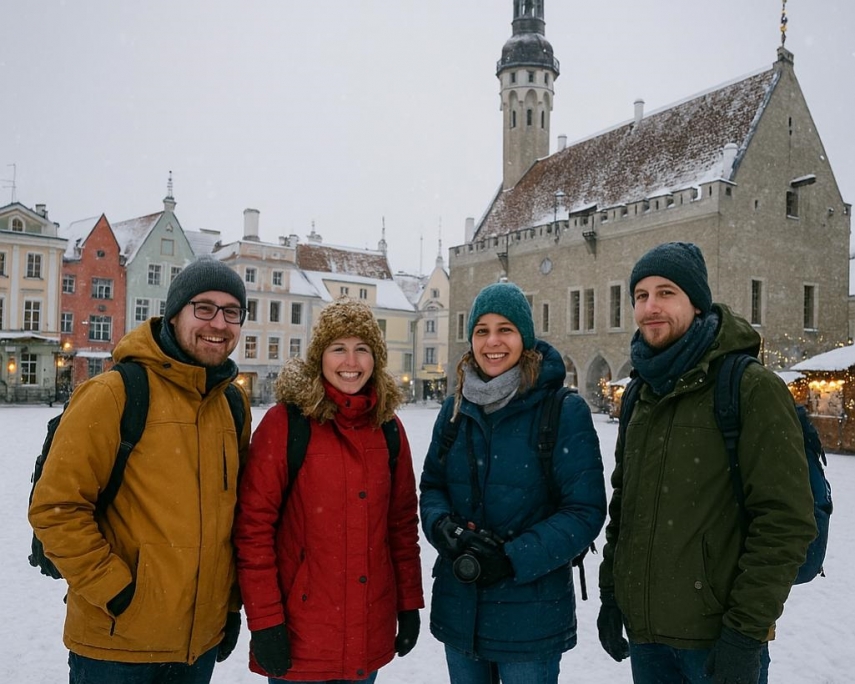
Estonia is compact and easy to navigate. Tallinn’s international airport connects to major European hubs, and an efficient bus network links cities and towns. Accommodation ranges from boutique hotels in historic buildings to rustic farm stays and modern glamping sites on the islands. The currency is the Euro, and credit cards are widely accepted. English is spoken fluently by most people in tourism and urban areas. For the best weather, visit between May and September, though winter offers a magical snowy landscape and Christmas markets. Remember to pack layers—Estonian weather can change quickly—and don’t forget a swimsuit for the ubiquitous saunas.
Why Estonia Should Be Your Next Destination
Estonia’s rise as a 2025 travel trend is no accident. It combines the warmth of a newly crowned “friendliest country” with the practicality of a digital‑first society. It offers both the buzz of a innovative capital and the silence of remote islands. Its tourism infrastructure is growing yet remains uncrowded, and its nature is pristine and accessible. Whether you’re a remote worker looking for a year‑long base, a family seeking a safe and engaging holiday, or a solo traveler in search of solitude and authenticity, Estonia delivers on every front. This Baltic gem is ready for its moment—and your visit.