
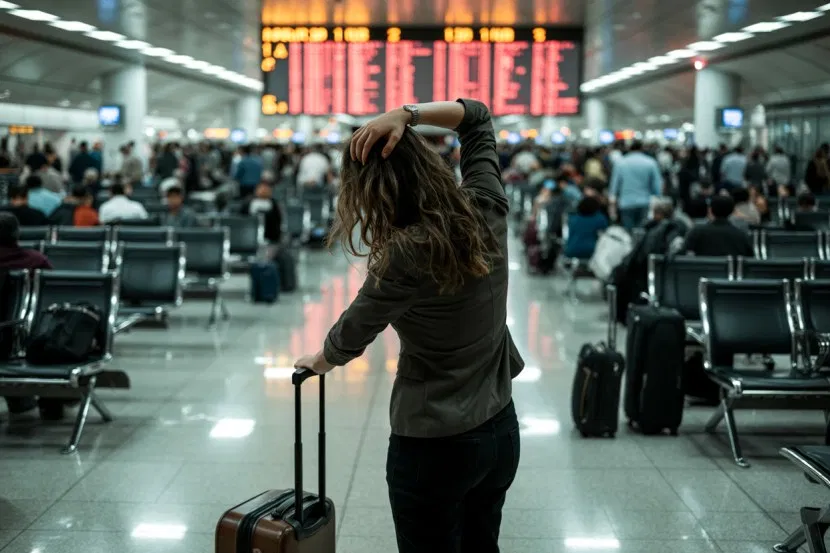
Air travel is facing unprecedented disruption on both sides of the Atlantic, with thousands of passengers stranded as winter storms batter US airports and a looming jet fuel crisis threatens to ground European flights this summer. The International Energy Agency warns Europe has 'maybe six weeks of jet fuel left' while airlines like Aer Lingus cancel over 500 flights due to mandatory maintenance - creating a perfect storm of travel chaos during what should be the busy spring travel season.
How the Dual Travel Crisis Is Unfolding Across Continents
The travel disruption story has two distinct but equally devastating chapters unfolding simultaneously. In Europe, the International Energy Agency's executive director Fatih Birol delivered the stark warning that has aviation experts deeply concerned: "We have maybe six weeks or so of jet fuel left" if supplies from the Gulf remain blocked. This shortage stems from the Iran war closing the Strait of Hormuz, which has crippled 30% of Europe's jet fuel imports according to industry analysts.
Meanwhile, across the Atlantic, US travelers are grappling with a more immediate weather-related crisis. Winter storms sweeping across the East Coast and Midwest have caused over 4,400 flight delays and cancellations, with airlines preemptively cancelling hundreds more flights as severe weather continues. The dual crises represent what aviation analyst Mark Smith calls "the most challenging operational environment for airlines since the pandemic shutdowns."
From 139 Cancellations to 500+: The Escalating European Situation
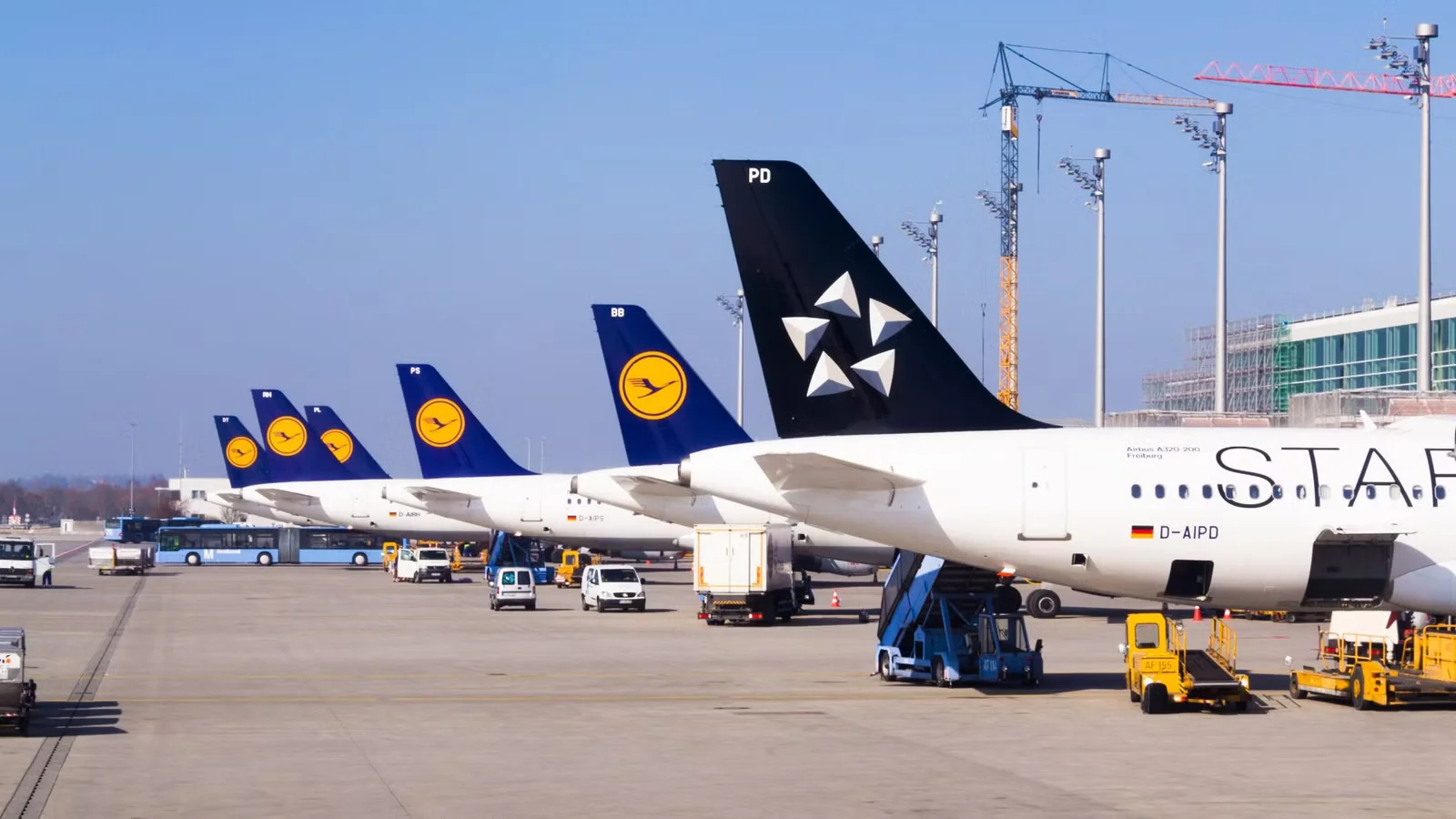
The numbers tell a sobering story of growing disruption. European airlines cancelled 139 flights and delayed 1,251 flights in a single day across major hubs including London Heathrow, Paris Charles de Gaulle, Frankfurt, Amsterdam Schiphol, and Rome Fiumicino. The affected carriers read like a who's who of European aviation: British Airways, Lufthansa, Air France, KLM, and multiple smaller operators.
But the most dramatic development came from Irish carrier Aer Lingus, which announced it would cancel more than 500 flights over the coming weeks due to mandatory maintenance requirements. The cuts affect routes from Dublin to European cities including Amsterdam, Berlin, Athens, and Faro, as well as UK destinations like Heathrow, Manchester, and Edinburgh. "Thousands of passengers who were set to fly over the next few weeks may find their plans disrupted," warned travel analyst Sarah Chen.
Timeline: How the 2026 Travel Crisis Developed
The current travel disruption has been building for months, with key milestones creating the perfect storm. In January 2026, winter storms began snaring US travel, forcing mass cancellations that saw about 5,220 flights cancelled and 6,500 delayed according to FlightAware data. By February, the situation intensified with Winter Storm Stella tracking across the East Coast, prompting airlines to preemptively cancel more than 725 flights for Monday and another 815 for Tuesday.
Meanwhile in Europe, the geopolitical situation was quietly creating a fuel crisis. The Iran war's impact on the Strait of Hormuz became apparent in March, with the International Air Transport Association warning that Europe could face flight cancellations by the end of May due to jet fuel shortages. By April, the EU was scrambling to secure fuel from the US and Nigeria, but with only 42 days of supply left according to some estimates, time is running out.
Why This Travel Crisis Matters Beyond Delayed Flights
The implications of this dual crisis extend far beyond inconvenience for holidaymakers. Aviation economist Dr. Robert Miller explains: "When Europe faces fuel shortages and the US faces operational disruptions simultaneously, we're looking at potential long-term impacts on airline profitability, route networks, and ultimately ticket prices. This could reshape the aviation landscape for years to come."
For travelers, the practical consequences are already being felt. Those flying on affected Aer Lingus routes are being offered rebooking options or refunds, but with limited alternatives during peak travel periods. European business travel is particularly impacted, with corporate travel managers reporting difficulty securing reliable connections between major financial centers.
The fuel crisis also raises environmental concerns. "Ironically, the push for sustainable aviation fuel was already challenging," notes energy analyst Maria Rodriguez. "Now with traditional jet fuel supplies threatened, the transition becomes even more complex, potentially slowing environmental progress in the industry."
Where Things Stand Now: Latest Updates on Travel Disruptions
As of today, airlines are implementing various strategies to manage the crisis. European carriers are reportedly prioritizing long-haul flights over short-haul routes, recognizing that fuel shortages will first impact regional services. KLM Royal Dutch Airlines has announced it will cancel 160 European flights next month, citing rising fuel costs rather than supply shortages.
In the US, airlines have issued waivers for travelers affected by winter storms, allowing rebooking without change fees. However, the sheer scale of disruptions means many passengers are facing multi-day delays. FlightAware data shows cancellation rates at major East Coast airports running at 15-20%, with delays averaging 2-3 hours for surviving flights.
Regulators are stepping in as well. The EU is considering releasing strategic jet fuel stocks if the Hormuz disruption persists, while the US Federal Aviation Administration has implemented ground stops at affected airports to manage traffic flow during storms.
What Happens Next: The Road Ahead for Summer Travel
The coming weeks will be critical for determining whether summer travel plans can proceed normally. Aviation experts are watching several key indicators: Middle East geopolitical developments that could reopen fuel routes, European success in securing alternative fuel supplies, and North American weather patterns as winter transitions to spring.
Travel industry professionals are already advising passengers to build flexibility into their plans. "Book refundable fares where possible, consider travel insurance that covers cancellations due to operational issues, and have backup plans for critical travel," recommends travel advisor James Wilson. "The airlines will do their best, but these are extraordinary circumstances."
For those already holding summer bookings, the advice is to wait rather than make panic changes. Most airlines haven't yet announced widespread summer cancellations, and the situation may improve if diplomatic efforts succeed in reopening fuel supply routes. However, travelers to Europe should monitor their airline communications closely in May, as that's when fuel-related cancellations are most likely to be announced if supplies don't improve.
The Bottom Line: Key Points for Travelers to Remember
First, understand your rights: EU Regulation 261/2004 and similar protections require airlines to provide compensation, refunds, or rebooking when flights are cancelled due to operational issues (though fuel shortages may be considered 'extraordinary circumstances'). Second, stay informed: monitor airline apps and official communications rather than relying on airport displays alone. Third, build in buffers: add extra connection time and consider flying a day early for critical events. Finally, document everything: keep records of cancellations, delays, and expenses as you may be entitled to compensation.
The current travel disruption serves as a reminder that global aviation operates as an interconnected system. Weather in Chicago affects connections in Frankfurt, and fuel politics in the Middle East impacts holiday plans in Manchester. For now, patience, flexibility, and preparation are the best tools travelers have as the industry navigates these turbulent skies.