
Germany has officially cemented its status as one of the world's top travel destinations, with the country's tourism sector shattering every major performance record in 2025. According to the latest Economic Impact Research (EIR) from the World Travel & Tourism Council (WTTC), Germany is on track for a historic year that positions it as a global leader in travel recovery and reinvention.
International visitor spending is forecast to hit an unprecedented €57 billion this year — the highest inbound spend ever recorded in the country. Meanwhile, the total sector contribution to Germany's GDP is projected to reach an all-time high of €499 billion, equivalent to 11.6% of the national economy. Tourism now supports approximately 6.5 million jobs across the country, accounting for 14% of total employment.
How Germany's Tourism Boom Unfolded: Record Numbers Across the Board
WTTC's data reveals a remarkable recovery story. Domestic visitor spending is expected to exceed all previous benchmarks, reaching €425 billion in 2025. These figures aren't just about recovery — they represent genuine growth beyond pre-pandemic levels, driven by a combination of strategic government support, investment in sustainable tourism, and Germany's enduring appeal as a travel destination.
"This is a landmark year for Travel & Tourism in Germany," said Julia Simpson, WTTC President & CEO. "To break records across every major measure — international and domestic spend, GDP contribution, and jobs — is a stunning achievement. It shows a sector not just recovering, but roaring back to life."
The 2024 numbers already hinted at this trajectory, with Travel & Tourism contributing €484 billion to the German economy and supporting 6.1 million jobs. Domestic visitor spending reached €422.3 billion last year while international spending totaled €45.1 billion. The 2025 projections show that those gains have paved the way for an even more impressive year ahead.
Timeline: The Road to Germany's Tourism Resurgence
2024: Germany's tourism sector showed strong post-pandemic recovery, contributing €484 billion to the economy. International arrivals reached 94.8% of 2019 levels, according to the German National Tourist Board.
Summer 2025: Data from the Federal Statistical Office analyzed by the Berlin School of Business and Innovation (BSBI) showed tourist arrivals rose by 1.73% year-on-year during the June to September period, with overnight stays also trending upward.
July 21, 2025: WTTC releases its landmark report projecting that every major tourism performance indicator will reach new all-time highs in 2025.
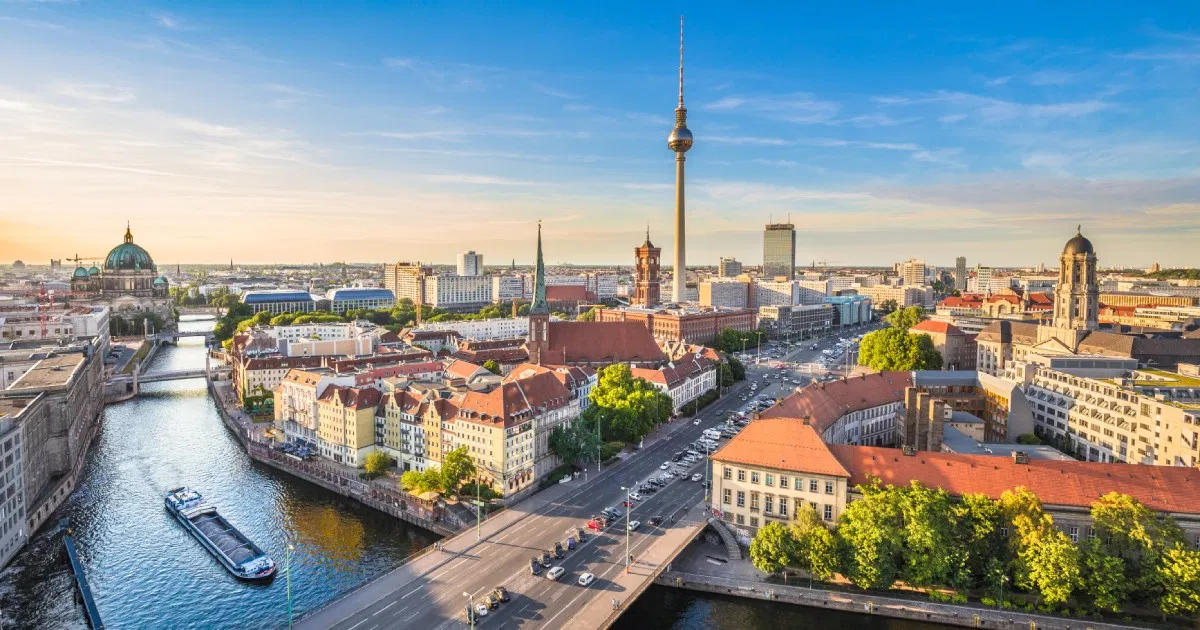
2025 Current: Berlin alone recorded 17.34 million overnight stays from 7.9 million guests, maintaining its position as a leading European capital destination. Germany remains the most important source market for Berlin tourism.
Looking to 2035: WTTC forecasts the sector will contribute €579 billion to the economy (12.1% of GDP) and support 7.6 million jobs, with international visitor spending surging to €74 billion.
Why Germany's Tourism Boom Matters: Expert Analysis and Impact
Germany's success story is notable not just for the numbers, but for how it was achieved. By placing tourism within the Federal Ministry for Economic Affairs and Energy, the German government has encouraged both industry leaders and policymakers to focus on sustainable growth. Crucially, this emphasis on sustainability hasn't hindered economic expansion — Germany's model proves the two can go hand in hand.
The EU Tourism Platform highlighted Germany's "remarkable tourism resurgence" as a benchmark case for European tourism in 2025, noting the country's "rich historical and cultural landscapes" as major draws for travelers worldwide. From cultural city breaks and outdoor adventures to wellness retreats and world-class events, Germany's diverse appeal is helping re-establish the country as a top-tier global destination.
For travelers, this boom means more options, better infrastructure, and enhanced experiences. Germany's major cities — Berlin, Munich, Hamburg, and Frankfurt — continue to invest in tourism facilities, while lesser-known destinations in the Black Forest, Bavarian Alps, and along the Romantic Road are seeing increased attention and development.
Where Things Stand Now: Latest on Germany's Tourism Boom
Current data shows the momentum continuing through summer 2025. The German travel market is in excellent shape for the 2025 summer season, with demand for holiday travel bigger than ever. Air traffic has continued its strong recovery, with 211.6 million passengers recorded in 2024, approaching pre-pandemic levels.
The EU as a whole recorded nearly 3.1 billion nights spent in tourist accommodation in 2025 — another record year — and Germany has been a key driver of this growth. International tourist arrivals across Europe reached 793 million in 2025, a 4% increase from 2024, with Germany capturing a significant share of the market.
What Happens Next: The Road Ahead for Germany Travel
The future looks exceptionally bright for Germany's tourism sector. WTTC forecasts that by 2035, international visitor spending will surge to €74 billion while domestic spending will top €480 billion. To unlock this potential, the sector will need to remain focused on innovation, sustainability, and strengthening global competitiveness.
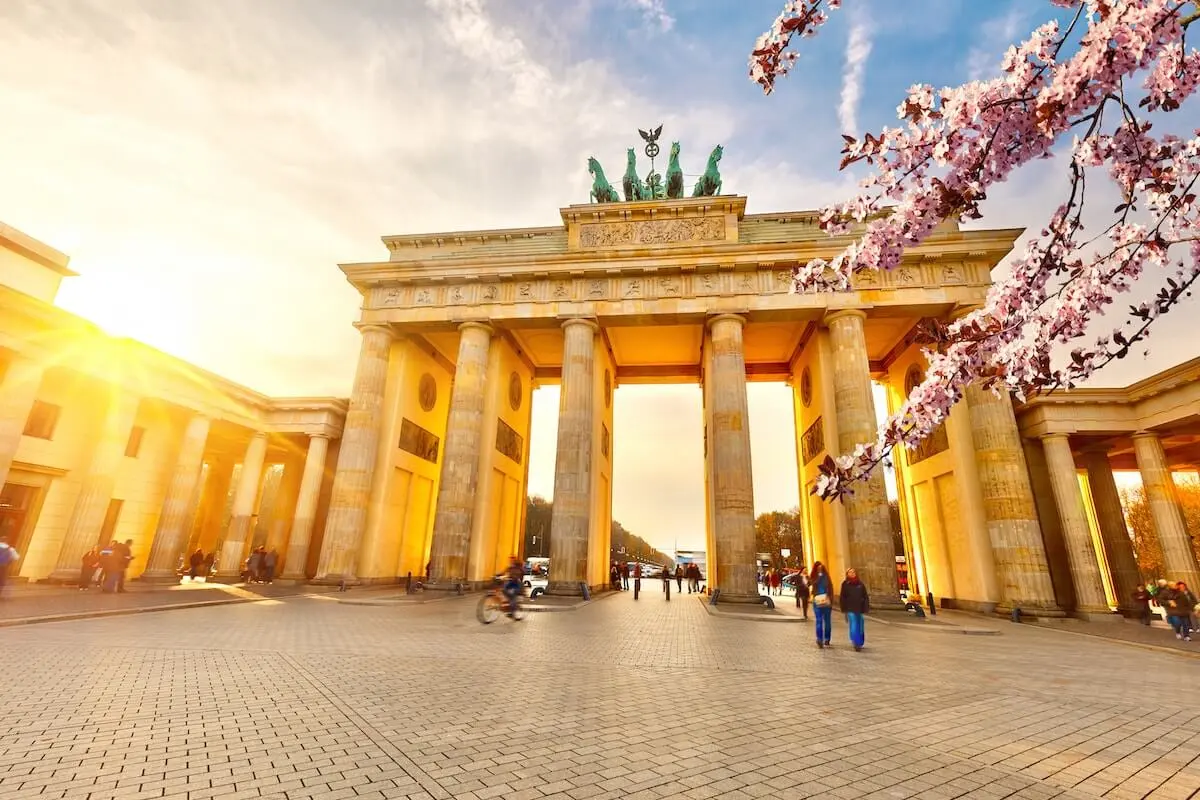
For travelers planning a visit, there's never been a better time. Germany offers unparalleled diversity — from the historic Brandenburg Gate and Berlin's vibrant arts scene to the fairy-tale Neuschwanstein Castle and the pristine hiking trails of the Black Forest. With record investments flowing into tourism infrastructure and experiences, visitors can expect world-class services across the board.
The Bottom Line: Key Points to Remember
- Germany's tourism sector is on track for its most successful year ever in 2025, with €499 billion contribution to GDP
- International visitors are spending a record €57 billion, while domestic spending hits €425 billion
- The sector supports 6.5 million jobs — 14% of all employment in Germany
- Berlin leads with 17.34 million overnight stays in 2025
- Germany proves that sustainable tourism and economic growth can go hand in hand
- By 2035, the sector is projected to contribute €579 billion and support 7.6 million jobs
Whether you're planning a city break in Berlin, a hike through the Black Forest, or a castle tour through Bavaria, Germany's record-breaking tourism year means more options, better experiences, and a travel infrastructure at the top of its game.