
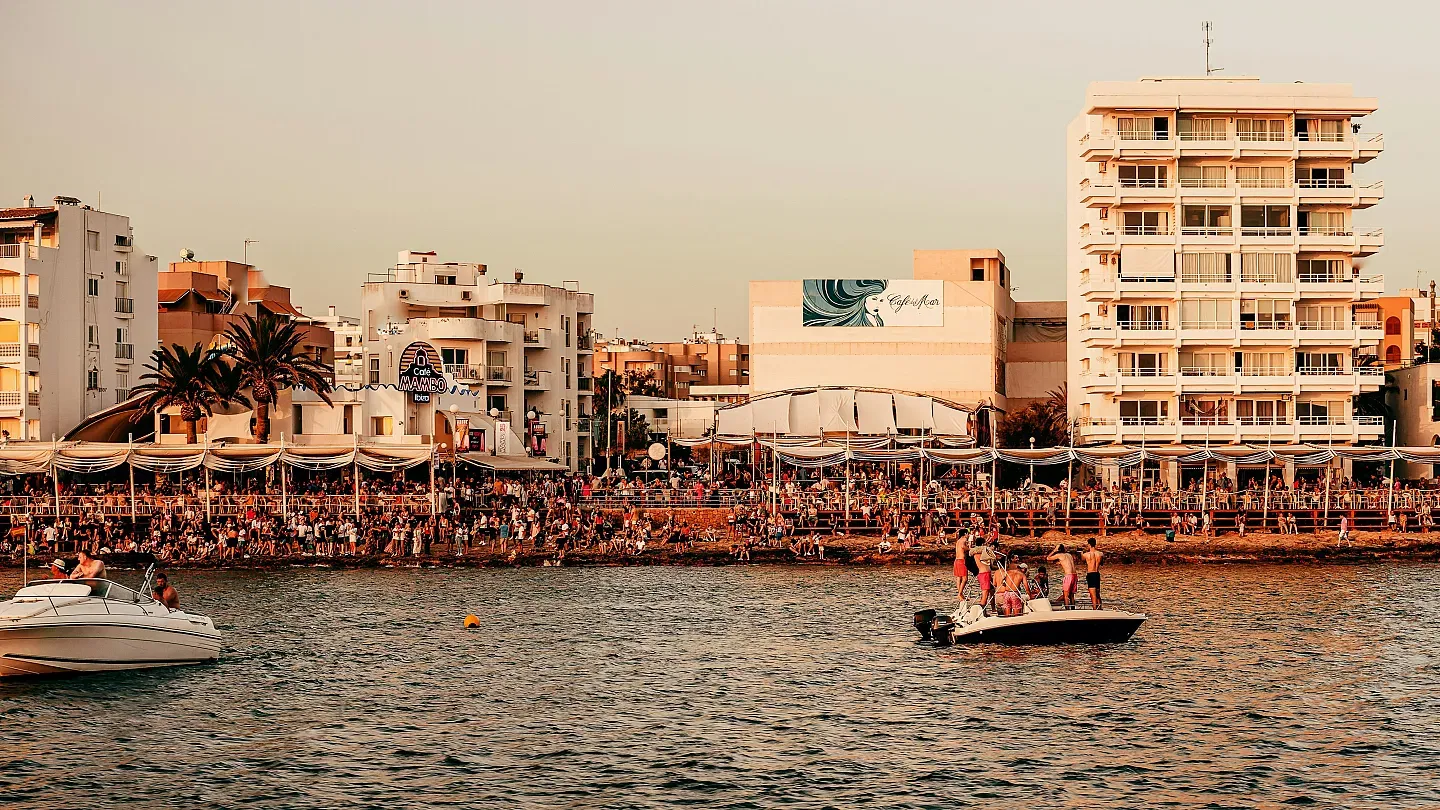
The iconic Spanish island of Ibiza, long celebrated as Europe's premier party destination, is undergoing a dramatic transformation as local authorities implement sweeping new regulations to combat overtourism. With proposals to cap visitor numbers, strict alcohol bans, and potential tourist tax increases reaching €15 per day, travelers planning a 2026 trip to the Balearic Islands need to be prepared for significant changes. The radical measures come in response to growing local frustration with 'sun, sex, and sangria' tourism that has strained infrastructure, driven up living costs, and transformed the island's character.
How Tourist Limits Could Reshape Ibiza Travel
The Balearic Islands government is considering implementing strict annual tourist caps that could fundamentally change how visitors experience Ibiza and neighboring Majorca. According to proposals from the Partit Socialista de les Illes Balears (PSOE), the islands would limit annual visitors to approximately 17.8 million - roughly equivalent to 2023 numbers but significantly below the 18.7 million recorded in 2024. This represents a major shift in tourism policy for a region where tourism accounts for over 45% of GDP.
The proposed limits come as local residents increasingly voice concerns about overtourism's impact on their quality of life. 'Year after year news has appeared related to uncivil behaviour by young tourists that has caused deep concern among the rest of the citizens, in the hotel sector and in the administrations involved,' states the official decree. If implemented, the caps could mean travelers need to plan further in advance and potentially face higher costs during peak seasons.
Beyond visitor numbers, authorities are also proposing daily limits on vehicles entering the island during summer months, potentially capped at 18,918 vehicles per day. These transportation restrictions aim to reduce congestion on Ibiza's narrow roads and address environmental concerns. For tourists, this could mean needing to rely more on public transportation or pre-booked transfers rather than rental cars during peak season.
From Party Island to Regulated Destination: Ibiza's Transformation
The current regulatory push represents the latest chapter in Ibiza's ongoing evolution. The island first gained international fame in the 1960s as a hippie haven before transforming into a global clubbing mecca in the 1990s and 2000s. The initial regulatory measures began in 2020 with restrictions on happy hours, pub crawls, and two-for-one drink promotions. These were followed by the 2024 alcohol bans that prohibit overnight alcohol sales in shops and restrict party boat operations.
February 2026 marks a potential turning point with the parliamentary proposal for hard tourist caps. This timeline shows how quickly tourism management has become a priority: from initial concern about 'excess tourism' in 2020 to concrete proposals for visitor limits just six years later. The Balearic government has even revised the terminology in official documents, changing from 'excess tourism' to 'responsible tourism' to acknowledge tourism's economic importance while addressing its negative impacts.
The regulations specifically target areas that have become symbols of excessive tourism, including Sant Antoni in Ibiza and Magaluf in Majorca. These zones have seen particularly disruptive behavior from tourists, leading to serious injuries and even deaths largely attributed to excess alcohol consumption. The new measures include a €16 million funding package for security, inspections, and advertising campaigns promoting responsible tourism behavior.
Why Ibiza is Cracking Down on Tourism Now
The urgency behind Ibiza's regulatory push stems from multiple converging factors. First, visitor numbers have surged beyond sustainable levels, with 2024 seeing 18.7 million tourists - significantly above the proposed 17.8 million cap. This influx has strained local infrastructure, driven up housing costs for residents, and created tension between tourists and locals. Second, the character of tourism has shifted, with increasing reports of disruptive behavior that damages the island's reputation and quality of life for residents.

Economically, while tourism represents nearly half of the Balearic Islands' GDP, the current model has created dependency while failing to distribute benefits equitably. Local businesses outside the tourism sector struggle with inflated costs, and residents face housing affordability crises as properties convert to holiday rentals. The proposed tourist tax increase to €15 per day during peak season aims to generate revenue for infrastructure and environmental protection while potentially discouraging some budget travelers.
Environmental concerns also play a significant role. Ibiza's delicate ecosystem faces pressure from water consumption, waste generation, and coastal development. The party boat restrictions within one nautical mile of shore specifically address marine environmental concerns while reducing noise pollution for coastal residents. These environmental considerations align with broader European trends toward sustainable tourism.
Where Things Stand: Latest Updates on Ibiza Regulations
As of February 2026, several key regulations are already in effect while others remain under consideration. The alcohol bans prohibiting sales in shops between 9:30pm and 8am in Sant Antoni (Ibiza) and several Majorca resorts are currently enforced, with fines ranging from €500 to €1,500 for violations. Party boats cannot operate within one nautical mile of designated coastal areas or pick up/drop off passengers in restricted zones.
The proposed tourist number caps will be presented to parliament on February 17, 2026, beginning what could be a lengthy legislative process. If approved, implementation would likely occur in phases. Meanwhile, discussions continue about increasing the Balearic Islands' Sustainable Tourism Tax, with proposals suggesting €15 per person per day during July and August - a significant jump from the current maximum of €4.
Anti-tourism protests are anticipated for summer 2026, continuing a pattern seen across Spain in recent years. These demonstrations reflect growing local frustration and could influence both policy decisions and the tourism experience. Travelers should monitor local news and be respectful of community concerns during their visits.
Planning Your 2026 Ibiza Trip: What to Expect
For travelers considering an Ibiza vacation in 2026, several practical considerations emerge from the new regulatory landscape. First, timing your visit becomes even more important. The shoulder seasons of May-June and September-October offer ideal conditions with warm temperatures (22-28°C) and fewer crowds. Early May marks the official start of the summer season when most hotels reopen, providing good availability and lower prices than peak summer.
Accommodation planning requires extra attention due to restrictions on holiday rentals. Ibiza saw a nearly 50% drop in short-term tourist lets in 2025 as Spain cracks down on overtourism, meaning traditional hotels and licensed accommodations may offer more reliable options. Booking further in advance becomes crucial, especially if tourist caps are implemented.
Understanding the new rules is essential to avoid fines. Public drinking is prohibited in tourist hotspots (except licensed terraces), with fines reaching €3,000 for disruptive behavior. Alcohol purchases from shops are banned overnight in specified areas. Party boat operators must maintain distance from shore, potentially changing the traditional boating experience.
Discovering Ibiza Beyond the Nightlife
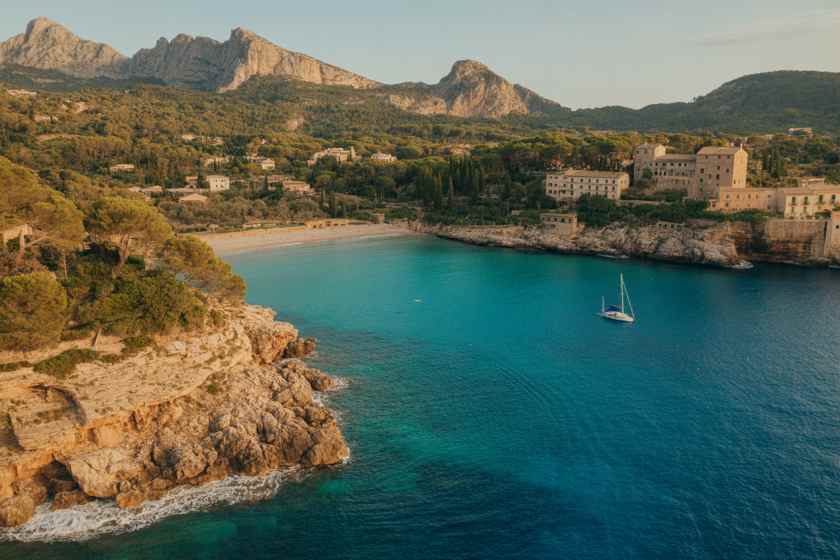
While regulatory changes dominate headlines, they also create opportunities to experience Ibiza's less-explored dimensions. The island offers stunning natural beauty, with family-friendly beaches like Portinatx featuring three connected beaches with calm waters and gradual slopes. The northern coast reveals hidden coves perfect for peaceful swimming, while inland villages showcase traditional architecture and local culture.
Culinary experiences represent another facet of Ibiza beyond clubs. The island boasts excellent beach restaurants like Experimental Beach and culinary destinations such as Distraído in Santa Eularia and Voraz with coastal views. These establishments offer sophisticated dining that contrasts with the fast-food culture of some tourist zones.
Cultural attractions include Ibiza Town's UNESCO-listed Dalt Vila (Old Town) with its medieval walls and cathedral, while the island's hippie markets like Las Dalias continue the bohemian spirit that first put Ibiza on the map. Nature reserves like Ses Salines provide habitat for flamingos and other wildlife, offering alternatives to beach and party scenes.
Key Points for Travelers
Ibiza's transformation represents a broader shift in how popular destinations manage tourism sustainability. For 2026 travelers, key takeaways include: plan visits during shoulder seasons (May-June or September-October); budget for potential tourist tax increases up to €15 daily; understand and respect alcohol restrictions to avoid substantial fines; explore beyond party zones to appreciate Ibiza's cultural and natural heritage; monitor official sources for updates on tourist caps that could affect availability; and consider the environmental and social impact of your travel choices. By adapting to these changes, visitors can enjoy Ibiza's enduring magic while supporting its sustainable future.