
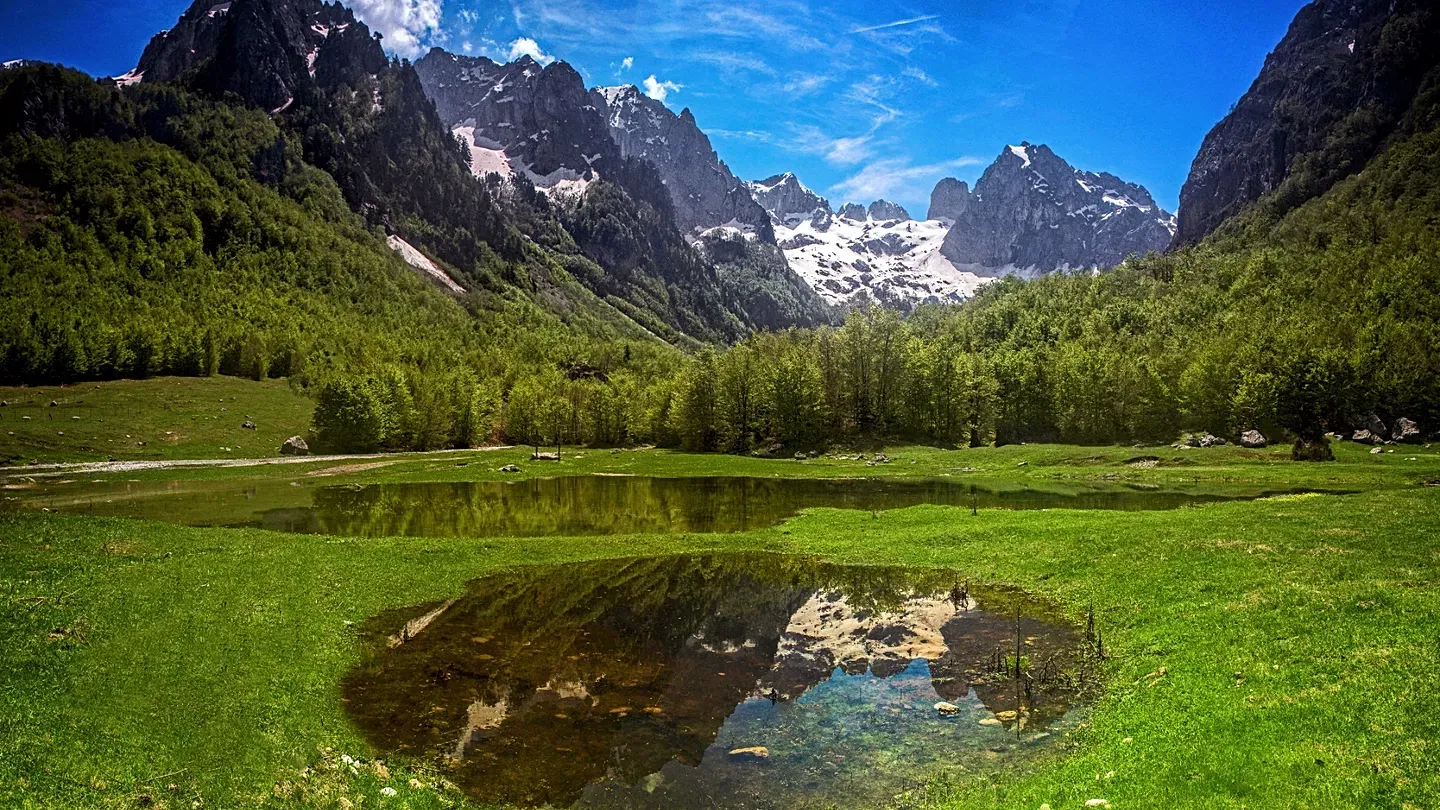
Nestled between the Adriatic Sea and the rugged Dinaric Alps, Montenegro is quietly transforming into one of Europe's most sought-after travel destinations. With a population of just 620,000, this compact Balkan nation welcomed a staggering 2.5 million visitors last year, proving that its strategy of prioritizing quality over quantity is resonating with travelers worldwide. As international hotel giants like Hilton and Hyatt establish luxury resorts along its stunning coastline, Montenegro is positioning itself as a premium alternative to crowded Mediterranean hotspots.
How Montenegro Became Europe's Hottest New Destination
Montenegro's rise from a hidden Balkan gem to a mainstream tourist destination has been both strategic and rapid. "We want to position ourselves as a quality tourist destination, with high quality services and accommodation," explains Montenegro's Minister of Tourism, Simonida Kordić, in an interview with Euronews. "Montenegro has virtually untouched nature, which offers great possibilities for active tourism and especially for those looking for authentic experiences." The numbers tell a compelling story: tourism now accounts for about a quarter of Montenegro's GDP, making it one of the main pillars of the national economy.
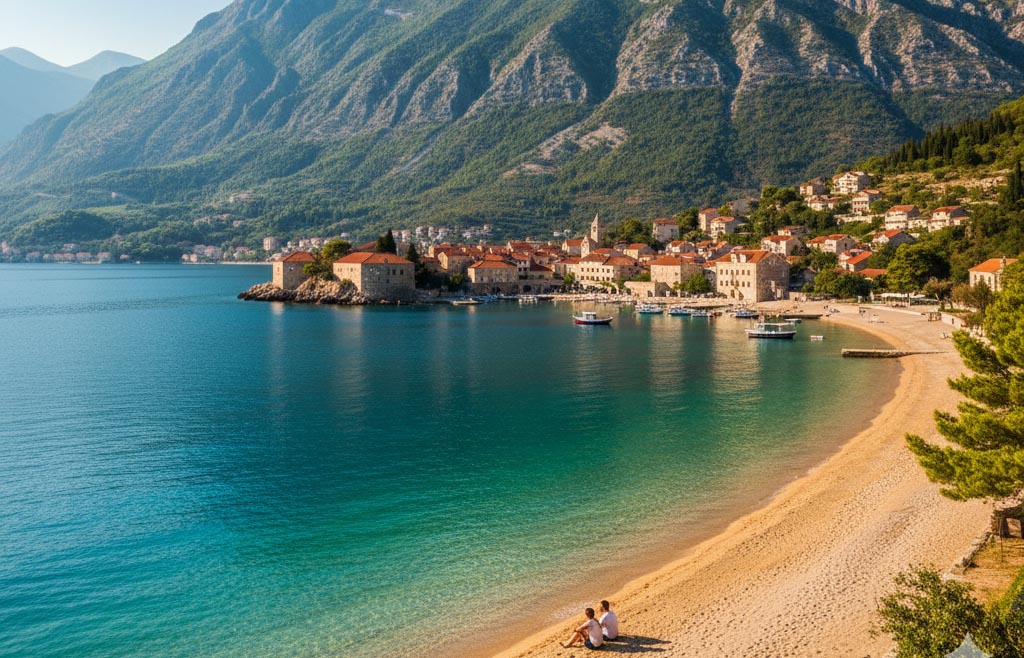
Major international hotel groups have taken notice of Montenegro's potential. Hilton, Hyatt, Melia, Radisson, and Iberostar have all established large complexes in exclusive enclaves such as Porto Montenegro and the Bay of Kotor. Today, the country boasts some 500 hotel establishments, including a growing network of five-star hotels and boutique accommodations that cater to the discerning traveler. This luxury infrastructure is complemented by improved connectivity—Montenegro now has approximately 60 airlines serving most European destinations, with direct flights from Madrid and Barcelona added this summer.
The Rise of Montenegrin Tourism: A Timeline of Transformation
Montenegro's tourism evolution has accelerated since the country regained independence in 2006. The early 2010s saw the first major international hotel investments, while 2017 marked a turning point when Montenegro officially became a candidate for European Union membership. By 2023, the country had achieved record tourist numbers, surpassing pre-pandemic levels by 14%. The government's "Uncover Your Wild Side" campaign launched in 2024 targeted UK travelers, highlighting Montenegro's stunning landscapes and cultural heritage. Today, with tourism revenue reaching $1.59 billion in 2024 (a 30% increase from the previous year), Montenegro has firmly established itself on Europe's tourism map.
Why Montenegro's Tourism Strategy Is Working: Expert Analysis
Montenegro's success stems from its unique positioning as a compact destination offering surprising diversity. "It is one of the most exciting destinations because it offers a huge diversity of natural, cultural and other options that you wouldn't expect from a country of this size," Minister Kordić emphasizes. The country's strategic location at a historic crossroads between East and West has left a diverse cultural imprint visible in its architecture, cuisine, and traditions. This compact size makes it possible to experience dramatic contrasts in a single day: breakfast in the mountains and an afternoon swim in the Adriatic.
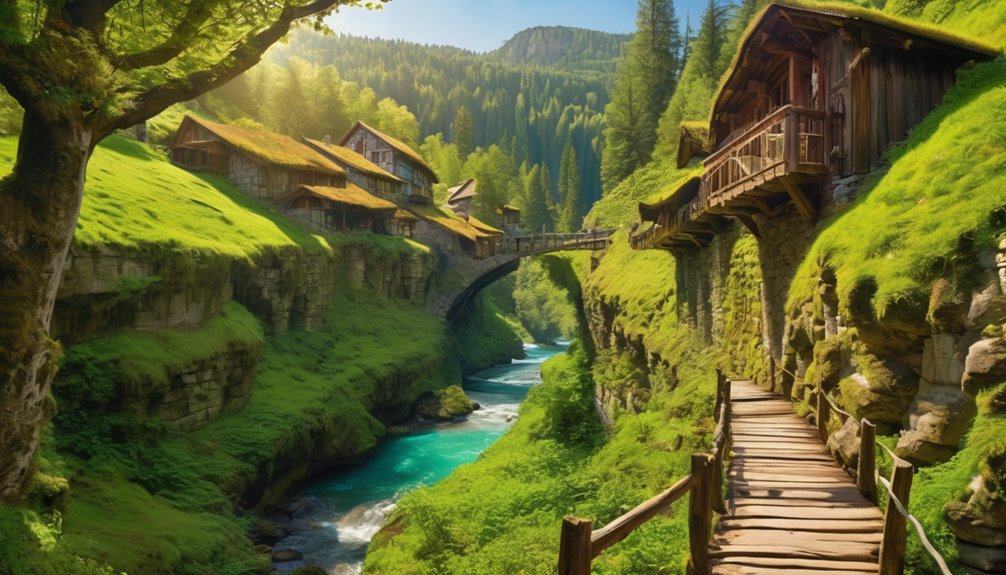
Unlike mass-market destinations that prioritize volume, Montenegro has focused on sustainable, high-value tourism. The country is a natural paradise with five national parks, including Durmitor National Park—a UNESCO World Heritage Site that attracts thousands of hikers from across Europe. Right next door is the Tara Canyon, the second longest canyon in the world after the Grand Canyon. This commitment to preserving natural assets while developing premium infrastructure has created what travel analysts call "the Montenegro Model"—a blueprint for small nations seeking to maximize tourism revenue without compromising their environmental or cultural heritage.
Where Montenegro Stands Today: Latest Tourism Numbers and Trends
According to data from Montenegro's Statistical Office (Monstat), the country welcomed 2.5 million tourists in the first ten months of 2024 alone, achieving 99.4% of the previous year's record despite global economic uncertainties. What's particularly noteworthy is the changing visitor demographics: while traditional markets from neighboring countries remain strong, there's significant growth in visitors from Western Europe, the United States, China, and Israel. The average tourist expenditure has risen to $531 per visitor, reflecting the success of Montenegro's premium positioning.
The coastal region continues to attract the most international tourism with almost 300 kilometers along the Adriatic Sea. Budva, with 2,500 years of history, remains the epicenter of Montenegrin tourism—often called the Saint-Tropez of the Balkans for its nightlife, beaches, and luxury yachts. At the southern tip of the country, Ulcinj's Velika Plaza beach stretches for more than 13 kilometers of fine sand, making it one of the longest beaches in Europe. Meanwhile, cultural treasures like the medieval walled city of Kotor (a UNESCO World Heritage Site) and the Orthodox Ostrog Monastery continue to draw heritage travelers.
The Future of Travel in Montenegro: What to Expect Next
Looking ahead, Montenegro's tourism trajectory appears exceptionally promising. The country expects to achieve full European Union membership by 2028, which will further boost its international profile and facilitate travel for EU citizens. Infrastructure projects continue to expand, including the second section of the Bar-Boljare highway being constructed by a Chinese consortium. Airlines are adding new routes, with Montenegro now connected to more than 130 destinations from its two international airports in Tivat and Podgorica.
Perhaps most importantly, Montenegro is doubling down on its commitment to sustainable tourism. The government has implemented stricter environmental regulations for new developments and is promoting off-season travel to distribute tourist numbers more evenly throughout the year. Winter tourism is growing steadily, with ski resorts in the north attracting visitors who previously might have chosen Alpine destinations. As global travelers increasingly seek authentic, less crowded experiences that don't compromise on comfort, Montenegro's blend of pristine nature, rich culture, and luxury amenities positions it perfectly for continued growth.
Key Points for Travelers Considering Montenegro
For those planning a visit, remember these essential tips: Montenegro uses the euro as its currency despite not being an EU member, making transactions convenient for European travelers. The best times to visit are late spring (May-June) and early autumn (September-October) when the weather is pleasant and crowds are thinner. While the coast gets most attention, don't miss the northern mountain regions and national parks for hiking and adventure activities. Registration with local authorities is required for tourists staying in private accommodations, though hotels handle this automatically. Finally, embrace the country's compact size—with just two hours needed to drive from one end to the other, you can experience remarkable diversity in a short trip.
Montenegro's transformation from Europe's best-kept secret to a must-visit destination is a testament to thoughtful planning and preservation of what makes the country unique. As Minister Kordić notes, "Here you can enjoy the real way of life, not something artificially created as a tourist product. We offer a new and genuine experience." For travelers seeking breathtaking landscapes, rich history, and luxury amenities without the crowds of more established Mediterranean destinations, Montenegro represents the perfect convergence of authenticity and sophistication.