
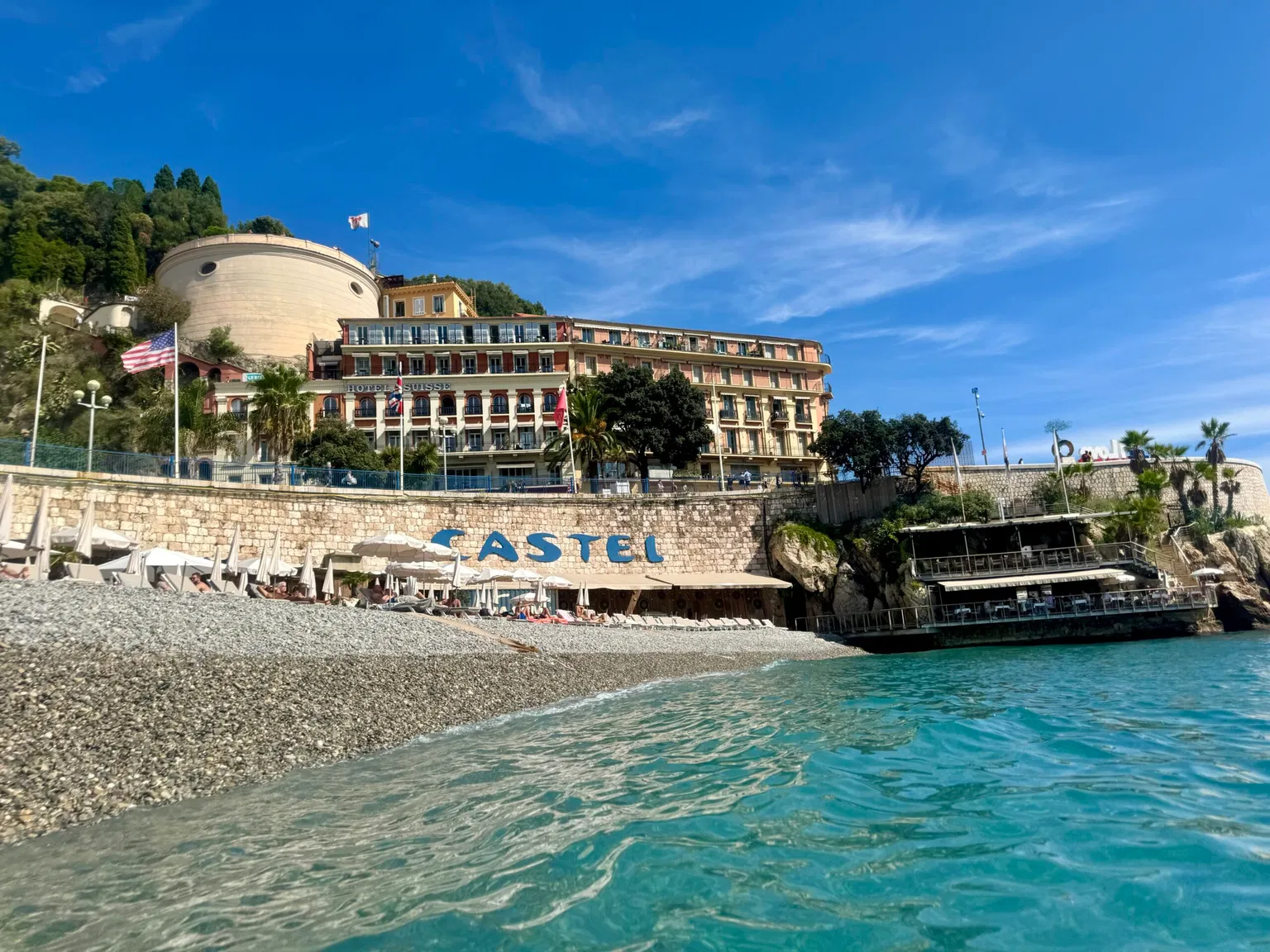
The French Riviera city of Nice is experiencing an unprecedented tourism boom in 2024, welcoming 25.7% more visitors compared to recent years while simultaneously grappling with the challenges of overtourism. As Americans flock to the "Capital of the Côte d'Azur" in record numbers, local authorities face difficult decisions about managing the city's popularity without sacrificing its charm or economic vitality.
American Invasion: Nice Becomes America's Favorite French City
According to tourism data from Côte d'Azur France Tourisme, American visitors accounted for a record 620,000 hotel stays in Nice during 2024—a remarkable 10% increase compared to 2019 pre-pandemic levels. This surge has positioned Americans as the largest group of foreign visitors to Nice, surpassing traditional markets like the British and Germans. "We found our ideal French city," exclaimed one American tourist interviewed by Le Monde, capturing the sentiment driving this transatlantic migration. The appeal combines Mediterranean climate, direct flight connections from major U.S. cities, and the perceived safety and glamour of the French Riviera.

The Cruise Ship Controversy: Balancing Tourism and Sustainability
In March 2025, Mayor Christian Estrosi made headlines by backtracking on a proposed ban of large cruise ships from Nice's port—a dramatic reversal from his January pledge to combat "floating hotels" that contribute to overtourism and pollution. The initial ban would have limited vessels to 450 passengers, effectively excluding the massive ships that bring thousands of visitors daily during peak season. "Tourism, yes; overtourism, no," Estrosi had declared, reflecting growing concerns about the environmental and social impact of mass tourism. However, pressure from local business owners fearing economic losses forced a compromise, highlighting the delicate balance between preserving local quality of life and maintaining vital tourism revenue.
Tour de France Economic Windfall: When Cycling History Came to Nice
The 2024 Tour de France made history by finishing in Nice on July 21—marking the first time since 1905 that the race didn't conclude in Paris. This deviation, necessitated by Olympic preparations in the capital, proved fortuitous for Nice's tourism economy. The city hosted the final individual time trial between Monaco and Nice, attracting thousands of cycling enthusiasts and generating an estimated €50 million in economic impact for the region. Hotels reported 100% occupancy during the event weekend, while restaurants and shops enjoyed unprecedented foot traffic. The global television exposure showcased Nice's stunning coastal scenery to millions of viewers, potentially generating years of tourism dividends.
Nice by the Numbers: Tourism's Economic Dominance
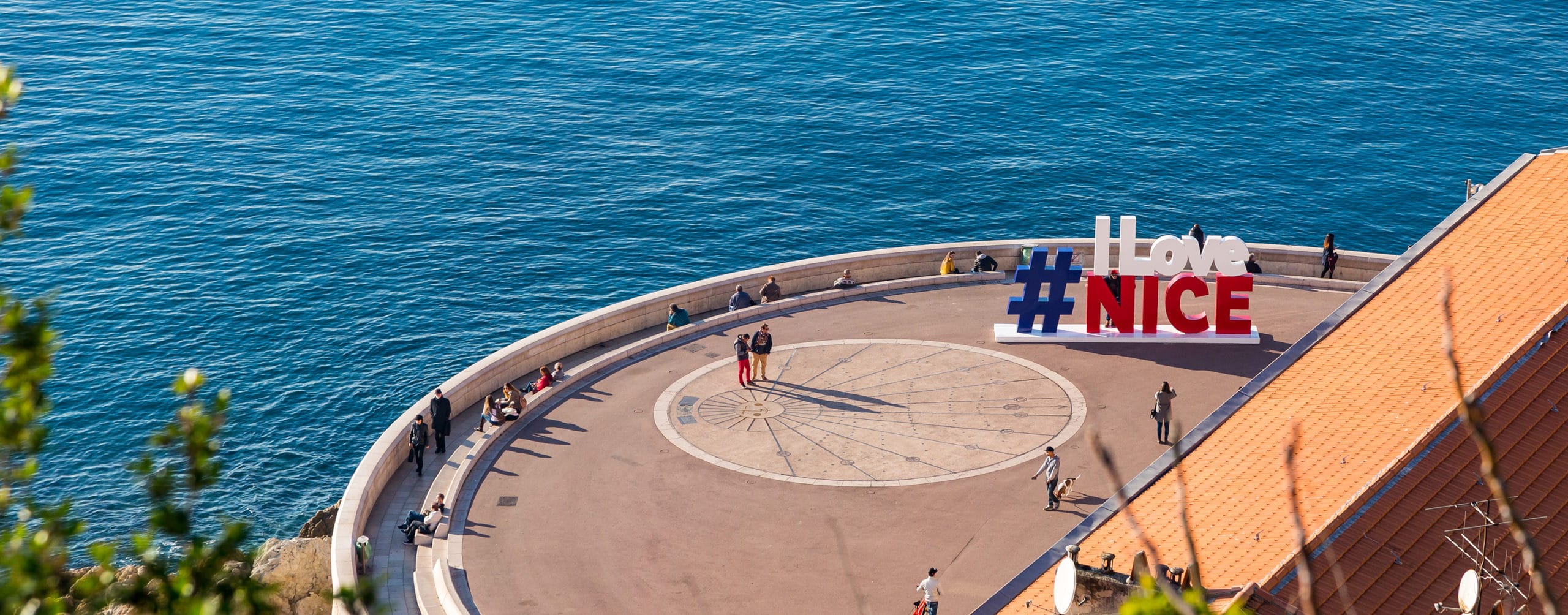
Tourism isn't just an industry in Nice—it's the economy's driving force. As France's leading tourist city after Paris, Nice welcomes approximately 5 million visitors annually who generate over 40% of the Alpes-Maritimes department's GDP. More than 40% of the active population works directly or indirectly in tourism-related sectors, from hotel staff and restaurateurs to tour guides and retail workers. The sector's resilience is remarkable: despite global economic uncertainties, 97% of visitors report satisfaction with their Nice experience, explaining the city's strong repeat visitation rate. Each tourist spends an average of €150 per day, injecting vital funds into the local economy.
What's Next for Nice: Sustainable Tourism or Overtourism?
As Nice approaches what some experts call "saturation point," city planners are exploring innovative solutions to manage visitor flows while protecting resident quality of life. Proposed measures include expanding the tourist tax, implementing dynamic pricing for attractions, promoting off-season travel, and developing "smart tourism" technologies to distribute visitors more evenly across the city and throughout the year. The cruise ship debate may resurface as environmental concerns grow, potentially with more nuanced regulations targeting the largest vessels while welcoming smaller luxury ships. Meanwhile, Nice continues to capitalize on its strengths: improving airport facilities to handle growing transatlantic traffic, enhancing cultural offerings beyond beach tourism, and positioning itself as a year-round destination rather than just a summer hotspot.
The Bottom Line: Nice's Tourism Transformation
Nice's 2024 tourism boom represents both opportunity and challenge. The city has successfully attracted high-value visitors—particularly Americans—while maintaining exceptional satisfaction rates. Yet the cruise ship controversy reveals underlying tensions between economic interests and sustainable development. As Nice evolves from a seasonal beach destination to a year-round cultural hub, its ability to balance growth with preservation will determine whether it remains "nice" in both name and experience for residents and visitors alike. For travelers planning a visit, the message is clear: book early, consider shoulder seasons, and be mindful that you're visiting a living city—not just a postcard.