
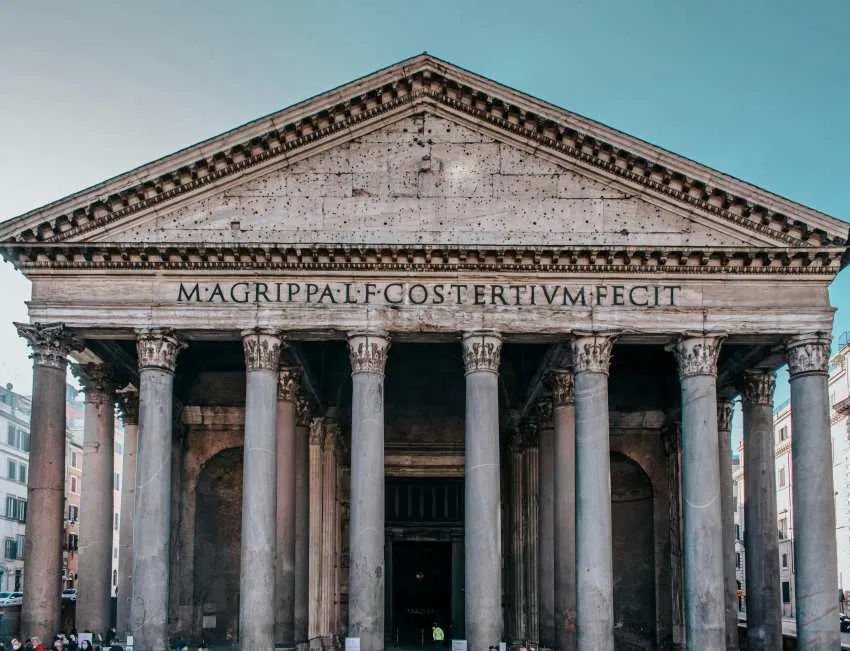
The Pantheon in Rome—one of the most iconic and well-preserved ancient buildings in the world—will see its tourist entry fee rise from €5 to €7 starting July 1, 2026. The price increase follows a new agreement between Italy's culture ministry and the diocese of Rome, with the additional revenue earmarked for cultural preservation projects and community libraries across the Eternal City. For travelers planning a visit, here's everything you need to know about experiencing this 1,900-year-old architectural marvel.
Breaking Down the Price Hike: What Travelers Need to Know
The Pantheon's admission fee has been €5 since paid entry was introduced in July 2023. Under the new agreement, full-price tickets will rise to €7 as of July 1, 2026. However, several categories of visitors remain exempt from the fee entirely. Rome residents, children under 18, and those visiting for religious purposes can continue to enter free of charge. EU citizens between the ages of 18 and 25 will still qualify for a reduced rate of €2. The additional funds generated by the increase will support the preservation of Italy's rich cultural heritage and foster community library development, according to officials.
Timeline: From Ancient Temple to Modern Marvel
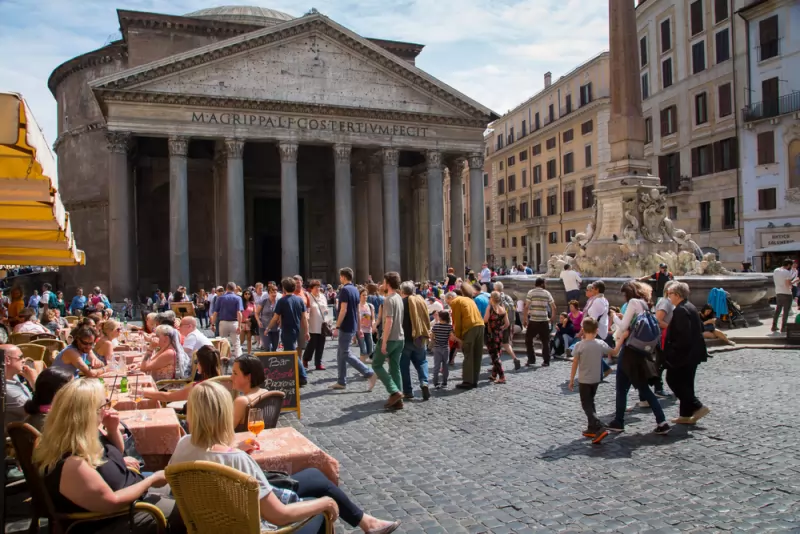
The story of the Pantheon spans nearly two millennia. Originally built by Marcus Agrippa in 27 BC as a pagan temple, the structure was completely rebuilt by Emperor Hadrian around 126 AD. In 609 AD, it was consecrated as a Catholic church—the Basilica of St. Mary and the Martyrs—which ensured its preservation through the Middle Ages while many other ancient Roman structures fell into ruin. In 2023, after centuries of free access, the Italian government introduced a €5 entry fee to manage tourism and fund maintenance. Now, just three years later, that fee is set to increase once again as Rome continues balancing heritage preservation with record-breaking tourism numbers.
Why the Pantheon Matters: Architectural Genius That Defies Time
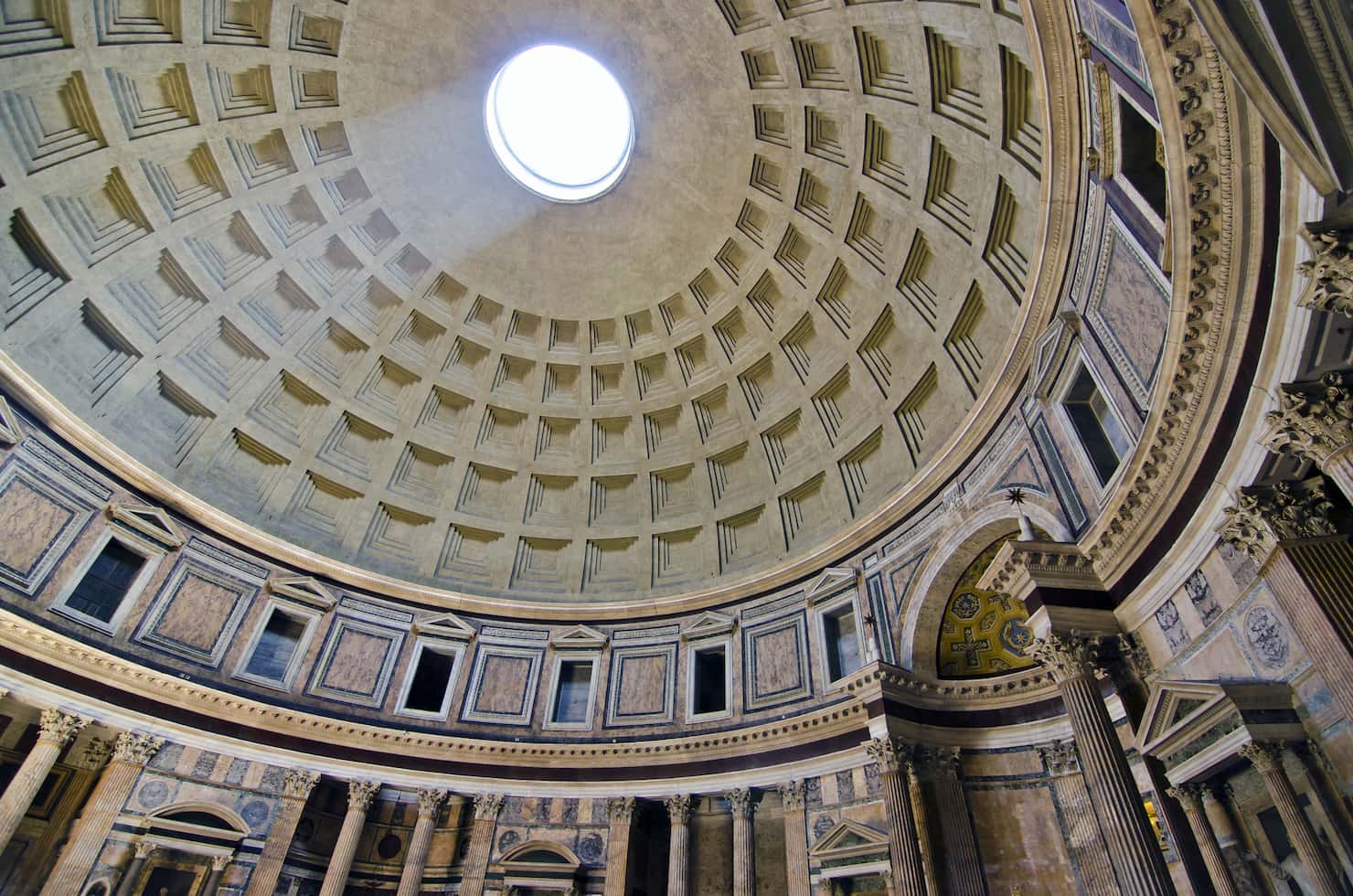
The Pantheon's most extraordinary feature is its dome—still the largest unreinforced concrete dome in the world, nearly 2,000 years after its construction. The diameter of the dome and the height to the oculus are precisely equal at 43.3 meters (142 feet), creating a perfect sphere that would theoretically fit exactly inside the rotunda. The oculus, a 9-meter (30-foot) opening at the dome's apex, serves both structural and symbolic purposes. It dramatically reduces the weight of the dome while allowing natural light—and occasionally rain—to stream into the interior. "The ancient Romans believed the oculus allowed the gods to enter the temple and watch over the worshippers below," notes architectural historians. The dome's coffered ceiling also reduced weight while creating stunning geometric patterns. The Pantheon's bronze doors, still the original ones from antiquity, weigh an estimated 20 tons each.
The building also serves as a final resting place for some of Italy's most celebrated figures. The Renaissance master Raphael is buried here, alongside King Vittorio Emanuele II, King Umberto I, and Queen Margherita—the namesake of the classic pizza Margherita. The tomb of Raphael attracts particular attention, with visitors often leaving flowers at the site of the beloved artist.
Where Things Stand Now: Planning Your 2026 Visit
Before the price increase takes effect on July 1, visitors can still enter for €5. After that date, standard tickets will be €7. The official opening hours are Monday through Saturday from 9:00 AM to 7:30 PM, and Sundays from 9:00 AM to 6:00 PM. Last admission is 30 minutes before closing time. The Pantheon is closed on January 1, August 15, and December 25. Tickets can be booked online in advance through the official website at pantheonroma.com, which is strongly recommended during peak tourist season to avoid long queues. Audio guides are available in multiple languages for an additional fee, and guided tours offer deeper historical context for those interested in the building's rich past.
What Happens Next: Tips for Making the Most of Your Visit
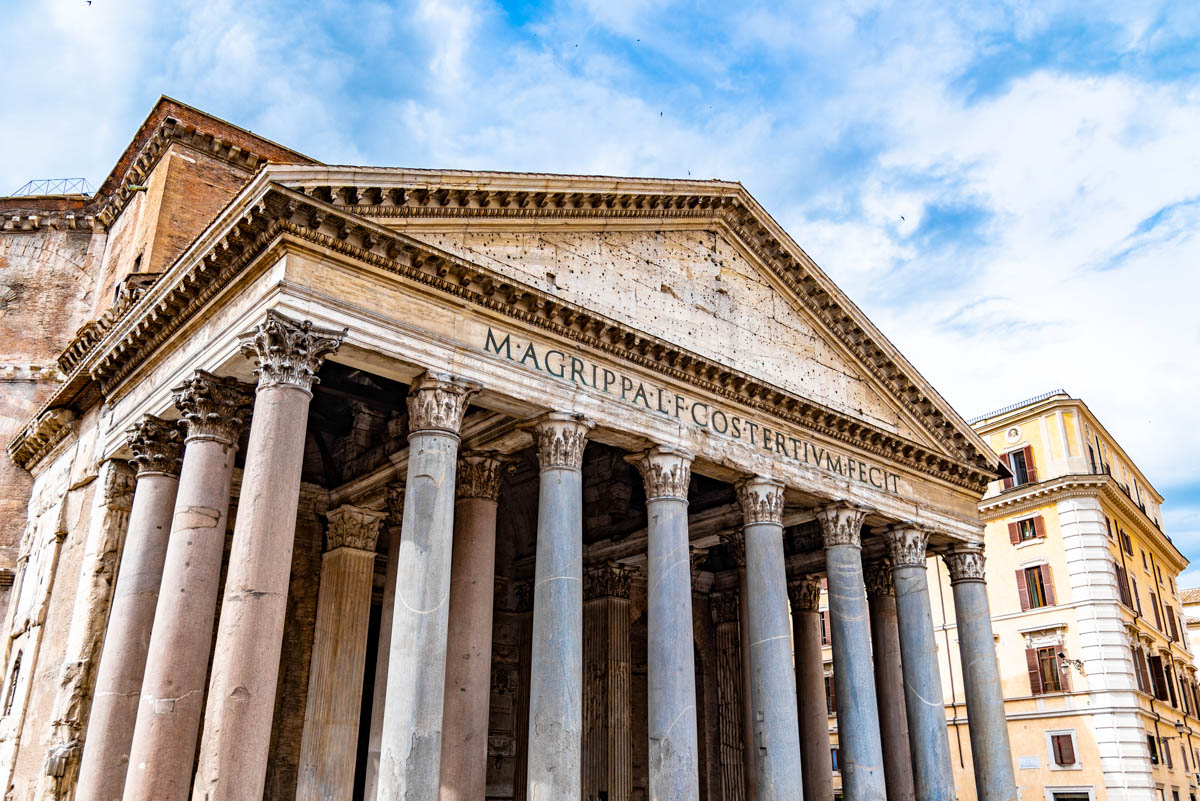
Travel experts recommend visiting early in the morning right when doors open at 9:00 AM, or during late afternoon hours around 4:00 PM to avoid the heaviest crowds. Midday tends to be the busiest period, especially during spring and summer. Weekdays are generally quieter than weekends. When inside, look for the drain holes in the marble floor—they were ingeniously designed by the ancient Romans to handle rainwater that enters through the oculus. The Pantheon is fully accessible, with no steps once inside, though there is a small threshold at the entrance. As with any major tourist attraction in Rome, keep an eye on your belongings and be aware of pickpockets in crowded areas. Pair your Pantheon visit with nearby attractions like Piazza Navona, the Trevi Fountain, and the Spanish Steps, all within a pleasant walking distance.
The Bottom Line: Key Points to Remember
- Price increase: Entry fee rises from €5 to €7 on July 1, 2026
- Free entry: Rome residents, under 18s, and religious visitors
- Reduced rate: €2 for EU citizens aged 18–25
- Hours: Mon–Sat 9:00–19:30, Sun 9:00–18:00
- Best time to visit: Early morning or late afternoon on weekdays
- Don't miss: The oculus, Raphael's tomb, and the incredible dome—still the world's largest unreinforced concrete dome
- Book ahead: Reserve tickets online at pantheonroma.com to skip the queues