
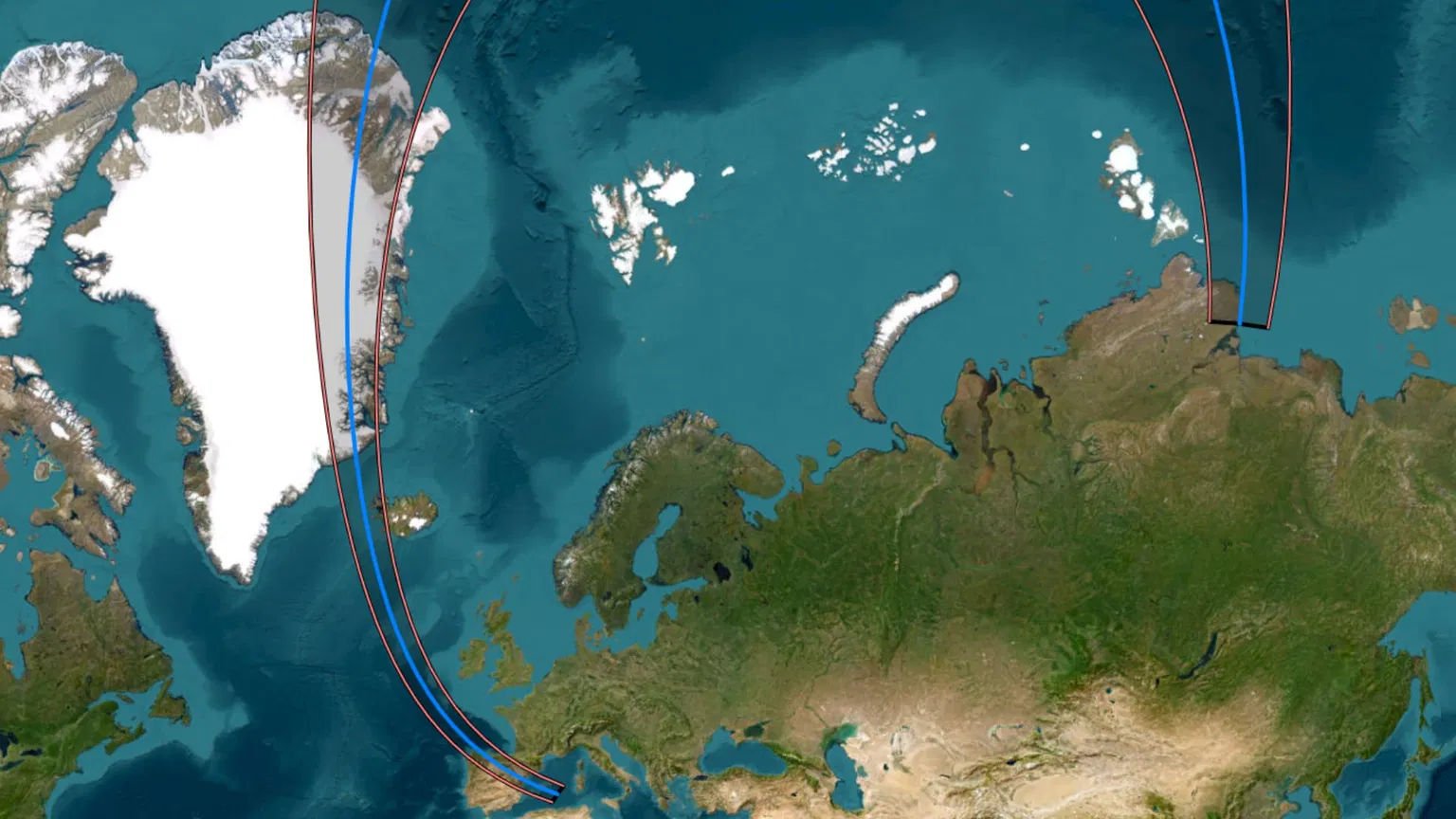
The total solar eclipse of August 12, 2026 is shaping up to be one of the defining travel events of the decade — a rare alignment that will drag a ribbon of mid-afternoon darkness across the Arctic before sweeping over Iceland and northern Spain. For the first time since 2006, a total eclipse will cross continental Europe, while Iceland gets its first total solar eclipse since 1954 and its only one of the entire 21st century.
For travelers, the calculus is simple: pick the right destination, book early and you could witness one of nature's most spectacular sights. Leave it too late and you'll be jostling for flights, hotels and viewing spots with hundreds of thousands of fellow eclipse chasers.
The 2026 Eclipse Path: Where Totality Falls
On Wednesday, August 12, 2026, the Moon's shadow will follow an unusual west-bound route, beginning over northernmost Siberia and the Arctic, then crossing Greenland and Iceland before racing over the Atlantic Ocean and making landfall in northern Spain and the extreme northeastern corner of Portugal. It finishes over the Mediterranean and the Balearic Islands.
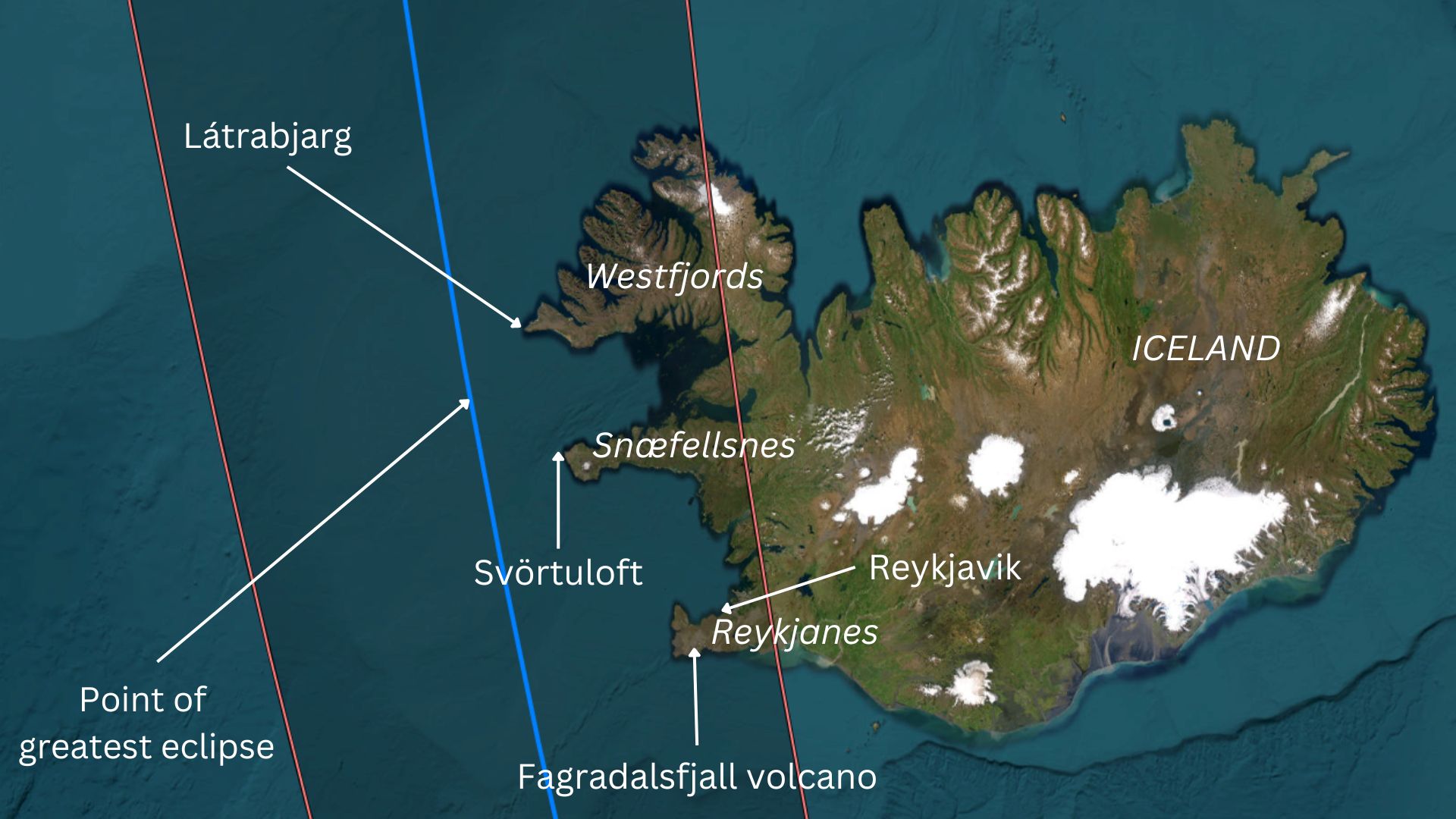
The point of greatest eclipse sits roughly 45 km (28 miles) off Iceland's western coast, where totality will last 2 minutes and 18 seconds — the longest of the entire event. On land, Spain is the headline destination: the cities of A Coruña, Bilbao, Zaragoza, Valencia and Palma de Mallorca all lie directly inside the path of totality, while Madrid and Barcelona sit just outside it.
A partial eclipse will cover more than 90% of the Sun across Ireland, Great Britain, Portugal, France, Italy, the Balkans and North Africa, with a lesser partial eclipse visible over much of Europe, West Africa and northern North America.
Eclipse Day Timeline: When to Look Up in Iceland and Spain
Timing is everything in eclipse travel, and the two main viewing regions could hardly be more different.
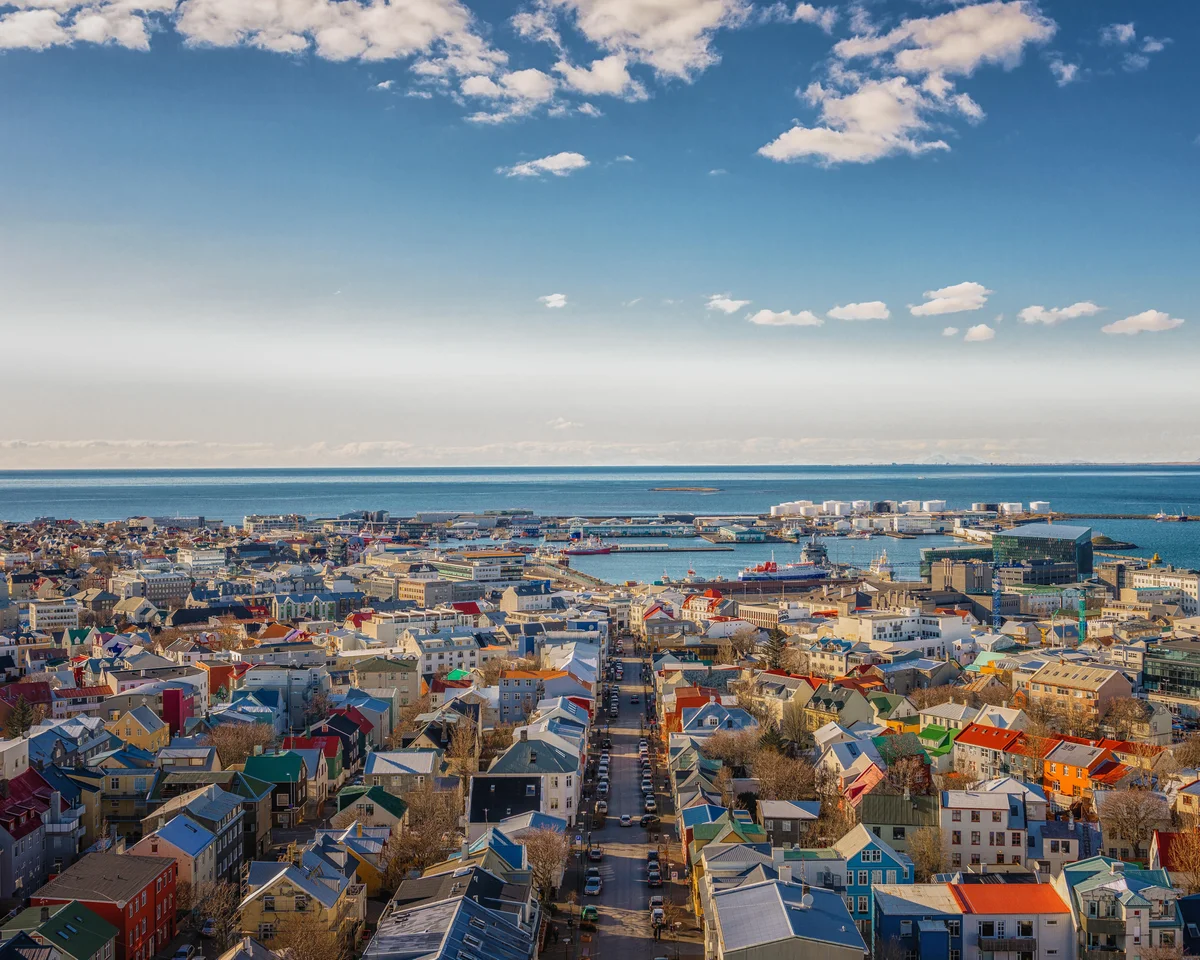
In Iceland, the eclipse is a comfortable mid-afternoon event. In Reykjavík, the partial phase begins around 16:47 local time, with totality arriving at roughly 17:48 — a full four hours before sunset. That leaves travelers plenty of daylight afterward, though Iceland's famously changeable coastal weather remains the biggest risk factor.
In Spain, the show arrives much later, about an hour before sunset. That low Sun angle can create dramatic, low-hanging photographic opportunities, but it also means a clear western horizon is essential — a hillside, coastal bluff or open plaza with an unobstructed view to the west is ideal. The Balearic Islands, including Mallorca, are also inside the path for travelers who prefer an island vantage point.
Spain vs. Iceland: Choosing Your Eclipse Base Camp
Both destinations offer a genuine shot at totality, but they suit very different styles of travel.
Spain is the most accessible option, with deep transport links, strong summer weather odds and multiple cities inside the path. Regional governments have designated 660 official viewing sites to handle an expected influx of more than 440,000 visitors, and authorities have prepared for between 1.5 million and 6 million people to take to the roads, deploying roughly 24,000 police officers around the eclipse zone.
Iceland counters with the single longest totality on land, at Látrabjarg on the country's far western edge, plus the novelty of a once-in-a-century event. But it comes with caveats: many of the roads to Látrabjarg are narrow and dangerous, and officials have discussed closing the area to car traffic and ferrying visitors in by bus. Road repairs have already begun ahead of the crowds.
For many seasoned eclipse chasers, the safer bet is Iberia. Its typically dry August skies simply offer better odds of a cloud-free view than Iceland's coast — one reason Spain is expected to absorb the largest share of eclipse tourism.
Eclipse Travel Demand: Hotel Prices and Crowds Surge
This is not an event to plan at the last minute. Hotel prices across Europe have already jumped in the run-up, with rooms in Reykjavík averaging £587 per night — roughly double the usual rate, according to travel analytics firm Lighthouse Intelligence. Spain is likewise enjoying unusually strong bookings.
If you're still hunting for a bed, the smartest remaining moves are to target cities slightly off the centerline, consider secondary towns along the path, or stay in a hub just outside totality — such as Madrid or Barcelona — and drive into the path on eclipse day. Remember: the closer you are to the center of the path, the longer totality lasts, but anywhere inside the path still delivers the full experience.
How to Watch Safely — and What You'll See
Totality is the only moment it is safe to look directly at the Sun without protection. Before and after those precious minutes, certified eclipse glasses are essential to prevent permanent eye damage, and a proper solar filter is required for cameras and binoculars.
For those inside the path, the reward extends well beyond the vanishing Sun. In Spain, Venus will blaze brilliantly in the southwestern sky while Mercury and Jupiter sit low to the west; Arcturus rides high in the south and the Summer Triangle climbs in the east. As the shadow sweeps in, the temperature can drop noticeably and birds have been known to fall silent.
What Comes After 2026: Spain's Second Eclipse in 2027
The 2026 eclipse is remarkable on its own, but it is also the first half of a historic double. Less than a year later, on August 2, 2027, another total solar eclipse will cross Spain as part of a path that sweeps through North Africa — offering one of the longest totalities of the century, reaching roughly six minutes in parts of Egypt.
No country gets two total eclipses this close together often, which is why some travelers are already planning back-to-back trips. For anyone bitten by the eclipse-travel bug, the next two summers represent a golden window that won't come around again for decades.
The Bottom Line: Planning Your 2026 Eclipse Trip
- Date: Wednesday, August 12, 2026
- Best in Spain: A Coruña, Bilbao, Zaragoza, Valencia and Palma de Mallorca — all inside totality
- Best in Iceland: Reykjavík (totality around 17:48) and Látrabjarg (longest totality on land)
- Maximum totality: 2 minutes 18 seconds, off Iceland's west coast
- Book now: Reykjavík rooms averaged £587 a night; Spain bookings are surging
- Bonus: Spain gets a second total eclipse on August 2, 2027