
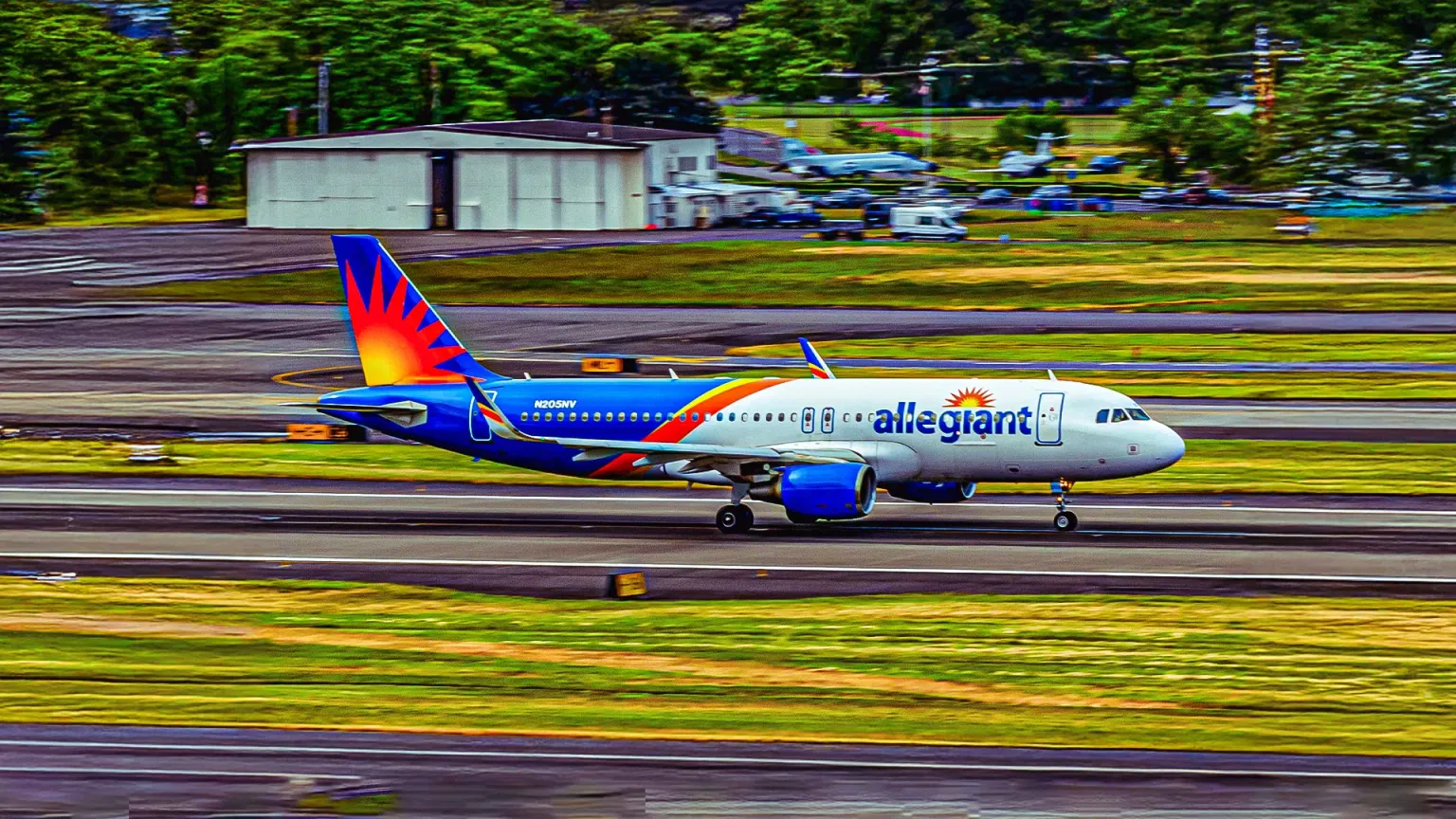
Allegiant Air is making headlines with a whirlwind of changes—from a massive route expansion and a landmark acquisition to labor tensions that could affect thousands of travelers. The low‑cost carrier, known for its point‑to‑point flights to leisure destinations, is navigating a pivotal moment that could reshape how budget‑conscious flyers plan their trips in 2025 and beyond.
How Allegiant’s Expansion Unfolded: 30 New Routes in a Single Move
In November 2025, Allegiant announced its largest single route expansion in recent memory, adding 30 new nonstop flights and entering four new markets: La Crosse, Wisconsin; Trenton, New Jersey; Columbia, Missouri; and Philadelphia, Pennsylvania. The move is part of a strategic push to connect smaller airports with popular sun‑belt and vacation destinations, offering travelers in secondary cities more direct options without the hassle of connecting through major hubs. According to the airline’s press release, the new routes will operate with Allegiant’s typical two‑ to four‑times‑weekly frequency, catering to leisure travelers who prioritize price and convenience over daily service.
Timeline: The Road to Allegiant’s $1.5 Billion Sun Country Deal
The Allegiant story took another dramatic turn in January 2026 when the airline revealed plans to acquire Sun Country Airlines for $1.5 billion. The deal, reported by the New York Times, would create a combined low‑cost powerhouse focused on leisure travel across the United States, Mexico, and the Caribbean. Here’s how the timeline unfolded:
- November 2024: Allegiant pilots, represented by the Teamsters union, vote overwhelmingly to authorize a strike if contract talks stall.
- June 2025: Allegiant is named Best Low‑Cost Airline in North America at the World Airline Awards, its second consecutive win in the category.
- November 2025: The airline launches 30 new routes while pilots hold “practice pickets” at several airports, demanding better pay and scheduling.
- January 2026: Allegiant announces the Sun Country acquisition, a move expected to close later in the year pending regulatory approval.
Why Allegiant’s Labor Standoff Matters for Travelers
Behind the route maps and financial headlines, Allegiant is grappling with a labor dispute that could directly impact passengers. In November 2024, the airline’s pilots voted to authorize a strike, citing stagnant wages and unpredictable schedules. While a strike has not yet been called, the threat looms as negotiations continue. For travelers, this means potential last‑minute cancellations or disruptions if talks break down. Industry analysts note that Allegiant’s low‑cost model depends on efficient operations, and any labor instability could ripple through its tightly scheduled network.
Where Things Stand Now: Allegiant’s Fleet and Financial Health
Despite the labor challenges, Allegiant’s operational metrics remain strong. The airline posted a 99.89 % controllable completion rate in 2025 and ranked first in the industry for fewest cancellations. Its fleet modernization also got an unexpected boost in 2024 when it received three additional Boeing 737 MAX 8 aircraft ahead of schedule, allowing it to retire older, less fuel‑efficient planes. Financially, Allegiant reported full‑year 2025 GAAP diluted earnings per share of $1.73 and adjusted airline‑only earnings of $2.72 per share, signaling resilience in a competitive market.
What Happens Next: Predictions for the Low‑Cost Leader
Looking ahead, Allegiant’s path will be shaped by three key factors: the integration of Sun Country, the outcome of pilot negotiations, and its ability to maintain its low‑cost edge amid rising industry costs. If the acquisition closes, travelers can expect a broader network of leisure routes, possibly with more frequency to popular destinations like Florida, Las Vegas, and Mexico. However, any labor settlement will likely lead to higher operating costs, which could translate to slightly higher fares or more ancillary fees. For now, Allegiant remains a go‑to option for travelers willing to trade frills for rock‑bottom base fares—provided they understand the airline’s à‑la‑carte pricing model.
The Bottom Line: Key Points for Allegiant Flyers
- Book early to lock in the lowest baggage and seat‑selection fees; prices rise steeply as departure nears.
- Monitor labor news; a pilot strike could disrupt travel plans, especially on shorter‑notice bookings.
- Expect more routes—Allegiant’s expansion means new nonstop options from smaller airports across the U.S.
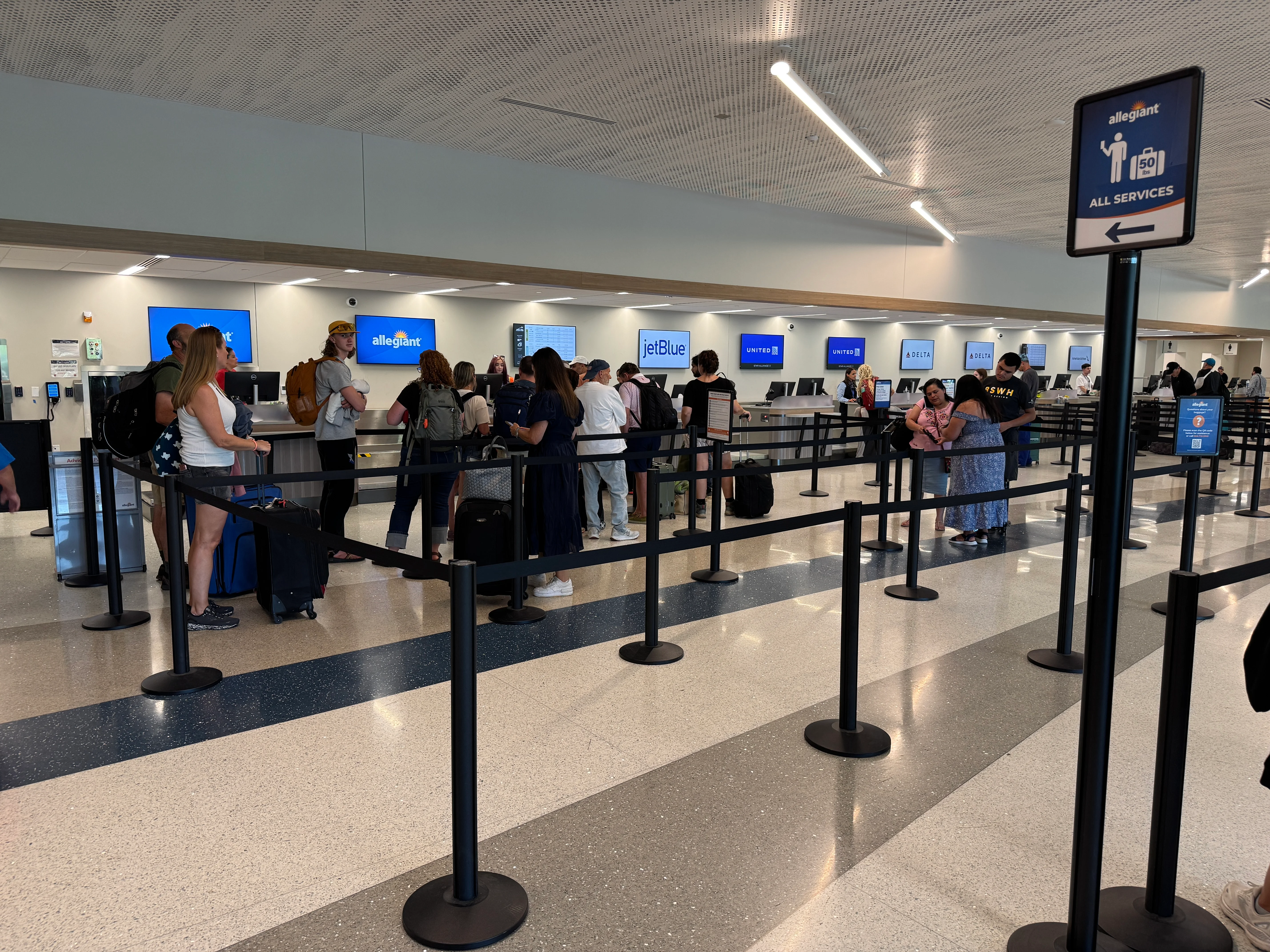
- Prepare for fees: Allegiant charges for carry‑ons, checked bags, seat assignments, and even water onboard.
- Watch for merger updates; the Sun Country deal could bring more destinations and combined loyalty benefits.
Whether you’re a seasoned Allegiant traveler or considering the airline for the first time, staying informed about these developments will help you navigate the evolving landscape of low‑cost air travel and make the most of your next trip.