
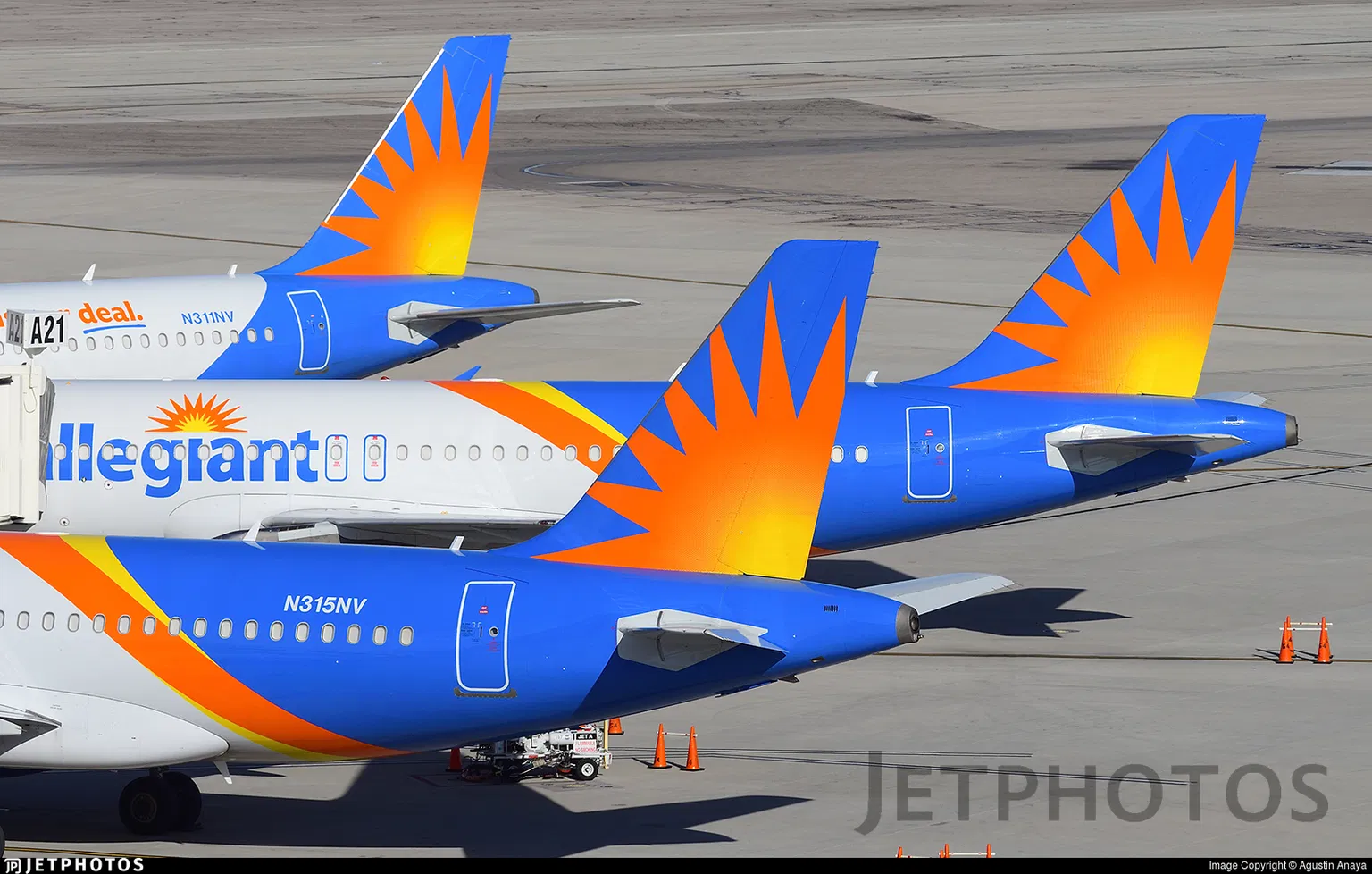
In a dramatic move that's reshaping the budget travel landscape, Allegiant Air has simultaneously achieved two major milestones: launching the largest expansion in its history while being crowned North America's best low-cost airline. The Las Vegas-based carrier announced 44 new nonstop routes in November 2024, marking its most ambitious growth spurt ever, just months after receiving top honors at the prestigious World Airline Awards. For travelers seeking affordable access to vacation destinations across the United States, these developments signal a new era of opportunity and value.
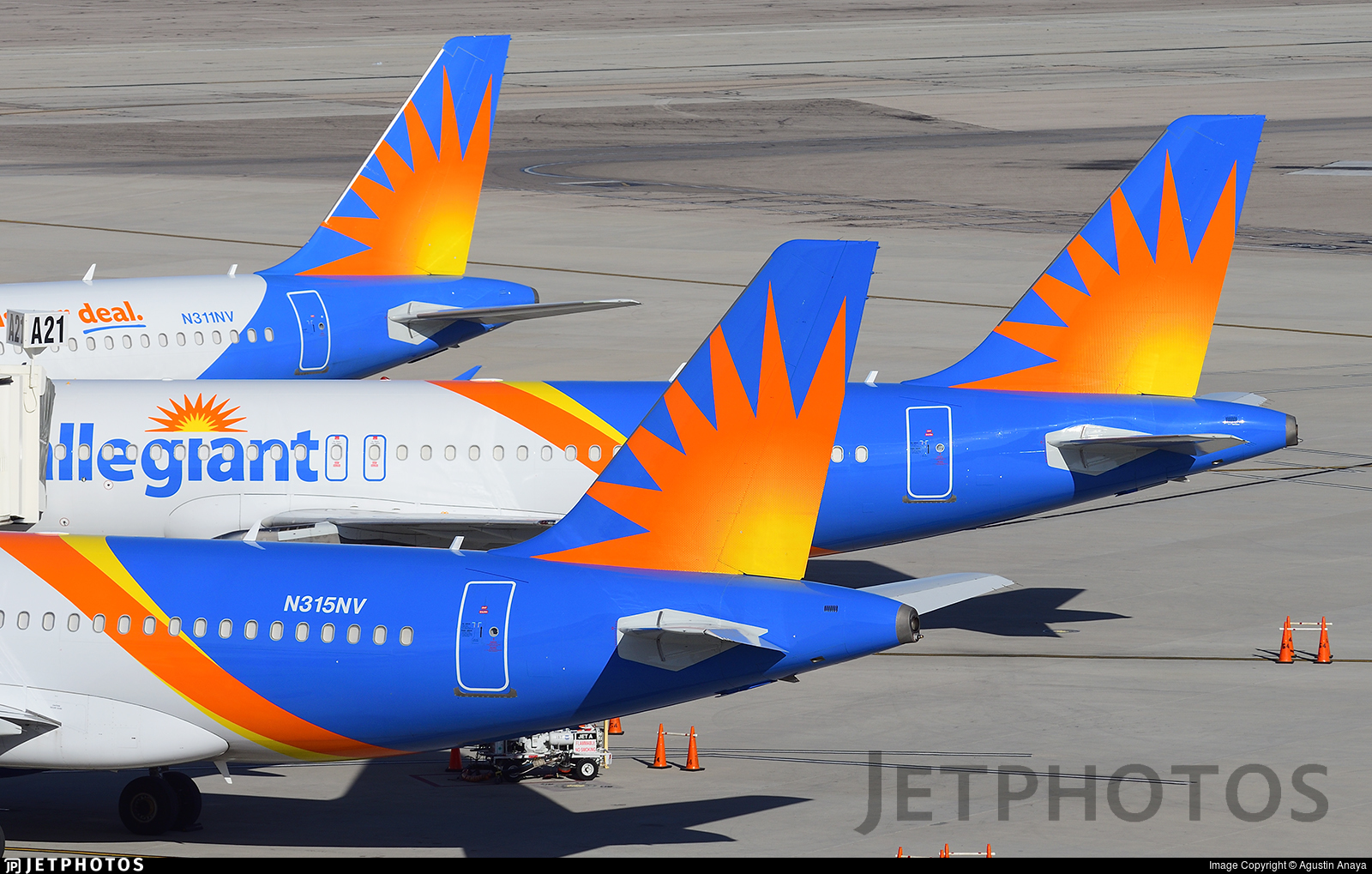
How Allegiant's Blockbuster Expansion Unfolded
On November 19, 2024, Allegiant Travel Company (NASDAQ: ALGT) revealed plans that would tie the record for the largest expansion in its 23-year history. The announcement included 44 new nonstop routes spanning the United States, with service to three entirely new cities for the airline: Gulf Shores, Alabama; Colorado Springs, Colorado; and Columbia, South Carolina. What makes this expansion particularly noteworthy is that 89% of these new routes currently have no other nonstop service, positioning Allegiant as the first to connect these underserved markets.
The strategic move focuses on linking smaller, underserved airports with popular leisure destinations, a hallmark of Allegiant's business model. "Our growth strategy has always been about connecting travelers to the places they want to go most, often from airports closer to home," said Gregory C. Anderson, Allegiant's president, in the company's press release. The new routes will operate from 51 cities across the country, with flights scheduled to begin in February 2025 and continue rolling out through June 2025.
To celebrate the expansion, Allegiant is offering introductory one-way fares as low as $39 on the new routes, though these promotional prices require advance booking and are subject to availability. The airline's ultra-low-cost model means travelers pay for only what they need, with optional add-ons for baggage, seat selection, and priority boarding.
Timeline: Allegiant's Journey to Becoming North America's Top Budget Airline
The road to Allegiant's current success has been marked by strategic decisions and consistent growth. The airline began operations in 1998 with a single aircraft serving Las Vegas, and has since grown to become one of the largest ultra-low-cost carriers in the United States. The November 2024 expansion represents the culmination of years of focused growth in secondary markets.
Just five months before the route announcement, Allegiant received what might be considered the ultimate validation of its business model. At the 2024 World Airline Awards in London—often called "the Oscars of the aviation industry"—Allegiant was named Best Low-Cost Airline in North America by Skytrax, the international air transport rating organization. This recognition came from the world's largest airline passenger satisfaction survey, which included 21.42 million eligible entries from travelers of more than 100 different nationalities.
"Allegiant's network of all-nonstop flights and friendly service separate the airline from other carriers," noted Edward Plaisted, CEO of Skytrax, when announcing the award. The airline also earned the distinction of "most improved airline in the USA," suggesting that recent changes to its operations and customer service have resonated with travelers.
Why Allegiant's Success Matters for Travelers
Allegiant's dual achievements—massive expansion and industry recognition—signal important trends for budget-conscious travelers. First, the airline's focus on underserved markets means more communities are gaining affordable air service to popular destinations without needing to drive hours to major hub airports. Second, the Skytrax award demonstrates that low cost doesn't necessarily mean low quality when it comes to customer satisfaction.
Industry analysts point to several factors behind Allegiant's success. Unlike traditional airlines that operate hub-and-spoke systems, Allegiant flies point-to-point routes, primarily between smaller cities and popular vacation destinations. This model reduces operational complexity and costs, savings that can be passed to consumers. Additionally, the airline maintains a relatively young and fuel-efficient fleet, with an average aircraft age of about 12 years, helping to control maintenance and fuel expenses.
The expansion comes at a time when the budget airline segment in North America is becoming increasingly competitive. Breeze Airways, another low-cost carrier founded by JetBlue founder David Neeleman, announced its own expansion of 18 new routes in August 2024. While Breeze focuses on similar underserved markets, Allegiant's longer operational history and larger scale give it distinct advantages in terms of brand recognition and route network.
Where Things Stand Now: Allegiant's Current Position in the Market
As of early 2025, Allegiant operates approximately 500 routes to over 130 cities across the United States. The airline's business model remains firmly focused on leisure travelers, with scheduling designed around peak vacation periods rather than business travel patterns. This specialization has proven particularly resilient in the post-pandemic travel landscape, where leisure travel has recovered more robustly than business travel.
The airline's financial performance has reflected its strategic success. In its fourth quarter 2024 earnings report, Allegiant reported strong operational metrics, including high load factors (the percentage of seats filled) and improved on-time performance compared to previous years. The company's focus on ancillary revenue—charges for bags, seats, and other services—continues to be a significant component of its business model, accounting for approximately one-third of total revenue.
Customer response to the new route announcements has been positive, with strong early bookings reported for many of the new city pairs. Travel industry observers note that Allegiant's expansion into Colorado Springs, Gulf Shores, and Columbia reflects careful market research identifying demand for leisure travel to and from these areas.
What Happens Next: The Future of Budget Air Travel in America
Allegiant's record expansion and award recognition suggest several likely developments in the coming years. First, expect continued growth in point-to-point service between smaller cities and vacation destinations as Allegiant and competitors like Breeze Airways and Avelo Airlines identify new market opportunities. Second, the emphasis on customer satisfaction among budget carriers will likely intensify as they compete for recognition and loyalty.
For travelers, this competitive landscape means more options and potentially better prices, but also requires careful consideration when booking. Allegiant's ultra-low-cost model offers excellent value for those who understand and minimize add-on fees, pack light, and maintain flexible travel plans. The airline's extensive route network to popular leisure destinations—from Florida beaches to national park gateways—makes it particularly appealing for vacationers.
Industry analysts predict that Allegiant will continue its measured growth strategy, adding routes and perhaps a few new cities each year while maintaining its focus on operational efficiency and customer satisfaction. The airline has also indicated interest in fleet modernization, which could lead to improved fuel efficiency and potentially lower fares in the long term.
Key Takeaways for Smart Travel Planning
Allegiant Air's recent achievements offer several important lessons for travelers. First, the budget airline sector has matured to the point where low cost and reasonable service quality can coexist—as evidenced by Allegiant's Skytrax award. Second, the expansion of service to smaller airports provides genuine convenience for many travelers, potentially saving hours of driving time. Third, understanding an airline's business model is crucial for getting the best value; with Allegiant, this means booking early for the lowest fares, traveling light to avoid baggage fees, and considering the total cost including add-ons when comparing prices.
As the travel industry continues to evolve, Allegiant's success story demonstrates that there's still room for innovation and growth in the budget airline segment. For travelers willing to navigate the nuances of ultra-low-cost carriers, the rewards can include significant savings and convenient access to an ever-expanding list of destinations.