
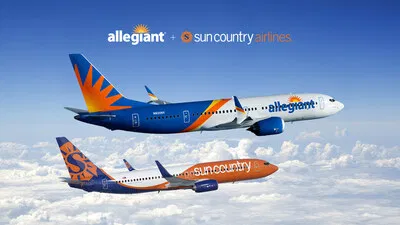
In a move that could reshape budget travel in the United States, Allegiant Air announced plans to acquire Sun Country Airlines in a $1.5 billion merger on January 11, 2026. The deal brings together two of America's leading leisure-focused airlines, creating a combined carrier that will serve 22 million annual passengers across more than 650 routes. For travelers seeking affordable vacations, this merger promises expanded access to international destinations and potentially more competitive fares—but also marks the end of a 43-year-old airline brand that has served Midwest travelers for decades.
How the $1.5 Billion Deal Unfolds: Inside the Allegiant-Sun Country Merger
The merger agreement represents a significant premium for Sun Country shareholders, who will receive 0.1557 shares of Allegiant common stock plus $4.10 in cash for each Sun Country share they own. This values Sun Country at $18.89 per share—a 19.8% premium over the airline's closing price just two days before the announcement. According to the official press release, the transaction values Sun Country at approximately $1.5 billion, including $400 million of the airline's net debt.
Once the deal closes in the second half of 2026, Allegiant and Sun Country shareholders will own approximately 67% and 33% of the combined company, respectively. The new airline will operate under the Allegiant name but maintain a significant presence in Minneapolis-St. Paul, where Sun Country has been headquartered since its founding in 1983. Allegiant CEO Gregory C. Anderson will lead the combined company, while Sun Country President and CEO Jude Bricker will join Allegiant's board of directors.
Timeline: From Sun Country's Expansion to the Merger Announcement
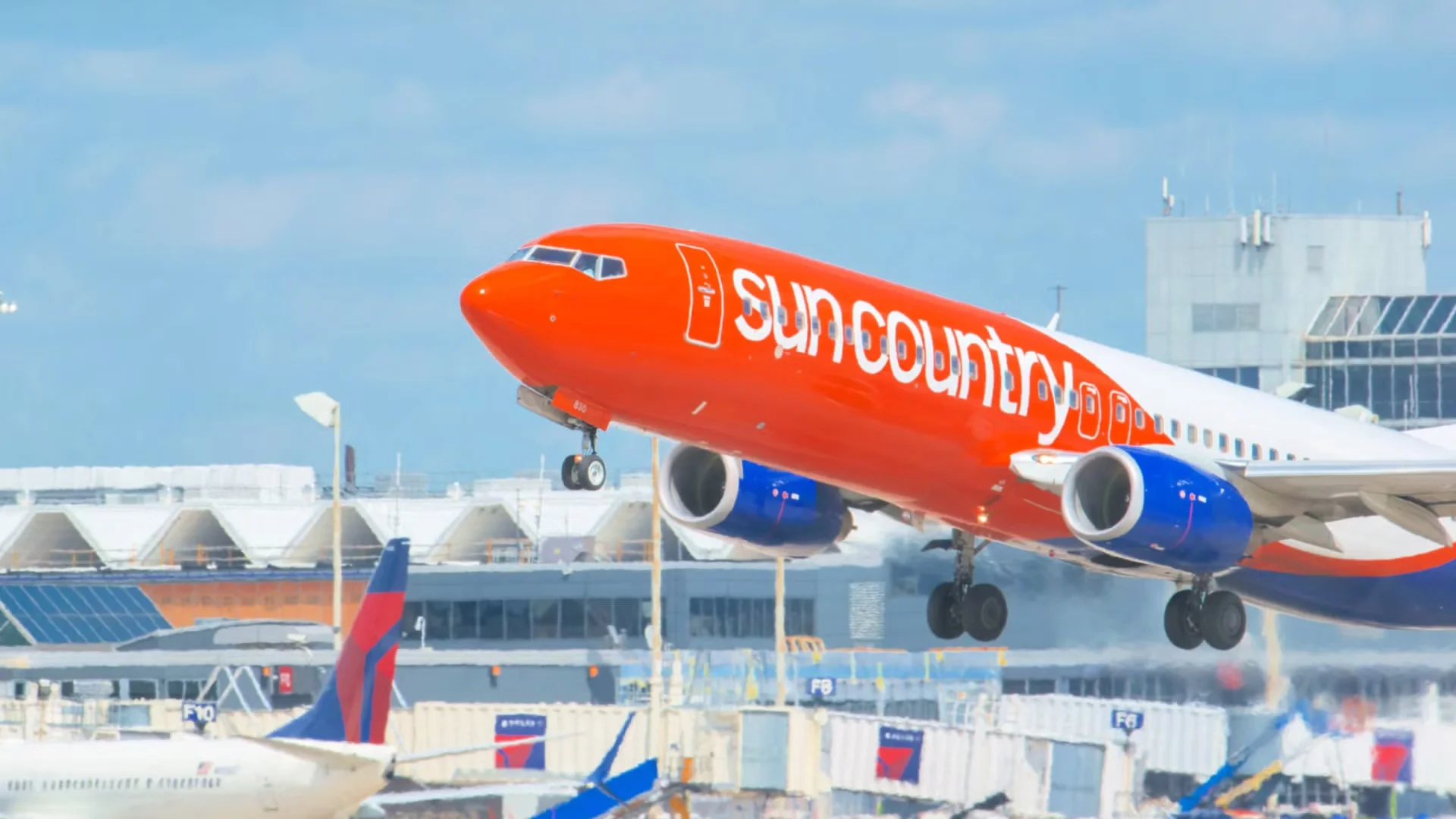
The merger announcement comes just months after Sun Country's significant expansion of its booking schedule. In October 2025, the airline extended its selling schedule through September 8, 2026, allowing customers to book affordable travel to over 100 destinations for the following summer. This included popular vacation spots like Anchorage, Boston, New York, Los Angeles, and Seattle, plus unique mountain destinations such as Traverse City, Michigan, and Bozeman, Montana.
The merger timeline now unfolds as follows: The definitive agreement was signed and announced on January 11, 2026, with both companies' boards unanimously approving the transaction. Regulatory review by the U.S. Department of Justice and other agencies will continue through the first half of 2026, with shareholder votes expected in the coming months. If approved, the merger would close in the second half of 2026, though airlines will continue operating separately until they obtain a single operating certificate from the FAA.
Why This Merger Matters: Expert Analysis on Travel Impact
For travelers, the Allegiant-Sun Country combination could mean significantly expanded vacation options. Allegiant's strength lies in connecting small and mid-sized cities to popular leisure destinations, while Sun Country brings international reach to Mexico, Central America, Canada, and the Caribbean from its Minneapolis hub. Together, the airlines promise to connect Minneapolis-St. Paul International Airport (MSP) to many of Allegiant's mid-size markets while giving Allegiant customers access to 18 international destinations they couldn't previously reach.
"This combination is an exciting next chapter in Allegiant and Sun Country's shared mission in providing affordable, reliable, and convenient service from underserved communities to premier leisure destinations," said Allegiant CEO Gregory C. Anderson in the merger announcement. Sun Country's Jude Bricker added, "We are two customer-centric organizations, deeply committed to delivering affordable travel experiences without compromising on quality."
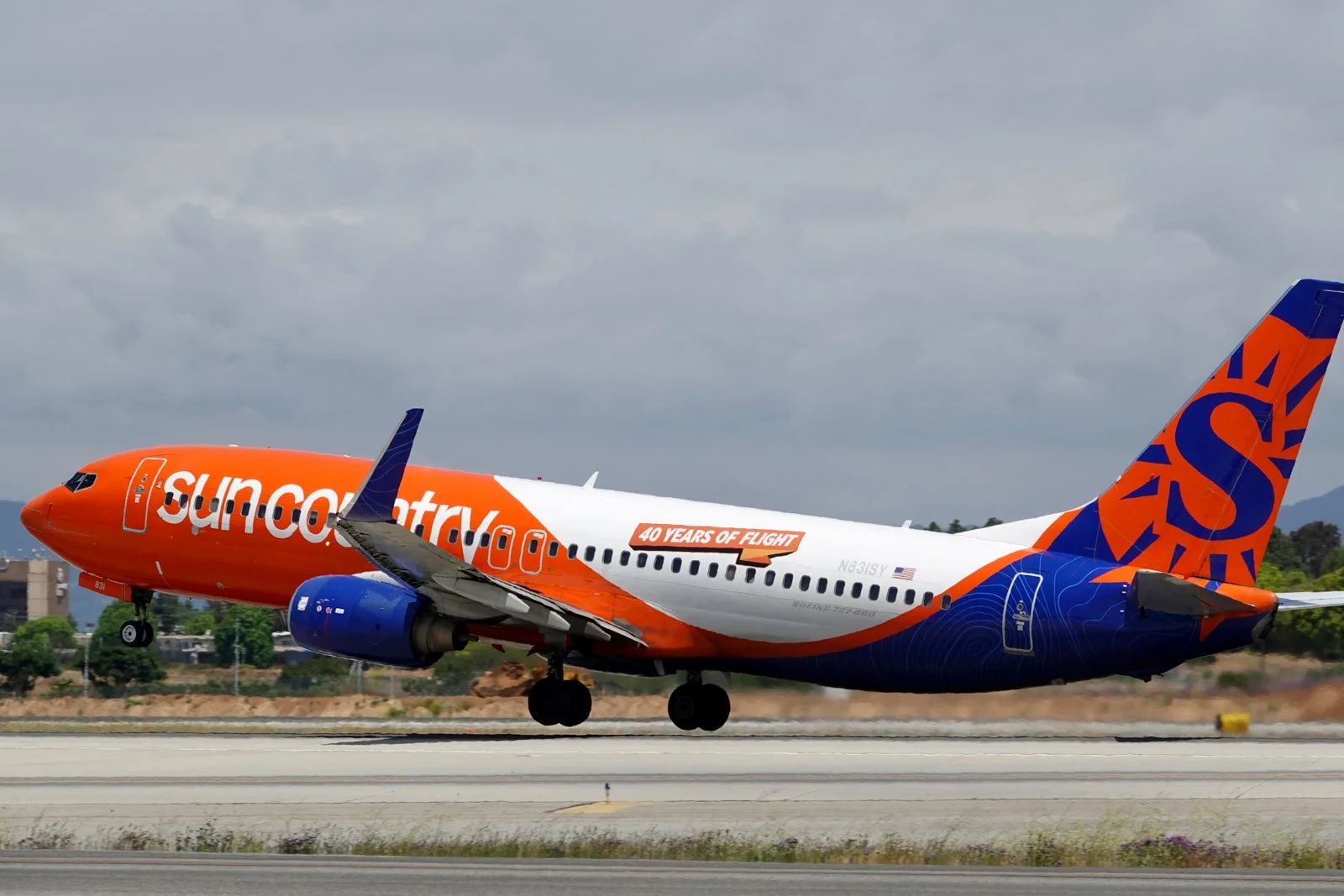
Industry analysts note this merger differs significantly from recent blocked airline combinations. "Allegiant and Sun Country have limited route overlap and complementary business models," explains Simple Flying's analysis. "Both focus on cost-conscious leisure travelers rather than dominating major hub airports, making regulatory approval more likely than the blocked Spirit-JetBlue merger." The combined airline would still be considerably smaller than the "Big Four" carriers—American, United, Delta, and Southwest—which together control about 70% of the U.S. domestic market.
Where Things Stand Now: What Travelers Should Know
For now, both airlines continue operating independently. Travelers with existing bookings on either Allegiant or Sun Country should see no immediate changes to their flights, schedules, or ticketing. The companies emphasize there will be no impact on current travel experiences until the merger closes and integration begins, which could take 12-18 months after regulatory approval.
The merger faces review by the Trump administration's Department of Justice, which has recently shown varying approaches to airline consolidation. While the Alaska Airlines-Hawaiian Airlines merger received approval in late 2024, the proposed Spirit-JetBlue combination was blocked in early 2024 over competition concerns. Experts suggest the Allegiant-Sun Country deal has better prospects due to the airlines' complementary networks and smaller market shares.
What Happens Next: The Road Ahead for Budget Travel
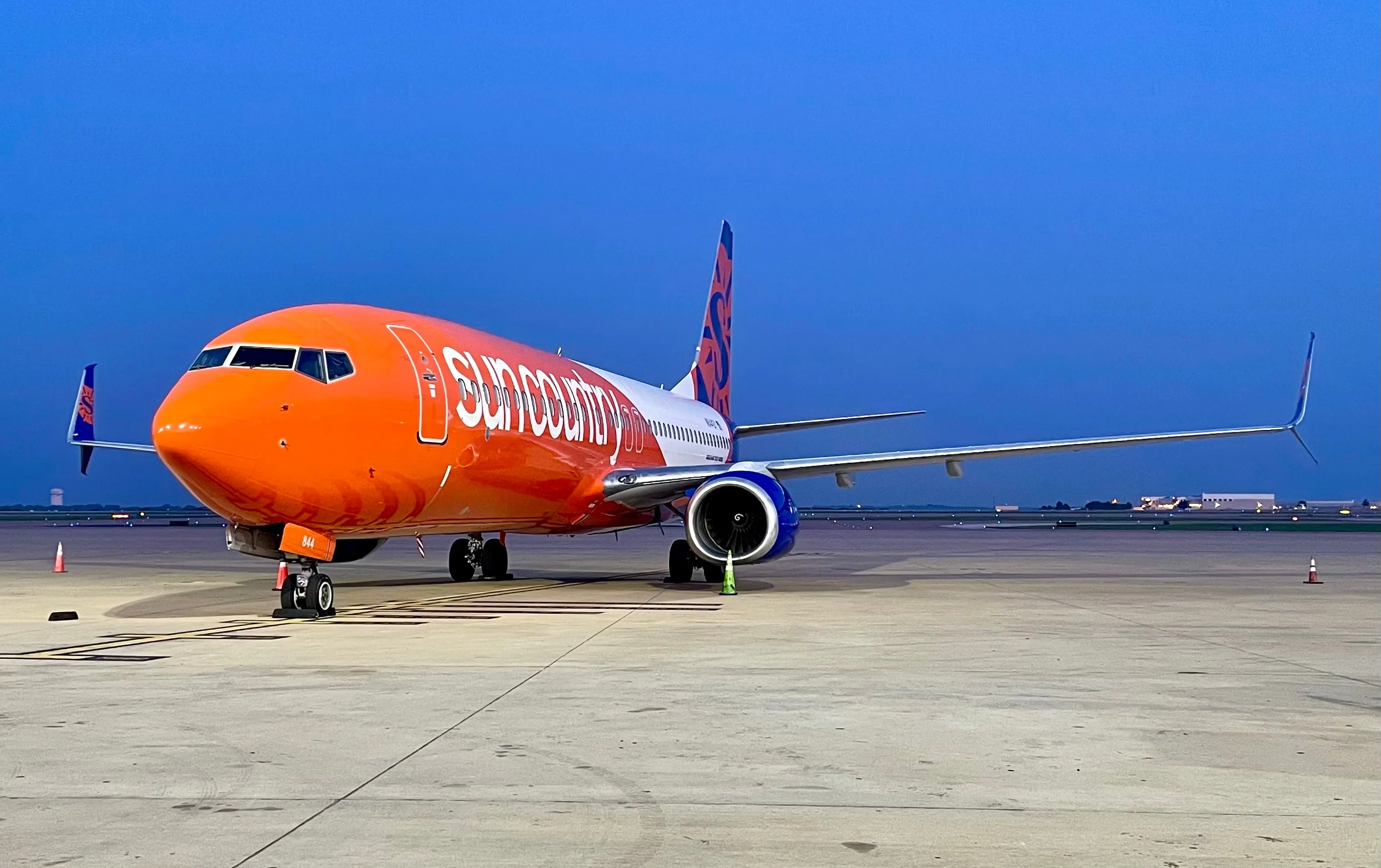
Looking ahead, the combined airline plans to leverage its expanded fleet of nearly 200 aircraft—including both Airbus and Boeing planes—to optimize routes and schedules. Allegiant expects to achieve $140 million in annual synergies within three years of closing, primarily through network optimization and operational efficiencies. Travelers can anticipate more frequent service to popular vacation destinations during peak seasons and potentially lower fares on competitive routes.
The merger also promises enhanced loyalty benefits, combining Sun Country's 2 million members with Allegiant's 21 million-member program. While specific details haven't been announced, the larger program could offer more earning opportunities, richer redemption options, and greater flexibility for budget-conscious travelers.
The Bottom Line: Key Points to Remember
- Historic Merger: Two of America's leading leisure-focused airlines are combining in a $1.5 billion deal announced January 11, 2026.
- Expanded Destinations: The combined airline will offer more than 650 routes across 175+ cities, including international access to Mexico, Central America, Canada, and the Caribbean.
- Brand Changes: Sun Country's 43-year-old brand will disappear, with all operations eventually transitioning to the Allegiant name.
- Timeline: The merger is expected to close in the second half of 2026, pending regulatory and shareholder approvals.
- Current Travel: No immediate changes for passengers—continue booking and flying with both airlines as usual.
- Future Benefits: Expect potential fare competition, expanded route networks, and enhanced loyalty programs once integration is complete.
For budget-conscious travelers, the Allegiant-Sun Country merger represents both an end and a beginning: the conclusion of a beloved regional carrier's independent existence, but potentially the start of more affordable and accessible vacation options across North America. As the regulatory process unfolds in the coming months, travelers will gain clearer insight into how this significant airline consolidation will reshape the landscape of budget air travel in the United States.