
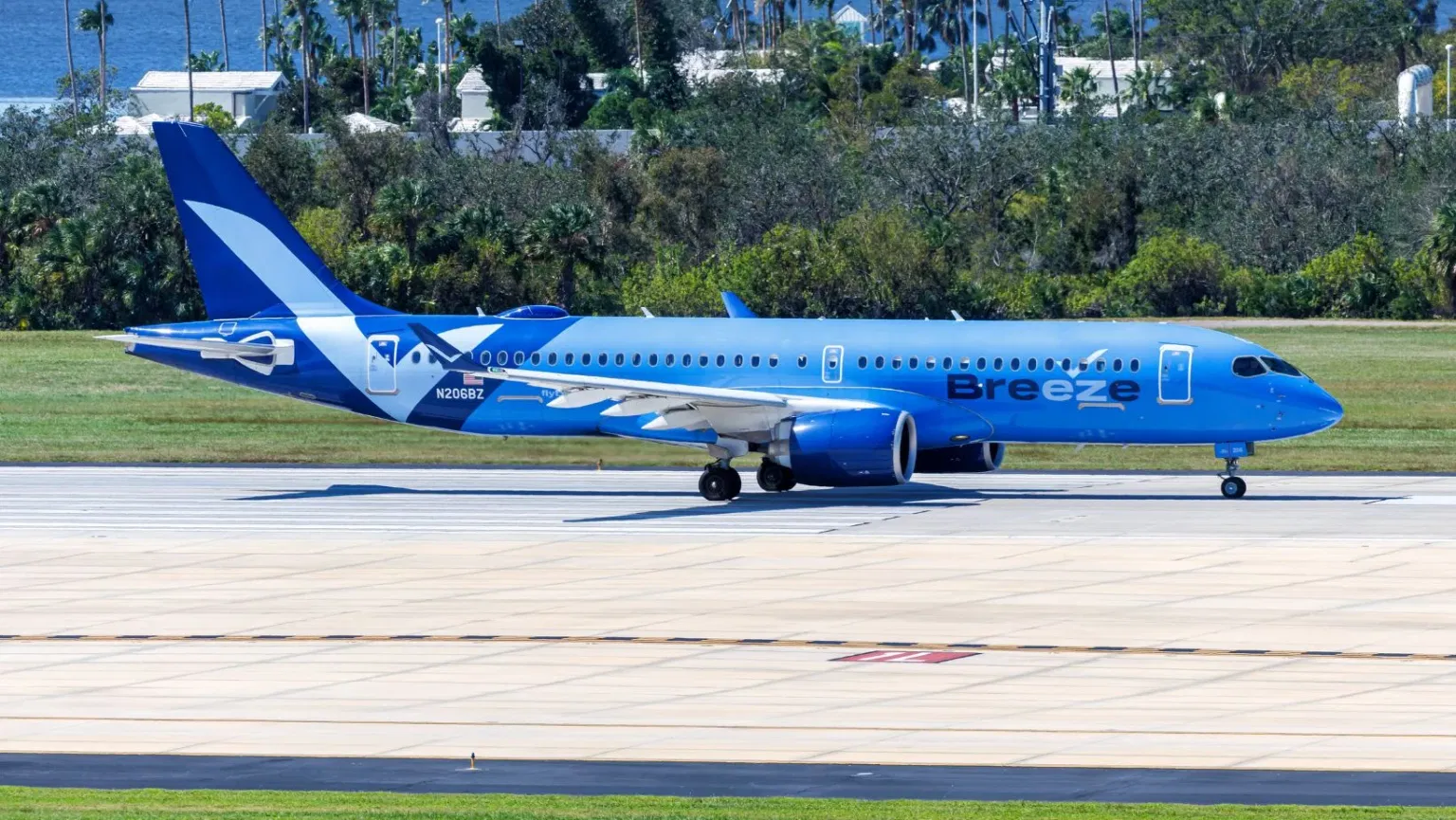
In a major milestone for the travel industry, Breeze Airways has achieved its first profitable quarter just three years after launching operations, while simultaneously announcing its expansion into international markets. The Utah-based low-cost carrier reported over $200 million in revenue for the fourth quarter of 2024 with an operating margin exceeding 4%, marking a significant turning point for the airline founded by industry veteran David Neeleman. This financial success comes as Breeze prepares to launch its first international routes to Mexico, Jamaica, and the Dominican Republic in early 2026, positioning itself as a serious contender in the competitive leisure travel market.
How Breeze Airways Turned Its First Profit
The path to profitability for Breeze Airways represents a carefully executed strategy targeting underserved markets across the United States. According to the airline's January 2025 announcement, the fourth quarter of 2024 saw the carrier generate more than $200 million in revenue while achieving an operating margin of over 4%. This milestone came less than four years after Breeze launched its first routes in May 2021, demonstrating remarkably rapid growth in a challenging industry environment. The airline carried over 4.2 million passengers in 2024 alone, a testament to its popularity among leisure travelers seeking affordable, nonstop service between secondary markets.
Timeline: From Startup to Profitability in Record Time
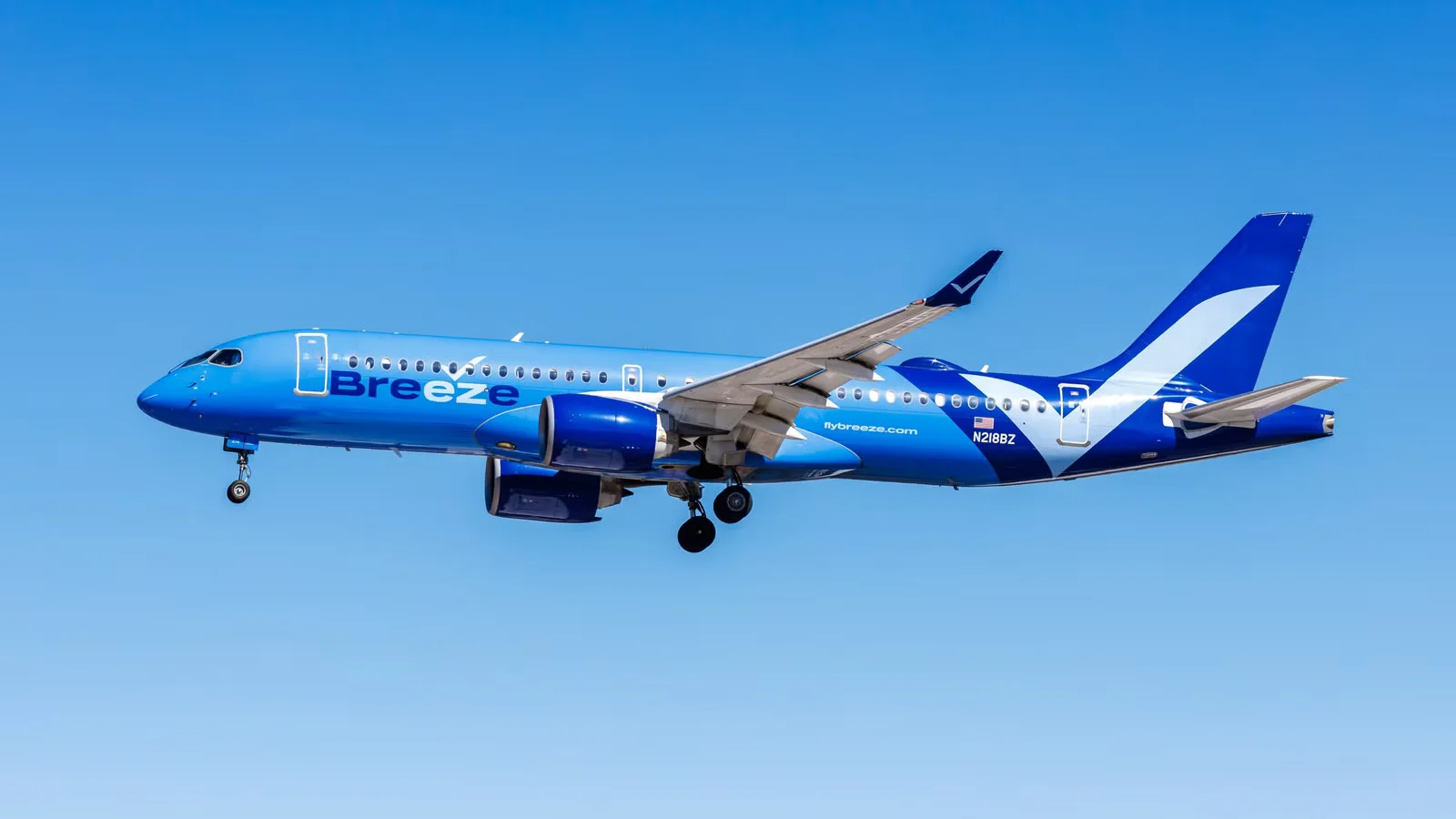
Breeze Airways' journey from concept to profitable operation has followed an accelerated timeline that defies industry norms. The airline was founded in 2018 but didn't commence operations until May 2021, initially connecting 16 cities across the Southeast and East Coast. By March 2024, the carrier recorded its first month of operating profits, less than three years after starting service. The turning point came in the fourth quarter of 2024 when Breeze achieved its first full quarter of operating profit. This rapid progression contrasts with the typical 5-7 year path to profitability for most airline startups, highlighting the effectiveness of Breeze's targeted route strategy and lean operating model.
Why Breeze's Business Model Is Changing Travel
At the heart of Breeze Airways' success lies a unique business model that specifically targets underserved routes between secondary airports. Unlike traditional carriers that focus on major hubs, Breeze connects cities that typically lack direct air service, such as Charleston to Providence or Hartford to Nashville. This point-to-point approach eliminates connecting flights for travelers in these markets while keeping costs low through the use of efficient Airbus A220-300 aircraft. The airline has built its reputation on what it calls the "Nice, New and Nonstop" proposition—offering modern aircraft, straightforward service, and direct routes at affordable fares. This strategy has allowed Breeze to stimulate new travel demand rather than simply competing for existing passengers on established routes.
Current Status: International Expansion Takes Flight
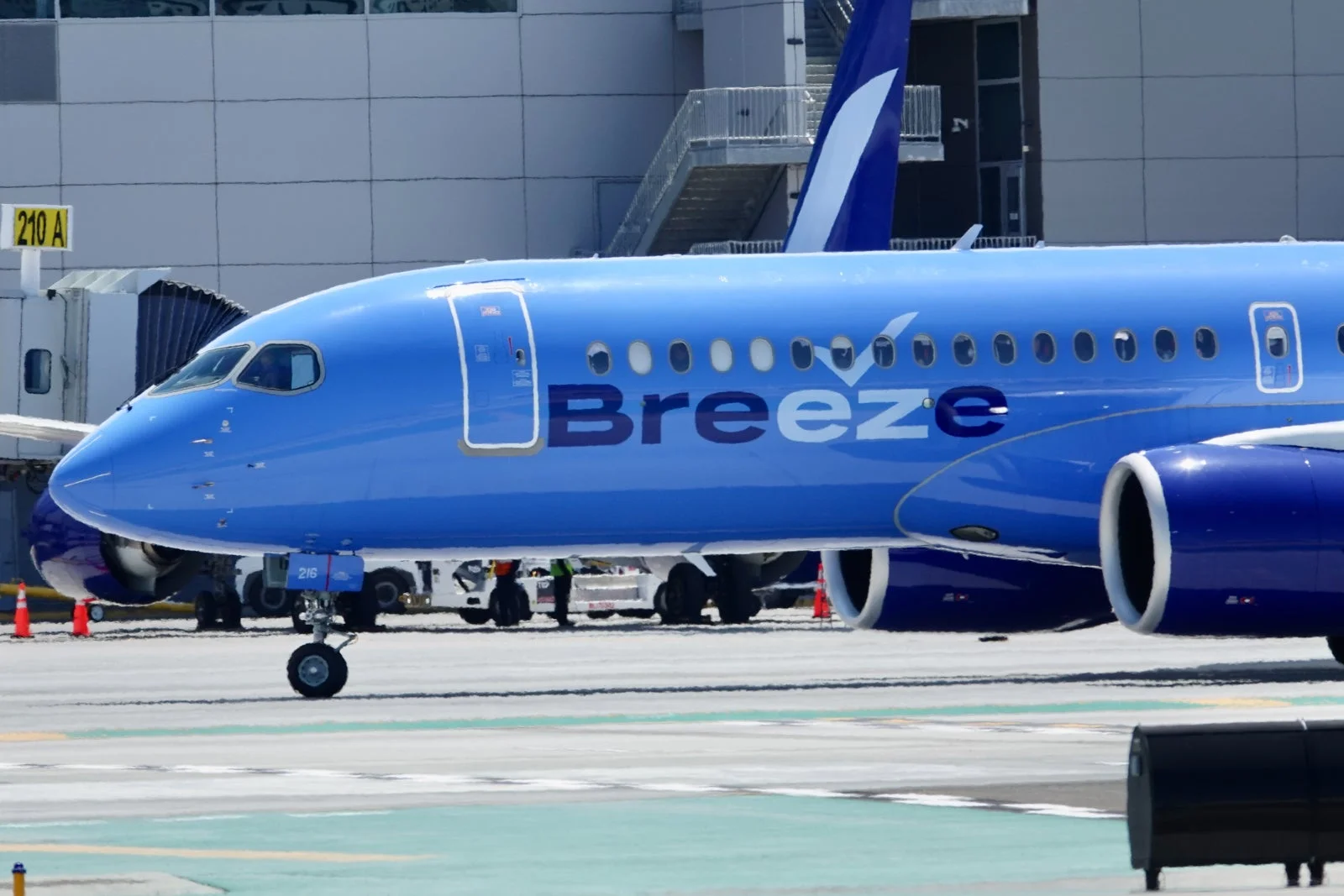
Building on its domestic success, Breeze Airways is now preparing for its most significant expansion yet: international service. In September 2025, the airline announced its first seven international routes to Mexico and the Caribbean, scheduled to begin in the first quarter of 2026. The new destinations include Cancun, Mexico; Montego Bay, Jamaica; and Punta Cana, Dominican Republic. These routes will connect from Breeze's existing focus cities like Raleigh-Durham, Norfolk, and Providence, offering leisure travelers more affordable options to popular vacation destinations. The international expansion follows Breeze's certification as a U.S. flag carrier, which enables the airline to operate beyond domestic borders while maintaining its low-cost structure.
What Happens Next: The Future of Affordable Air Travel
Looking ahead, Breeze Airways has ambitious plans that could reshape the landscape of affordable air travel. CEO David Neeleman has indicated that the airline could eventually grow to a fleet of 400 aircraft, a substantial increase from its current 30+ Airbus A220s and Embraer E-Jets. The carrier's goal for 2025 is to achieve full-year operating profitability while continuing to add new routes and cities. Breeze is also exploring additional international opportunities beyond its initial Caribbean and Mexico markets, potentially including Canada and other nearby international destinations. As the airline matures, it plans to further refine its two-class service offering—"Nice" and "Nicer"—which provides travelers with options ranging from basic economy to premium seats with extra legroom and amenities.
The Bottom Line: Key Points for Travelers
For travelers, Breeze Airways' success story translates to more options and better value. The airline's focus on underserved markets means new nonstop routes between cities that previously required connections. Its international expansion provides affordable access to popular vacation destinations. With a modern fleet of fuel-efficient aircraft and a growing route network, Breeze is positioned to become a major player in leisure travel. As the airline continues its growth trajectory, passengers can expect more route announcements, competitive fares, and the convenience of direct service to an increasing number of destinations across North America and the Caribbean.