
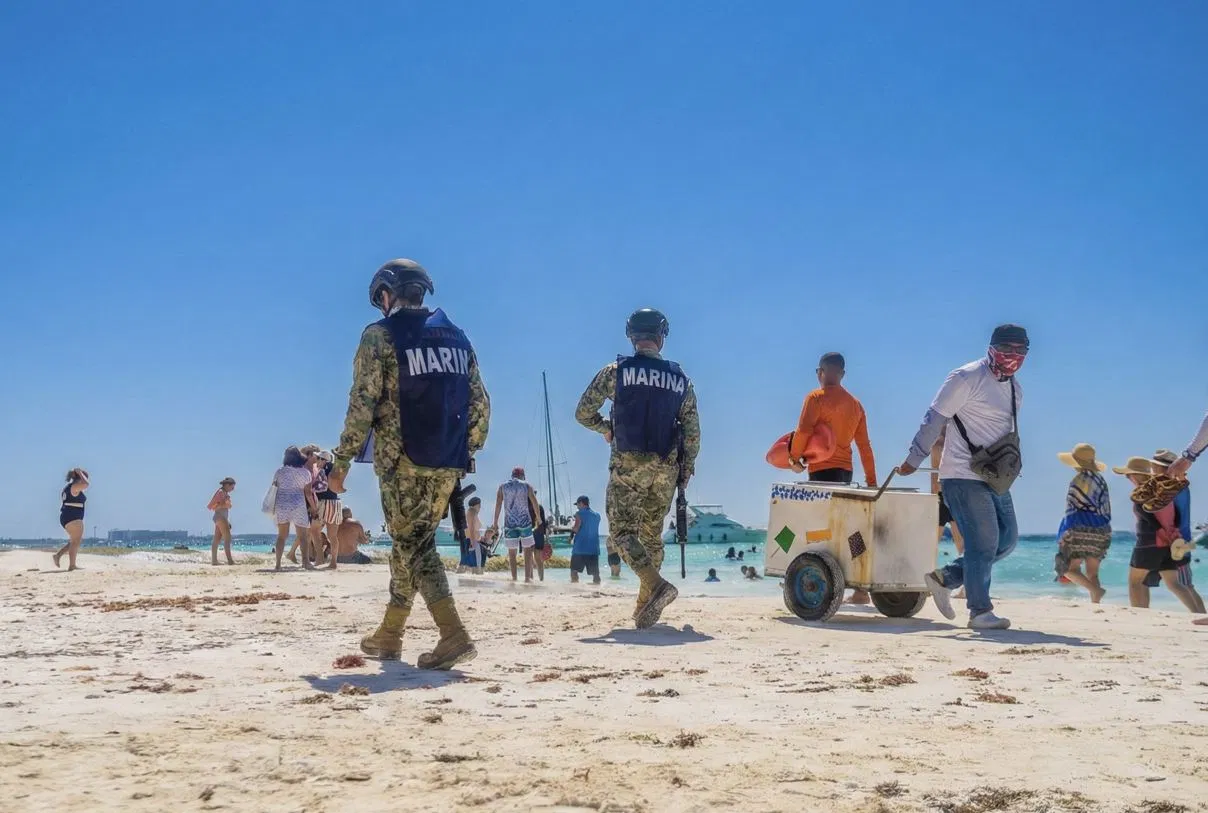
The recent travel panic that gripped Mexico's most popular tourist destinations has officially ended, with Cancun leading the return to normalcy. As of February 24, 2026, the U.S. Mission to Mexico has confirmed that the security situation in Quintana Roo—home to Cancun, Playa del Carmen, and Tulum—has "returned to normal," lifting the shelter-in-place alerts that had temporarily disrupted travel plans for thousands of American tourists.
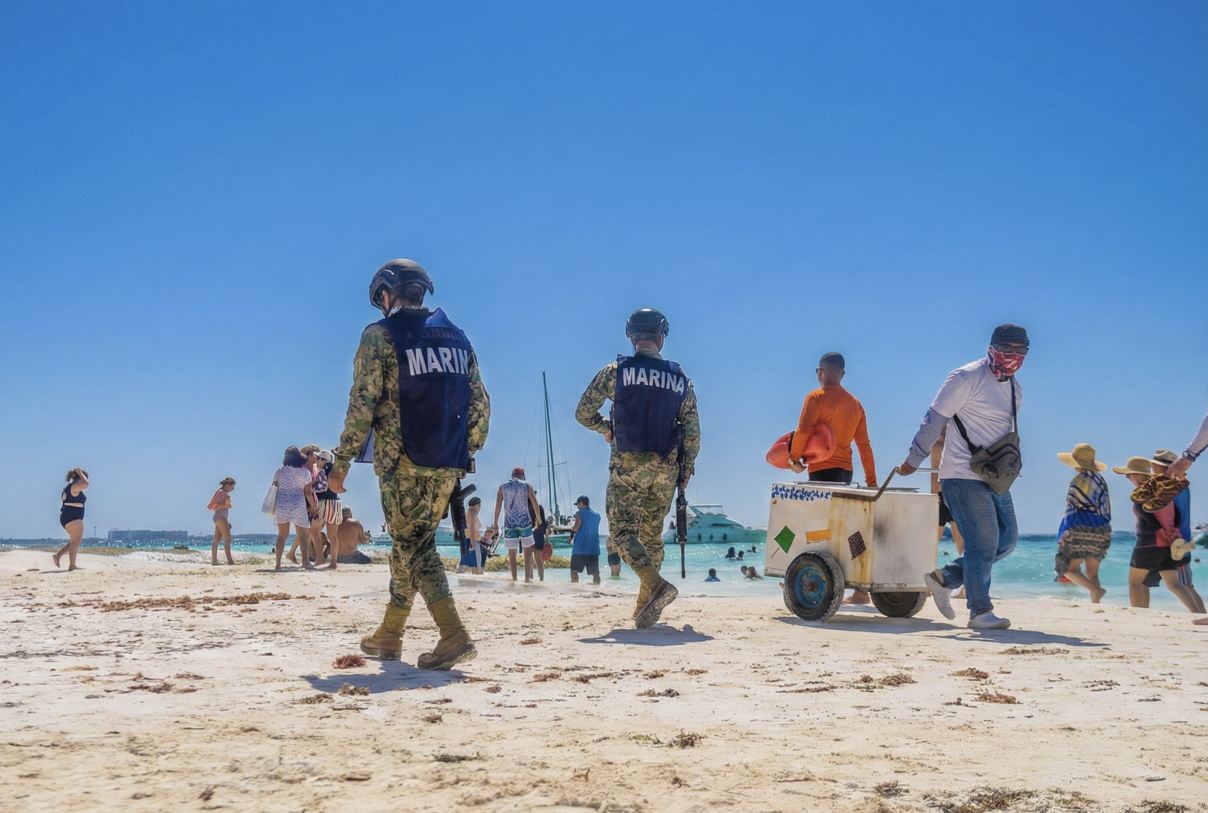
How the Cancun Crisis Unfolded: From Chaos to Calm
The trouble began on February 22, 2026, when the U.S. Embassy in Mexico issued an urgent security alert urging American citizens in multiple Mexican states to shelter in place. The alert cited "ongoing security operations and related road blockages and criminal activity" that had created what embassy officials described as "short-term instability for travelers and locals alike." The situation stemmed from a major military operation in Jalisco state that resulted in the killing of powerful drug cartel leader Nemesio "El Mencho," triggering retaliatory violence and road blockages across several regions.
At Cancun International Airport, the ripple effects were immediate and severe. On February 23, 2026, travelers faced significant disruptions with dozens of flights delayed or canceled, leaving hundreds stranded amid heightened security measures. Cancun International Airport and Mexico City's main airport reported a combined 62 delays and 29 cancellations in a single wave of disruptions. While no airports were officially closed, roadblocks impacted airline operations by complicating crew movements and logistics.
Timeline: The Mexico Travel Panic from Start to Resolution
The sequence of events unfolded rapidly over three critical days that tested Mexico's tourism infrastructure during what should have been the beginning of peak Spring Break season. On February 22, 2026, the U.S. Embassy issued its initial shelter-in-place alert affecting multiple states including Jalisco, Quintana Roo, and others. By February 23, airport chaos ensued with widespread flight cancellations and delays at major tourist hubs. Travelers reported being stuck at airports for hours without clear information about when they could depart.
The turning point came on February 24, 2026, when the U.S. Mission to Mexico issued an update stating that the situation had "returned to normal" in several states, including Quintana Roo. The embassy explicitly confirmed there are "no highway blockades in the state" and that "airports are fully operational." This official clearance came just in time for the approaching Spring Break travel period, which sees thousands of American students and families heading to Mexican beach destinations.
Why This Crisis Matters for Travelers and the Tourism Industry
The timing of this security crisis couldn't have been worse for Mexico's tourism sector. With Spring Break 2026 just weeks away, the country relies heavily on the influx of American tourists who contribute billions to the local economy. The sudden travel disruptions threatened to derail what is typically one of the busiest and most profitable periods for resorts, airlines, and local businesses throughout the Riviera Maya.
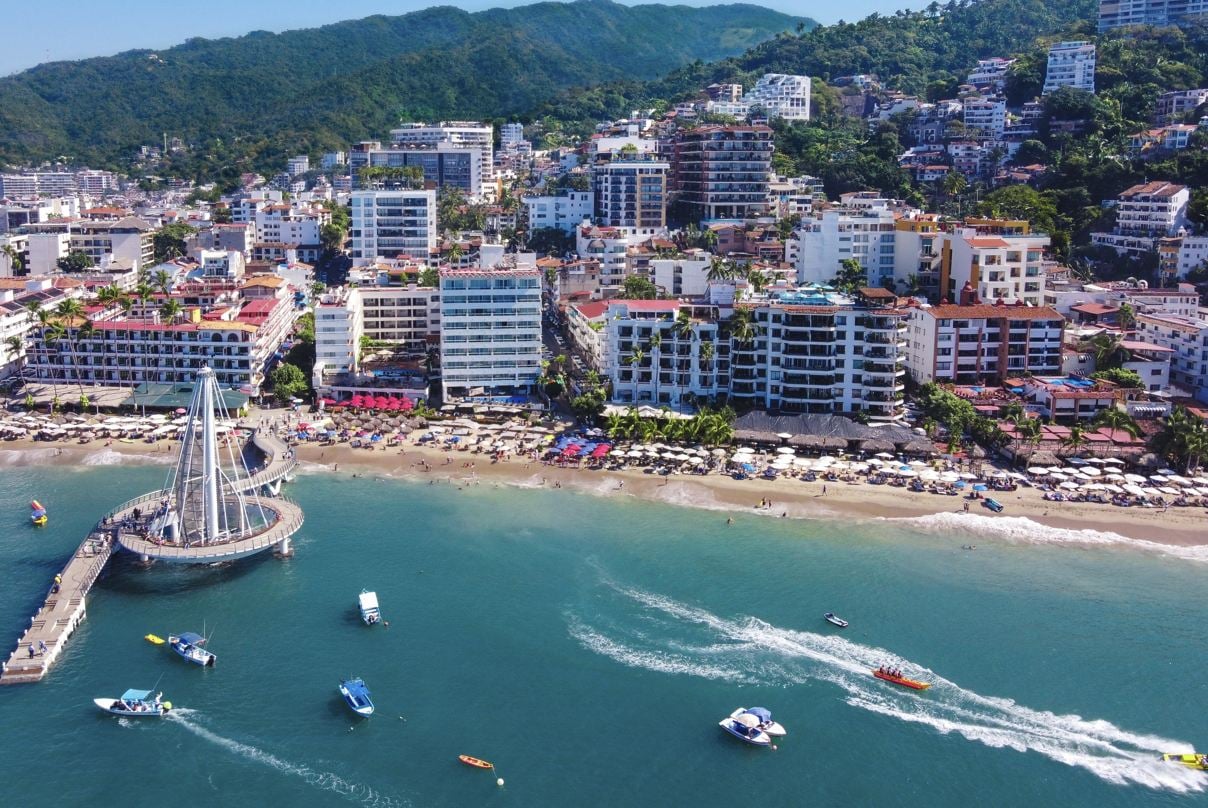
Security experts note that while the most severe incidents occurred in Jalisco state—particularly affecting Puerto Vallarta and Guadalajara—the psychological impact spread to other popular destinations like Cancun. "To put it in perspective," one travel analyst explained, "canceling a trip to Cancun because of violence in Jalisco is like canceling a trip to Miami, Florida, because there is unrest in Chicago." Nevertheless, the interconnected nature of Mexico's transportation infrastructure meant that disruptions in one region inevitably affected others.
Where Things Stand Now: Current Status of Mexican Travel Destinations
As of February 24, 2026, the travel landscape in Mexico has largely stabilized. Puerto Vallarta's airport has reopened and flights are resuming normal operations. Cancun, Playa del Carmen, and Tulum have been officially cleared by the U.S. Embassy for travel, with the shelter-in-place advisory lifted specifically for Quintana Roo. The State Department's travel advisory for the region remains at Level 2: "Exercise Increased Caution," which is unchanged from before the recent crisis.
It's important for travelers to understand what Level 2 means in practical terms. This advisory warns of risks from civil unrest and recommends that visitors "pay attention to your surroundings after dark in downtown areas of Cancun, Tulum, and Playa del Carmen." The advisory also notes that "shootings between rival gangs have injured and killed innocent bystanders" in tourist areas, though such incidents typically don't target tourists directly.
What Happens Next: The Road Ahead for Mexico Tourism
The rapid resolution of this crisis demonstrates both the resilience of Mexico's tourism infrastructure and the importance of clear communication from official sources. Travel industry experts predict that while there may be some short-term hesitation from cautious travelers, the fundamental appeal of Mexico's beach destinations remains strong. Cancun's hotel zone never actually closed during the alert period, and most resorts continued operating normally with enhanced security measures.
Airlines are now working to stabilize their schedules and accommodate passengers whose travel was disrupted. Travelers with upcoming trips to Cancun and the Riviera Maya should check directly with their airlines for the most current flight information and allow extra time for airport security procedures, which may remain heightened in the near term.
Health Considerations: Beyond Security to Wellness in Quintana Roo
While security concerns have dominated recent headlines, health authorities remind travelers to Cancun and surrounding areas to remain vigilant about mosquito-borne illnesses. The region continues to see activity from dengue, chikungunya, and Zika viruses, though at significantly reduced levels compared to previous years. In 2025, Mexico reported approximately 141,421 dengue cases nationwide with 85 fatalities, with Quintana Roo accounting for a notable share of cases.
The good news is that as of early 2026, Mexico has seen an 83% decrease in dengue cases compared to the same period in 2025. Chikungunya and Zika transmission remains sporadic and low, with only four confirmed cases of each reported nationwide in 2025. Health experts emphasize mosquito bite prevention as the primary defense, recommending insect repellent, protective clothing, and staying in accommodations with screened windows and air conditioning.
Key Takeaways for Your Cancun Vacation
The bottom line for travelers is that Cancun has returned to "vacation as normal" following a brief period of uncertainty. The U.S. Embassy has officially lifted its shelter-in-place advisory for Quintana Roo, airports are fully operational, and no highway blockades remain in the state. While the Level 2 travel advisory remains in effect—as it has for years—this represents standard precautions rather than exceptional danger.
For those planning Spring Break or summer travel to Cancun, the situation has stabilized sufficiently to proceed with vacation plans while maintaining reasonable precautions. Monitor official sources like the U.S. Embassy website for updates, purchase comprehensive travel insurance, and stay informed about both security and health considerations. With these measures in place, the white sands and turquoise waters of Cancun await as they have for decades of satisfied travelers.