

Chiricahua National Park officially joined the ranks of America's most celebrated landscapes on October 20, 2026, when President Donald Trump signed the Chiricahua National Park Act into law — turning southeastern Arizona's beloved "Wonderland of Rocks" from a national monument into the country's 64th national park. The change makes Chiricahua Arizona's fourth national park, joining the Grand Canyon, Saguaro, and Petrified Forest, and marks the first new national park designation anywhere in the United States in nearly six years, since West Virginia's New River Gorge earned the title in December 2020. For travelers, the upgrade is far more than a name change: it shines a national spotlight on a spectacular, still-uncrowded destination of towering rhyolite spires, shaded pine forests, and rare sky-island wildlife.
A 'Wonderland of Rocks' Finally Earns the National Park Title
The roughly 12,000-acre park in Cochise County, near the small railroad town of Willcox, has been quietly dazzling visitors for a century. Its signature feature is a maze of volcanic rock pinnacles — hoodoos and balancing rocks that rise hundreds of feet into the high-desert sky. These formations were born from a cataclysmic volcanic eruption roughly 27 million years ago, when the Turkey Creek caldera blanketed the region in rhyolitic ash that later eroded into the fantastical spires seen today.
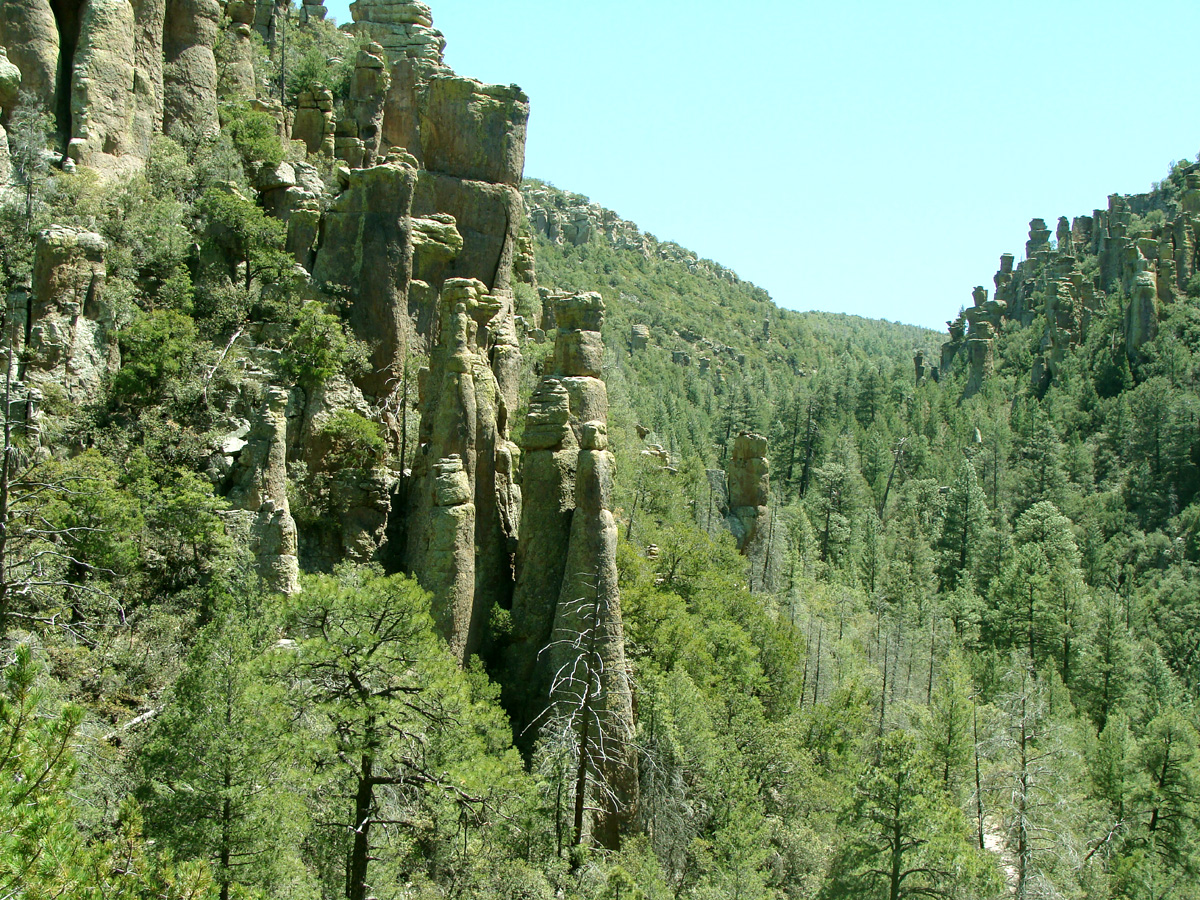
The park's evocative nickname, "Wonderland of Rocks," captures the otherworldly feel of its Echo Canyon and Heart of Rocks, where balanced boulders appear to defy gravity. Yet Chiricahua is also a biodiversity hotspot — a "sky island" where the Chihuahuan and Sonoran deserts meet the southern Rocky Mountains. Visitors may spot coatimundis, Chiricahua and Apache fox squirrels, and Arizona white-tailed deer, and birders can search for the elegant trogon among the roughly 200 bird species recorded within the park.
From 1924 Monument to 2026 National Park: The Road to Redesignation
Chiricahua's protected status stretches back more than a century. President Calvin Coolidge established the area as Chiricahua National Monument on April 18, 1924, to preserve its extraordinary pinnacles. Long before that, the land was home to the Chiricahua Apache, and the name itself derives from an Opata word meaning "wild turkey." In 1887, Swedish immigrants Neil and Emma Erickson homesteaded Bonita Canyon and built Faraway Ranch, which later became one of Arizona's earliest guest ranches; their daughter Lillian and son-in-law Ed Riggs championed the area's conservation and helped carve its earliest trails, later joined by Civilian Conservation Corps crews in the 1930s.
The push to elevate the monument to a full national park picked up serious momentum in recent years. Arizona Senator Mark Kelly first introduced the legislation in 2021 and kept pushing it through successive sessions of Congress. The U.S. House passed the Chiricahua National Park Act on March 16, 2026, and the Senate followed with unanimous consent on September 30, 2026, sending the bill to the president's desk. With the president's signature on October 20, the redesignation became official — the first new national park created in nearly six years.
Why the 'National Park' Label Changes Everything for Travelers
In practical terms, the redesignation does not expand the park's boundaries or alter its day-to-day management, which remains with the National Park Service. But the "national park" name carries outsized weight. National parks consistently draw more visitors, longer stays, and greater regional spending than monuments, and local leaders in Willcox and Cochise County are already anticipating a tourism boost across southeastern Arizona. New River Gorge in West Virginia offers a precedent: after its own monument-to-park redesignation in 2020, visitation surged as travelers rushed to check off the newest name on the national park list.
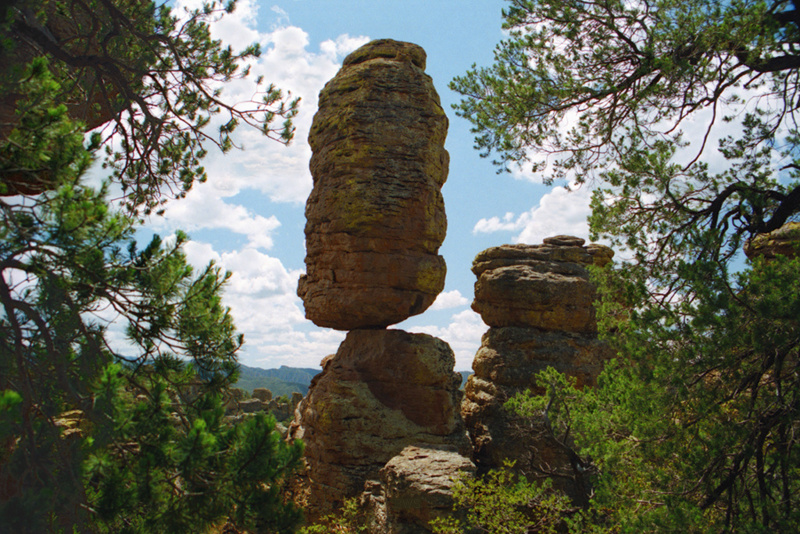
The timing matters, too. Chiricahua arrives as the latest entry on the bucket lists of travelers hunting for national-park experiences beyond the crowded marquee destinations. Compared with the Grand Canyon's throngs, Chiricahua remains blissfully uncrowded, offering solitude among hoodoos that look like nature's own sculpture garden. The new designation is expected to draw first-time visitors eager to check off "America's newest national park" while the crowds are still thin.
What Visitors Should Know Before They Go
Planning a visit to Chiricahua National Park is refreshingly straightforward. The Bonita Canyon Scenic Drive — an 8-mile paved route — climbs from the visitor center past roadside rock formations to Massai Point, where panoramic overlooks reveal the full sweep of the pinnacles. More than 17 miles of hiking trails wind through the formations, from the easy 0.9-mile Faraway Ranch Trail to the strenuous 9.5-mile "Big Loop," which strings together Echo Canyon, Heart of Rocks, and Big Balanced Rock. The park's elevation, ranging from about 5,700 to more than 7,000 feet, keeps summer temperatures milder than the surrounding desert.
Practical details: the visitor center is open daily from 8 a.m. to 5 p.m., a free hiker shuttle departs at 9 a.m., Bonita Canyon Campground offers the only overnight camping inside the park, and entry is free. Because the area is remote — Willcox is the nearest town, roughly 37 miles away — visitors should fill up on gas and stock up on food and water before arriving, and carry at least two to three liters of water per person on the trails.
What's Next for Arizona's Newest National Park
With the ink dry on the new law, the National Park Service is expected to roll out updated signage and branding as "Chiricahua National Park" replaces "Chiricahua National Monument." Beyond the logistics, the park's future is expected to include growing visitation, expanded tourism infrastructure in Willcox, and a higher profile in national and international travel media. For now, the message from park advocates is simple: come see the Wonderland of Rocks before the secret fully gets out.
The Bottom Line: Chiricahua National Park at a Glance
- What happened: Chiricahua National Monument was redesignated Chiricahua National Park on October 20, 2026.
- The milestone: It is America's 64th national park and Arizona's fourth, and the first new national park in nearly six years.
- Where it is: Cochise County in southeastern Arizona, about 37 miles from Willcox.
- What to see: Rhyolite hoodoos and balancing rocks, the 8-mile Bonita Canyon Scenic Drive, and the Massai Point overlook.
- What to do: Hike Echo Canyon, Heart of Rocks, the Big Loop, or the Faraway Ranch Trail; camp at Bonita Canyon Campground.
- Wildlife to watch for: Coatimundis, fox squirrels, white-tailed deer, and about 200 bird species.
- Good to know: Entry is free, the visitor center is open 8 a.m.–5 p.m., and a free hiker shuttle runs at 9 a.m.