
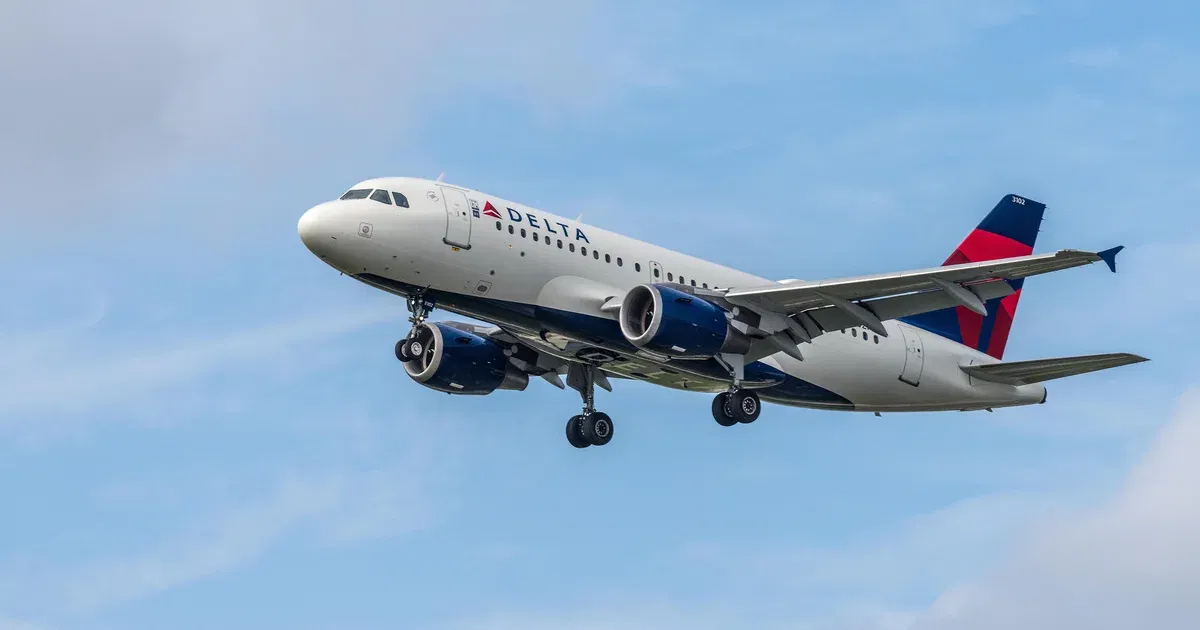
A Delta Air Lines flight from Atlanta to Fort Lauderdale became the latest incident highlighting the growing danger of lithium battery fires in aviation when it made an emergency landing in Fort Myers, Florida, on July 7, 2025. Flight 1334, a Boeing 757-200 carrying 185 passengers and six crew members, diverted to Southwest Florida International Airport after a passenger's personal electronic device battery caught fire mid-flight, filling the cabin with smoke and triggering an emergency response. The incident, which fortunately resulted in no injuries, has reignited concerns about battery safety aboard aircraft as the Federal Aviation Administration reports a staggering 388% increase in lithium battery fires since 2015.
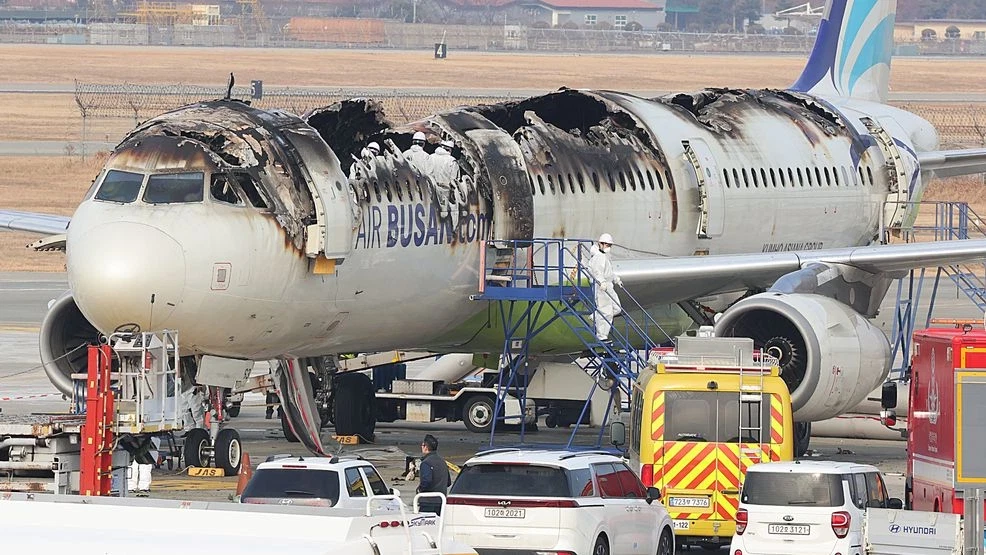
How Delta Flight 1334's Emergency Landing Unfolded
The morning routine flight departed Hartsfield-Jackson Atlanta International Airport just after 7 a.m. Eastern Time on what should have been a two-hour journey to Fort Lauderdale. Approximately an hour into the flight, passengers reported hearing a loud pop followed by smoke filling the cabin. Flight attendants quickly identified the source—a burning personal battery belonging to a passenger—and used fire extinguishers to contain the flames. Despite successfully extinguishing the fire, residual smoke prompted the flight crew to declare an emergency and divert to the nearest suitable airport.
"Flight attendants worked quickly to extinguish a probable burning personal battery belonging to a customer while pilots followed procedures to safely divert the flight," a Delta spokesperson confirmed in statements to multiple news outlets. The aircraft landed safely at Southwest Florida International Airport in Fort Myers at 8:48 a.m., where fire crews met the plane as a precaution. All passengers and crew evacuated without injury, though the aircraft was taken out of service for inspection.
Timeline: The Battery Fire Incident from Takeoff to Landing
The sequence of events aboard Delta Flight 1334 provides a case study in how airlines handle battery emergencies. At 7:05 a.m., the Boeing 757-200 departed Atlanta's runway 9R. By 7:52 a.m., the crew reported smoke in the cabin to air traffic control. Within minutes, flight attendants had located and extinguished the burning battery using onboard firefighting equipment. At 7:58 a.m., the pilots declared an emergency and received clearance to divert to Fort Myers. The aircraft touched down at 8:48 a.m., with emergency services standing by. By 10:30 a.m., Delta had arranged alternative transportation for passengers to continue to Fort Lauderdale, while the damaged aircraft underwent safety inspections.
This incident follows a worrying pattern documented by aviation authorities. According to FAA data, there were 34 incidents involving lithium batteries in the first half of 2025 alone—11 of which involved battery packs like the one suspected in the Delta incident. The agency's records show these fires now occur nearly twice weekly across U.S. aviation, up from just a few incidents annually a decade ago.
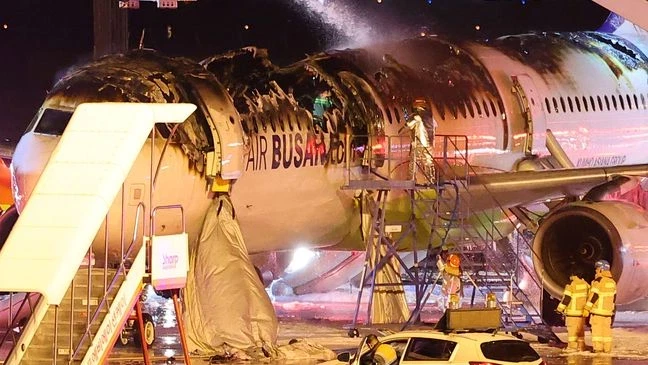
Why Lithium Battery Fires Are a Growing Threat to Air Travel
The dramatic increase in battery-related incidents stems from the proliferation of personal electronic devices. The average air traveler now carries approximately four lithium-ion battery-powered devices, according to industry estimates. These batteries pose unique risks at altitude because decreased atmospheric pressure can cause internal components to expand, potentially leading to thermal runaway—a condition where batteries release energy uncontrollably, generating extreme heat, smoke, and sometimes explosion.
David Wroth, Senior Director of Technology and Systems for UL Standards & Engagement, explains the severity: "If that fire had occurred 15 minutes later, it could have easily resulted in the crash of that airplane." Wroth notes that most fires involve damaged or counterfeit batteries, which may lack safety features of reputable brands. The FAA has documented cases where battery fires on cargo aircraft have resulted in fatal crashes, leading the agency to declare bulk shipping of lithium-ion batteries an "extreme hazard."
Airlines have responded with specialized equipment and training. Most commercial aircraft now carry fireproof containment bags designed to isolate overheating devices until landing. Flight crews receive training on identifying battery fires and using specialized extinguishers. However, a recent survey found "gaps" in crew understanding and "varying procedures" across airlines regarding battery emergency protocols.
Where Things Stand: FAA Investigation and Delta's Response
The Federal Aviation Administration has launched a formal investigation into the Delta incident, standard procedure for any emergency landing. Investigators will examine the damaged battery, review crew actions, and assess whether proper procedures were followed. Preliminary reports suggest the crew's response was textbook, with flight attendants quickly containing the fire and pilots executing a safe diversion.
Delta Air Lines has emphasized its commitment to safety while apologizing for travel disruptions. "We appreciate the quick work and actions by our people to follow their training, and we apologize to our customers for the delay in their travels," the airline stated. The carrier is working with affected passengers to provide compensation and rebooking options. Meanwhile, the aircraft involved—registration N707DA—remains out of service at Fort Myers for thorough inspection before returning to revenue service.
The Transportation Security Administration has used the incident to remind travelers of current regulations: spare lithium batteries are only permitted in carry-on baggage, where any fire can be more quickly detected and contained. Devices with installed batteries may be placed in checked luggage, but the TSA recommends keeping them accessible in case of inspection or emergency.
What Travelers Need to Know About Battery Safety
For passengers concerned about battery safety, experts offer several practical recommendations. First, inspect all batteries before travel for damage, swelling, or leakage. Second, purchase batteries and charging devices from reputable manufacturers—counterfeit products often lack safety mechanisms. Third, keep all battery-powered devices within arm's reach during flight, not in overhead bins where fires might go unnoticed. Fourth, if a device begins overheating, smoking, or swelling, immediately notify flight crew—they have specialized training and equipment to handle battery emergencies.
Airlines have implemented additional precautions. Southwest Airlines introduced what it called a "first-in-industry" policy in May 2025 requiring passengers to keep portable chargers in plain sight. Singapore Airlines has banned power banks from being used or charged in-flight entirely. These measures reflect growing industry recognition of the battery fire threat.
Key Points to Remember When Flying with Batteries
- Spare batteries must be in carry-on baggage: TSA regulations prohibit spare lithium batteries in checked luggage due to fire containment concerns.
- Damaged batteries shouldn't fly: Swelling, leaking, or physically damaged batteries pose elevated fire risks and should be properly disposed of before travel.
- Keep devices accessible: Store phones, laptops, and power banks where you can quickly reach them, not buried in overhead compartments.
- Notify crew immediately: If any device overheats or smokes, alert flight attendants—they're trained to handle battery fires with specialized equipment.
- Consider battery specifications: Batteries with more than 100 watt-hours (like some professional camera batteries) require airline approval before travel.
- Pack smart: Prevent short circuits by placing batteries in original packaging or using tape to cover terminals.
The Delta Flight 1334 incident serves as a timely reminder that as our dependence on electronic devices grows, so must our vigilance about battery safety. While aviation remains one of the safest modes of transportation, the increasing frequency of battery fires presents a challenge that regulators, airlines, and passengers must address collectively. By following established safety guidelines and remaining aware of the risks, travelers can help ensure that future flights remain safe for everyone aboard.