
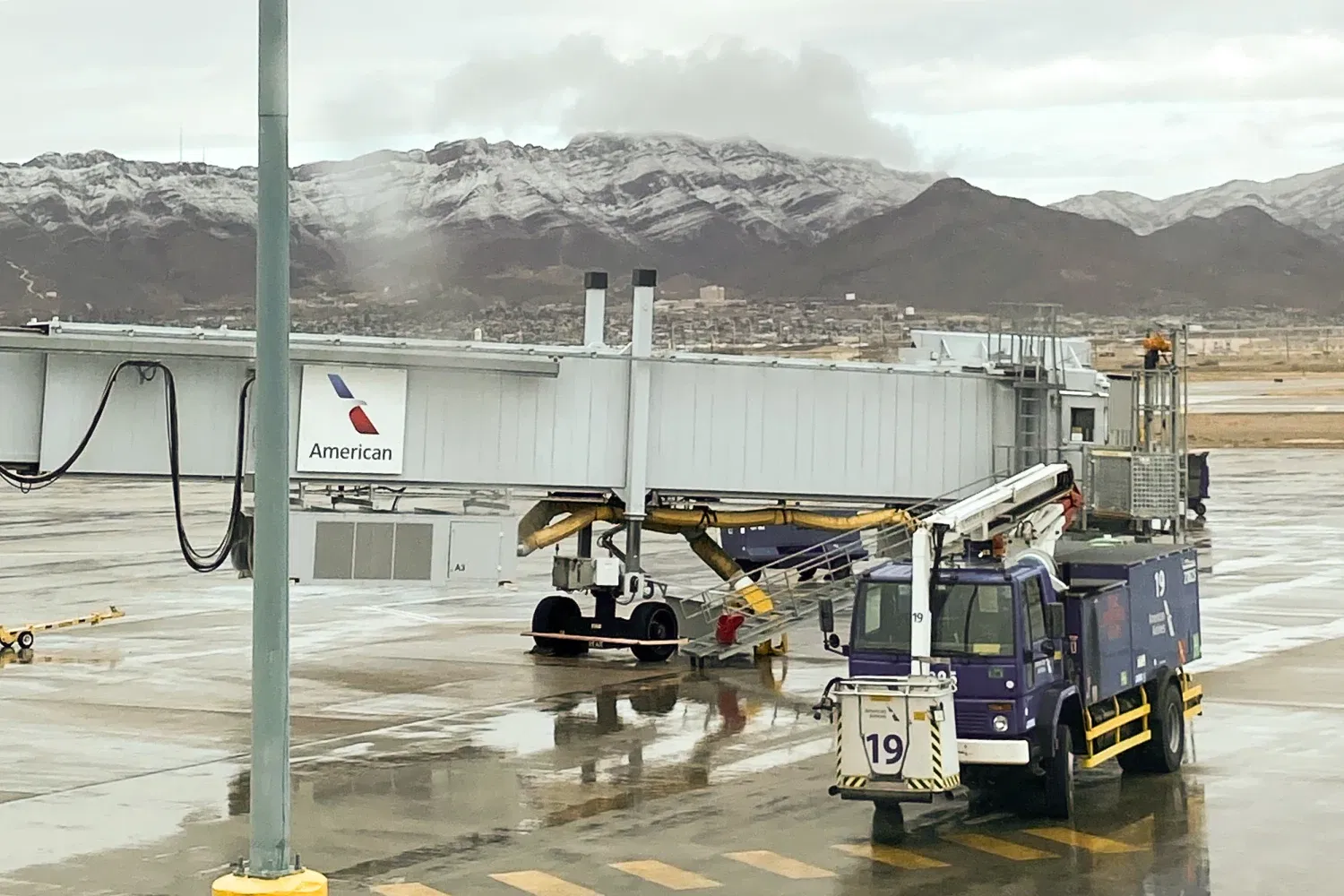
Travelers planning to fly through El Paso International Airport faced unprecedented disruption on February 11, 2026, when the Federal Aviation Administration abruptly grounded all flights for what it called "special security reasons." In a dramatic reversal just hours later, the FAA lifted the restrictions, stating there was "no threat to commercial aviation," but not before revealing that Mexican cartel drones had breached U.S. airspace, prompting a Pentagon response that disabled the unauthorized aircraft. The incident left thousands of passengers stranded and raised urgent questions about border security and air travel safety.
How a Drone Incursion Shut Down a Major U.S. Airport
The FAA's initial Notice to Air Missions (NOTAM) ordered a complete shutdown of all air traffic within a 10-nautical-mile radius of El Paso International Airport (ELP) from February 11 through February 20. The order affected all commercial, cargo, and general aviation flights, with the NOTAM warning that "deadly force" could be used against any aircraft violating the restriction. According to the FAA, the airspace was classified as "national defense airspace" due to "special security reasons." The airport, which handled 3.49 million passengers in the first 11 months of 2025, confirmed the closure in a social media advisory, telling travelers to contact their airlines for updates.
Timeline: From Sudden Closure to Swift Reversal
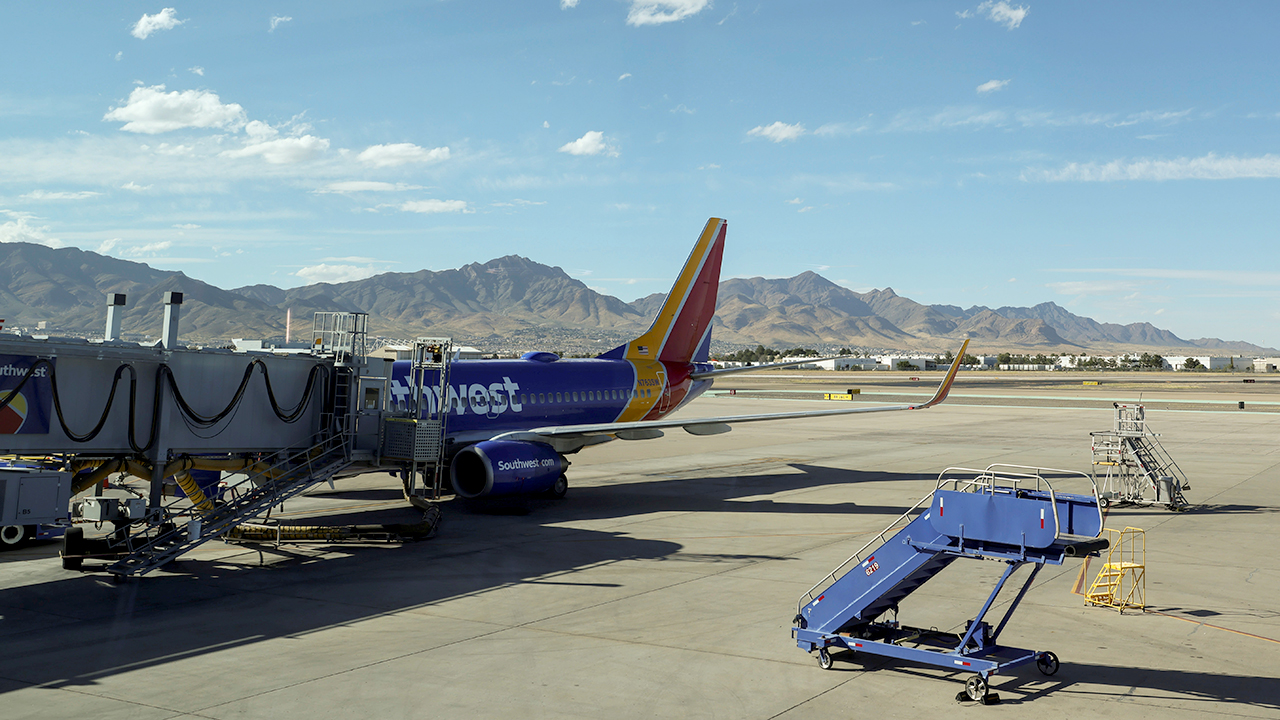
The chaotic sequence began at approximately 6:30 a.m. local time when the FAA issued the NOTAM. By 7:00 a.m., air traffic controllers were informing pilots of the unprecedented ground stop. A conversation captured by LiveATC.net revealed the surprise within the aviation community: "Just be advised I guess there's a TFR going into effect," an El Paso air traffic controller told a Southwest Airlines flight. "We just got informed about 30 minutes to an hour ago." By 10:00 a.m., a White House official confirmed to multiple news outlets that Mexican cartel drones had breached U.S. airspace and the Defense Department had taken action to disable them. Just after 1:00 p.m., the FAA lifted the restrictions, announcing flights would resume normally and stating "there is no threat to commercial aviation."
Why This Airport Closure Was Unprecedented
Aviation experts immediately noted the extraordinary nature of a 10-day closure order for a major U.S. airport. Former FAA safety team member Kyle Bailey told Fox News the restriction was "unprecedented" and suggested it pointed to a "national security event." The incident highlights growing concerns about drone incursions along the U.S.-Mexico border and their potential to disrupt critical transportation infrastructure. El Paso's location directly across from Ciudad Juárez, Mexico, makes it particularly vulnerable to cross-border security threats. The economic impact was also significant—City Councilmember Chris Canales estimated that a 10-day closure would cost the region $40-50 million in lost economic activity.
Where Things Stand Now for El Paso Travelers
As of Wednesday afternoon, El Paso International Airport has resumed normal operations. All major carriers—including Southwest, Delta, United, and American—have restored their flight schedules. However, travelers are advised to check with their airlines for any residual flight delays or cancellations resulting from the morning's disruption. The airport's social media channels and website are providing regular updates. Passengers whose travel plans were affected should contact their airlines directly regarding rebooking options and potential compensation.
What Happens Next for Border Air Security
The incident is likely to prompt congressional hearings on border security and drone defense capabilities. Lawmakers have already expressed concern about the lack of advance notice to local officials. Representative Veronica Escobar (D-Texas) said the initial decision to shutter the airport was "highly consequential" and resulted in "significant concern within the community." The FAA may implement new protocols for handling similar security threats without completely shutting down airports. Enhanced drone detection systems along the border and improved coordination between federal agencies and local authorities are expected to be key topics in upcoming policy discussions.
Key Takeaways for Travelers
While the immediate crisis has passed, several important points remain for travelers: First, always check flight status before heading to the airport, especially when traveling through border regions. Second, understand that security-related disruptions can occur with little warning. Third, maintain travel insurance that covers unexpected cancellations due to security incidents. Finally, stay informed through official channels like the FAA's website and your airline's communications. As drone technology becomes more accessible, such incidents may become more frequent, making preparedness essential for modern air travel.