
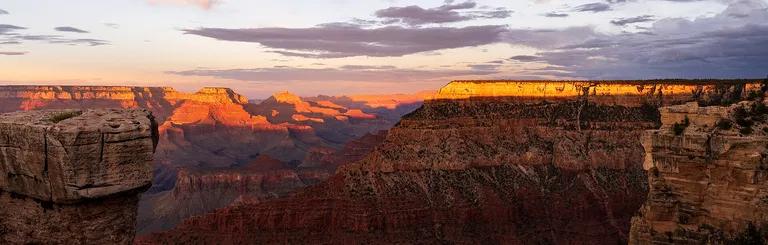
The Grand Canyon is far more than a postcard view — and heading into 2026, it's a destination in transition. Grand Canyon National Park recorded 4,430,653 recreation visits in 2025, a 9.9% decline from 2024's record year, according to National Park Service statistics. The drop comes as the park's North Rim rebuilds from the Dragon Bravo Fire, a lightning-sparked blaze that destroyed the historic Grand Canyon Lodge in July 2025, and as crews wrap up a $208 million overhaul of the Transcanyon Waterline that supplies the South Rim and inner canyon. For travelers, the takeaway is simple: the South Rim remains open year-round, the North Rim is closed into mid-2026, and planning ahead has never mattered more.
Planning a Grand Canyon Trip in 2026: Rims, Fees, and the Basics
Start with geography. The park protects 278 miles (447 km) of the Colorado River, and the vast majority of first-time visitors head to the South Rim, which stays open 24 hours a day, 365 days a year. That's where you'll find Grand Canyon Village, the main visitor center, and Mather Point — the classic first glimpse at 7,119 feet above sea level. The North Rim, roughly 1,000 feet higher and far less crowded, is seasonal and, following the 2025 fire, remains in recovery. The Skywalk, a glass-bottomed horseshoe bridge, is frequently confused with the park — but it sits about 250 miles away at Grand Canyon West on Hualapai tribal land, a two-hour drive from Las Vegas with its own separate admission.
Entry to the national park costs $35 per private vehicle and is valid for seven days; motorcycles pay $30, and pedestrians or cyclists pay $20 per person. That single fee covers the South Rim, and the park recommends leaning on the free shuttle system that runs along the rim rather than hunting for scarce parking near the overlooks.
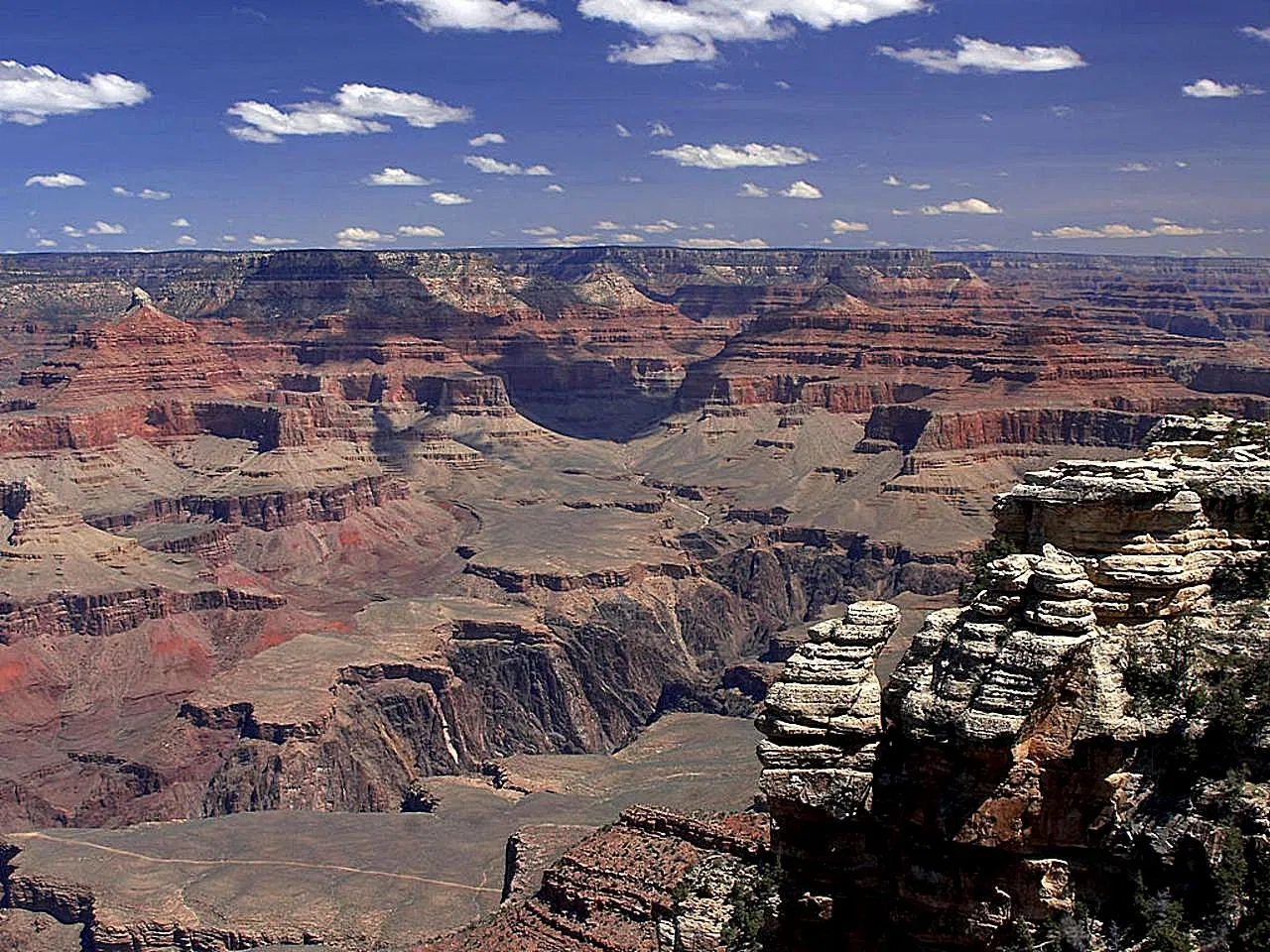
When you go matters as much as where you go. Shoulder seasons — April through May and September through October — are widely considered the sweet spot, with mild weather and lighter crowds than the summer peak. May 2025 was the busiest recent month, logging 508,642 visits, while the inner canyon bakes in summer heat. Winter dusts the rims with snow and empties the overlooks, rewarding visitors who don't mind cold mornings. On the South Rim, the western-facing overlooks along Hermit Road — especially Hopi Point — are the go-to for sunset.
If you're hiking below the rim, the two corridor trails are the South Kaibab Trail, which follows a ridge line with panoramic, shade-free views, and the Bright Angel Trail, tucked into a side canyon with resthouses, drinking water, and more shade. The classic rim-to-river-to-rim loop descends South Kaibab and climbs back up Bright Angel — but rangers repeatedly warn against attempting it in a single summer day.
From Record Visitation to a Historic Fire: How the Park Changed
It helps to understand the park's recent history. Here's how the last two years unfolded:
- 2024: Grand Canyon notches a record visitation year, riding the broader national-park travel boom.
- July 2025: A lightning strike ignites the Dragon Bravo Fire on the Kaibab Plateau. The blaze and the nearby White Sage Fire go on to burn more than 200,000 acres, and on July 13 the fire destroys the 1928 Grand Canyon Lodge at the North Rim.
- May–September 2025: The Bright Angel Trail reopens May 15 after Transcanyon Waterline construction, but a later rockfall extends several inner-canyon trail closures.
- October 1, 2025: A brief federal government shutdown creates uncertainty for park visitors before operations resume.
- November 14, 2025: The North Rim closes earlier than usual as winter weather and post-fire recovery make the area unsafe; the Highway 67 gate locks until mid-2026.
- Late 2026: A federal review cites "systemic weaknesses" and leadership failures in a fire it calls "foreseeable and preventable," while the Transcanyon Waterline nears completion.
Why the Grand Canyon Is Changing: Water, Fire, and a $208M Fix
Two big infrastructure stories define the park right now. The first is water. The Transcanyon Waterline, a pipeline that carries water from springs on the North Rim down into the canyon and back up to the South Rim, has been breaking down for years, forcing periodic water outages and boil-water advisories. The current $208 million project is replacing roughly three miles of pipe inside the canyon and upgrading treatment plants — a fix the park says should meet South Rim and cross-canyon water needs for the next 50 years. The payoff for hikers is enormous: dependable drinking water at Bright Angel Trail resthouses and Phantom Ranch, the only lodging at the bottom of the canyon some 5,000 feet below the rim. It's also why trail access shifted in 2025 and why an August 2026 flood briefly disrupted the work.
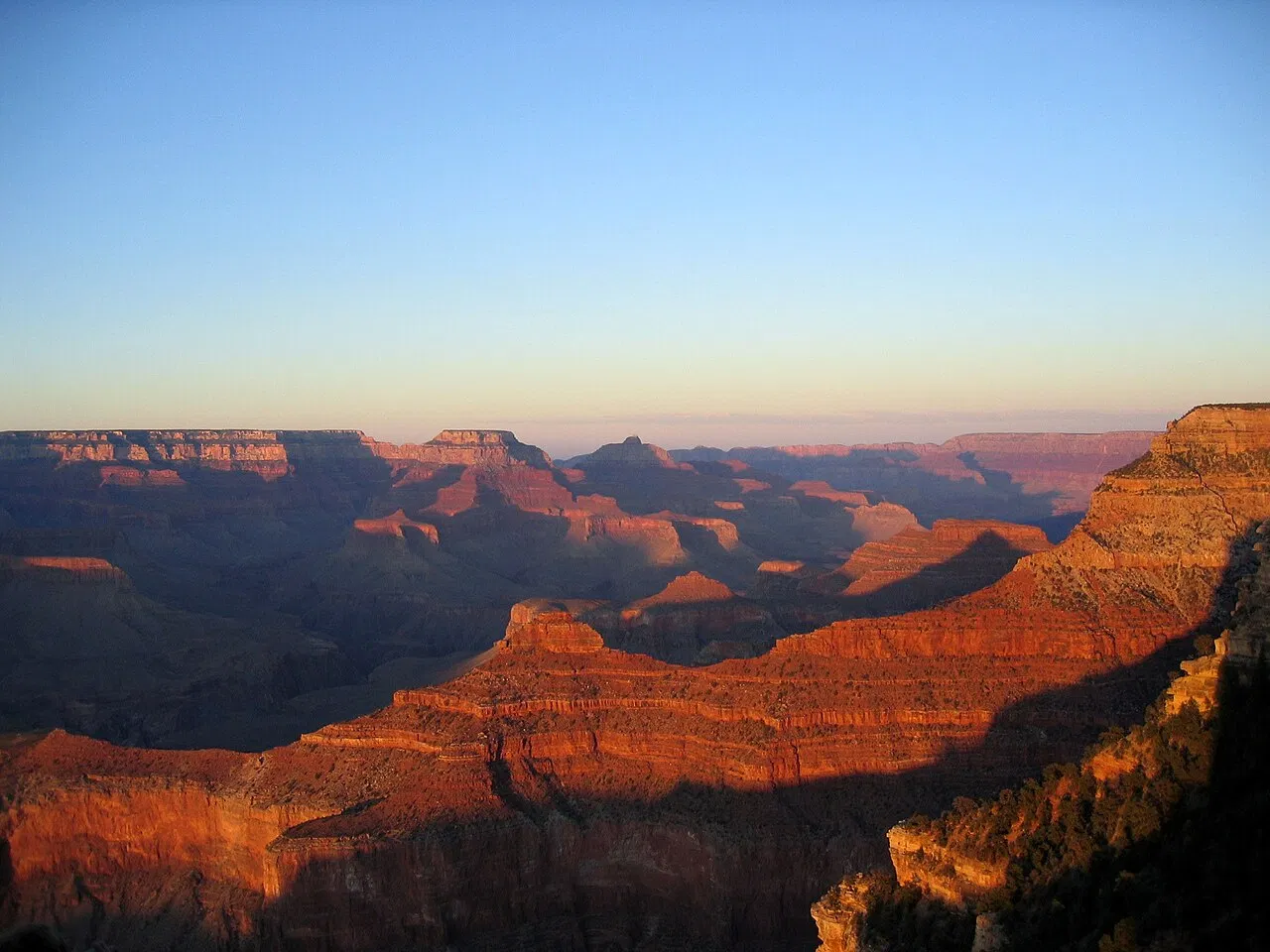
The second story is the North Rim's recovery. The Dragon Bravo Fire tore across the Kaibab Plateau and into the Grand Canyon Lodge complex, destroying the lodge and damaging the surrounding cabin district. With demolition and stabilization underway, the North Rim has closed for longer than its usual mid-October-to-mid-May winter shutdown. The Grand Canyon Conservancy and local communities have launched recovery funds, and the National Park Service is drafting a redevelopment plan for the area. For now, travelers should assume the South Rim will be their base.
Where Things Stand Now: What's Open and What's Closed
As of now, the South Rim is fully open and operating — including the visitor center, the free shuttles, and the corridor trails such as Bright Angel and South Kaibab. The North Rim and the Highway 67 entrance remain closed for the winter and into mid-2026 while fire recovery continues. Some inner-canyon trail closures tied to the waterline and a rockfall have been extended, so hikers should check the park's critical backcountry updates before setting out. And while an October 2025 government shutdown briefly disrupted operations, access has since stabilized.
What's Next: How to Plan a 2026 Grand Canyon Trip
For most travelers, the smart 2026 plan is to build the trip around the South Rim during a shoulder season, book lodging well ahead — in-park rooms fill up months in advance — and treat a North Rim visit as a bonus if it reopens on schedule. Ride the free shuttles, start any below-the-rim hike before dawn, and carry more water than you think you need. If the Skywalk is on your list, plan it as a separate stop at Grand Canyon West — not as part of a national-park day — and budget for its own admission.
Grand Canyon 2026: Key Takeaways
- The South Rim is open year-round; the North Rim is closed into mid-2026 while it recovers from the 2025 Dragon Bravo Fire.
- Visitation fell 9.9% to 4.43 million in 2025, but the park remains one of the country's most-visited national parks.
- Entry costs $35 per private vehicle for seven days; the Skywalk at Grand Canyon West is separate and not in the national park.
- The best windows to visit are April–May and September–October; May is typically the busiest month.
- A $208 million Transcanyon Waterline project is restoring reliable drinking water to the South Rim and inner canyon.