
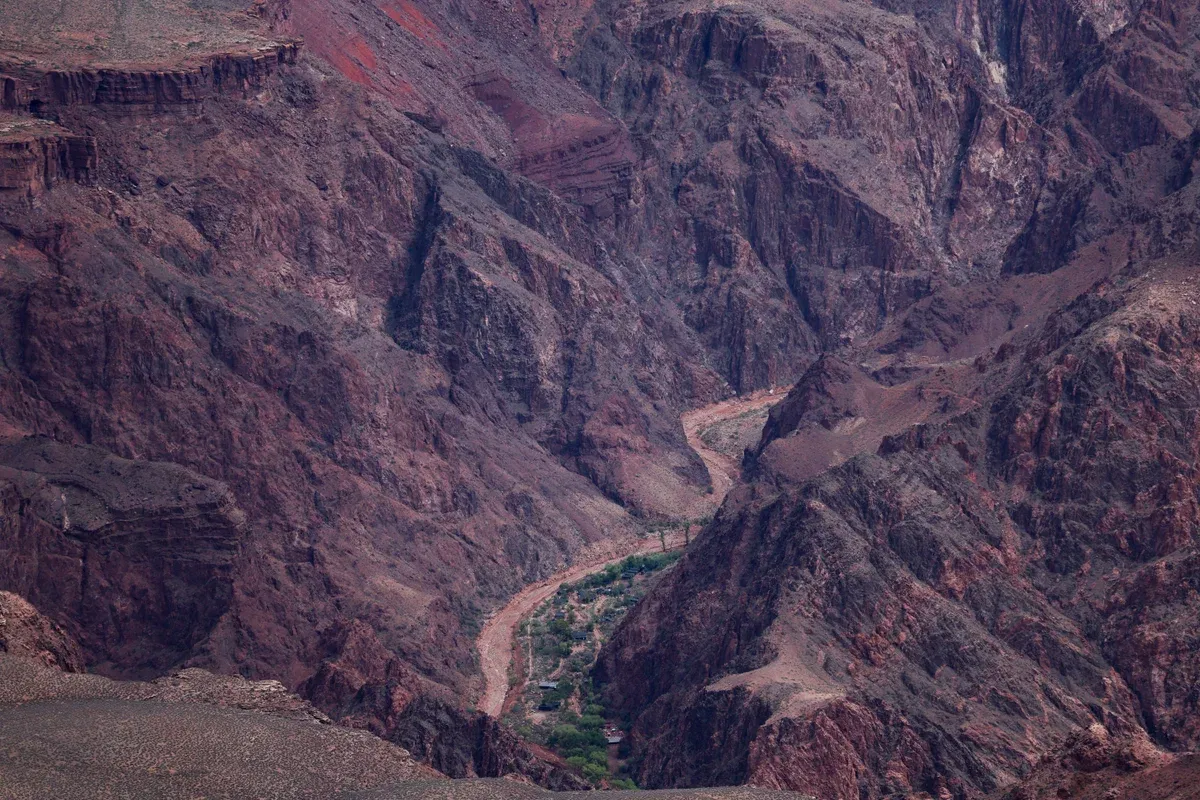
Grand Canyon flooding turned deadly this weekend after a monsoon storm sent a wall of debris-filled water through Bright Angel Canyon, killing two hikers, leaving one man missing, and closing some of the park's most iconic inner-gorge destinations. Roughly half an inch to an inch of rain fell in just 30 minutes on Saturday afternoon, and "most of it ran off instantly," National Weather Service meteorologist Justin Johndrow told The Associated Press.
By Monday evening, park officials had confirmed the deaths of 46-year-old Dr. John Giusti, a chiropractor from Granbury, Texas, and 42-year-old Brent Rosencrantz, who were camping together. Their friend, Timothy Allen Smith, remained missing. At least 82 people were evacuated from the hard-hit inner canyon, and authorities said the flooding caused "extensive damage" to infrastructure — including the Transcanyon Waterline that supplies the South Rim's drinking water.
How the Grand Canyon Flash Flood Unfolded
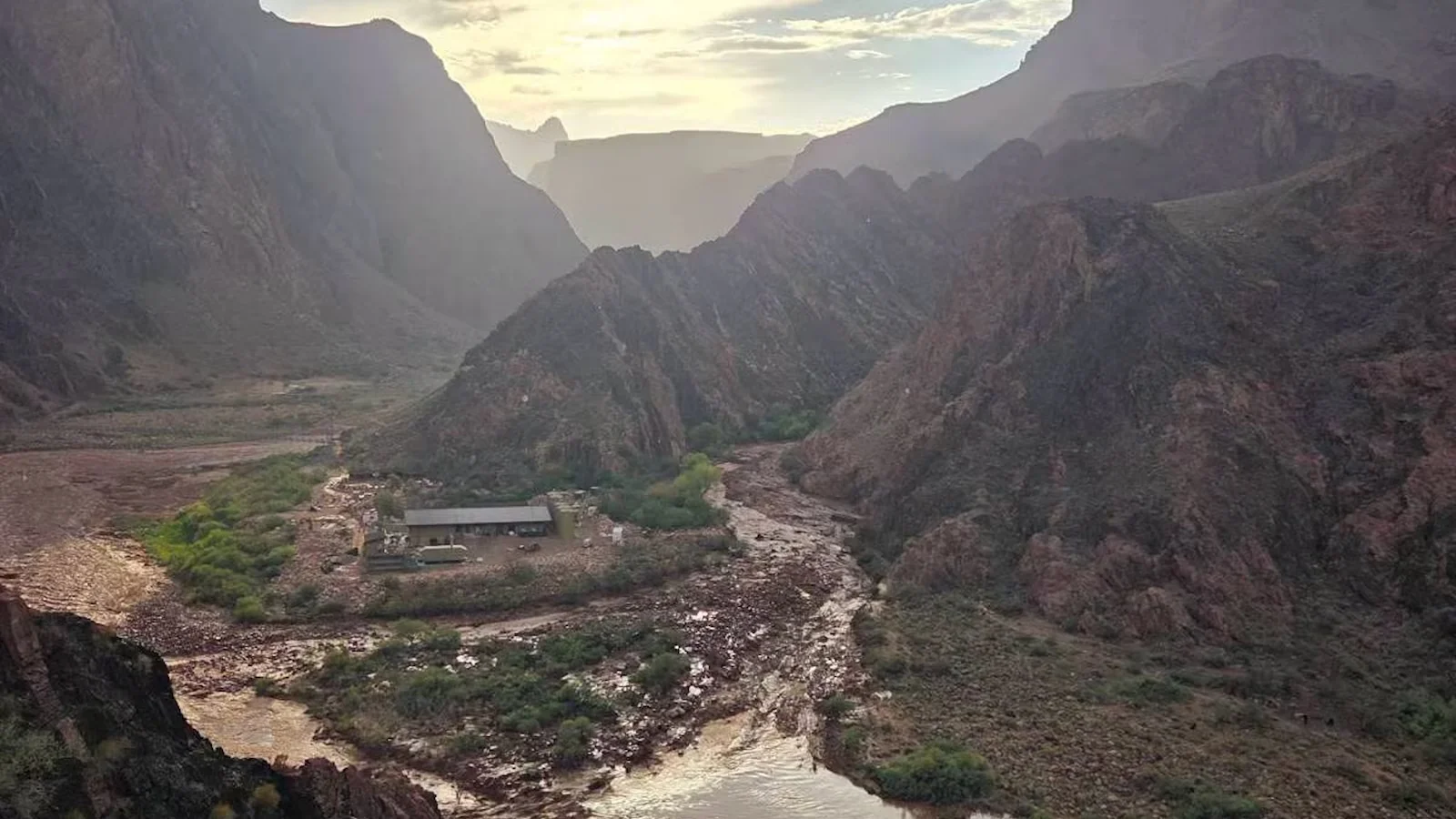
The National Park Service said "nearly all footbridges spanning Bright Angel Creek were destroyed, eliminating pedestrian access across the creek." Officials closed Phantom Ranch, Bright Angel Campground, the Phantom Ranch Canteen, the North Kaibab Trail, and the Black and Silver bridges until further notice.
Phantom Ranch — the only lodge within the Grand Canyon and a historic destination that has welcomed exhausted hikers for more than a century since Theodore Roosevelt helped establish it — sits near the bottom of the canyon by Bright Angel Creek and is usually booked months in advance. Survivors described "brown, almost black waters, filled with debris" racing through the campground as rangers ordered roughly 60 people to flee their cabins across a footbridge. That bridge was destroyed only about 10 minutes after the group crossed to safety.
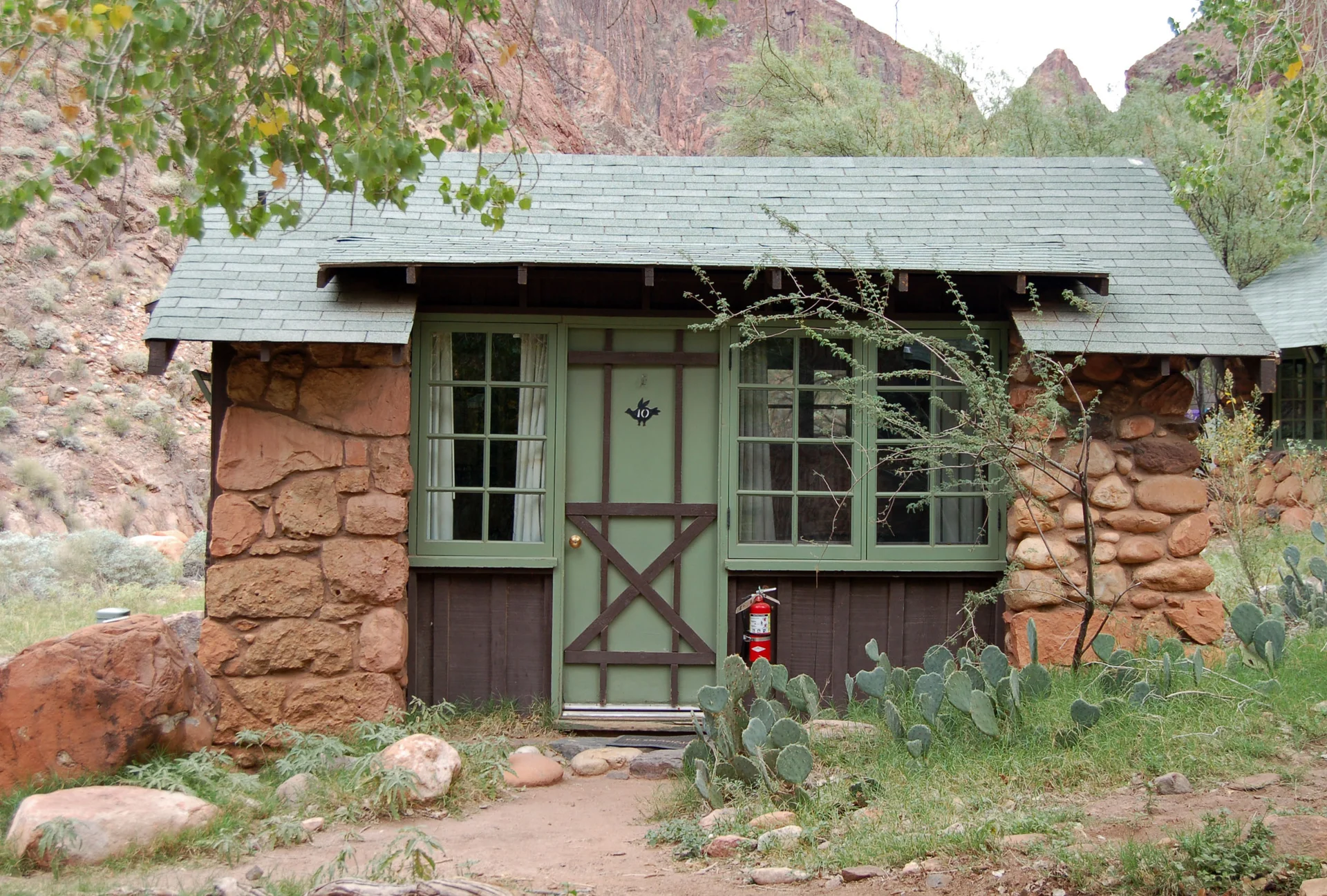
"It was like a whirlpool in there, with all the debris circling around, cabins and other equipment from the maintenance work site," survivor David Gregory told CBS News. "I don't think we would have made it out alive … I think it would have been game over." Another survivor, Scott Svedin, told ABC News the scene "was like something out of a movie."
Timeline: From Monsoon Storm to 'Raging Killer Currents'
- Saturday, Aug. 29 (afternoon): A summer monsoon storm drops roughly half an inch to an inch of rain in 30 minutes over Bright Angel Canyon, triggering a flash flood. Campers at Phantom Ranch are ordered to evacuate across a footbridge as water rises.
- Saturday (evening): Authorities begin accounting for hikers and backpackers in the area, initially reporting about 15 people missing based on the park's permitting system.
- Sunday, Aug. 30: The body of Dr. John Giusti is recovered near Crystal Rapids on the Colorado River. Rafting trips reopen after officials determine the river is safe, and the park posts closure alerts.
- Monday, Aug. 31: Stage 4 water restrictions take effect on the South Rim at noon. Officials confirm 82 people were evacuated and report that roughly 40% of the Transcanyon Waterline has been destroyed. By Monday night, all but one of the missing are accounted for.
- Monday (continuing): A flood watch remains in effect for northern and central Arizona, with the National Weather Service warning of "raging killer currents" in side canyons and narrow slot canyons.
What the Flood Means for Grand Canyon Travelers
For travelers, the most immediate impact is water. The Transcanyon Waterline — a 12.5-mile pipeline built in the 1960s that carries water from the canyon floor to the South Rim — was "battered, bruised and decimated in certain areas," Deputy Superintendent Brian Drapeaux told reporters. The park said it had only about two weeks of water in storage on the South Rim, prompting Stage 4 restrictions and the temporary suspension of overnight lodging.
The park's two rims remain open and accessible, so day visitors can still enjoy sweeping views of the canyon. But the inner-canyon experiences that define a Grand Canyon adventure — the hike down the North Kaibab Trail, a night at Phantom Ranch, or a crossing of the Black Bridge — are off limits for now. That's a significant disruption for a park that ranked as the fourth-most-visited national park in the U.S., with 4,430,653 recreational visits in 2025.
"This is a reminder of what a dynamic and active landscape [the] Grand Canyon is," Jack Schmidt, director of the Center for Colorado River Studies at Utah State University, told the AP. Forecasters said three initial waves of rain had already "primed the drainages and already had creeks flowing at minor levels" before the deadly fourth wave arrived — and they were watching the Dragon Bravo fire scar, a large burn area from a July 2025 wildfire, for additional flash-flood risk.
For hikers, the episode is a powerful lesson in monsoon safety. Flash floods can arrive with little warning in narrow desert canyons, even when skies overhead look clear. Park rangers urge visitors to check weather forecasts, avoid hiking in slot canyons or dry washes when rain is predicted, and climb to higher ground immediately if water begins to rise.
Where Things Stand Now: Closures and Water Restrictions
As of the latest park alerts, the following remain closed until further notice: Phantom Ranch, Bright Angel Campground, the Phantom Ranch Canteen, the North Kaibab Trail, and the Black and Silver bridges. The lodge operator will contact guests about reservations, and park officials have asked visitors to stay away from closed areas.
Stage 4 water restrictions remain in effect on the South Rim, and officials say water usage will vary depending on the number of visitors and staff. Anyone planning a trip should check the park's Alerts & Conditions page before heading out, and travelers with inner-canyon permits should contact the park for the latest guidance.
What's Next for Grand Canyon Visitors
Search and recovery efforts continue for the one hiker still missing, and crews are still assessing the full extent of the damage to trails, bridges, and the waterline. Officials anticipate "miles of pipeline" may need to be replaced, which means water restrictions and inner-canyon closures could persist for weeks or longer.
Additional thunderstorms and heavy rainfall remain possible, and the National Weather Service has warned that more flash flooding, debris flows, and rockfall could follow. Travelers with upcoming trips to the inner canyon should stay flexible, monitor official alerts, and be prepared for the possibility that popular backcountry itineraries may not reopen before their visit.
The Bottom Line for Travelers
- Two people died and one remains missing after Saturday's flash flood in Bright Angel Canyon.
- Phantom Ranch, Bright Angel Campground, and the North Kaibab Trail are closed until further notice.
- Stage 4 water restrictions are in effect on the South Rim, with only about two weeks of water in storage.
- The North and South rims remain open, but inner-canyon trips are heavily disrupted.
- Check the park's Alerts & Conditions page and stay flexible, as more storms are possible.