
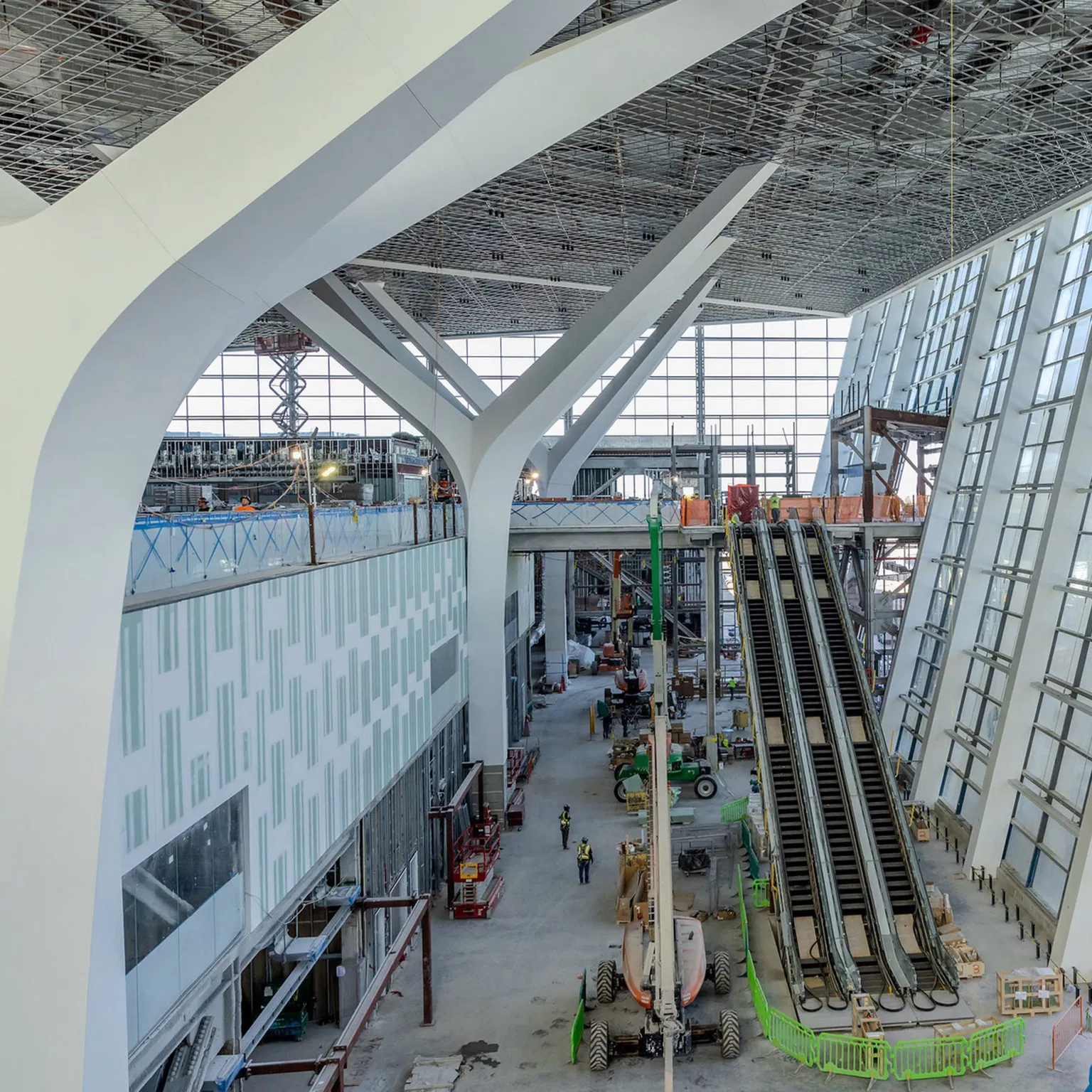
Travelers passing through New York's John F. Kennedy International Airport in 2025 are encountering a transformed landscape—both literally and figuratively. As the airport undergoes its most significant redevelopment in history, a $19 billion modernization project is reshaping terminals, roadways, and passenger experiences while creating unprecedented challenges for visitors. From construction-related delays to service disruptions and weather-related impacts, navigating JFK requires careful planning and up-to-date information.
The $19 Billion Transformation: What Every Traveler Needs to Know
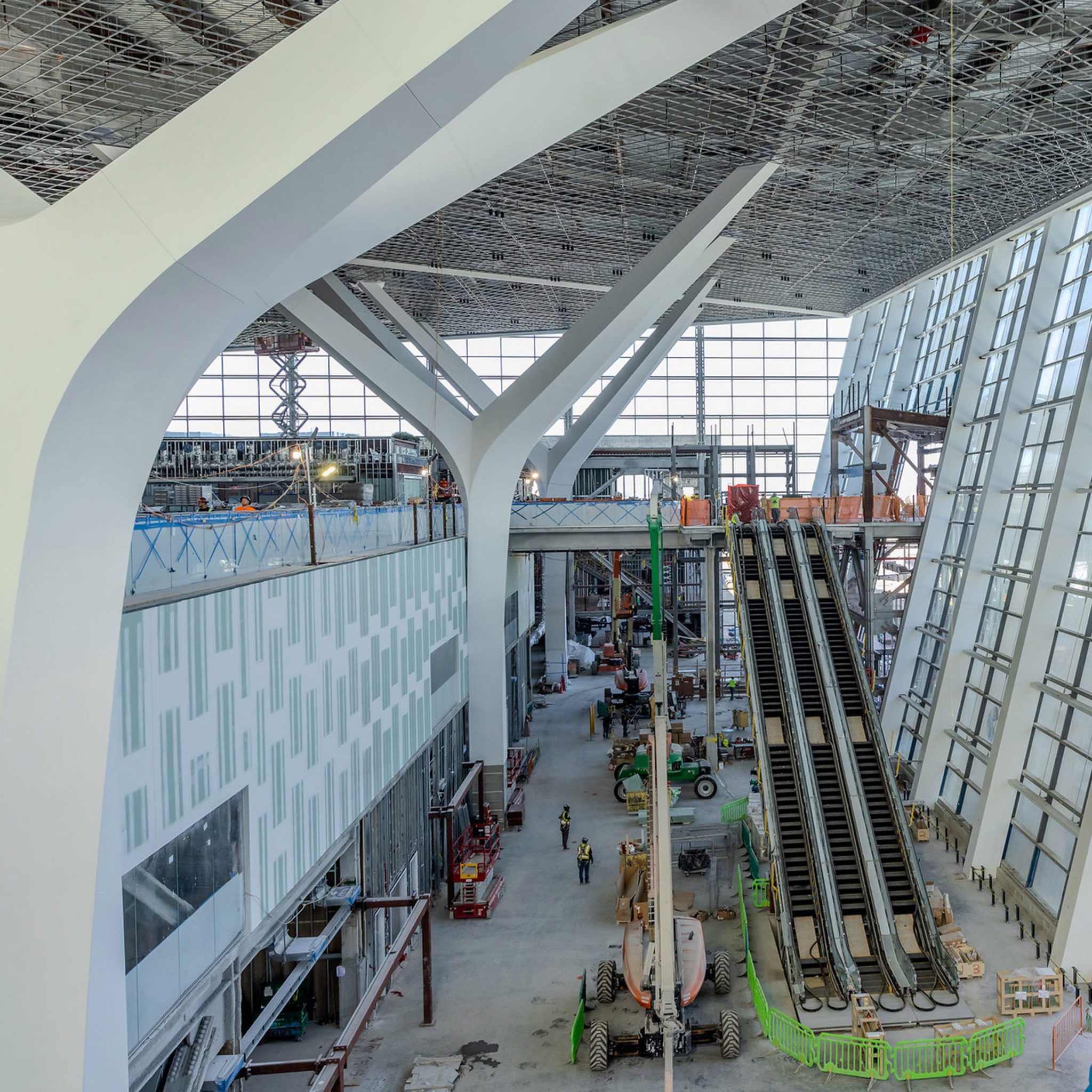
JFK Airport's ambitious redevelopment program represents one of the largest infrastructure projects in New York history. The centerpiece of this transformation is the new Terminal One, a 2.4 million-square-foot facility that will become the airport's largest international terminal upon completion. According to construction updates, this terminal alone represents a $9.5 billion investment and is designed to handle up to 23 million passengers annually. Simultaneously, Terminal 6 is being completely rebuilt, and multiple other terminals are receiving significant upgrades as part of what the Port Authority describes as "peak construction" phase.
The scale of this project has inevitable consequences for travelers. Roadway configurations around the airport have changed multiple times, with detours and lane closures becoming the norm rather than the exception. Terminal access points have been relocated, and parking facilities have been temporarily reduced in capacity. Perhaps most significantly, the AirTrain JFK—the automated people mover connecting terminals with parking, rental cars, and regional transit—has experienced repeated service disruptions, sometimes requiring complete suspension with shuttle bus replacements.
Timeline of Recent Disruptions: From Winter Storms to Service Outages
The challenges at JFK Airport have been compounded by a series of unrelated incidents that have tested the airport's resilience. In December 2025, an off-duty Customs and Border Protection officer fired shots during a road rage incident near the airport, causing hours of traffic delays as police investigated. This was followed by a major winter storm in January that prompted the Port Authority to issue travel advisories warning of significant flight cancellations and delays.
Throughout January 2025, the AirTrain experienced multiple partial and complete service disruptions. On January 25, the airport's official Twitter account announced a "partial AirTrain disruption" with bus replacements, while earlier in the month, a full system-wide suspension occurred due to equipment problems. These transportation challenges have been particularly difficult for passengers connecting between terminals or trying to access ground transportation options.
Expert Travel Tips for Navigating JFK During Construction
Travel industry experts and frequent JFK travelers have developed strategies for minimizing disruption during this construction period. The most critical advice: allow significantly more time than you normally would. The Port Authority recommends arriving at least three hours before domestic flights and four hours before international flights during peak travel periods. This buffer accounts not only for potential security lines but also for navigating changed roadway patterns and potential transportation delays between terminals.
Technology becomes your best ally when traveling through JFK. Download the official JFK Airport app for real-time updates on construction impacts specific to your terminal and airline. Enable push notifications from your airline for immediate flight status updates. Before leaving for the airport, check the Port Authority's construction impacts website, which offers personalized travel advice based on your specific itinerary details.
Current Status: What Travelers Face Today
As of early 2025, JFK Airport continues to operate under what officials describe as "peak construction conditions." The Port Authority has issued weekly travel advisories detailing specific lane closures, terminal access changes, and transportation impacts. AirTrain service remains intermittent, with shuttle buses on standby to replace service during outages. Terminal 7 and 8 access has been particularly affected, with motorists being directed to follow detour signage to JFK Expressway via Federal Circle.
Parking availability has been reduced in some areas, with certain lots temporarily closed for construction. Rental car facilities have been relocated, requiring additional transit time for passengers needing these services. Perhaps most importantly for international travelers, passport control and customs facilities have been temporarily reconfigured in some terminals, potentially adding processing time for arriving passengers.
Looking Ahead: The Future of JFK Airport Travel
The massive redevelopment project is scheduled to continue through 2028, with different phases completing at various points. Terminal One is expected to open its first gates in 2026, with full completion anticipated by 2028. Terminal 6 is progressing on a similar timeline. While current conditions are challenging, airport officials emphasize that the end result will be a vastly improved passenger experience with state-of-the-art facilities, streamlined security processes, and enhanced amenities.
For travelers planning trips through JFK in the coming years, the advice remains consistent: stay informed, build in extra time, and maintain flexibility. The airport's transformation represents growing pains on the path to becoming what the Port Authority promises will be "a world-class gateway worthy of New York City." As construction milestones are reached and new facilities open, travelers can expect gradual improvements in the passenger experience, though some level of disruption will likely continue through the project's completion.
Key Takeaways for Smart JFK Travel
Navigating JFK Airport successfully in 2025 requires a strategic approach. First, always check your flight status and airport conditions before departing for the airport. Second, allocate significantly more time than usual—the standard three-hour international arrival recommendation should be considered a minimum during peak construction periods. Third, have backup transportation plans, especially if you're relying on the AirTrain or parking facilities. Fourth, utilize technology through the official airport app and airline notifications. Finally, maintain patience and flexibility—the disruptions, while inconvenient, are temporary steps toward creating a much-improved airport facility that will serve New York for decades to come.