
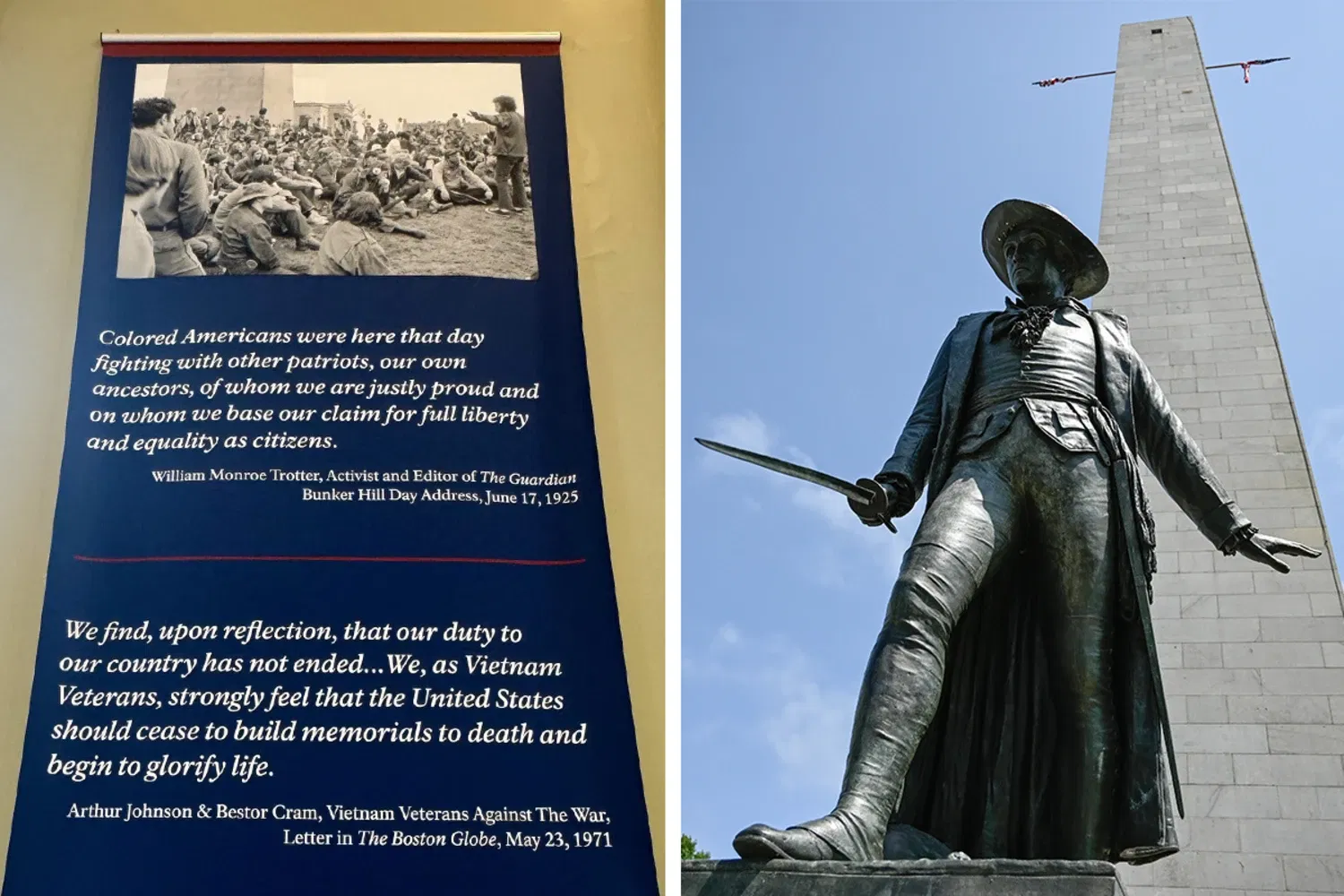
A federal judge in Massachusetts has ordered the Trump administration to restore dozens of interpretive signs, plaques, and exhibits that were removed from national parks across the country—a ruling that affects how millions of travelers experience America's most treasured public lands. The preliminary injunction, issued by U.S. District Judge Angel Kelley on June 12, 2026, requires the Department of Interior to reinstall all materials that were altered or removed since May 20, 2025, and to do so within 21 days, ahead of the nation's 250th anniversary on July 4.
For travelers planning visits to national parks this summer, the ruling means that exhibits covering topics including slavery, climate change, Indigenous history, and civil rights—which had been covered up, removed, or altered—will be restored. The order impacts hundreds of sites managed by the National Park Service, from the Bunker Hill Monument in Boston to the President's House in Philadelphia, Acadia National Park in Maine, and beyond.
Inside the Ruling: What Judge Kelley Ordered
Judge Kelley's ruling came in response to a lawsuit filed by the National Parks Conservation Association (NPCA), the American Association for State and Local History, and four other organizations. The plaintiffs argued that the Interior Department had been engaged in a "sustained campaign to erase history and undermine science" following President Trump's March 2025 executive order targeting what it called a "revisionist movement" that portrayed the U.S. as "inherently racist, sexist, oppressive, or otherwise irredeemably flawed."
In her decision, Kelley wrote that removing these signs not only "undermines the integrity of the National Parks" but "sets a dangerous precedent of censorship and sanitization." She ordered the government to restore the signs within 21 days, "by the 250th anniversary to properly honor the remarkable achievements of the United States." The ruling also temporarily blocks any additional changes and requires the government to submit regular status reports on compliance.
Timeline: How the National Park Sign Controversy Unfolded
March 2025: President Trump signs an executive order directing federal agencies to address what the White House described as "false revision of history" at national parks, monuments and memorials.
Spring-Summer 2025: The Interior Department begins removing references to slavery, LGBTQ+ history, and climate change from National Park Service websites. Park staff are directed to inventory all signage, interpretive exhibits, and even books in gift shops.
September 2025: Physical signs are removed from parks nationwide. The iconic "Scourged Back" photograph—an 1863 image of an enslaved man named Peter showing severe whip scars—is ordered removed from at least one park site. Climate change signs are taken down at Acadia National Park's Cadillac Mountain summit. Signs acknowledging that park land originally belonged to Native American tribes are removed. The President's House Site in Philadelphia is flagged for "substantial alteration."
May 20, 2025: The cut-off date after which any changes or removals must be reversed under the court order.
June 12, 2026: Judge Angel Kelley issues the preliminary injunction, ordering restoration within 21 days and halting all further removals.
July 3, 2026: Deadline for all signs and exhibits to be restored, ahead of America's 250th Independence Day celebration.
Why This Matters for National Park Visitors
For travelers who visit national parks to learn about America's complex history and natural environment, the ruling restores access to educational materials that many consider essential to the park experience. National parks have long served as outdoor classrooms, with interpretive exhibits designed to help visitors understand everything from geological formations to social history.
"Expert historians at the National Park Service spend a great deal of time determining what goes on display at national parks, and what the public can learn from it," said Alan Spears, NPCA's Director of Cultural Resources. "This photo and other images and information have been painstakingly selected and contextualized to help park visitors understand the role slavery has played in our history."
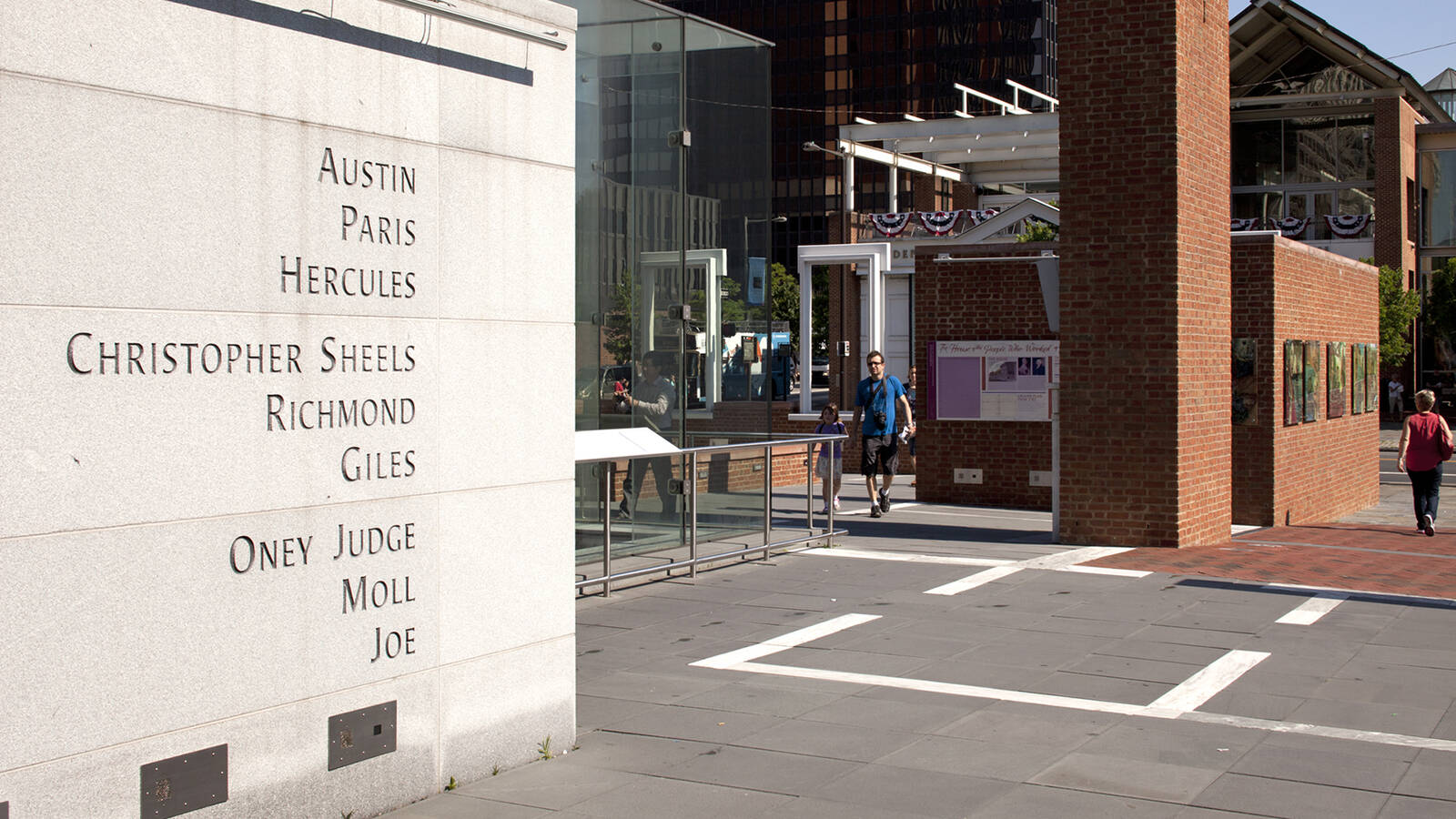
Among the most significant affected exhibits is the President's House Site at Independence National Historical Park in Philadelphia. The outdoor exhibit incorporates the foundation of George Washington's home—where he kept enslaved people while Philadelphia served as the nation's capital—and includes a memorial wall with the names of nine enslaved individuals who served Washington and his family. The site opened in 2010 after years of collaboration between a community coalition and the Park Service.
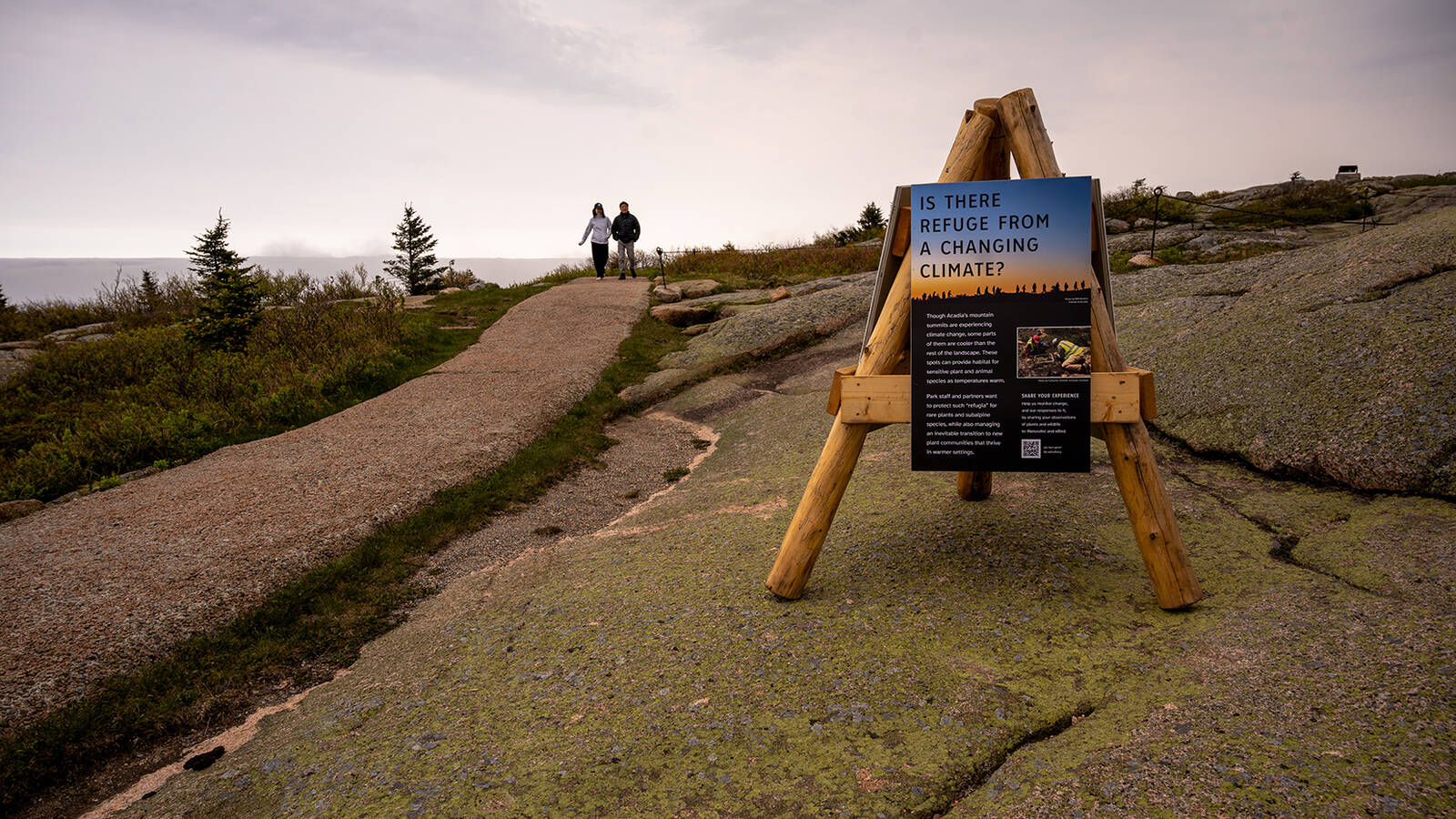
At Acadia National Park in Maine, physical signs at Cadillac Mountain and Great Meadow wetland that referred to the park's changing climate—including more frequent storms, intense rain, and hotter temperatures—were also removed. "We have decades of scientific research that demonstrate the impact of climate change on Maine and Acadia National Park," said Todd Martin, NPCA's Northeast senior program manager. "The signs coming down at Acadia is just another example of erasure and censure."
Where Things Stand Now
The preliminary injunction temporarily halts the administration's ability to continue removing or altering exhibits while the lawsuit proceeds. The Interior Department must now work to restore all affected materials by the July 3 deadline. The ruling applies to interpretive exhibits and signs at all national park sites—more than 430 locations nationwide.
An Interior Department spokesperson had previously defended the policy, stating it required parks to "tell the full and accurate story of American history." The department has not yet commented on the ruling or indicated whether it plans to appeal. Attorneys for the plaintiffs did not immediately respond to requests for comment after the decision was announced.
What Happens Next
The case is expected to continue through the courts, with the preliminary injunction serving as an initial victory for conservation and historical groups. Legal experts suggest the administration could appeal the ruling, potentially leading to a protracted legal battle over how history and science are presented at America's national parks.
NPCA is urging Congress to take a stand for national parks: reverse budget cuts, restore educational webpages, and let Park Service staff do their jobs. "Our national parks have the power to bring people together, to learn about our country's trials and triumphs alike, and build a better world for future generations," Spears said.
For travelers planning summer trips to national parks, the July 3 deadline means that by Independence Day weekend, the interpretive exhibits that help tell the full story of America's natural and cultural heritage should be back in place at parks nationwide.
Key Takeaways for Travelers
- Signs are coming back by July 3: The judge ordered all removed exhibits restored within 21 days, just in time for July 4th travel
- All 430+ park sites affected: The ruling applies nationwide, from historic monuments to natural landmarks
- Topics include slavery, climate, Indigenous history: These are the main categories of restored educational content
- Legal battle continues: The injunction is temporary while the full lawsuit proceeds through the courts
- Check park websites for updates: Individual park pages may list specific restored exhibits as they are reinstalled