
Labor Day travel in 2026 is shaping up to be a weekend of record-breakers — and not all of them are welcome news for travelers. Millions of Americans are hitting the road and the skies for the unofficial end of summer, but they are doing so against a backdrop of the highest gasoline prices ever recorded for the holiday. According to AAA, the national average for a gallon of regular gasoline climbed to $4.14 heading into Labor Day weekend, a threshold the country has never crossed on the holiday itself.
The timing is striking. Gasoline demand typically softens in late summer, which usually nudges pump prices lower and gives road-trippers a break. This year, however, continued volatility in the Strait of Hormuz has kept crude oil trading in the $90-per-barrel range, propping up prices even as seasonal demand fades. The result is a holiday weekend where drivers are being urged to plan carefully — not just their routes, but their departure times and their budgets.
Record-Setting Gas Prices Cast a Shadow Over Labor Day Road Trips
The $4.14 national average is up 4 cents from the previous week and follows what AAA describes as a record-setting August, when the national average stayed above $4 per gallon every single day for the first time in history. That streak now threatens to spill directly into Labor Day weekend. The previous Labor Day record was $3.82, set on September 3, 2012 — meaning this year's average is running more than 30 cents above the old high-water mark.
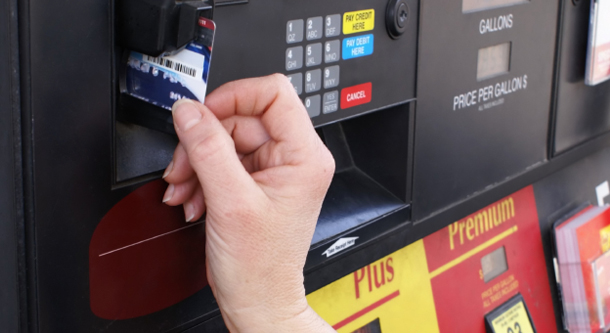
For electric vehicle drivers, the picture is steadier: the national average cost of public EV charging held at 42 cents per kilowatt hour. But for the majority of travelers who still rely on gasoline, the message from AAA is clear — budget more for fuel this year. By comparison, drivers paid just $3.19 per gallon on Labor Day in 2025, when crude oil prices were considerably lower.
Where Travelers Are Going: AAA's Top Labor Day Destinations
High prices are not keeping people home. AAA booking data shows strong demand across both domestic and international trips. Seattle tops the domestic list, followed by Orlando, Boston, Denver, and New York, with Chicago, Anaheim/Los Angeles, Las Vegas, Anchorage, and Atlanta rounding out the top ten. Internationally, Rome leads the way, followed by Vancouver, London, Dublin, and Paris — with Calgary, Barcelona, Athens, Amsterdam, and Halifax also making the cut.
"Travelers are seeking memorable experiences, and these top Labor Day destinations reflect that desire," said Stacey Barber, Vice President of AAA Travel. "AAA members are embarking on Alaska cruises and river cruises, touring National Parks, and sightseeing in Europe. Many of our members are also looking ahead to 2027 and booking cruises and tours now before they sell out."
The Great Outdoors and Europe's Historic Cities Draw the Crowds
The data points to two dominant themes this Labor Day: nature and history. Mild temperatures and longer days have many travelers exploring the great outdoors. AAA travel agents report that Seattle, Anchorage, and Vancouver are all benefiting from a surge in Alaska cruise bookings, while U.S. National Parks remain a magnet — with travelers renting cars in Denver and Las Vegas to reach Rocky Mountain National Park, Arches, Zion, and the Grand Canyon.
Rental demand backs this up. Hertz, AAA's car rental partner, says Friday, September 4 will be its busiest pickup day, with Denver, Las Vegas, Orlando, Los Angeles, and Boston all seeing elevated demand. On the other end of the spectrum, history and culture seekers are flocking to Boston and Chicago domestically and to Rome and Athens abroad — often booking guided tours for the peace of mind that comes with pre-arranged itineraries and transportation.
Timeline: How Gas Prices Climbed to a Holiday Record
The run-up to a record Labor Day at the pump did not happen overnight. In mid-August, AAA reported the national average at $4.09 with crude oil still trading in the $80 range. By August 27, the agency warned that August was poised to become the most expensive August ever recorded at the pump, surpassing the previous record set in 2022. A week later, crude had climbed into the $90 range and the national average had ticked up to $4.14 — setting the stage for a Labor Day weekend without precedent.
That trajectory mirrors broader geopolitical tension rather than consumer demand. The Strait of Hormuz, a critical chokepoint for global oil shipments, has been a persistent source of market anxiety, keeping a floor under crude prices even as the summer driving season winds down.
Smart Road Trip Prep and the Best Times to Hit the Road
For those who do drive, timing is everything — and so is preparation. Transportation analytics firm INRIX warns that Labor Day traffic tends to be compressed into a short window, with many travelers leaving after work on Thursday or during the day Friday and layering holiday traffic on top of normal commuter volumes. INRIX recommends departing early and avoiding the middle of the afternoon whenever possible; even leaving an hour or two earlier can make a meaningful difference.
Specifically, the worst windows to travel are 2:00 PM to 7:00 PM on Thursday, September 3, and 12:00 PM to 8:00 PM on Friday, September 4. The best times are before 1:00 PM Thursday, before noon Friday, and before 10:00 AM Saturday. Monday's return traffic peaks from 2:00 PM to 5:00 PM, so an early morning departure is your best bet to avoid the crush. Some corridors will be especially brutal: Boston-to-Providence on I-95 South could see travel times more than double on Friday afternoon, while Atlanta-to-Birmingham on I-20 West is projected to jump 65% on Monday evening.
Before heading out, AAA recommends a quick vehicle once-over — checking tires, battery, and fluids — and packing an emergency kit with water, snacks, first-aid supplies, and essentials like flashlights and jumper cables. The stakes are real: last Labor Day weekend, AAA responded to more than 400,000 roadside assistance calls for flat tires, dead batteries, and emergency towing.
What Happens Next: The Road Ahead for Travelers
Looking beyond the holiday, the outlook for drivers remains uncertain. AAA's fuel-price trackers suggest that as long as crude oil hovers near $90 per barrel, relief at the pump may be limited. Seasonal demand typically eases after Labor Day, which historically brings prices down — but the geopolitical risks tied to the Strait of Hormuz could keep upward pressure on the market well into the fall.
Travelers who can be flexible may find savings in the air rather than on the road. Domestic roundtrip flights are averaging $750, up 2% from last year, and nearly $800 for the most popular domestic routes. International flights, by contrast, are averaging $1,240 — about 4% cheaper than a year ago — which could make a fall or 2027 European getaway more attractive for budget-minded travelers planning ahead.
Key Takeaways for Labor Day Travelers
- Gas prices are at an all-time Labor Day high of $4.14 per gallon nationally, so budget extra for fuel.
- Seattle, Orlando, and Boston lead domestic demand, while Rome, Vancouver, and London top international bookings.
- Alaska cruises and U.S. National Parks are the standout outdoor experiences this year.
- Leave before noon on Friday or before 10 AM Saturday to avoid the worst holiday traffic.
- Before a road trip, check tires, battery, and fluids — AAA answered more than 400,000 roadside calls last Labor Day.