
Lake Ontario — the smallest of the five Great Lakes by surface area and one of North America's most underrated waterfront escapes — officially has a new name. On August 27, 2026, President Donald J. Trump signed an executive order renaming the lake "Lake America," directing federal agencies to remove "Lake Ontario" from official maps, contracts, and the Geographic Names Information System within 30 days.
The name change is the headline, but for travelers the story is bigger: the same 7,340-square-mile freshwater sea, with its turquoise beaches, island-studded eastern shore, and rolling wine country, isn't going anywhere. Here's what the renaming actually means and how to plan a Great Lakes getaway to the lake now known as Lake America.
Inside the Executive Order: Why Lake Ontario Became Lake America
The order, titled "Honoring the American History of the Great Lakes and Renaming Lake Ontario as Lake America," frames the lake as a core American economic and strategic asset. It argues that the United States is "the greatest protector of the Great Lakes," pointing out that the U.S. Coast Guard operates 9 of the 11 icebreaking vessels on the lakes and that the United States has invested nearly $4 billion in the freshwater ecosystem over the past decade.
The document traces the lake's place in American history, from the historic fort and port at Oswego, New York — described in the order as the first U.S. port of call from the St. Lawrence Seaway — to the shipbuilding and naval operations at Sackets Harbor during the War of 1812. Because the deepest parts of the lake lie within U.S. territory, the order states that "the United States claims most of the Lake's volume," and it highlights the Great Lakes–St. Lawrence Seaway system's "hundreds of thousands of American jobs and billions of dollars in annual economic output."
Under the order, the Secretary of the Interior and the Board on Geographic Names must rename the lake and strip all references to "Lake Ontario" from the Geographic Names Information System within 30 days. The Environmental Protection Agency has already started updating its pages, noting it is "working rapidly" to reflect the change. The move builds on Executive Order 14172, signed in January 2025, which established the "Restoring Names That Honor American Greatness" policy and earlier renamed the Gulf of Mexico.
The Lake Behind the Name: A Few Numbers Worth Knowing
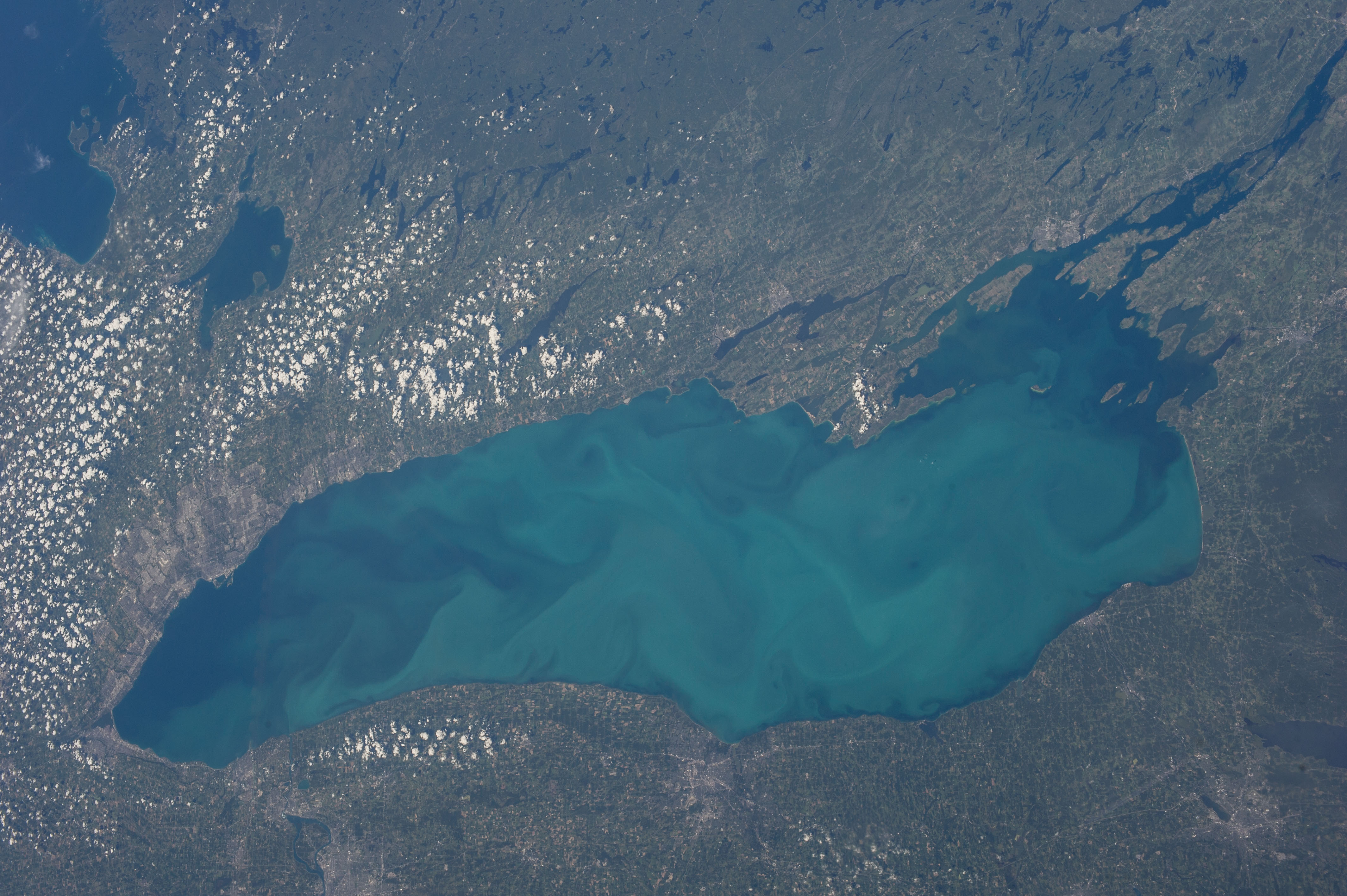
The Wyandot (Huron) word Ontarí:io translates to "great lake" — and the name fits. Lake America covers 7,340 square miles (19,011 square kilometers), making it the smallest of the Great Lakes by surface area, yet it plunges to a maximum depth of 802 feet (244 meters) — deep enough that it rarely freezes over completely. It stretches 193 miles (311 kilometers) end to end, fed by the Niagara River and drained by the St. Lawrence River, the seaway gateway to the Atlantic.
A few milestones worth knowing before you visit:
- 1812–1815: The lake becomes a naval battleground during the War of 1812, with shipyards at Kingston, Sackets Harbor, and Oswego.
- 1954: Canadian teenager Marilyn Bell becomes the first person to swim across the lake, at age 16. More than 60 people have since completed the crossing.
- January 2025: Executive Order 14172 establishes the policy of renaming landmarks to "honor American greatness."
- August 2026: The lake is officially renamed Lake America.
Where to Go: The Lake's Best Stops for Travelers
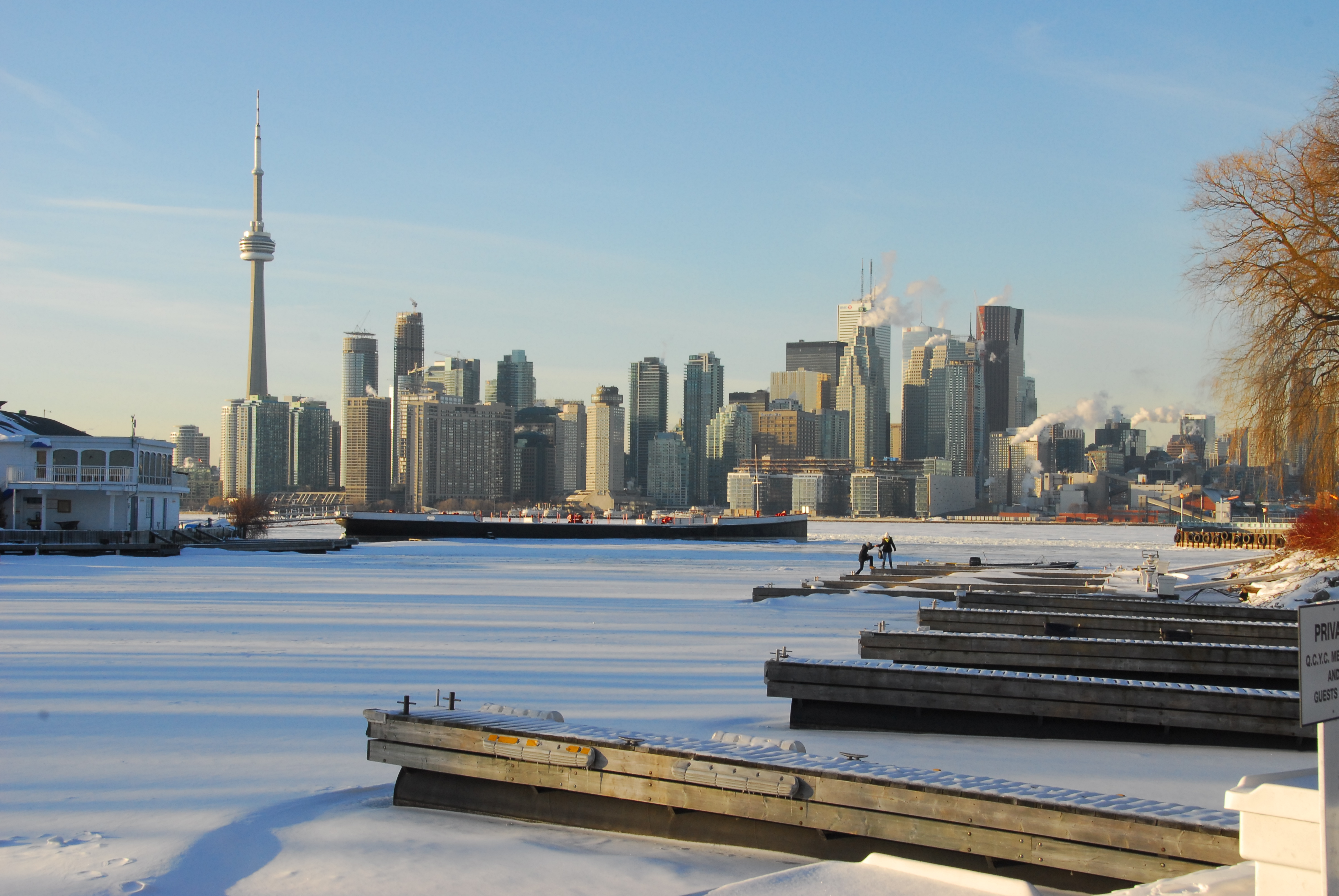
Close to 9 million people — more than a quarter of Canada's population — live in the lake's watershed, anchored by the Golden Horseshoe around Toronto and Hamilton. The shoreline blends big-city energy with quiet, rural beauty. On the Canadian side, Toronto's waterfront, harborfront trails, and the Toronto Islands are the easiest entry point, offering skyline views across the water and a quick ferry escape from downtown.
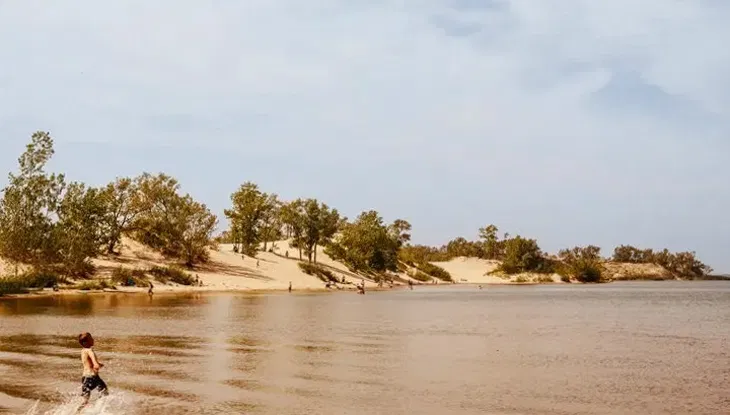
Drive east and the pace slows. The Niagara Peninsula, between Stoney Creek and Niagara-on-the-Lake, is one of North America's premier cool-climate wine regions, where the lake's moderating breezes nurture vineyards and orchards of peaches, cherries, and apples. Farther east, Prince Edward County's Sandbanks Provincial Park delivers the lake's most famous beaches — rippling sand dunes and warm, turquoise shallows — while nearby North Beach Provincial Park offers a quieter, kilometre-long stretch of sand. At the lake's eastern outlet, the Thousand Islands scatter across the St. Lawrence River near Kingston and Alexandria Bay, a haven for paddlers and boaters.
On the American shore, the lake is largely rural, with Rochester as the largest city and smaller historic ports at Oswego and Sackets Harbor — both steeped in War of 1812 history. Inland, Syracuse connects to the lake through the New York State Canal System, and more than 2 million people live in the lake's U.S. watershed.
Beaches, Wineries, and Lake-Effect Snow: Visiting by Season
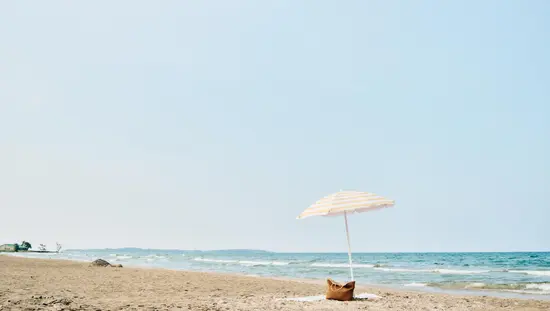
Summer is beach season. Sandbanks and North Beach draw swimmers to Lake Ontario's clearest, calmest waters, while boaters, anglers, and kayakers fan out across the shoreline. Fall brings the harvest: vineyard tours, apple picking, and the lake's famous moderating effect, which delays frost and stretches the growing season on both shores.
Winter is a different adventure entirely. Because the lake stays relatively warm and ice-free, cold northwest winds pick up moisture and drop it as lake-effect snow on the southeastern shore — the "snowbelt" between Oswego and Pulaski, and the Tug Hill Plateau, which receives more snow than almost anywhere in the eastern United States and is a magnet for snowmobilers and cross-country skiers.
What the Renaming Means for Your Trip
For travelers, the practical impact is mostly a matter of maps and signage. The order requires federal agencies to update their records, so expect changes across government maps, parks materials, and navigation tools in the coming months — including the third-party map apps many travelers rely on, as services reconcile the new name. Note that the rename is a U.S. federal action: Canada continues to call the lake Lake Ontario, and the international border running through the water remains exactly where it was.
If you're booking a trip, search for both names. "Lake Ontario" still surfaces most hotels, parks, and itineraries, while "Lake America" is gradually replacing it in official U.S. channels. The smartest move is to plan around the places themselves: the dunes at Sandbanks, the vineyards of Niagara-on-the-Lake, the islands near Kingston, and the snowbelt towns of New York's north country.
The Bottom Line: Key Takeaways
- Lake Ontario was renamed "Lake America" by executive order on August 27, 2026, and U.S. federal agencies are updating maps and records within 30 days.
- The lake spans 7,340 square miles, reaches 802 feet deep, and borders both Ontario, Canada, and the state of New York.
- Top travel draws include Sandbanks and North Beach provincial parks, the Niagara wine region, the Thousand Islands, and Toronto's waterfront.
- Summer brings beaches and boating; winter brings legendary lake-effect snow to the Tug Hill and Oswego–Pulaski snowbelt.
- Nothing about the destination itself has changed — only the name on the sign.