

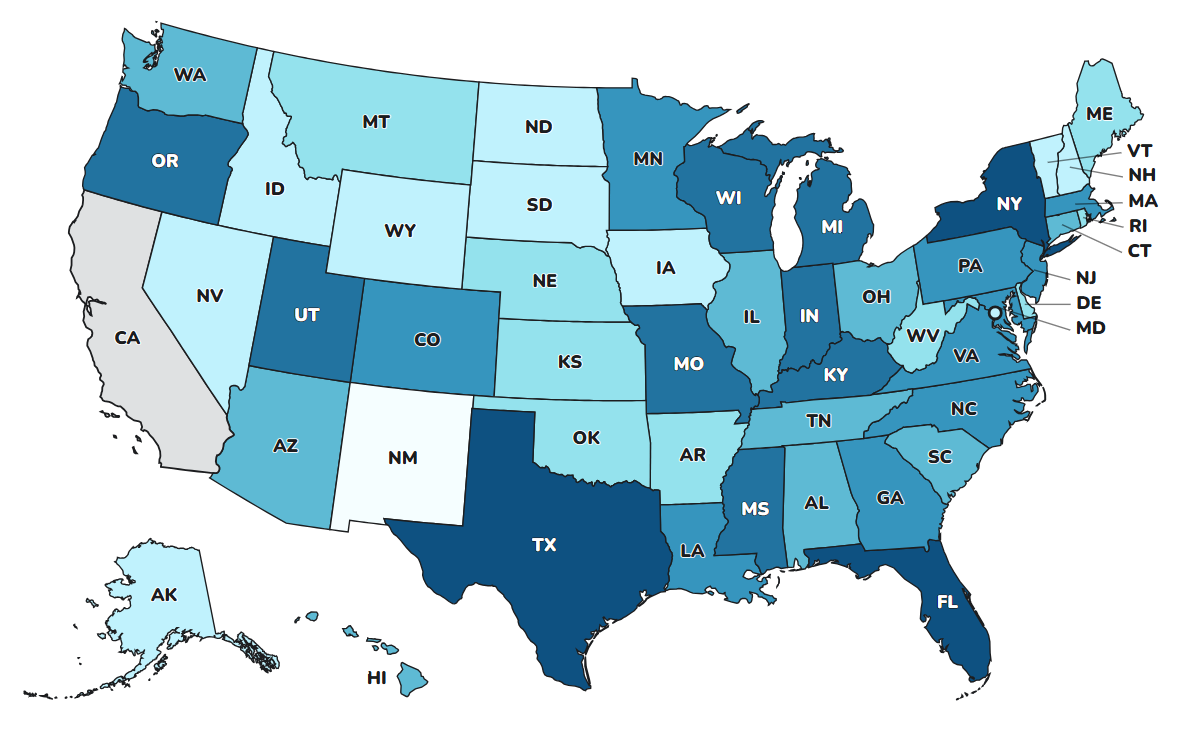
If you're planning a trip to Louisiana's Gulf Coast this summer, there's an invisible health risk you need to know about before you pack your swimsuit. Vibrio vulnificus — a naturally occurring bacterium dubbed the "flesh-eating" bacteria by media — is responsible for more infections along the Gulf Coast than anywhere else in the United States. New CDC surveillance data reveals that Gulf Coast states accounted for a striking 138 out of 222 Vibrio vulnificus cases nationwide in 2024, representing 62% of all reported infections. For travelers heading to popular Louisiana destinations like Grand Isle, Holly Beach, or the seafood restaurants of New Orleans, understanding this risk is the first step toward a safe vacation.
Why Vibrio Vulnificus Spikes During Louisiana's Peak Travel Season
Vibrio vulnificus isn't a new threat — it's been present in the warm, brackish waters of the Gulf of Mexico for as long as those waters have existed. What makes it particularly relevant for travelers right now is timing. The bacteria flourish when water temperatures rise, with the CDC identifying May through October as the high-risk window. That period happens to align perfectly with Louisiana's busiest tourism months, when families flock to coastal parishes for fishing trips, beach outings, and crawfish boils by the water.
The CDC's Cholera and Other Vibrio Illness Surveillance (COVIS) system — launched in 1989 specifically in partnership with four Gulf Coast states including Louisiana — tracks every reported case. In 2024, the surveillance network documented 3,755 total Vibrio infections across the country, with Gulf Coast states contributing 996 of those cases. Among those, Vibrio vulnificus — the most dangerous species — was overwhelmingly concentrated in the Gulf region. "Vibrio are bacteria that naturally live in certain coastal waters. They are found in higher numbers in May through October, when water temperatures are warmer," the CDC states in its guidance. For Louisiana travelers, those warmer months also mean warmer Gulf waters — and a higher concentration of the bacteria.
How Travelers Get Infected: The Two Routes to Watch
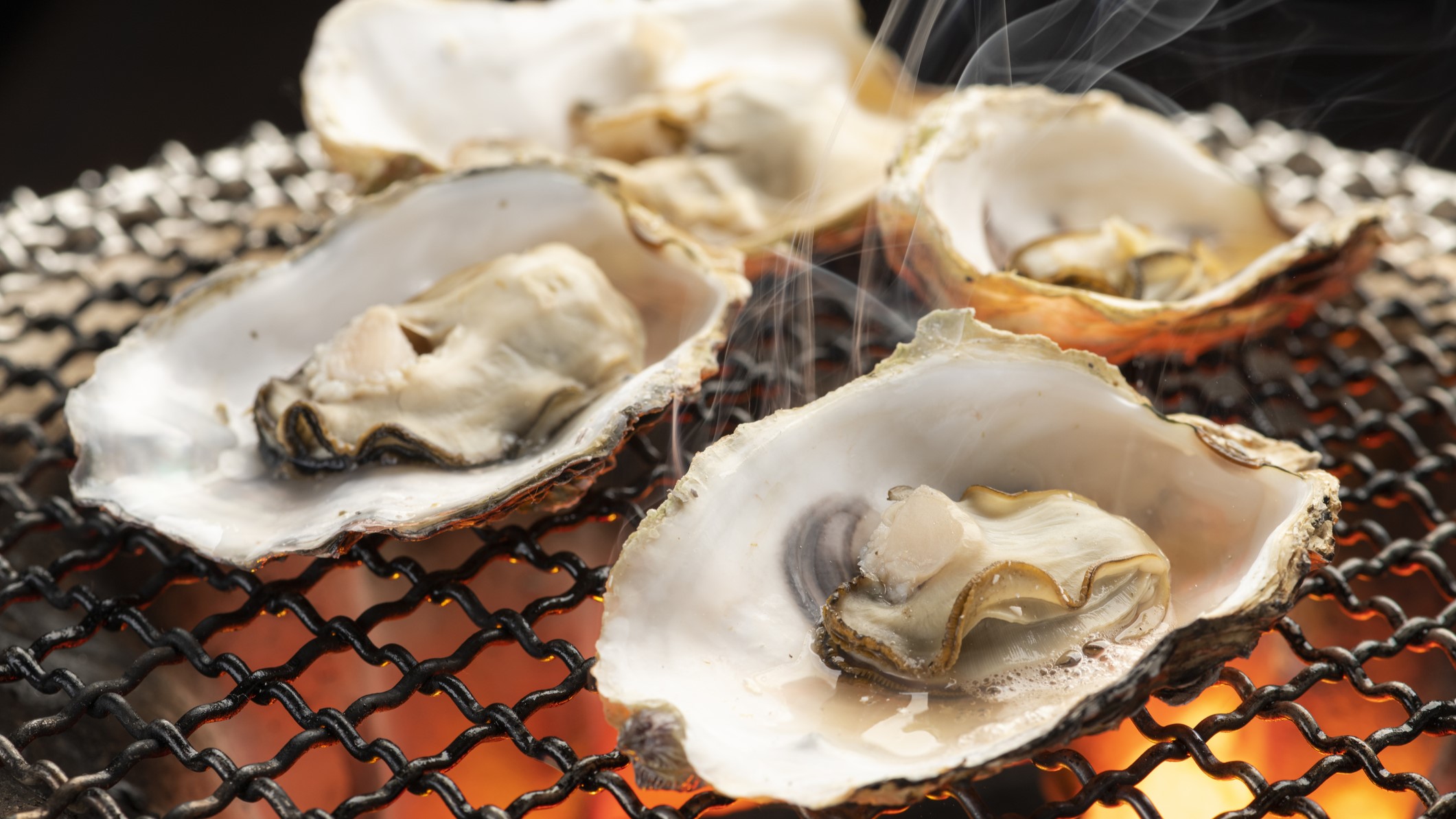
There are exactly two ways Vibrio vulnificus can enter your body, and both are directly relevant to common travel activities in Louisiana. The first — and most common — route is through food. Raw or undercooked shellfish, particularly oysters, act as natural concentrators of Vibrio bacteria. As the CDC explains, "Because oysters feed by filtering water, Vibrio can concentrate inside oysters their tissues." When a traveler sits down at a New Orleans oyster bar and orders a dozen on the half shell, they're taking a calculated risk — one that the CDC says cannot be mitigated by hot sauce, lemon juice, or alcohol.
The second infection route is even more directly tied to beach activities: open wounds. Any cut, scrape, insect bite, recent tattoo, or even a small blister can become an entry point for Vibrio vulnificus if it comes into contact with warm Gulf waters or raw seafood drippings. Fishermen wading into the surf, children playing at the water's edge with skinned knees, and tourists walking barefoot on oyster-shell beaches all face potential exposure. The CDC is blunt about the consequences: "People with a Vibrio vulnificus infection can get seriously ill and need intensive care or limb amputation. About 1 in 5 people with this infection die, sometimes within a day or two of becoming ill."
Who Is Most at Risk? The Traveler's Pre-Trip Checklist
Not every traveler faces the same level of danger from Vibrio vulnificus. The CDC identifies specific groups who should exercise extreme caution — or avoid raw seafood and coastal water exposure entirely. People with liver disease top the list, as compromised liver function dramatically reduces the body's ability to filter the bacteria from the bloodstream. Those with diabetes, HIV/AIDS, cancer, or any condition that weakens the immune system are also at elevated risk. Even travelers on immune-suppressing medications for conditions like rheumatoid arthritis or Crohn's disease should take note.
For these higher-risk travelers, the advice is unambiguous: skip the raw oysters at that famous French Quarter restaurant, stay out of the Gulf waters entirely if you have any open wound, and wear protective gloves if handling raw seafood. For otherwise healthy travelers, the risk is significantly lower — but not zero. The CDC's 2024 data shows that Vibrio infections affected people across all demographic groups, and even healthy individuals have been hospitalized with severe wound infections after a simple day at the beach.
How Louisiana Compares: The Gulf Coast's Disproportionate Burden
The geographic data tells a compelling story about why Louisiana travelers need to pay special attention. The COVIS system divides the U.S. coastline into four regions: Atlantic, Gulf, Pacific, and non-coastal states. In 2024, the Gulf Coast's 996 vibriosis cases dwarfed the Pacific Coast's 199. For Vibrio vulnificus specifically, the disparity was even more dramatic — Gulf states reported 138 cases compared to just 9 on the Pacific Coast. Louisiana's warm, shallow, brackish waters — the exact conditions Vibrio vulnificus prefers — create a perfect habitat that colder Pacific waters simply don't offer.
Climate trends are amplifying this risk. As Gulf waters warm earlier in the spring and stay warm later into the fall, the traditional May-to-October window for Vibrio activity is expanding. This means travelers visiting Louisiana for fall festivals, Thanksgiving seafood dinners, or even early-spring Mardi Gras celebrations may encounter conditions where the bacteria can thrive. The CDC's surveillance system, while robust, also notes that California's 2024 data hasn't been reported — meaning the national totals may actually undercount the true prevalence of infection.
Practical Safety Tips for Your Louisiana Beach Vacation
The good news for travelers is that preventing Vibrio vulnificus infection is straightforward and doesn't require canceling your Gulf Coast plans. The CDC's prevention guidance centers on two simple principles: cook your seafood and protect your wounds. For seafood lovers, this means ordering cooked oyster dishes — think chargrilled oysters, oyster po'boys with fried oysters, or seafood gumbo — rather than raw preparations. If you're cooking your own catch, boil shellfish until the shells open and continue boiling for another 3 to 5 minutes, or fry shucked oysters in oil at 375°F for at least 3 minutes.
For beachgoers, the wound protection rule is equally simple: if you have any break in your skin, stay out of the water. This includes fresh tattoos, which numerous news reports have linked to severe Vibrio infections. Carry waterproof bandages to cover minor cuts, rinse off thoroughly after swimming, and avoid handling raw seafood if you have any cuts on your hands. The CDC also recommends that anyone at increased risk — particularly those with liver conditions — wear protective gloves when handling raw seafood and avoid exposure to brackish water entirely.
The Bottom Line: Stay Informed, Stay Safe
Vibrio vulnificus is a serious but preventable threat that Louisiana travelers should take seriously — not as a reason to cancel a trip, but as motivation to travel smarter. The key takeaways are clear: the Gulf Coast sees the highest concentration of cases in the country, warm summer waters pose the greatest risk, raw oysters and open wounds are the two main pathways for infection, and those with underlying health conditions face dramatically higher danger. By following CDC guidance — cook seafood thoroughly, protect wounds from coastal waters, and know your personal risk level — travelers can enjoy everything Louisiana's coast has to offer without becoming a statistic in next year's surveillance report.