
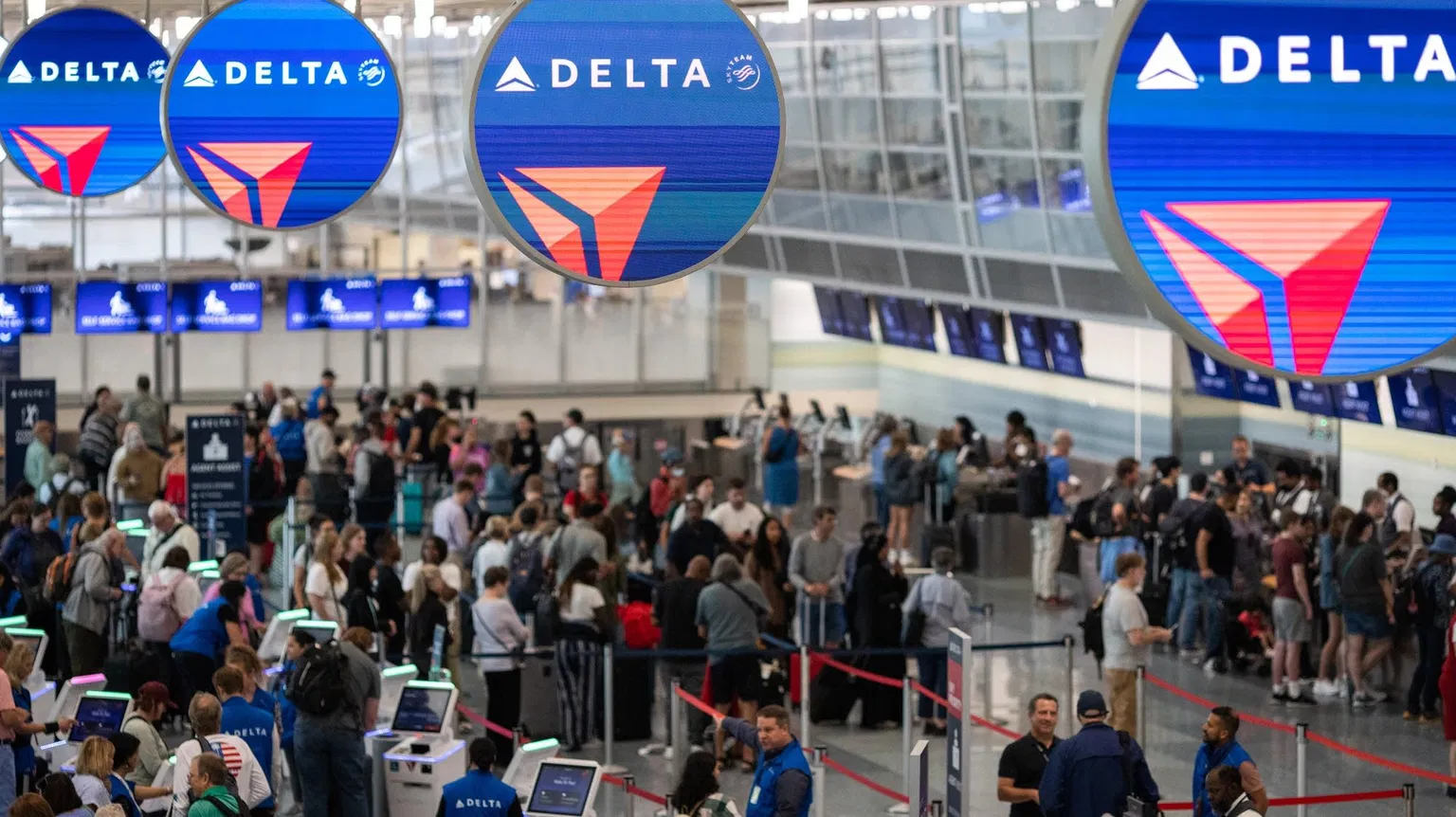
More than 600 flights were canceled at Minneapolis-St. Paul International Airport (MSP) on Sunday as a major winter storm slammed the Upper Midwest, causing widespread travel disruptions just as spring break season begins. Delta Air Lines proactively canceled hundreds of flights ahead of the predicted blizzard, with other airlines including Southwest and Sun Country issuing travel waivers for affected passengers. According to FlightAware data, 637 flights were canceled and 29 were delayed at MSP on March 15, 2026, representing 72% of the airport's schedule.
How Airlines Prepared for the Winter Storm
Delta Air Lines announced on Friday that it was canceling some flights to and from Minneapolis-St. Paul International Airport over the weekend, ahead of what forecasters warned could be a major winter storm. Winter storm warnings were in place from later Saturday through early Monday for most of central and southern Minnesota, including the Twin Cities, with predictions of well over a foot of snow. Delta said it was processing cancellations at Midwest airports—including its hub at MSP—Saturday evening and Sunday as a proactive step “to minimize disruption for customers ahead of severe winter weather.”
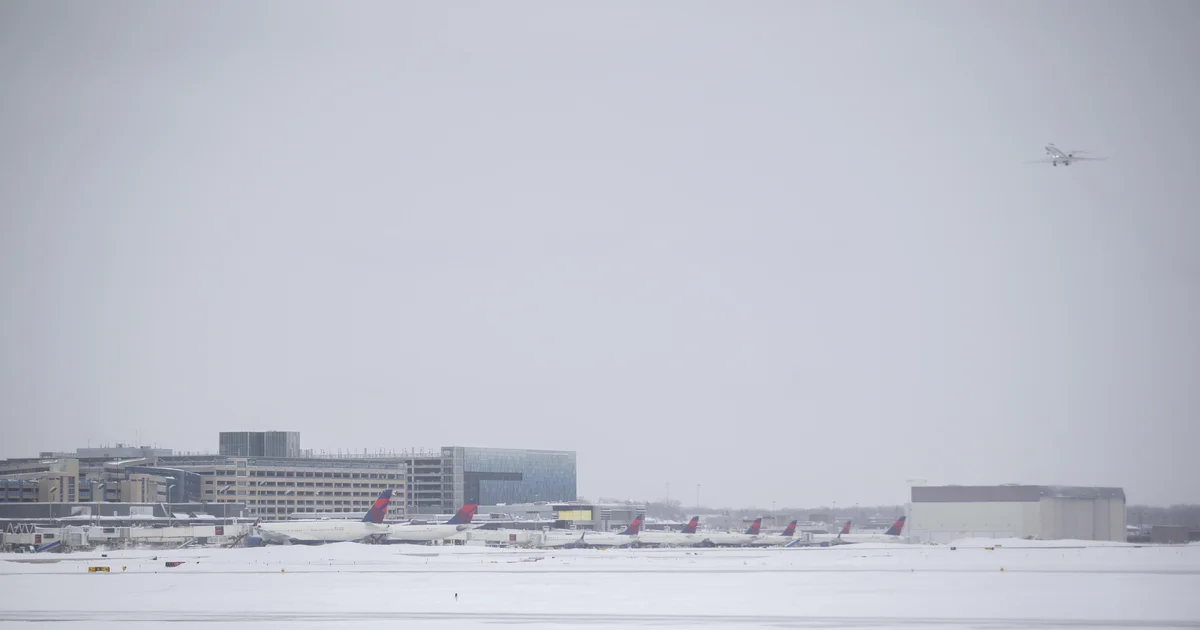
The airline stated it would automatically rebook affected passengers “to the next best itinerary” and offered flexible options for customers whose travel took them to, from, or through affected airports. “The safety of Delta customers and our people remains first and foremost as we closely monitor forecasts to determine necessary adjustments to flight schedules,” Delta said in its statement.
Timeline: How the Travel Disruptions Unfolded
The crisis began on Friday, March 13, when Delta first announced proactive cancellations for the weekend. By Saturday evening, as snow began to fall, airlines started processing cancellations. On Sunday, March 15, the situation escalated dramatically: FlightAware reported 637 canceled flights at MSP, with Delta alone canceling 199 departing flights and 190 arriving flights. Southwest Airlines warned that some of its flights to and from MSP on Saturday and Sunday might be delayed, while Sun Country Airlines issued a waiver for Sunday flights, allowing rebooking at no additional cost.
By Monday, March 16, the storm had moved out, but cancellations continued. According to the airport's flight tracker, 49 arriving flights and 29 departing flights were still canceled as of noon Monday. In total, MSP Airport saw more than 660 cancellations over the weekend, creating a backlog that extended into the start of the workweek.
Why Airlines Choose to Cancel Flights Proactively
Travel expert Kyle Potter, editor of Thrifty Traveler, explained that Delta's move was strategic. “This is Delta's way of limiting disruptions and resetting once the weather clears,” Potter told CBS Minnesota. “By canceling flights ahead of time, they can avoid having crews and aircraft stranded in the wrong places, which makes recovery much faster once the weather improves.”
Airlines have increasingly adopted proactive cancellation strategies during major weather events, as it allows them to notify passengers earlier, rebook them automatically, and reduce last‑minute chaos at airports. Delta's system automatically rebooks affected customers to the next available flight and provides flexible change options through its app and website. Similarly, Southwest allowed passengers with tickets for Saturday or Sunday to rebook or travel standby within two weeks of their original date without a change fee.
Where Things Stand Now: Ongoing Recovery Efforts
As of Tuesday, March 17, operations at MSP were gradually returning to normal, though some residual cancellations and delays persisted. Delta reported that it was resuming service at its Minneapolis‑St. Paul hub and encouraged customers to watch flight status on the Delta app or delta.com. The airport expected to serve more than 3.3 million passengers over the five‑week spring break period ending April 6, making a swift recovery essential.
However, another storm system was forecast to drop an additional inch or two of snow late Tuesday, potentially causing further disruptions. Travelers were advised to check their flight status frequently and take advantage of the flexible waivers still offered by most airlines operating at MSP.
What Travelers Should Do Next
If your travel plans were affected by the MSP cancellations, here are the key steps to take:
- Check your airline's travel waiver: Delta, Southwest, Sun Country, American, and United all issued waivers for flights to/from MSP. These waivers typically allow you to rebook without change fees within a specific window.
- Use airline apps for self‑service: Delta noted that customers have access to the same flight options through its app or website as reservation agents, often with shorter wait times.
- Consider travel insurance: If you purchased travel insurance, review your policy for coverage of trip delays, cancellations, and additional expenses caused by weather.
- Allow extra time at the airport: Even as operations resume, security lines and check‑in counters may be longer than usual due to the backlog of passengers.
- Stay informed: Monitor weather forecasts and airline communications for updates on further schedule adjustments.
The Bottom Line: Key Points to Remember
The winter storm that hit the Upper Midwest on March 15‑16, 2026, led to one of the largest single‑day flight cancellation events at Minneapolis‑St. Paul International Airport in recent years. Delta's proactive cancellations, while disruptive, were designed to limit overall travel chaos and speed up recovery. Passengers affected by the cancellations have multiple rebooking options and should act quickly to secure new travel arrangements. With spring break travel in full swing, travelers are advised to build flexibility into their plans and stay updated on weather and airline announcements.