
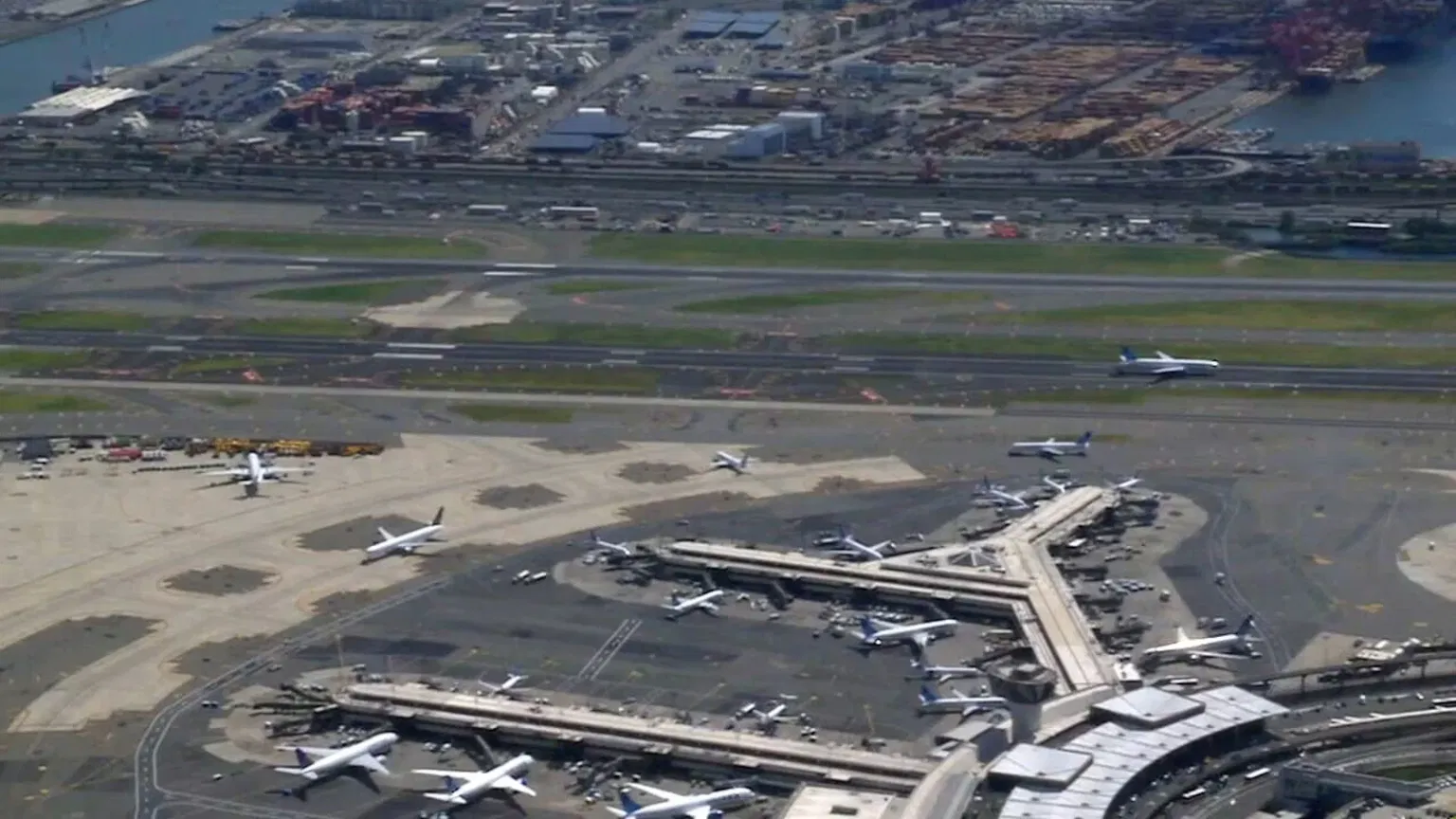
Newark Liberty International Airport is in the midst of a historic transformation, but for travelers, the experience right now is a mixed bag of cutting-edge upgrades and lingering disruptions. From a brand-new $3.5 billion AirTrain breaking ground to FAA flight caps extending through 2026, here's everything you need to know about flying through EWR this year.
FAA Extends Flight Caps Through 2026 — Here's What Changed
If you've flown through Newark recently, you've likely felt the turbulence — and not just from the weather. The Federal Aviation Administration has extended its order limiting arrivals and departures at Newark Liberty International Airport through October 24, 2026, in an effort to rein in the delays and cancellations that have plagued the airport since spring 2025.
Under the latest extension, Newark is permitted 72 flights per hour outside of construction periods, up slightly from the previous cap of 68. However, weekend construction periods will still see stricter limits. The initial order, issued in June 2025, capped flights at 68 per hour through October 25, with weekend reductions down to just 28 per hour during construction from September through December 2025.
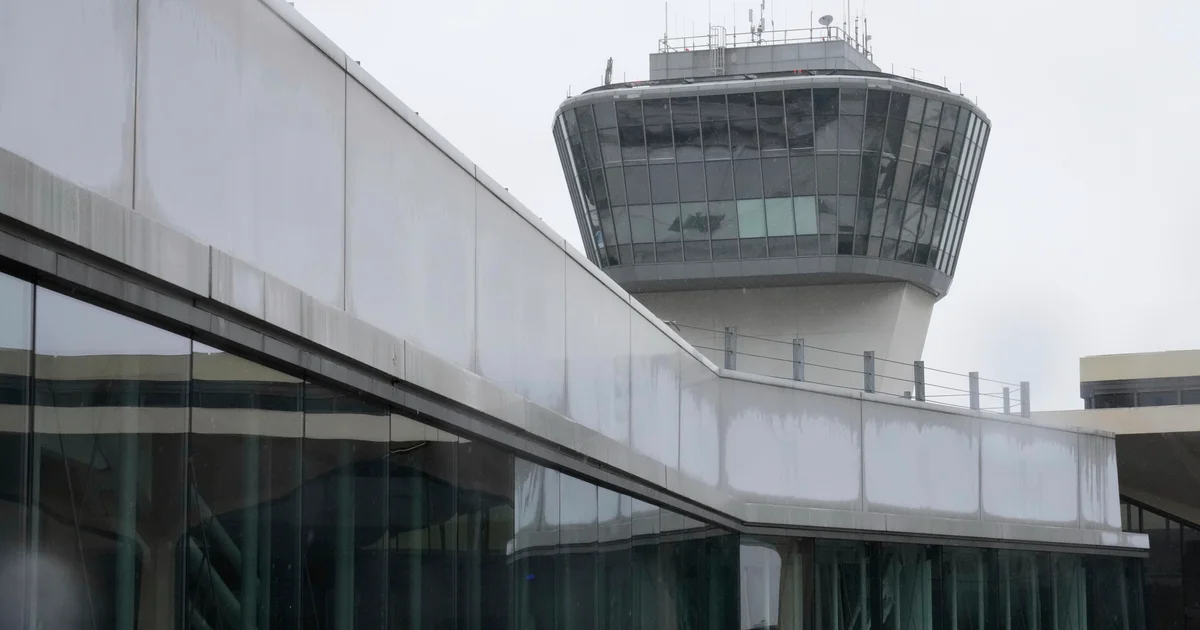
The root causes? A perfect storm of aging radar systems, chronic staffing shortages at the Philadelphia air traffic control center (which now oversees Newark's airspace), and a two-month runway shutdown. At the height of the chaos, six air traffic controllers went on trauma leave as the pressure mounted. The FAA acknowledged that its initial mitigation plan "was quite insufficient," according to aviation analyst Jason Rabinowitz, and has since scrambled to implement more structured flight schedules and technology upgrades.
Timeline: How Newark's Challenges Unfolded
Spring 2025 — A wave of delays and cancellations hits Newark, with dozens of flights disrupted daily for over a week. Aging radar systems and controller shortages at the Philadelphia TRACON facility are identified as key factors.
May 2025 — A chilling incident makes headlines: air traffic controllers at Newark lost radio contact with every aircraft for nearly 90 seconds. The FAA orders emergency flight cuts.
June 2, 2025 — The Port Authority completes reconstruction of Runway 4-Left/22-Right, finishing nearly two weeks ahead of schedule thanks to extra shifts and around-the-clock work.
June 2025 — The FAA issues an order limiting Newark to 68 flights per hour through October 25, 2025, with stricter weekend caps during construction periods.
August 28, 2025 — A temporary ground stop halts incoming flights at Newark due to air traffic control radio communication issues at the New York Tracon, adding to the string of operational headaches.
September 25, 2025 — The FAA announces it will extend flight limits through October 2026, increasing the cap to 72 flights per hour but maintaining restrictions during construction periods.
October 6, 2025 — The Port Authority breaks ground on the new $3.5 billion AirTrain Newark system, launching a 2.5-mile automated people mover project set to transform airport transit by 2030.
The $3.5 Billion AirTrain: A Game-Changer for Newark
The biggest news for Newark's future came in October 2025, when the Port Authority of New York and New Jersey officially broke ground on a brand-new AirTrain Newark system. Designed to carry 50,000 riders daily, this 2.5-mile automated people mover will provide seamless connections between terminals, parking lots, rental car facilities, and NJ Transit's Northeast Corridor line at the Newark Liberty International Airport Station.
"It's kind of heartbreaking to access our world-class, award-winning, brand-new Terminal A using the existing AirTrain," Port Authority officials noted during the groundbreaking ceremony — and they're not wrong. The current AirTrain system, which opened in 1996, has long been a weak link in an otherwise modernizing airport experience.
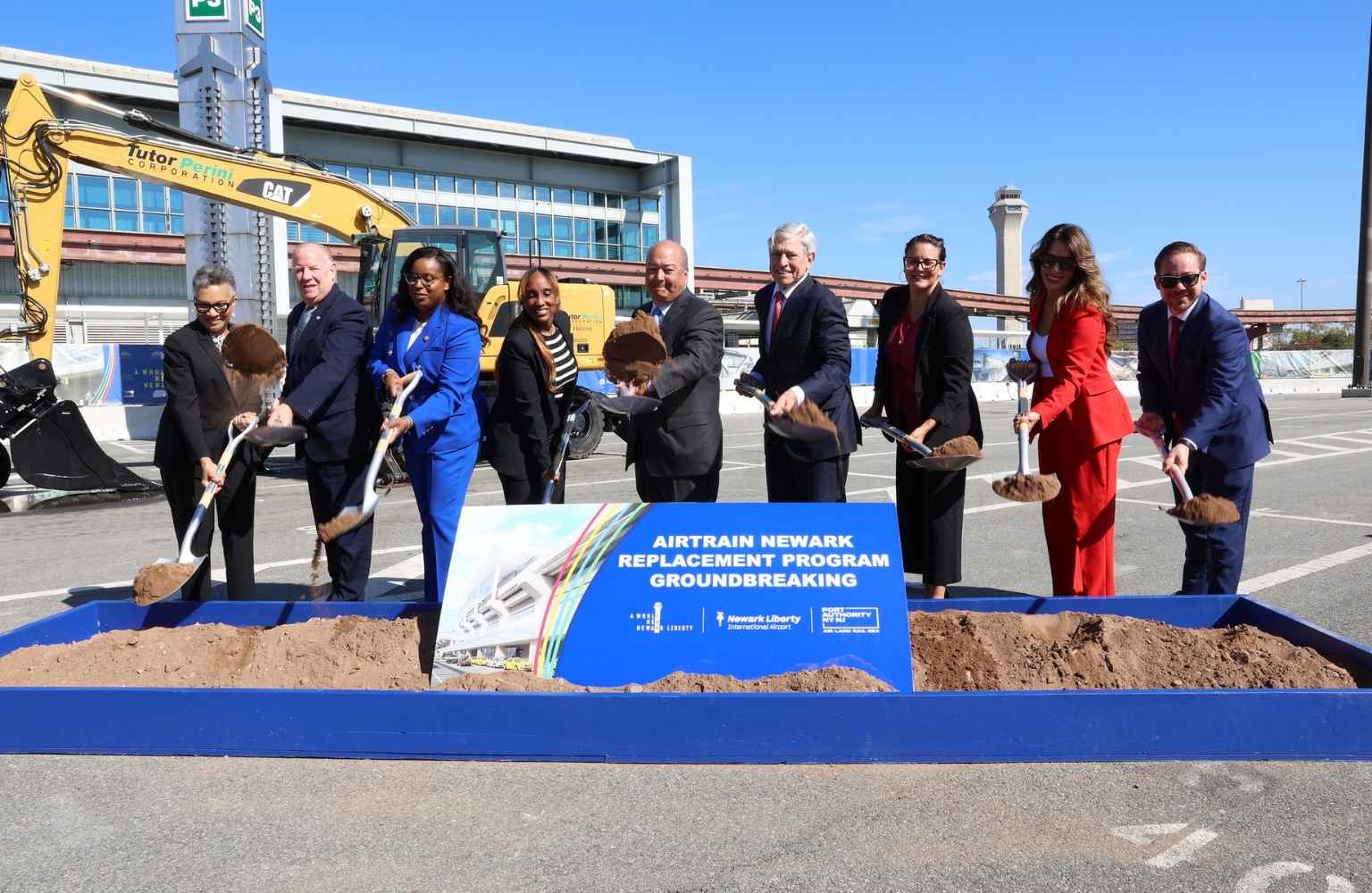
The $1.184 billion design-build contract has been awarded, and the new system is expected to be operational by 2030. The AirTrain is a centerpiece of the broader EWR Vision Plan, which also calls for a new Terminal B, a streamlined roadway network, and a complete redesign of the airport's ground transportation infrastructure.
Newark's Award-Winning Terminal A: The Bright Spot
Amid the operational challenges, there's one clear success story. The brand-new Terminal A — a 1 million-square-foot, 33-gate facility — opened in early 2023 and was named the world's best new airport terminal at the 2024 Skytrax World Airport Awards. It represents the single largest investment in New Jersey's transportation infrastructure and has drawn rave reviews from travelers for its modern design, advanced amenities, and improved passenger flow.
Terminal A features soaring ceilings, ample natural light, a curated selection of local dining options, and state-of-the-art baggage handling systems. It sets a new standard for what travelers can expect at Newark — and why the contrast with the aging AirTrain and other older facilities feels so stark.
Navigating Newark: What Travelers Need to Know Right Now
For those flying through EWR in the coming months, preparation is key. Here are the essential tips for a smoother journey:
Arrive early. Domestic travelers should arrive at least two hours before departure; international flyers should allow three hours. With ongoing construction and potential delays, extra time is your best friend.
Know your terminal. Terminal A is the newest and houses select airlines including some United flights. Terminal B handles many international carriers. Terminal C is United's main hub with the most gates and the United Club locations. The AirTrain connects all three terminals, though it's showing its age and may experience occasional maintenance shutdowns — free shuttle buses are provided during those periods.
Check your flight status frequently. Given the FAA's flight caps and ongoing infrastructure work, schedules remain fluid. Sign up for airline alerts and check the Newark Airport advisories page before heading out.
Parking considerations. On-site parking options include short-term lots directly across from each terminal and long-term and economy lots served by shuttle buses. Given potential AirTrain closures, check whether your lot's shuttle is running before you park.
Watch for construction. Between the new AirTrain construction, terminal upgrades, and roadway redesigns, expect some navigation challenges. Follow signage carefully and allow extra time for getting between terminals or to rental car facilities.
Where Things Stand: What's Working and What's Not
On the positive side, the FAA reports some measurable improvements. Newark has transitioned to a new fiber optic communications network, replacing 90 miles of aging copper cables — a project Transportation Secretary Sean Duffy noted could go live as early as July 2025 if testing goes smoothly. The agency is also boosting staffing at the Philadelphia TRACON center and working to install a new backup air traffic control system.
However, lingering staffing deficiencies mean the long-term solutions are still a work in progress. The FAA has been clear that until staffing levels are "very healthy" and the new tech infrastructure is fully operational, the caps will remain in place. For travelers, that means patience will continue to be an essential carry-on item.
The Bottom Line: Key Points to Remember
- Flight caps are here to stay — FAA limits of 72 flights/hour (and stricter weekend caps during construction) will continue through October 2026
- Major investment underway — $3.5 billion new AirTrain system broke ground in October 2025, expected by 2030
- New Terminal A is a win — Award-winning 33-gate facility sets a new standard for passenger experience
- Infrastructure improving — New fiber optic network and runway reconstruction completed ahead of schedule
- Travel smart — Allow extra time, check flight status often, and stay informed about construction impacts
Newark Liberty International Airport is very much a tale of two airports right now — a world-class terminal experience juxtaposed against aging infrastructure and operational constraints. But with billions in investment already underway and visible progress being made, the future of EWR is looking up. For now, a little extra planning goes a long way toward a stress-free journey through this essential gateway to the New York metro area.