
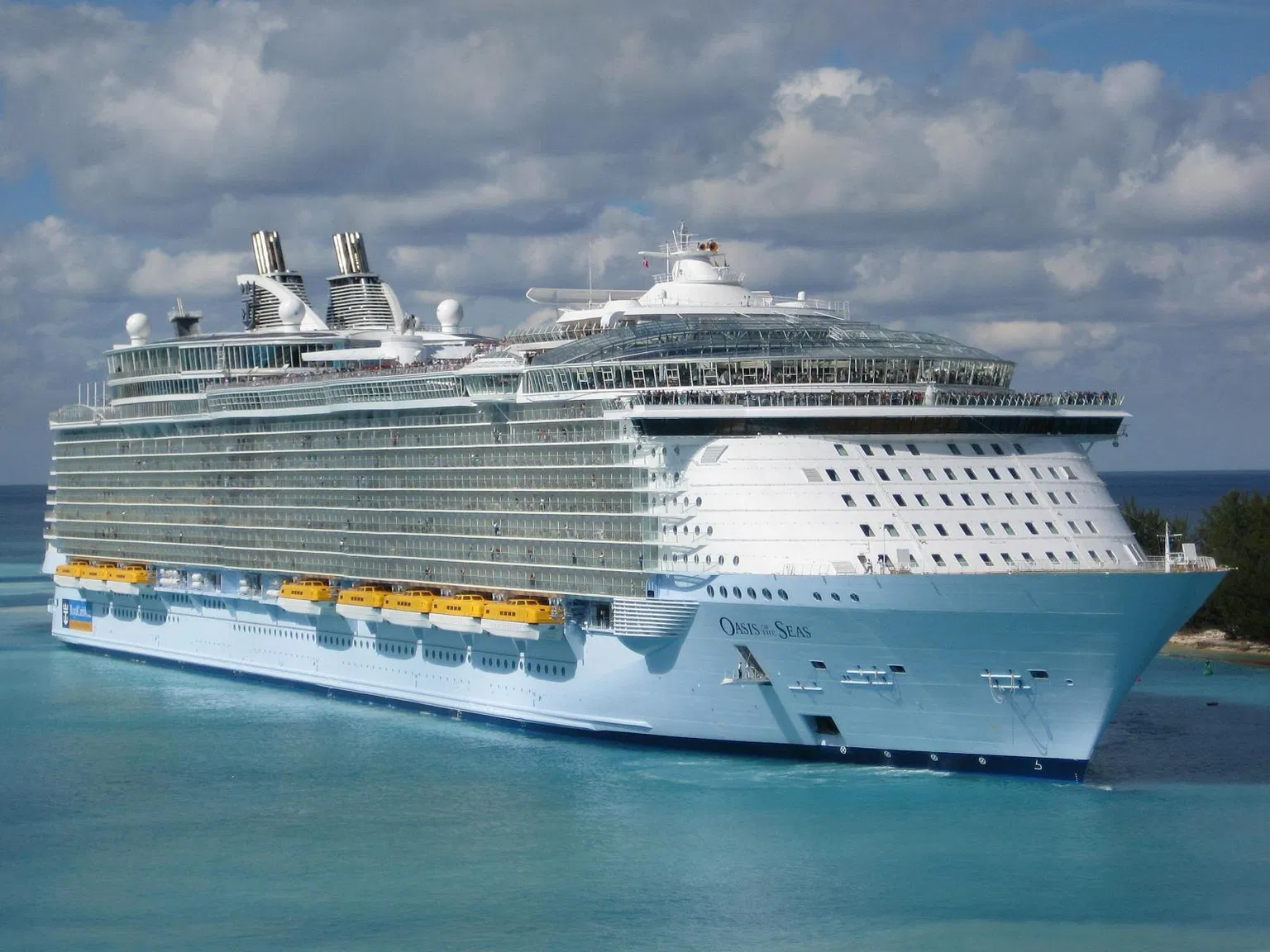
More than 5,000 passengers boarded Royal Caribbean's Oasis of the Seas on October 18, 2026, with swimsuits, sunscreen and plans for a week of warm Caribbean sunshine. Instead, a powerful East Coast storm turned their Bahamas cruise into an unexpected autumn detour to Halifax, Nova Scotia, Canada. The massive ship — one of the largest cruise vessels in the world — was completely rerouted just hours before departure, swapping private-island beach days at Perfect Day at CocoCay and a stop in Nassau for a chilly Atlantic port where October temperatures hovered in the mid-50s Fahrenheit.
The rare last-minute itinerary change, triggered by a nor'easter that would later strengthen into Subtropical Storm Josephine, sent thousands of travelers scrambling to trade bikinis for hoodies. It also marked the first of three Royal Caribbean warm-weather cruises diverted to Canada within a single week.
How a Bahamas Cruise Became a Canada Getaway
Oasis of the Seas was scheduled to sail a seven-night "Perfect Day Bahamas" itinerary from Cape Liberty in Bayonne, New Jersey. The planned route called for stops at Port Canaveral (Orlando), Florida; Royal Caribbean's private island, Perfect Day at CocoCay; and Nassau in the Bahamas, with three relaxing days at sea.
But as departure day approached, a sprawling storm system began spinning up off the U.S. East Coast. Forecasters warned of winds topping 50 mph, dangerously large swells and coastal flooding along the route toward Florida and the Bahamas. Rather than sail thousands of guests directly into rough seas, Royal Caribbean made the call to reroute the entire sailing north to Halifax, Nova Scotia.

"This is a joke, right?" was one passenger's first reaction, according to reports. Another traveler captured the irony perfectly: "I am already from Canada, and I wanted to go to the Bahamas."
Instead of tropical beaches, passengers were told the night before departure that they would be heading to Halifax, where October temperatures typically sit in the mid-50s Fahrenheit (around 12 to 13 degrees Celsius). Many had packed only warm-weather clothing and had to make do with whatever layers they could find on board or in port.
Timeline: From Swimsuits to Winter Coats in a Matter of Hours
The diversion unfolded rapidly, leaving travelers little time to adjust. Here's how the week played out:
- October 18, 2026 — Oasis of the Seas departs Cape Liberty, New Jersey, on its scheduled seven-night Bahamas sailing. Passengers learn of the itinerary change just hours before boarding.
- October 20, 2026 — The ship arrives in Halifax, Nova Scotia, greeted by cool, rainy Atlantic conditions instead of Bahamian sunshine.
- October 21, 2026 — Royal Caribbean extends the Halifax stop to a full day, keeping the ship docked until 6 p.m. The nor'easter offshore strengthens into Subtropical Storm Josephine, the 10th named storm of the 2026 Atlantic hurricane season, with sustained winds near 65 mph.
- October 24–25, 2026 — A second Royal Caribbean ship, Independence of the Seas, abandons its Bermuda itinerary for Canada, and a third warm-weather sailing is also rerouted north within the same week.
Why Subtropical Storm Josephine Forced Royal Caribbean's Hand
The culprit behind the mass diversion was a sprawling, slow-moving coastal low that began as a classic October nor'easter. By October 21, the system had organized enough to be named Subtropical Storm Josephine, according to the National Oceanic and Atmospheric Administration (NOAA). The Weather Channel reported sustained winds of 65 mph, with high surf, gale-force winds and coastal flooding battering the Eastern Seaboard.
For cruise lines, rerouting is a matter of both safety and guest experience. A ship the size of Oasis of the Seas — one of the largest cruise ships in the world and roughly 1,181 feet long — is built to handle rough seas, but sailing thousands of vacationers through a storm would have made for a miserable, and potentially dangerous, week. Rather than risk it, Royal Caribbean opted for a detour to a safe port with far calmer conditions.
The Canadian Hurricane Centre tracked Josephine as it moved northeast, keeping the worst of the wind and rain well offshore of Nova Scotia — which is exactly why Halifax became a safe harbor for the diverted ship. Local officials and tourism businesses rolled out the welcome mat, and many passengers ultimately embraced the surprise stop, telling Canadian outlets they were "having a blast" despite the colder weather.
What Passengers Were Offered: The Compensation Breakdown
Royal Caribbean acknowledged the disruption with a compensation package for affected guests. According to multiple reports, passengers received:
- Refundable onboard credit ranging from roughly $200 to $600 per stateroom, depending on the booking.
- A 50% future cruise credit based on the cruise fare paid — meaning a guest who paid $2,000 could receive about $1,000 toward a future sailing.
- Full refunds for shore excursions that had been booked for the cancelled Bahamas stops.
While no compensation package can fully replace a tropical vacation, many passengers told local news crews they were making the best of it. "Of course, it's not the 80-degree Bahamas," one traveler said, but the surprise Canadian stop still delivered its own kind of adventure.
Where Things Stand Now: More Warm-Weather Cruises Rerouted
The Oasis of the Seas diversion was not an isolated incident. As Subtropical Storm Josephine lingered off the coast, Royal Caribbean rerouted Independence of the Seas — a five-night Bermuda sailing departing October 24, 2026 — to Canada instead, following a gale warning. A third warm-weather cruise was also diverted north within the same week, bringing the total to three Royal Caribbean sailings rerouted to Canada in roughly seven days.
The wave of rerouting highlights just how quickly a powerful autumn storm can upend even the most carefully planned cruise itineraries along the Atlantic coast.
What Travelers Can Learn From This Reroute
If there's a lesson in the great Bahamas-to-Canada swap, it's that cruise itineraries are never guaranteed. Here's what savvy travelers should keep in mind before booking a warm-weather sailing during Atlantic hurricane season or the fall storm season:
- Pack for the unexpected. Even on a "sure thing" Caribbean cruise, toss in a light jacket or a few layers — especially for October and November sailings, when nor'easters and late-season storms are possible.
- Watch the forecast before departure. If a storm is brewing along your route, check your cruise line's itinerary alerts and prepare for last-minute changes.
- Know your compensation rights. Cruise lines typically offer onboard credit, future cruise credit or itinerary adjustments when weather forces a major change — but policies vary, so read the fine print.
- Book with flexibility. Consider travel insurance and refundable options if a destination change would ruin your trip.
The Bottom Line: Key Points to Remember
- Royal Caribbean's Oasis of the Seas, carrying more than 5,000 passengers, was rerouted from the Bahamas to Halifax, Nova Scotia, in October 2026.
- The change was triggered by a nor'easter that strengthened into Subtropical Storm Josephine, with winds near 65 mph.
- Passengers were notified just hours before departure and offered onboard credit, a 50% future cruise credit and excursion refunds.
- Independence of the Seas and a third ship were also diverted to Canada within the same week.
- Most travelers took the surprise detour in stride — proof that sometimes the best travel stories come from the plans that change.