

The Spokane Complex fires have thrust Eastern Washington into a state of emergency, with more than 10,000 acres scorched, at least 913 structures destroyed, and tens of thousands of residents forced from their homes since the blazes erupted on Saturday, August 1. For anyone with upcoming travel plans to Spokane or the broader Inland Northwest, the situation demands careful attention — not only to safety but also to air quality, road conditions, and the evolving recovery landscape.
Three fires make up the complex: the Old Trails fire, the Autumn Lane fire, and the Fairview fire. As of Thursday, August 6, containment stood at just 13% for the first two and a meager 5% for the Fairview fire, according to the incident command team overseeing fire response. With dry, windy conditions forecast through the weekend, fire behavior analysts have warned that conditions remain primed for rapid spread.
How the Spokane Complex Fires Unfolded
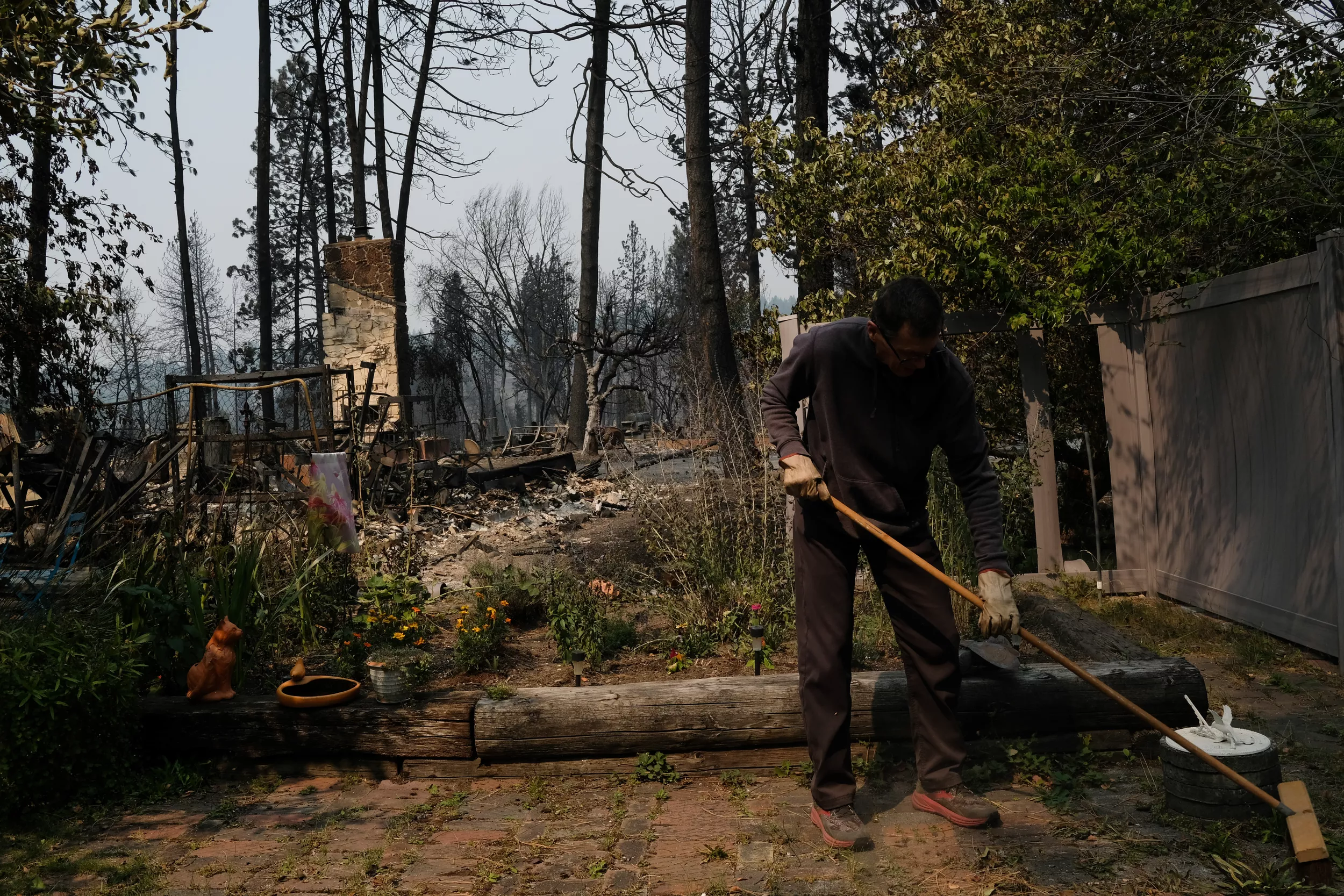
The Old Trails fire began around noon on Saturday northeast of Airway Heights, a suburb west of Spokane. High winds carried the flames rapidly through Riverside State Park, where the fire jumped the Spokane River and barreled into the city, destroying hundreds of structures in a matter of hours. The National Weather Service had issued a "particularly dangerous situation" warning for severe fire weather that day — conditions the alleged arsonist later described to detectives as "ideal."
Law enforcement arrested 37-year-old Aaron Farinacci on Monday evening on suspicion of first-degree arson. According to court records, Farinacci confessed to planning the fire two weeks in advance, researching weather forecasts and studying the methods of a notorious arsonist. He purchased matches, cigarettes, and rubber bands to construct a timed ignition device. "He feels fire is powerful, beautiful, and that things that go through fire experience a kind of rebirth," Spokane County Sheriff's Detective Mike Drapeau wrote in court documents. A judge increased Farinacci's bond to $2 million on Thursday and ordered a competency evaluation. He now faces five counts of first-degree arson.
Sheriff John Nowels has warned that many evacuated residents will not be able to return home for weeks — possibly a month. "Burn areas are absolutely not safe for people to be in," Nowels said, citing airborne hazardous materials from burned vehicles and structures. Firefighters working in damaged zones are wearing full self-contained breathing apparatuses. "We have been very lucky with the scope of this last fire and how quickly it moved, that we don't have any major injuries and we don't have any known fatalities," he added.
What This Means for Travelers: Safety, Air Quality, and Logistics
Spokane is not under a citywide evacuation order, but large portions of the western and northern edges of the metro area remain under Level 3 ("Go Now") evacuation orders. Travelers should avoid these zones entirely — not only for personal safety but also to keep roads clear for emergency vehicles and evacuees. Resources from more than 20 states and 100 jurisdictions have arrived in Spokane to assist, which means increased traffic from firefighting crews, National Guard vehicles, and utility repair convoys.
Air quality is a serious concern. Even areas far from active flame fronts may experience hazardous smoke conditions. The incident command team confirmed that hazardous materials specialists are conducting assessments inside Level 3 zones. For travelers with respiratory conditions, it is advisable to check AirNow.gov for real-time air quality data before heading outdoors. Packing N95 masks is a wise precaution for anyone visiting the region in the coming weeks.
On the political front, Washington Gov. Bob Ferguson has invited President Donald Trump to tour the devastation. Trump approved a federal disaster declaration on Tuesday, unlocking FEMA assistance and authorizing the agency to cover 75% of eligible emergency response costs. Ferguson said his office is also preparing a request for a "major disaster declaration," which would make individual victims eligible for compensation for uninsured losses and low-interest business loans.
Community Resilience: How Spokane Is Responding
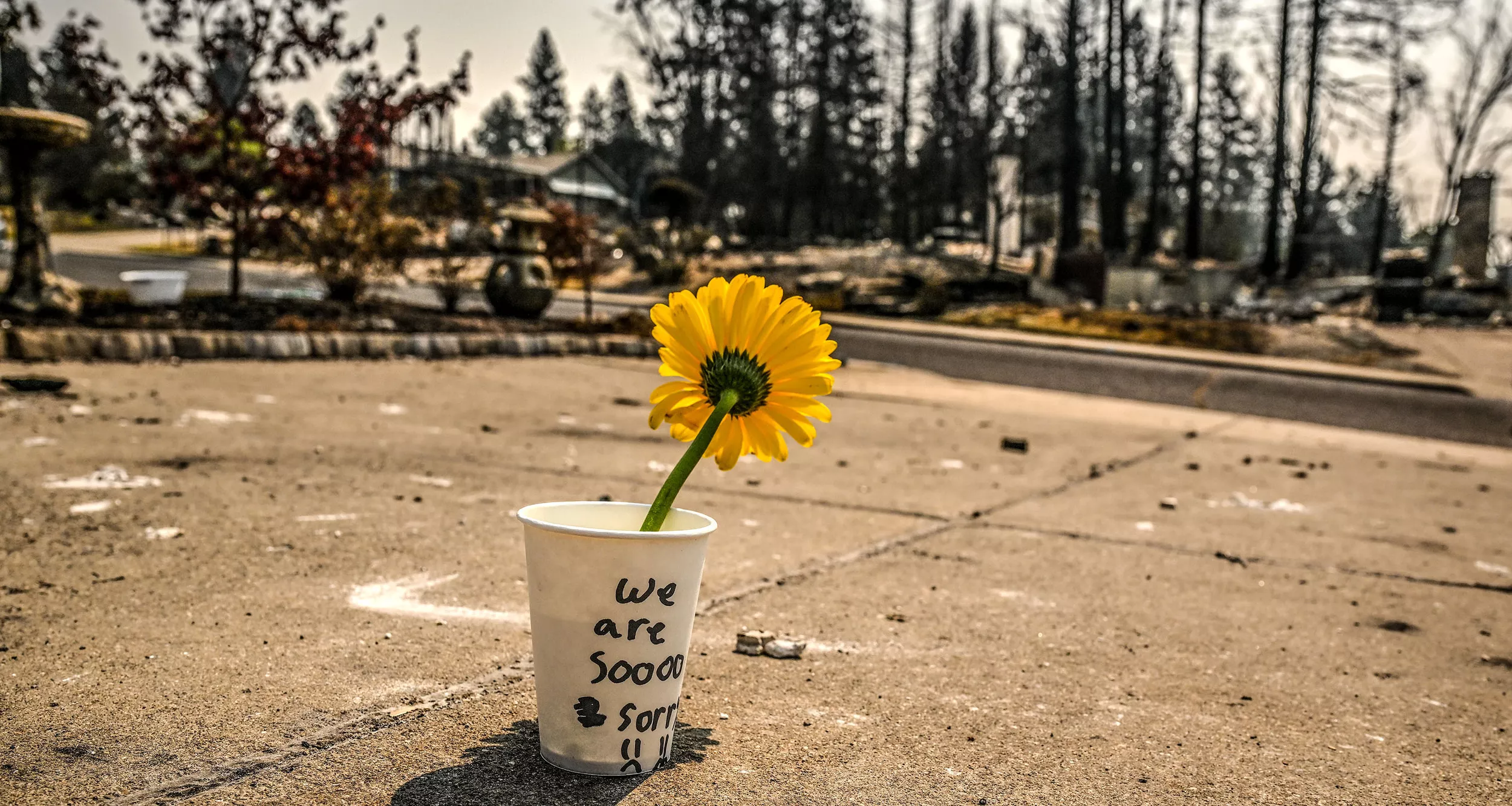
Amid the destruction, Spokane's community response has been remarkable. The Disaster Assistance Center at Shadle Park High School opened Thursday with representatives from the Red Cross, Salvation Army, Spokane Humane Society, and some 50 other organizations. "We've had horrific ice storms, snowstorms, windstorms, where we've had thousands of people impacted, but not in a devastating way like this," said Simone Ramel-McKay, a program specialist with Greater Spokane Emergency Management. "Wildfire impact is far more devastating, because people lose everything."
Restaurants across the city have stepped up. Feast World Kitchen partnered with World Central Kitchen to distribute free meals — 300 on Sunday alone. Chowderhead, Tamale Box, Flatstick Pub, Hello Sugar, and Birdie's Pie Shop are among the many establishments offering free or discounted food to first responders and displaced families. "Food is our language," said Feast World Kitchen executive director Maisa Abudayha.
Even the arts community is finding ways to help. Bright Comet Theatre's production of "The Trail to Oregon" — a musical comedy about a family fleeing a burned home — continued its run despite the real fires, with one cast member performing after evacuating her own home. "I believe creation is the most impactful in the midst of destruction," said director Dominique Betts. "If we can provide a distraction for a few hours to someone struggling, that is everything."
Timeline: The Spokane Complex Fires at a Glance
Saturday, August 1: The Old Trails fire ignites near Old Trails and Euclid roads northeast of Airway Heights around noon. High winds drive flames through Riverside State Park and across the Spokane River into the city. Mass evacuations begin.
Sunday, August 2: Gov. Bob Ferguson speaks with President Trump and Homeland Security Secretary Markwayne Mullin. Emergency operations center activated at Spokane Fire Training Center. Restaurants begin distributing free meals.
Monday, August 3: Aaron Farinacci, 37, arrested on suspicion of first-degree arson after witnesses report a suspicious man near the fire's origin point.
Tuesday, August 4: Farinacci appears in court for the first time. Trump approves federal disaster declaration for six Washington counties and three tribal nations.
Wednesday, August 5: Ferguson sends formal letter inviting Trump to tour the damage. Fire reaches 10,436 acres with Autumn Lane/Old Trails at 13% containment and Fairview at 5%.
Thursday, August 6: Disaster Assistance Center opens at Shadle Park High School. Farinacci's bond doubled to $2 million; four additional arson counts filed. Sheriff warns residents may be barred from their homes for weeks. Weekend weather forecast raises fresh concerns.
Planning Ahead: Travel Guidance for the Weeks to Come
If you have a trip to Spokane planned in the near term, here is what to consider. First, check with your airline or lodging provider — many are offering flexible cancellation and rebooking policies for the region. Spokane International Airport remains operational, but smoke conditions can affect visibility and cause delays. Second, if you are driving, monitor Washington State Department of Transportation alerts for highway closures, particularly on routes approaching from the west and north. Third, consider whether your travel purpose requires being in or near affected neighborhoods; downtown Spokane, the South Hill, and Spokane Valley are largely unaffected by direct fire damage, though smoke may still be present.
For those who want to help, the preference from emergency managers is clear: gift cards and cash donations, not used clothing or household goods. "They don't have homes, they lost their homes. They have nowhere to put things," Ramel-McKay said. Organizations including the Red Cross and Second Harvest Food Bank are accepting monetary donations online.
The recovery timeline will be measured in months, not weeks. Insurance companies have already set up mobile claims centers, and hazardous materials assessments are ongoing. For now, Spokane remains a city navigating crisis with remarkable resolve — and for travelers, a destination that calls for awareness, flexibility, and compassion.
The Bottom Line: Key Takeaways
- The Spokane Complex fires have burned 10,436+ acres and destroyed 913+ structures across three active fires with low containment levels.
- Level 3 evacuation zones remain in effect for multiple neighborhoods; travelers should avoid these areas entirely.
- Air quality can be hazardous even outside evacuation zones — monitor AirNow.gov and pack N95 masks.
- Spokane International Airport and most city infrastructure remain operational, but road closures and smoke may affect travel.
- A suspect is in custody on arson charges after allegedly planning the Old Trails fire for two weeks.
- FEMA and state resources are mobilized, and the community has launched an extensive mutual aid response.
- Travelers with upcoming plans should check with airlines and hotels about flexible rebooking options.