
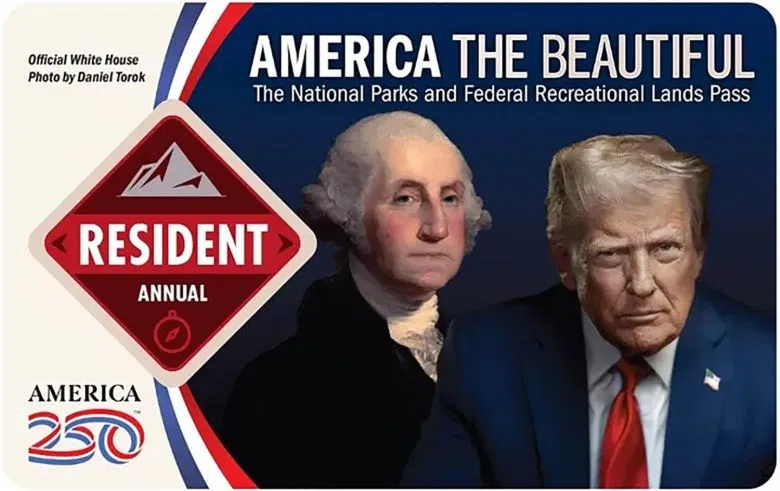
For the first time in history, visitors to America's national parks are finding a presidential portrait instead of sweeping landscapes on their annual passes. The 2026 America the Beautiful pass now features President Donald Trump's face alongside George Washington, sparking a federal lawsuit, sticker protests, and significant changes to park fee structures that are creating confusion for travelers and park staff alike.
How the National Parks Pass Redesign Unfolded
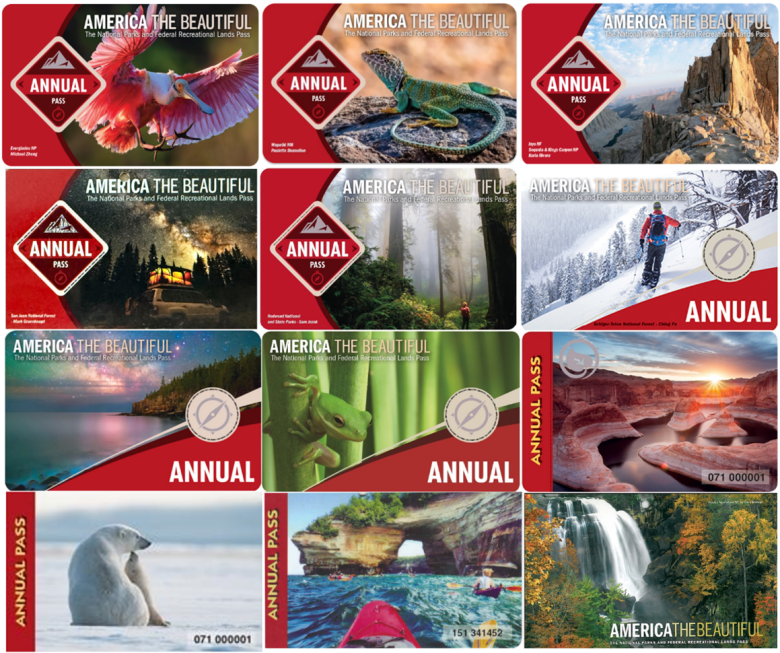
In November 2025, the Department of the Interior announced what it called "the most significant modernization of national park access in decades," including new digital passes and updated annual pass artwork. The redesign replaced the traditional nature photograph that had graced the America the Beautiful pass since 2004 with side-by-side portraits of Presidents Washington and Trump. According to Interior Secretary Doug Burgum, the changes reflect "President Trump's commitment to making national parks more accessible, more affordable and more efficient for the American people."
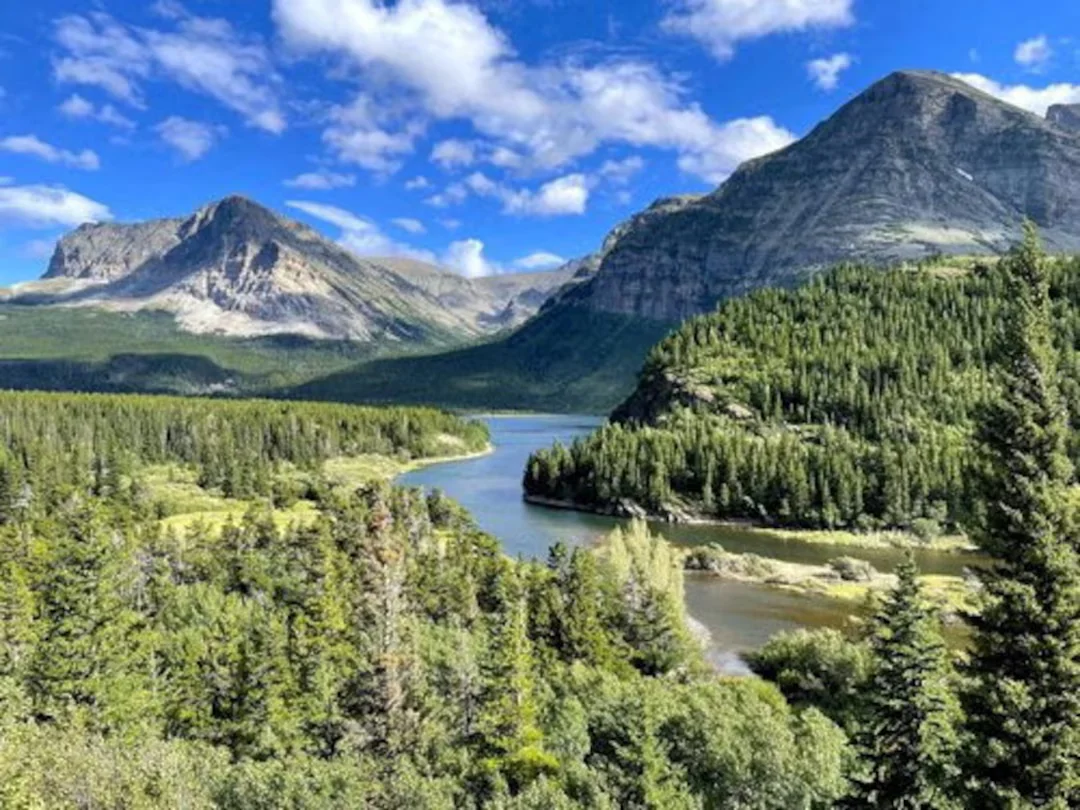
However, the Center for Biological Diversity quickly challenged the move in court, arguing that federal law requires the annual pass to feature the winning photograph from the National Parks Foundation's annual photo contest. The 2026 winning image was a stunning photograph of Glacier National Park in Montana, which has been relegated to the non-resident pass instead. "Blotting out the majesty of America's national parks with a closeup of his own face is Trump's crassest, most ego-driven action yet," said Kierán Suckling, the center's executive director.
Timeline: From Announcement to Backlash
The controversy has developed through several key stages since late 2025. On November 25, 2025, the Interior Department announced the comprehensive changes to national park access, including the new pass designs and "America-first" pricing structure. Just two weeks later, on December 10, the Center for Biological Diversity filed its lawsuit in federal court in Washington, D.C., seeking to block the Trump portrait design.
By January 1, 2026, the new passes went on sale nationwide despite the ongoing legal challenge. Park rangers began selling the redesigned cards at popular destinations like Rocky Mountain National Park, while international visitors faced new $100 per person surcharges at 11 of the most visited parks. The sticker protest movement gained momentum throughout early January, with Colorado artist Jenny McCarty selling over 7,000 custom stickers designed to cover Trump's image.
On January 9, 2026, the National Park Service updated its guidelines to clarify that passes with stickers covering Trump's photo could be considered "defaced or altered" and potentially invalidated. This move came as internal memos revealed growing concerns among park staff about implementing the new fee structure and dealing with frustrated visitors.
Why These Changes Matter for Travelers
The practical implications for national park visitors are substantial and go beyond the controversial design. Under the new system, U.S. residents can purchase an annual pass for $80 with proof of citizenship or legal residency, while non-residents must pay $250 for the same privilege. Foreign tourists without an annual pass face an additional $100 per person surcharge at popular parks like Yellowstone, Grand Canyon, Yosemite, and Acadia, on top of standard entrance fees that range from $20 to $35 per vehicle.
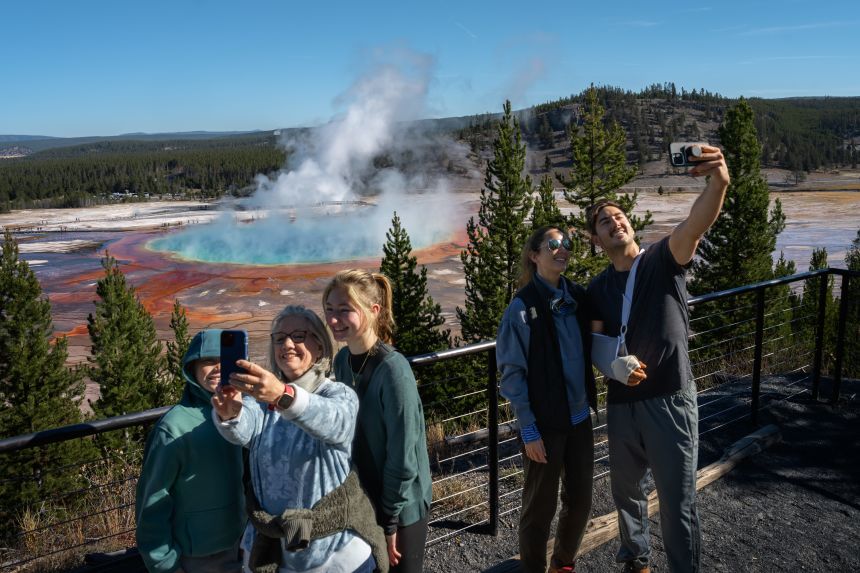
Park staff speaking anonymously to The Guardian described chaotic scenes at entrance stations, with long lines forming as rangers check passports and green cards to determine residency status. "It's been chaos, for staff it has been very trying," said one staffer at a major western park. "A lot of people just turn around, some people yell and get angry. It's an outrageous fee, it's like we are telling people we don't want them here."
For international travelers planning U.S. national park visits, the changes mean significantly higher costs. A family of four from overseas visiting Yellowstone could now face over $600 in entrance fees alone. The National Park Service defends the pricing, stating that "non-resident surcharge is a small fraction of total trip costs (air fare, lodging, transport) for foreign tourists" and that revenue will support park maintenance.
Where Things Stand Now: Passes, Protests, and Policy
Despite the lawsuit, the redesigned passes remain on sale at national parks across the country. The sticker protest movement continues to grow, with McCarty's designs raising more than $16,000 for conservation nonprofits by early January. "Really, I didn't expect more than a handful of orders of these," McCarty told USA Today. "And it just exploded. That's a testament to how important national parks are to all Americans, no matter what side of the aisle you're on."
The National Park Service maintains that passes have always been void if altered, and the recent guidance merely clarifies existing policy. However, the timing suggests a direct response to the sticker campaign. Park officials now have discretion to reject passes with stickers that leave residue or cover security features like holograms and microprinting.
Additional changes to the national park calendar have also drawn criticism. The Interior Department eliminated free admission days on Martin Luther King Jr. Day and Juneteenth while adding several new fee-free days, including Flag Day (which coincides with Trump's birthday on June 14). These resident-only free days now include President's Day, Memorial Day, Independence Day weekend, and Theodore Roosevelt's birthday, among others.
What Happens Next: The Road Ahead for Park Access
The legal battle over the pass design continues in federal court, with environmental advocates seeking an injunction to replace Trump's image with the Glacier National Park photograph. A decision could come in the coming months, potentially forcing another redesign mid-year. Meanwhile, park staff face ongoing challenges implementing the new fee structure during peak travel seasons.
Travel experts advise international visitors to carefully budget for the increased costs and consider purchasing the $250 annual pass if planning to visit multiple parks. U.S. residents should ensure they have REAL ID-compliant identification or passports to prove residency when purchasing the $80 pass. All visitors should be aware that altering the pass with stickers could result in being denied entry.
The Bottom Line: Key Points for Travelers
The national parks pass controversy represents more than just a design change—it reflects broader shifts in how America's public lands are managed and accessed. For travelers planning national park visits in 2026 and beyond, the essential facts are these:
- The America the Beautiful annual pass now costs $80 for U.S. residents and $250 for non-residents
- Foreign visitors face a $100 per person surcharge at 11 popular national parks
- The redesigned pass features portraits of Presidents Trump and Washington instead of nature photography
- Placing stickers over Trump's image may invalidate your pass
- Free admission days have been revised, with MLK Day and Juneteenth removed and Trump's birthday added
- A legal challenge could potentially force another redesign later in 2026
As the travel community watches these developments unfold, the fundamental appeal of America's national parks remains unchanged—but accessing them has become more complex, more expensive for international visitors, and unexpectedly political.