

Social media feeds erupted this week with alarming posts warning travelers about a new TSA requirement: all carry-on bags must be completely transparent starting this summer. The posts spread rapidly across platforms like Facebook, Instagram, and X, causing panic among frequent flyers and summer vacation planners alike. But before you rush to buy see-through luggage, here's what you need to know: the entire story is an elaborate April Fools' Day joke that went viral.
How an April Fools' Prank Fooled Thousands of Travelers
The rumor originated from a satirical article published on UpgradedPoints.com on April 1, 2026. The article, titled "[April Fools' Day] TSA To Require Clear Carry-On Bags," presented a fictional "Transparent Screening Initiative" (TSI) that would supposedly roll out at U.S. airports beginning summer 2026. According to the fabricated story, travelers would need to replace their traditional carry-on luggage with completely transparent bags to speed up security screening.
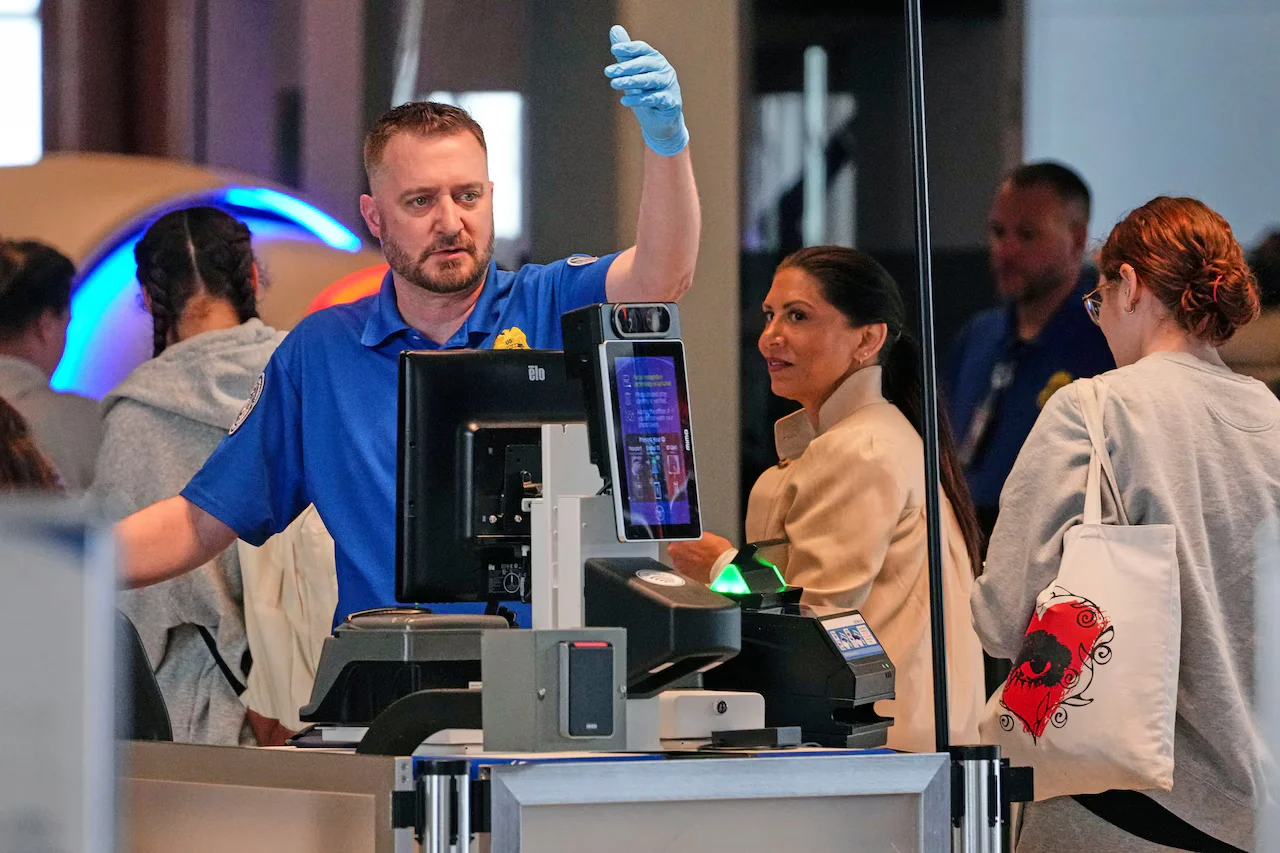
Despite clear indicators that the article was satire—including the "April Fools' Day" label in the title and humorous elements throughout—many readers missed the context when the story was shared on social media. Stripped of its original framing, the claim appeared in news feeds as a legitimate travel alert, complete with convincing-sounding details about the fictional TSI program. The article's realistic tone and references to existing TSA procedures made the hoax particularly believable.
Timeline: From Satire to Viral Panic
The spread of this travel misinformation followed a familiar pattern in the age of social media. On April 1, UpgradedPoints.com published their annual April Fools' Day article, a tradition for many travel websites. By April 2, screenshots and summarized versions began circulating on social platforms, often without attribution to the original source. Concerned travelers shared the "warning" with friends and family, asking if they had heard about the "new TSA rule."
By April 3, the rumor had gained enough traction that fact-checking organizations began investigating. Snopes, the internet's oldest fact-checking website, published a detailed analysis confirming the story was false. Newsweek followed with their own fact-check, noting that "as of April 2026, TSA has not issued any public statements, press releases, or rule changes requiring passengers to use transparent carry-on luggage." Travel publications like Parade and AOL also published articles debunking the rumor and explaining its origins.
Why So Many People Believed the Clear Bag Hoax
Several factors contributed to the rumor's credibility. First, the TSA has been gradually implementing new technologies and procedures in recent years, including advanced CT scanners at security checkpoints and expanded biometric screening. For travelers already adapting to changing security protocols, a move toward transparent bags didn't seem entirely implausible.
Second, the fictional "Transparent Screening Initiative" name sounded official and followed government agency naming conventions. Third, the timing—with summer travel season approaching—made the story feel urgent and relevant. Finally, the rumor tapped into genuine traveler anxieties about airport security, which often feels opaque and arbitrary to passengers.
"The most successful misinformation often contains a kernel of truth," explains travel security analyst Mark Johnson. "In this case, the TSA does require clear bags for liquids under the 3-1-1 rule. The hoax simply expanded an existing, familiar requirement to all carry-on items, making it feel more believable."
The Real TSA Rules: What Actually Changes in 2026
While the clear carry-on bag requirement is fictional, the TSA is implementing several actual changes that travelers should know about. The agency continues to roll out new computed tomography (CT) scanners at airports nationwide, which provide 3D images of carry-on items and may eventually allow passengers to leave liquids and electronics in their bags. Additionally, TSA PreCheck enrollment has expanded, with more applicants qualifying through trusted traveler programs.
The only clear bag requirement that remains in effect is the longstanding 3-1-1 rule for liquids: passengers may bring liquids, gels, and aerosols in travel-sized containers of 3.4 ounces (100 milliliters) or less, all placed in a single quart-sized, clear plastic bag. This rule has been in place since 2006 and shows no signs of changing in the near future.
How to Spot Travel Misinformation Online
The viral clear bag rumor provides important lessons for travelers navigating online information. First, always check the original source before sharing travel "alerts" from social media. Official TSA announcements come through press releases on tsa.gov, verified social media accounts (@TSA on X), or recognized news outlets. Second, look for dates—April Fools' Day pranks are common in early April, but travel hoaxes can appear any time of year.
Third, be skeptical of claims that create unnecessary urgency or fear. Legitimate policy changes typically have phase-in periods and are announced well in advance. Finally, when in doubt, consult trusted fact-checking websites like Snopes or FactCheck.org, or reach out directly to the TSA through their verified channels.
The Aftermath: Lessons for Travelers and Content Creators
As the clear bag rumor gradually fades, both travelers and content creators can draw important conclusions. For travelers, the incident underscores the importance of verifying information through official channels before making purchasing decisions or changing travel plans. For websites that publish satirical content, clearer labeling and disclaimers might help prevent future misunderstandings.
UpgradedPoints.com has since added more prominent disclaimers to their April Fools' Day article, but the incident highlights the challenge of containing satire in an era of content sharing across multiple platforms. "We've been doing April Fools' articles for years as a fun tradition," said a representative from the site. "This year's piece clearly struck a nerve, and we're considering how to balance humor with clarity moving forward."
What's Next for Airport Security
While transparent carry-on bags aren't in your future, other security innovations are on the horizon. The TSA continues to test and implement new technologies designed to streamline the screening process while maintaining security standards. These include more advanced biometric systems, automated screening lanes, and improved threat detection algorithms.
Travel industry experts predict that the next major change for passengers will likely involve the complete elimination of the liquids rule, thanks to improved scanner technology. Several international airports have already removed liquid restrictions, and U.S. airports may follow suit once new CT scanners are fully deployed nationwide.
The Bottom Line: Separating Travel Fact from Fiction
As summer travel season approaches, remember these key points about the viral clear bag rumor: The TSA is NOT requiring transparent carry-on luggage. The story originated as an April Fools' Day joke that spread beyond its intended audience. The only clear bag requirement remains the quart-sized bag for liquids under the 3-1-1 rule. Always verify travel rule changes through official TSA channels before believing social media posts.
Travel misinformation can cause unnecessary stress and expense, but a healthy dose of skepticism and proper fact-checking can help you navigate the complex world of travel regulations. Your current carry-on bag is perfectly acceptable for summer travel—no transparency required.