
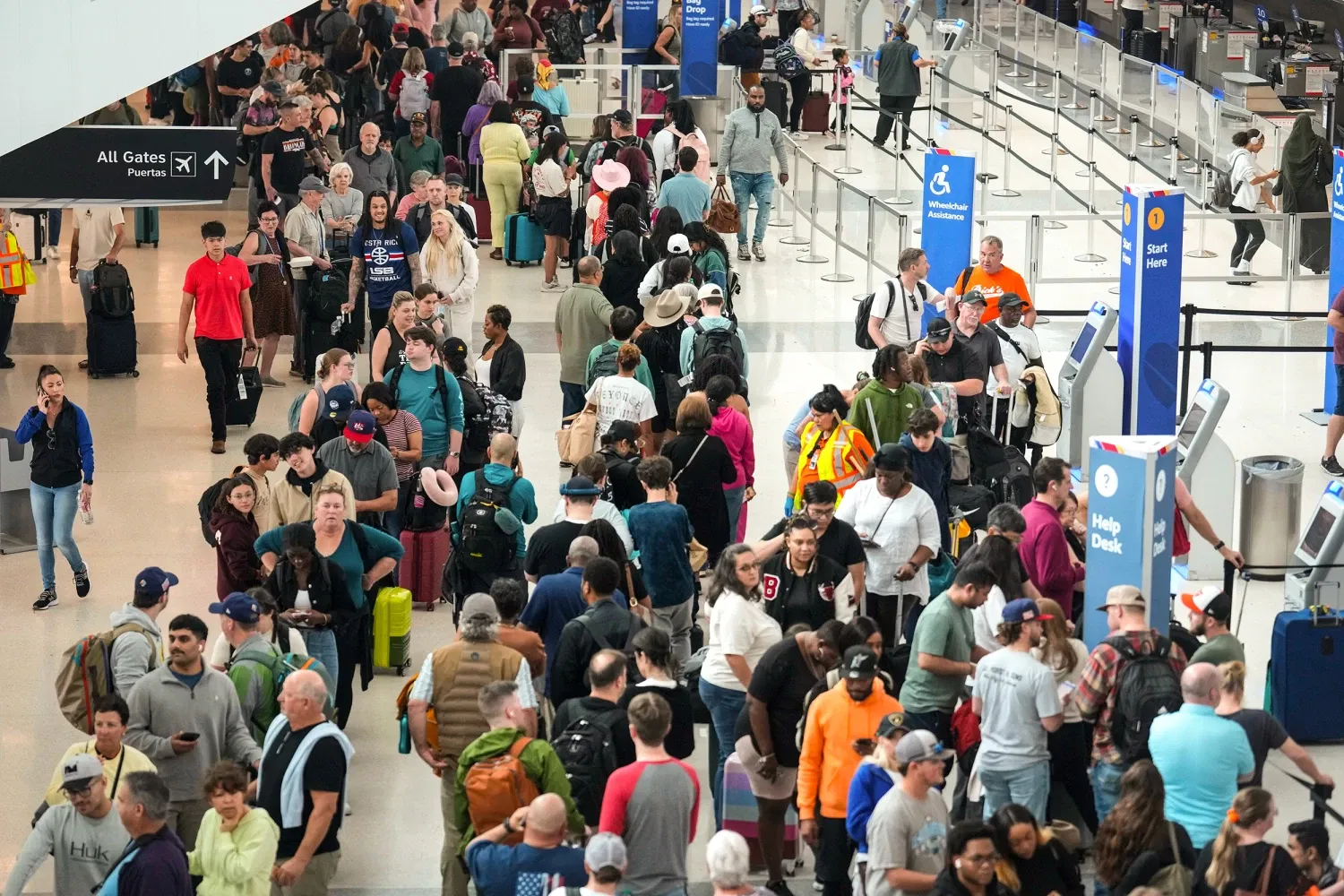
Travelers across the United States are facing security checkpoint nightmares as TSA wait times soar to 3.5 hours at major airports, with the partial government shutdown creating severe staffing shortages during peak spring break travel. The Department of Homeland Security funding lapse has left Transportation Security Administration officers working without pay, leading to widespread absences and operational chaos that's causing missed flights, massive delays, and urgent warnings from airports to arrive four to five hours before departure.
How the Shutdown Created Airport Chaos: Inside the TSA Staffing Crisis
The current crisis stems from a partial government shutdown that began when DHS funding expired on February 13, 2026. With Congress locked in a political standoff over immigration policies and border security, approximately 40,000 TSA officers have been working without full paychecks. According to NBC News, TSA officers received only partial pay earlier in March and now face their first full missed paycheck, creating financial hardship that's led to increased unscheduled absences.
The staffing shortages have hit hardest at major hub airports. William P. Hobby Airport in Houston reported wait times of 2 hours and 45 minutes on Sunday, with warnings that lines could exceed three hours. Louis Armstrong New Orleans International Airport experienced wait times of one hour, while Hartsfield-Jackson Atlanta International Airport and George Bush Intercontinental Airport in Houston also faced significant delays. Fox News reported that some airports are now advising travelers to arrive four hours before domestic flights and five hours before international departures.
From Funding Lapse to 3-Hour Lines: The TSA Shutdown Timeline
The sequence of events that led to this travel disruption began in early February when Congress failed to pass a Department of Homeland Security funding bill. Key moments include:
- February 13, 2026: DHS funding expires, triggering partial government shutdown affecting TSA, FEMA, and Coast Guard
- February 17, 2026: TSA website and mobile app operations pause due to furloughs of staff managing these systems
- March 8-10, 2026: Peak spring break travel collides with worsening staffing shortages, creating 3+ hour wait times at major airports
- March 10, 2026: Airlines for America issues statement condemning use of transportation security workers as "political leverage"
- Ongoing: White House and Senate Democrats continue negotiations with Republicans, but no breakthrough has been reached
Why This Shutdown Hits Travelers Harder Than Ever
Several factors make this shutdown particularly disruptive for air travel. First, it coincides with the spring break season when travel volume typically increases by 15-20% compared to winter months. According to travel industry data cited by USA Today, March and April represent the second-busiest travel period after the Thanksgiving holiday season.
Second, this marks the second major shutdown affecting TSA in recent years. During the 43-day shutdown that ended in November 2025, TSA officers also worked without pay, but the current situation comes during a higher-traffic period. The cumulative effect of financial strain on security personnel has led to what DHS spokesperson Lauren Bis called "crippling staffing shortages" in a statement to NBC News.
Third, the pause of TSA's official website and app means travelers cannot access real-time wait time information, forcing reliance on individual airport systems that may not be updated consistently. This information gap creates additional uncertainty for passengers trying to plan their arrival times.
Where Things Stand: Latest Updates on Airport Delays
As of March 10, 2026, the situation remains fluid with the following developments:
- Houston Hobby Airport: Wait times fluctuating between 2.5-3.5 hours during peak periods
- New Orleans International Airport: Consistent 60-90 minute waits, with airport officials warning of "longer-than-average lines"
- Atlanta Hartsfield-Jackson: Approximately 60-minute wait times at security checkpoints
- Charlotte Douglas International: 47-minute delays reported at security screening areas
- TSA Statement: Agency confirms website and app remain offline until funding is restored, advises travelers to check individual airport websites for wait times
- Airlines for America: Trade association representing major carriers calls for immediate resolution to "end this shutdown"
What Happens Next: Will the Shutdown End Before Summer Travel?
The political impasse shows few signs of immediate resolution. Democrats are seeking policy changes related to Immigration and Customs Enforcement (ICE) and Customs and Border Protection following controversial incidents in Minneapolis, while Republicans argue sufficient reforms have already been implemented. According to AP News analysis, the use of TSA workers as bargaining chips in funding negotiations creates particular vulnerability during high-traffic travel periods.
Travel industry experts warn that if the shutdown continues into the summer travel season—typically the busiest period for air travel—the consequences could be even more severe. Airlines are already reporting increased numbers of missed flights due to security delays, which creates cascading effects throughout the aviation system.
For now, the best advice for travelers comes directly from affected airports: arrive exceptionally early, pack patience, and monitor flight status closely. Those with TSA PreCheck should note that while the program remains operational according to official statements, some airports may consolidate screening lanes due to staffing constraints.
Key Takeaways for Travelers Facing TSA Delays
- Arrive extremely early: Airports recommend arriving 4-5 hours before domestic flights, 5-6 hours for international travel
- Check airport-specific resources: Since the TSA website is down, visit your departure airport's official website for wait time updates
- Monitor flight status: Use airline apps or FlightAware to track potential delays or gate changes
- Pack efficiently: Have liquids and electronics readily accessible to speed through security screening
- Consider alternative airports: If possible, look at smaller regional airports that may have shorter security lines
- Stay informed: Follow your airline and airport on social media for real-time updates on security wait times
The TSA wait time crisis represents one of the most significant travel disruptions in recent years, combining political dysfunction with peak travel demand. As spring break continues and summer approaches, the pressure on lawmakers to resolve the funding impasse will only intensify—but for now, travelers must plan for extraordinary security delays and exercise unprecedented patience at the airport.