
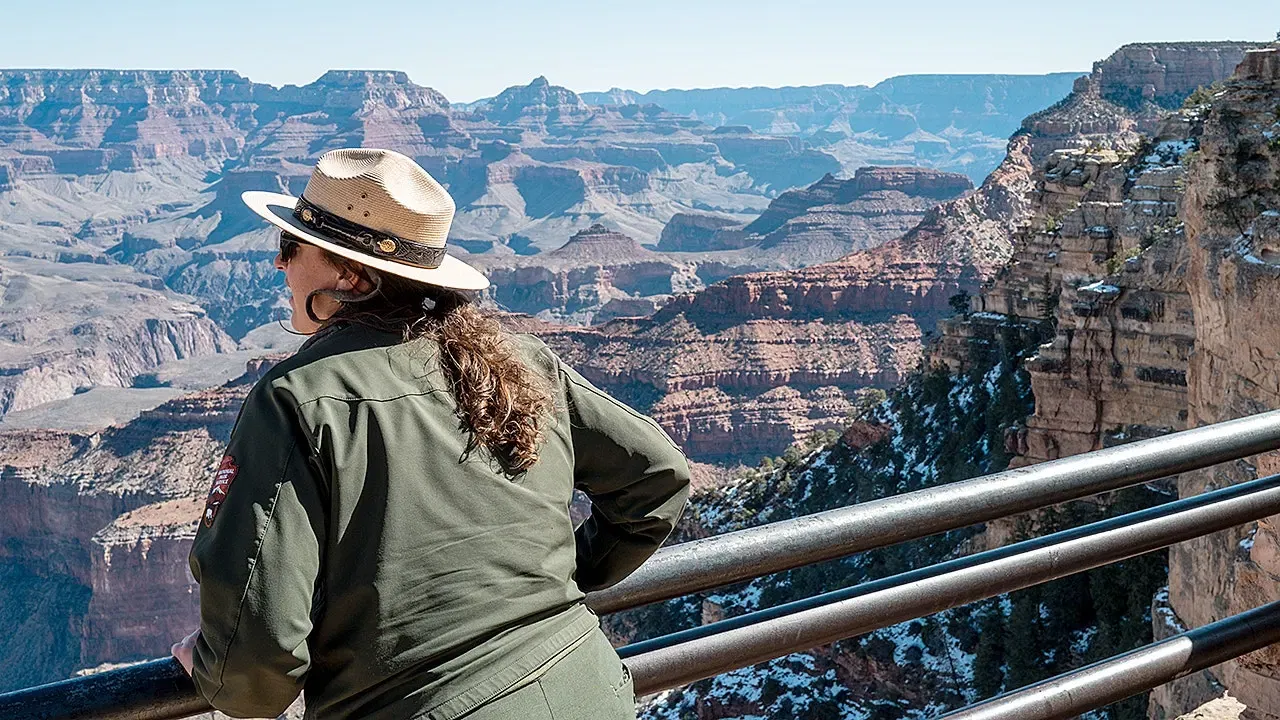
A major shake-up to U.S. national park access took effect January 1, 2026, bringing significant fee increases for international visitors to some of America's most iconic natural landmarks. Foreign travelers aged 16 and older now face a $100 per person surcharge at 11 of the country's most popular national parks—on top of standard entrance fees—while the annual America the Beautiful pass has tripled in price for non-residents from $80 to $250.
How the New Fee System Works: What International Travelers Face at the Gate
The changes, announced by the Department of the Interior in November 2025 and implemented under an executive order titled "Making America Beautiful Again by Improving Our National Parks," create a two-tier pricing system that applies to non-U.S. residents at the following 11 parks: Acadia, Bryce Canyon, Everglades, Glacier, Grand Canyon, Grand Teton, Rocky Mountain, Sequoia & Kings Canyon, Yellowstone, Yosemite, and Zion.
At these parks, international visitors will pay the standard entrance fee plus a $100 nonresident fee per person aged 16 or older. The annual America the Beautiful pass for non-residents now costs $250, while U.S. residents continue to pay $80—a price that Interior Secretary Doug Burgum said ensures "American taxpayers who already support the National Park System receive the greatest benefit."
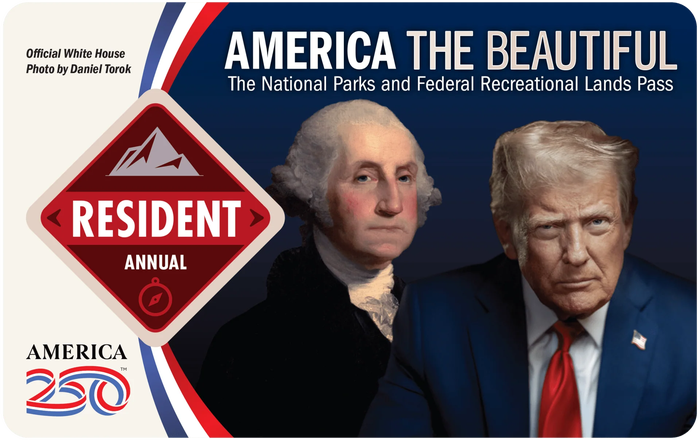
Proof of U.S. citizenship or residency—such as a U.S. passport, state-issued driver's license, or permanent resident card—is required to purchase the resident-priced annual pass. Digital pass purchasers must show photo ID at the time of use, and language on the checkout page reminds buyers of eligibility requirements. Importantly, any valid America the Beautiful pass purchased before January 1, 2026, will be honored under its original terms for the full 12-month period, covering both entrance and nonresident fees for the pass holder and their party.
Timeline: From Executive Order to Implementation
July 2025 — President Trump signed Executive Order "Making America Beautiful Again," directing the Secretary of Interior to develop a strategy for increasing revenue from nonresident entrance fees at national parks.
November 25, 2025 — The Department of the Interior officially announced the new fee structure, including digital pass availability, redesigned pass artwork, and expanded motorcycle access.
November 26, 2025 — Major news outlets including the BBC, CNN, and NPR reported on the changes, sparking widespread debate. Sen. Alex Padilla, D-Calif., led a letter signed by fellow Democrats calling the plan "discriminatory."
December 2025 — The 11 affected parks were confirmed. The Inbound Travel Association issued guidance for international tour operators. Democratic lawmakers urged DOI to halt implementation.
January 1, 2026 — The new fee structure officially took effect. Non-resident annual passes launched at $250. The $100 per person surcharge began at the 11 designated parks.
January 8, 2026 — The Guardian reported that NPS staff warned the fees risk "alienating visitors for decades," with advocates preparing lawsuits to challenge the system.
April 2026 — Fox News reported the fee structure generated over $2 million in Q1 2026 from foreign visitors, with total pass sales rising to $16.7 million compared to $14.3 million in Q1 2025.
Why This Matters: The $2 Million Revenue Debate and Its Impact on Tourism
The policy has sparked sharp divisions. Interior Secretary Doug Burgum framed the changes as putting American families first, noting that U.S. taxpayers already subsidize the National Park System. "These policies ensure that U.S. taxpayers continue to enjoy affordable access, while international visitors contribute their fair share to maintaining and improving our parks for future generations," Burgum said.
The revenue numbers tell a compelling story. According to data shared with Fox News Digital, pass sales in Q1 2026 reached $16.7 million, up from $14.3 million in Q1 2025. Total nonresident revenue alone topped $4.9 million, with over $2 million of that coming specifically from the new fee structure. DOI press secretary Aubrie Spady called it "proof that President Donald J. Trump was right to put affordability for Americans first."
However, critics argue the policy could backfire. The Guardian reported that NPS staff expressed concerns about the fees "alienating visitors for decades," noting that park employees have had to conduct passport checks at entry gates, leading to longer wait times and frustrated visitors. Democratic senators Padilla and Schiff raised concerns about "understaffed" park workers and a potential drop in Canadian visitation, which they blamed in part on the new fees and broader U.S.-Canada tensions.
Advocacy groups are pursuing legal challenges, arguing the fee structure violates public notice requirements and raises privacy concerns about how visitor data will be handled when verifying residency at park gates.
For families planning a trip, the costs add up quickly. A family of four from Canada or the UK visiting Grand Canyon, for example, would pay the standard $35 vehicle entrance fee plus $400 in nonresident surcharges ($100 × 4 people aged 16+). That same family would need to spend $250 on a non-resident annual pass to cover all parks—still significantly more than the $80 resident pass.
Notably, fee-free days—which previously allowed free entry for all visitors—are now restricted to U.S. residents only. International visitors must pay both the entrance fee and nonresident fee even on these designated days.
Where Things Stand Now: How the New Rules Affect Your Visit
As of early 2026, the system is fully operational with digital passes available through Recreation.gov. The Department of the Interior has rolled out updated pass artwork with patriotic designs and expanded the America the Beautiful pass to cover two motorcycles per pass.
For international travelers who already hold valid annual passes purchased before January 1, 2026, their passes remain valid for 12 months from the purchase date and cover both entrance and nonresident fees. This grandfather clause provides a temporary window for visitors who planned ahead.
At the gate, NPS staff are checking residency documents for those seeking the resident pass rate. Acceptable documents include U.S. passports, state-issued driver's licenses, state ID cards, or permanent resident cards. For digital pass holders, photo ID is checked at the time of use, mirroring existing practices for annual passes.

What's Next: The Road Ahead for International Park Visitors
Legal challenges are expected to move through the courts in 2026, with advocacy groups arguing the fee structure discriminates against international visitors and may violate existing regulations around public notice and comment periods. The outcome could reshape the policy or prompt adjustments from the DOI.
Meanwhile, the revenue generated from the new fees is earmarked for improving park infrastructure, maintaining visitor facilities, and enhancing services nationwide. Whether the additional funds translate into noticeable improvements—and whether the policy ultimately boosts or hurts overall park visitation—remains to be seen.
For international travelers planning U.S. national park visits, the key takeaway is to budget for the additional $100 per person surcharge at the 11 affected parks, consider purchasing the $250 non-resident annual pass if visiting multiple parks, and carry valid travel documents for residency verification at park gates.
The Bottom Line: Key Points to Remember
- $100 surcharge applies per person (ages 16+) at 11 major national parks for non-U.S. residents, on top of standard entrance fees
- $250 annual pass for non-residents vs. $80 for U.S. residents—the non-resident pass covers the entire vehicle or up to 4 adults
- 11 affected parks: Acadia, Bryce Canyon, Everglades, Glacier, Grand Canyon, Grand Teton, Rocky Mountain, Sequoia & Kings Canyon, Yellowstone, Yosemite, and Zion
- Fee-free days are now for U.S. residents only; international visitors must still pay both fees
- Pre-2026 passes are honored under original terms for their full 12-month validity
- Proof of residency (passport, driver's license, or green card) required for resident pricing
- $2 million+ raised in Q1 2026 from the new fee structure, with total pass revenue reaching $16.7 million