
United Airlines passengers flying through Houston's George Bush Intercontinental Airport (IAH) are facing significant disruptions as the carrier cancels dozens of flights under a federally mandated reduction in air traffic tied to the ongoing government shutdown. The cancellations are part of a broader Federal Aviation Administration (FAA) order requiring airlines to slash capacity at 40 of the nation's busiest airports by up to 10 percent, as air traffic controllers—who are federal employees—continue working without pay during what is now the longest government shutdown in U.S. history.
The Numbers Behind United's Houston Cancellations
According to data released by United Airlines, the impact on Houston's Bush Airport has been severe and escalating. The carrier canceled six flights on Sunday, November 9, followed by 34 on Monday, November 10, 44 on Tuesday, November 11, and 38 on Wednesday, November 12. The cancellations affected thousands of passengers traveling through one of United's largest hub airports, which serves as a critical connection point for routes across the United States and international destinations.
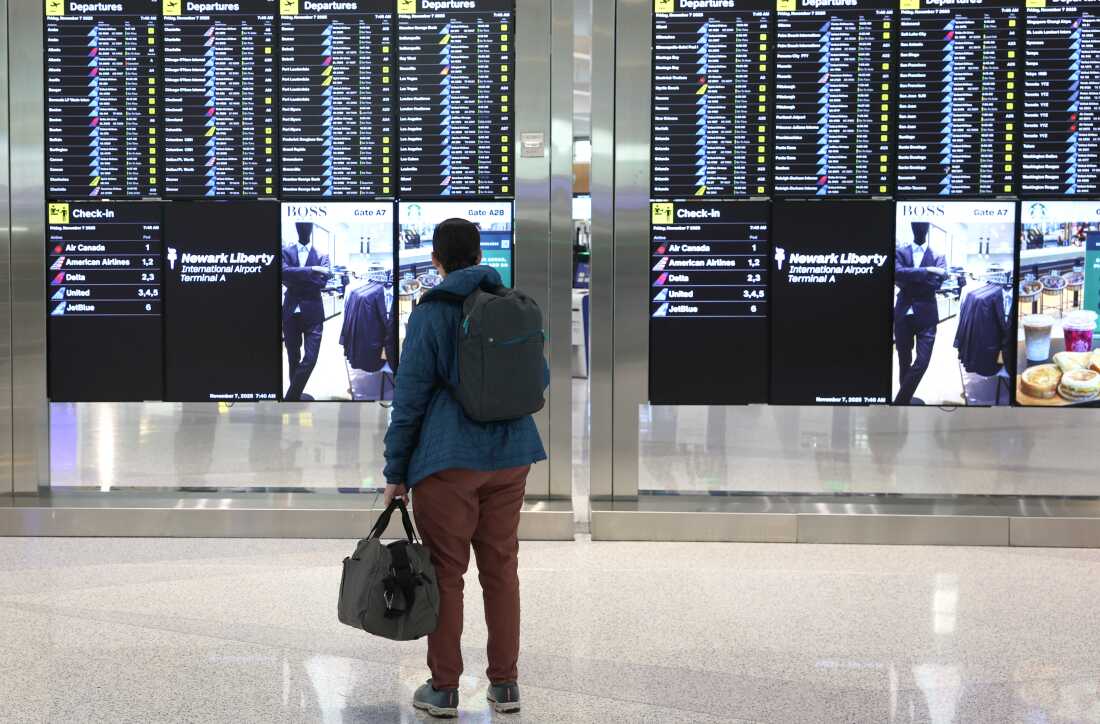
Nationwide, the situation is even more dramatic. FlightAware data shows that more than 2,900 flights were canceled across the U.S. on Sunday alone, with over 10,000 delays. By Monday morning, more than 1,500 additional flights had been canceled, and over 1,400 delayed. The FAA reported that air traffic control staffing shortages were impacting 42 airport towers, prompting delays at major cities including Atlanta, Newark, San Francisco, Chicago, and New York.
Timeline: How the FAA Flight Reductions Unfolded
The FAA's emergency order was issued on November 6, mandating airlines to begin reducing their schedules immediately. Here's how the situation developed:
- November 6: The FAA formalized its emergency order, requiring airlines to cut 4% of domestic flights starting at 6 a.m. EST, with reductions eventually ramping up to 10% by November 14. The order cited air traffic controller shortages caused by the ongoing government shutdown.
- November 7 (Friday): More than 1,000 flights were canceled nationwide as the FAA-ordered slowdown began. United started making rolling updates to its schedule.
- November 8 (Saturday): Over 1,500 flights were canceled. The FAA acknowledged staffing issues at 42 airport towers affecting at least 12 major U.S. cities.
- November 9 (Sunday): Nearly 2,200 flights were canceled. United confirmed 6 cancellations at Houston's IAH. Transportation Secretary Sean Duffy warned travel could be "reduced to a trickle" before Thanksgiving.
- November 10 (Monday): More than 1,500 flights canceled. United's Houston cancellations jumped to 34.
- November 11 (Tuesday): 44 United flights canceled at IAH alone.
- November 12 (Wednesday): 38 additional United flights canceled at Houston's Bush Airport.
What This Means for Travelers: Expert Analysis and Passenger Rights
United Airlines has issued a comprehensive travel waiver for affected passengers. The airline announced that travelers scheduled to fly through November 16 who do not wish to fly are eligible for a full refund—even if their specific flight was not directly impacted, provided their ticket was purchased on or before November 4. This is a significant policy move that goes beyond standard airline obligations.
"United is waiving change fees and fare differences for passengers who want to reschedule their trips," an airline spokesperson told ABC News, adding that about half of United customers who had their flights canceled were able to be rebooked within four hours. The airline has set up a dedicated webpage—united.com/GovShutdown—with a full list of canceled flights and rebooking instructions.
The Points Guy travel expert Sean Cudahy notes that under Department of Transportation rules, travelers whose flights are canceled by the airline are entitled to a full refund, even on non-refundable tickets. However, airlines are not required to cover secondary costs such as hotels or meals unless the cancellation was within the airline's control—and these FAA-mandated cuts fall into a gray area.
Where Things Stand Now: Latest at Houston's Bush Airport
As of the latest updates, United Airlines continues to make "rolling updates" to its schedule as the government shutdown persists. The airline is contacting affected passengers through its mobile app and email with rebooking options or refund instructions. Houston travelers are advised to check their flight status frequently through the United app or website before heading to Bush Intercontinental Airport.
While United's Houston hub is among the hardest hit, similar disruptions are occurring at other major United hubs including Chicago O'Hare, Newark Liberty, Denver International, and Washington Dulles. The FAA's list of affected airports spans 40 major facilities nationwide, meaning the disruptions are likely to continue as long as the government shutdown remains unresolved.
What Happens Next: The Road Ahead for United and Travelers
Transportation Secretary Sean Duffy has been blunt about the outlook, warning that if the shutdown continues, "The two weeks before Thanksgiving, you're going to see air travel be reduced to a trickle." Speaking on CNN's State of the Union, Duffy added that many people hoping to get home for the holiday "are not going to be able to get on an airplane, because there are not going to be that many flights that fly if this thing doesn't open back up."
The FAA has indicated that reductions will continue to ramp up, reaching the full 10% cut by November 14. With no end to the government shutdown in sight, United Airlines and other carriers are preparing for extended disruptions. The airline has emphasized that it will continue posting updated lists of canceled flights and will honor its waiver policies for the duration of the FAA order.
The Bottom Line: Key Points for United Airlines Passengers
- If your United flight is canceled, you are entitled to a full refund even on non-refundable tickets.
- United is waiving change fees and fare differences for rebooking through November 16.
- Even if your flight isn't canceled but you don't want to fly, United is offering refunds for tickets purchased on or before November 4.
- Check your flight status on the United app before heading to the airport.
- Book early if you need to travel near Thanksgiving—seats are filling up fast as airlines reduce capacity.
- For the latest list of canceled flights and rebooking options, visit united.com/GovShutdown.