
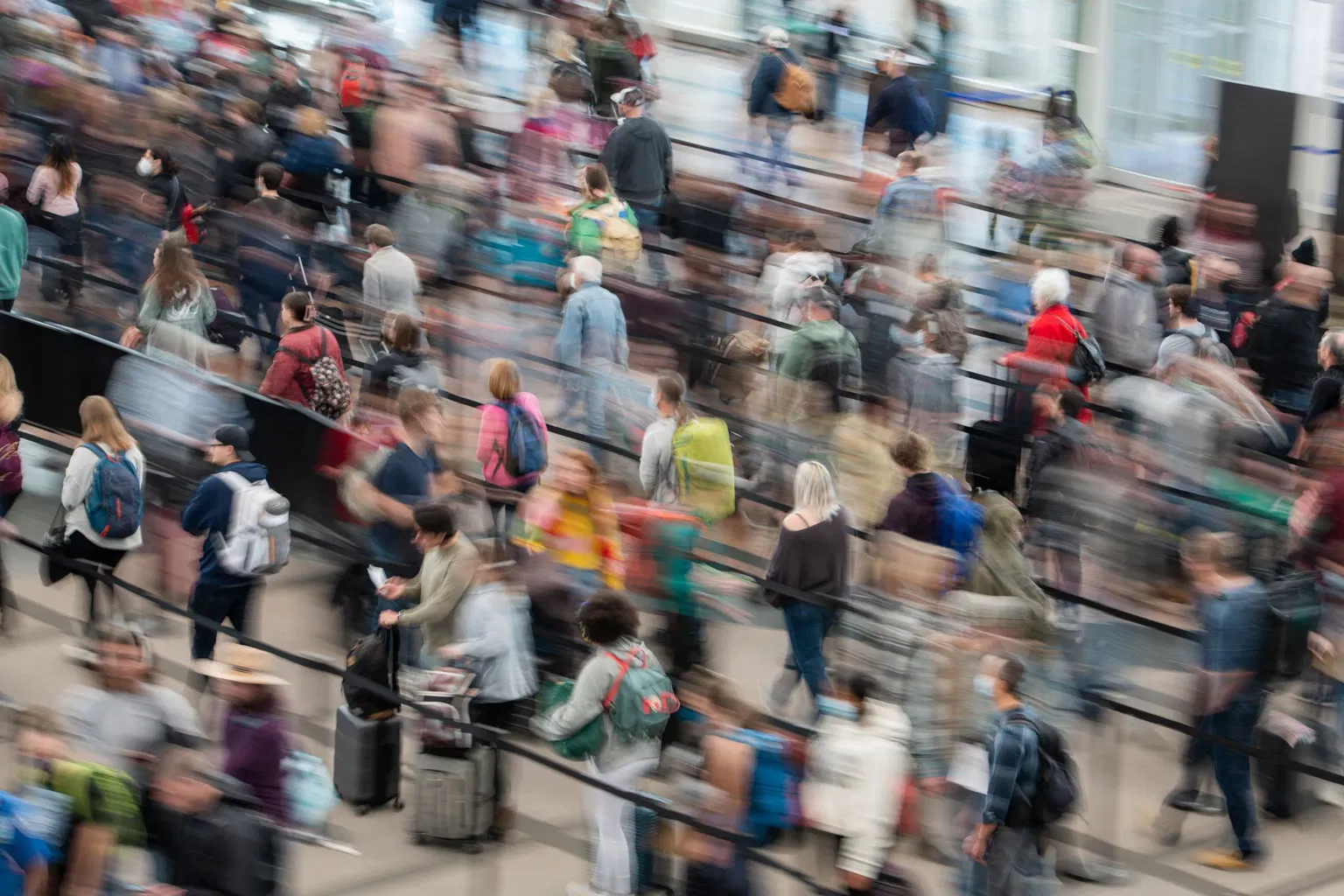
Thousands of travelers found themselves stranded at major US airports this week as a massive wave of flight disruptions swept across the country, delaying over 4,000 flights and cancelling dozens more. The chaos, triggered by severe thunderstorms and compounding operational challenges, represents one of the worst single-day air travel disruptions of 2026, hitting during a busy holiday return period when airports were already operating at peak capacity.
How Severe Weather Paralyzed US Air Travel
Aviation tracking data revealed 4,231 delayed departures and arrivals along with 79 cancellations as of April 20, 2026, according to AirHelp's disruption monitoring. The severe thunderstorms, high winds, and poor visibility forced several major airports to slow or pause operations entirely, creating a nationwide backlog that airlines struggled to clear through the day and into the night.
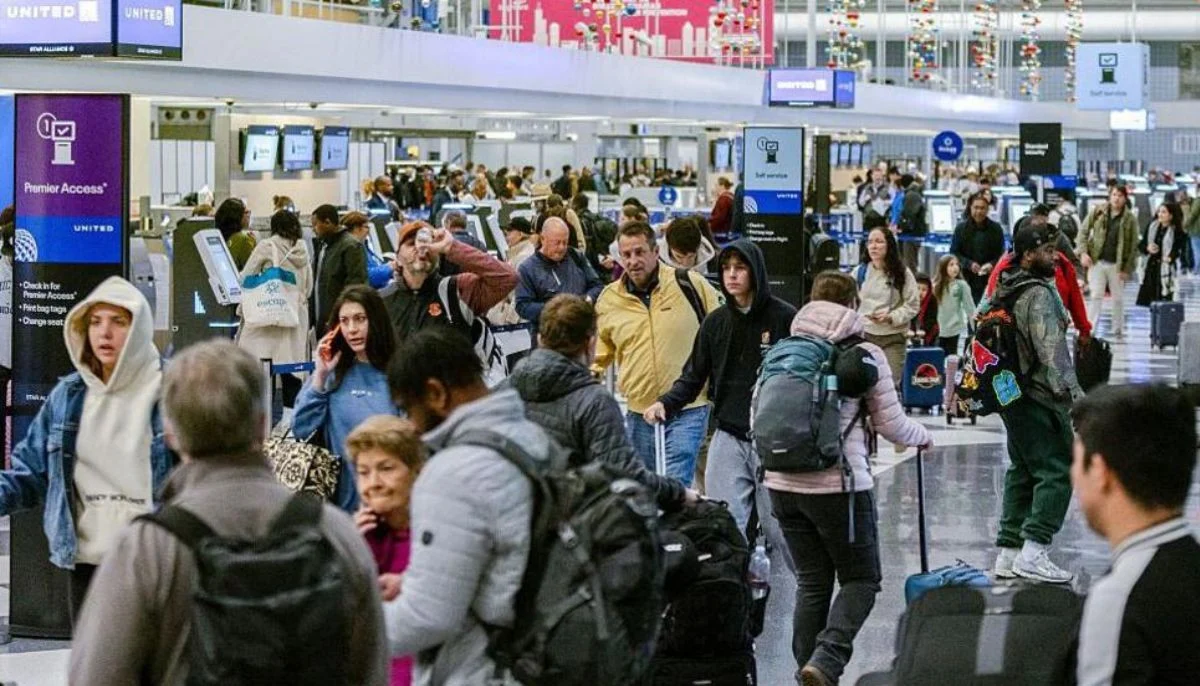
Some of the heaviest disruption was concentrated at key transportation hubs. Detroit Metropolitan Wayne County Airport recorded 121 delays and 13 cancellations, making it the hardest-hit facility. Chicago O'Hare International Airport followed with 337 delays and 6 cancellations, while Hartsfield-Jackson Atlanta International Airport saw 290 delays and 4 cancellations. John F. Kennedy International Airport in New York reported 123 delays and 5 cancellations, according to data compiled from multiple aviation tracking sources.
From Sunday Storms to Monday Chaos: A Timeline
The disruption began late Sunday when intense thunderstorms forced the Federal Aviation Administration to issue ground stops at six major US airports. As storm cells moved through key traffic corridors from the Midwest to the Northeast, visibility dropped and wind speeds increased, making safe operations impossible at critical hubs. By Monday morning, what started as localized weather problems had turned into a nationwide network crisis.
The Federal Aviation Administration issued multiple weather advisories throughout the day, but recovery proved difficult even as some restrictions eased. Tightly planned aircraft rotations and existing staffing shortages left crews and aircraft out of position across airline networks. At Chicago O'Hare, new bookings were temporarily limited for the immediate travel window to reduce pressure on gates and ramp areas while airlines worked to reposition equipment.
Why US Flight Disruptions Are Getting Worse
While severe weather was the immediate trigger, aviation analysts point to a "perfect storm" of underlying factors making the US air travel system increasingly vulnerable to disruptions. Geo News reported that America's aviation system faced three simultaneous crises: TSA staffing collapses, Iran-war fuel price shocks, and extreme weather patterns. These compounding issues create unprecedented operational challenges during peak travel periods.
"When large hubs slow down, the effects don't stay local," explains aviation analyst Michael Boyd. "Delays can spread quickly across airline schedules, aircraft rotations, and onward connections nationwide." This knock-on effect was evident immediately, with Southwest Airlines reporting 730 delayed flights across its network and American Airlines reporting 542 disruptions. The tightly interconnected nature of modern air travel means problems at a few key hubs can ripple through the entire system.
Where Things Stand Now: Ongoing Delays and Recovery
As of Tuesday, the FAA said it couldn't give a firm timeline for a full return to normal schedules. More storm bands were forecast for the Midwest and Northeast, and another frontal system was expected to move eastward midweek, raising the risk of fresh ground stops and more delays in the days ahead. Airlines continue to work through backlogs, but with aircraft and crews displaced across the country, complete recovery may take several days.
The disruption comes during what was already shaping up to be a challenging spring travel season. High demand following pandemic-era restrictions, combined with ongoing staffing challenges and increased operational costs, has created a fragile system where weather events can trigger disproportionate consequences. Passengers should expect continued volatility in the coming weeks as the industry works to stabilize operations.
What to Do When Your Flight is Delayed or Canceled
For travelers caught in the disruption, knowing your rights and taking proactive steps can make a significant difference. According to National Geographic's travel experts, your first move should be to use the airline's app to check available rebooking options before joining any physical queue at the airport. This often provides the fastest path to resolution.
It's important to understand that for weather-related disruptions, compensation is usually unlikely since these events are outside the airline's control. However, airlines should still provide care and assistance including rebooking or refunds after a cancellation, food and refreshments during longer waits, and accommodation if you're stranded overnight. The US Department of Transportation's Fly Rights guidelines clarify that while cash compensation may not be required for weather events, basic passenger protections still apply.
Travel experts recommend several key strategies: always book flights earlier in the day when possible (they're less likely to be affected by cascading delays), avoid checking luggage if you can manage with carry-ons, and consider travel insurance that covers trip interruptions. When disruptions occur, document everything—take screenshots of cancellation notices, keep receipts for any expenses, and note the names of airline representatives you speak with.
The Bottom Line: Key Points to Remember
The recent flight chaos highlights both the fragility of modern air travel systems and the importance of being prepared as a traveler. With over 4,000 flights delayed and nearly 80 cancelled in a single day, even the best-laid travel plans can be disrupted. By understanding which airports and airlines are most affected, knowing your rights during disruptions, and having a contingency plan in place, you can navigate these challenges with greater confidence and less stress. As weather patterns continue to evolve and operational pressures persist, informed travelers will be best positioned to adapt when the unexpected occurs.