
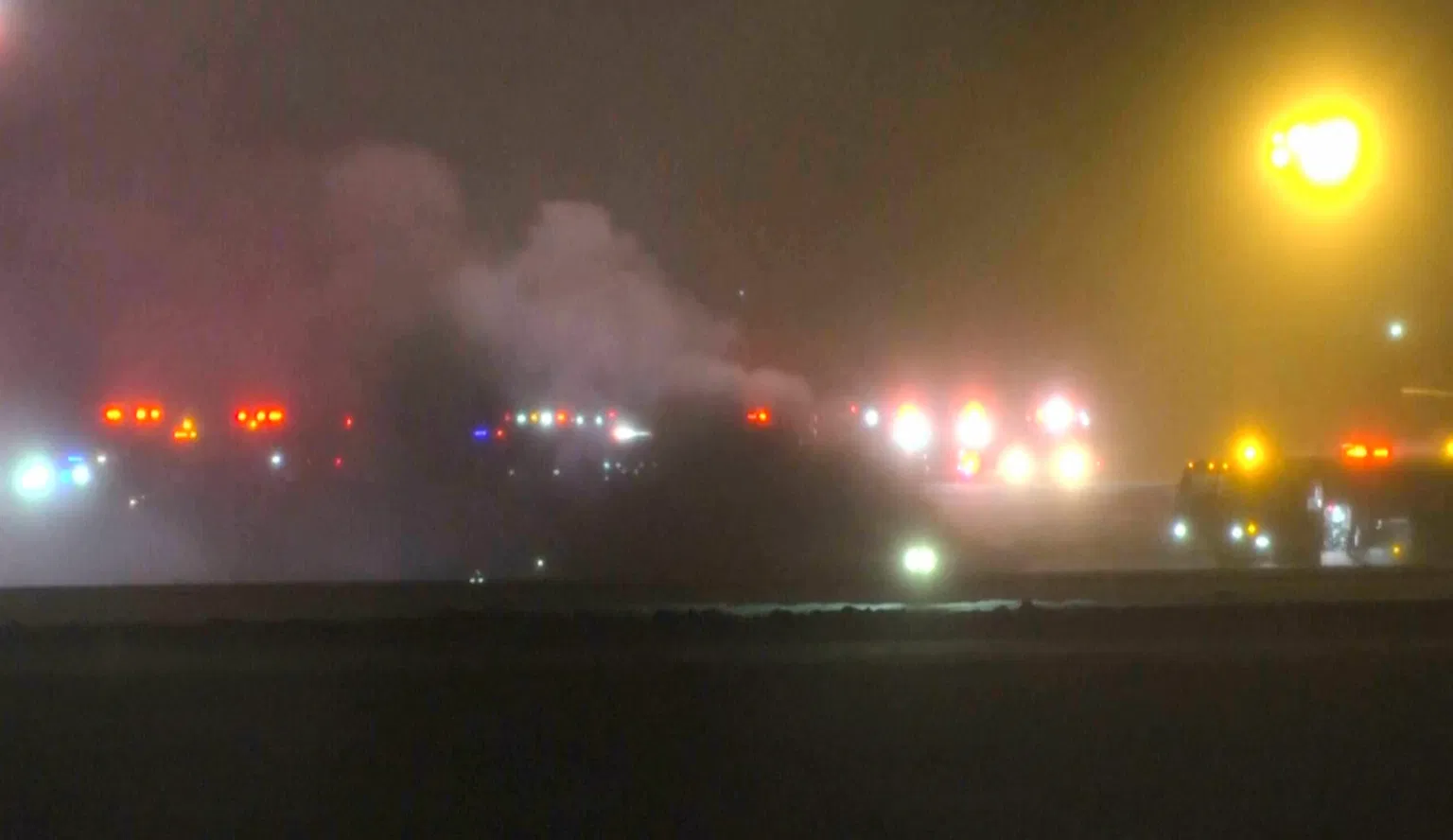
A private Bombardier Challenger 600 jet crashed during takeoff from Bangor International Airport on Sunday night, killing all six people on board and raising urgent questions about winter air travel safety. The tragedy, which occurred as a massive snowstorm blanketed the region, highlights the critical importance of understanding icing risks and emergency preparedness for travelers. With federal investigators now focusing on de-icing procedures and the aircraft's exposure to winter conditions, this incident serves as a sobering reminder of the unique challenges faced during cold-weather flying.
How the Bangor Crash Unfolded: Inside the Winter Takeoff
The flight, registered to the Houston law firm Arnold & Itkin, was preparing to depart Bangor International Airport around 7:45 p.m. on January 25, 2026, when conditions were rapidly deteriorating. According to the Federal Aviation Administration, the Bombardier Challenger 600 had just begun its takeoff roll when it veered off the runway, flipped over, and burst into flames. All six occupants—including the pilot and five passengers—were killed instantly, making this one of the deadliest private aviation accidents in Maine's recent history.
Initial reports from the Bangor Police Department confirmed that the aircraft had undergone de-icing procedures approximately 20 minutes before attempting takeoff, but investigators are now examining whether ice re-accumulated on the wings during the taxiing period. The National Transportation Safety Board has dispatched a team to determine if the aircraft's known susceptibility to icing played a role in the crash. Aviation safety consultant Jeff Guzzetti noted that the Challenger 600 model "has a history of problems with icing on takeoff" that has caused previous fatal accidents in similar winter conditions.
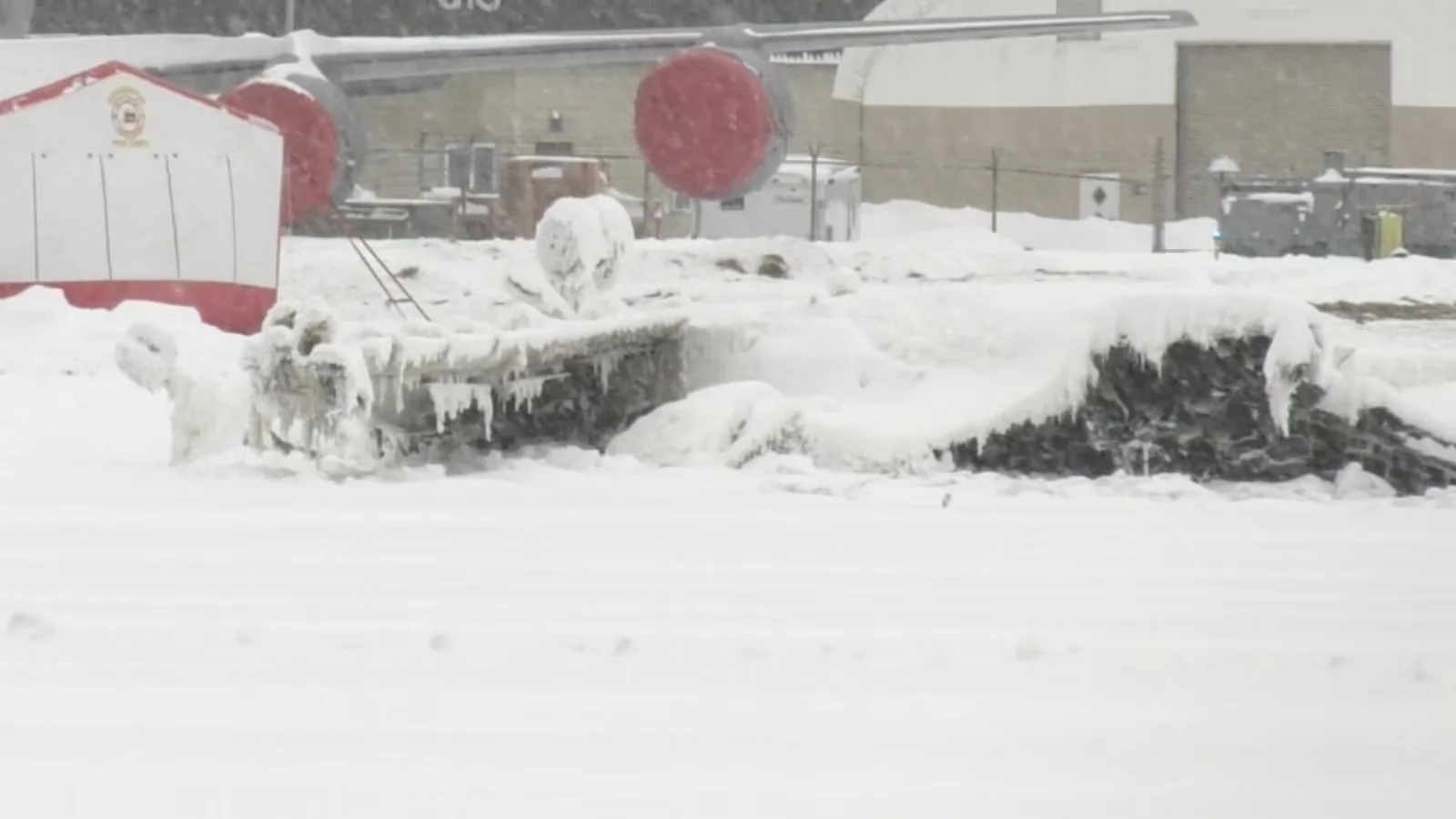
Timeline: How the Maine Crash Developed Over 24 Hours
The sequence of events leading to and following the crash reveals how quickly winter conditions can escalate aviation emergencies:
- 7:30 p.m., Sunday, January 25: The Challenger 600 completes de-icing procedures at Bangor International Airport as snowfall intensifies.
- 7:45 p.m.: The aircraft begins its takeoff roll on Runway 33, but almost immediately loses control, veers off the runway, and overturns.
- 7:48 p.m.: Airport emergency services are dispatched to the crash site, where the aircraft is fully engulfed in flames.
- 8:15 p.m.: Bangor International Airport announces complete closure due to the crash and deteriorating weather conditions.
- 11:00 p.m.: The FAA confirms six fatalities and launches a preliminary investigation.
- Monday, January 26, 10:00 a.m.: NTSB investigators arrive but cannot access the crash site due to heavy snow accumulation and poor visibility.
- Monday, 4:00 p.m.: Airport officials confirm all six victims are presumed dead and the airport will remain closed through Tuesday.
- Tuesday, January 27: The NTSB begins on-site examination as weather conditions improve slightly.
Why Icing Matters: Expert Analysis and Winter Travel Impact
Aviation experts have long warned about the particular dangers of icing on the Bombardier Challenger 600 series. According to technical specifications, the aircraft's wing design makes it "very susceptible" to ice contamination, which can dramatically reduce lift and increase stall speed. Even a thin layer of frost—as little as 0.5 millimeters—can disrupt airflow over the wings enough to prevent a successful takeoff.
"The Challenger 600 has a documented history of icing-related incidents," explained former NTSB investigator John Cox. "When you combine that inherent vulnerability with the rapid snowfall rates we saw in Bangor on Sunday night, you create a perfect storm of risk factors." Investigators are particularly interested in the "holdover time"—the period between de-icing and takeoff during which the aircraft remains protected from ice accumulation. In heavy snowfall, this window can be as short as 15-20 minutes, potentially explaining why the Bangor flight encountered problems despite recent de-icing.
For travelers, this incident underscores several critical winter aviation realities. First, commercial aircraft undergo far more rigorous de-icing protocols than private jets, with multiple checks and redundancies. Second, winter storms don't just cause delays—they create specific aerodynamic hazards that pilots must account for. And third, the aviation industry's safety improvements have largely focused on commercial operations, leaving some private aircraft with outdated de-icing technology.
Where Things Stand Now: Latest on the Investigation and Travel Disruptions
As of Tuesday, January 27, Bangor International Airport has partially reopened with significant operational restrictions. The crash site remains cordoned off as NTSB investigators document wreckage distribution and examine flight data recorders. Early evidence suggests the aircraft may have experienced an asymmetric stall—where one wing loses lift before the other—consistent with uneven ice accumulation.
The crash has had ripple effects throughout New England's travel network. Over 200 flights were canceled at Bangor alone, with thousands more affected across the Northeast as airlines adjusted schedules to account for both the airport closure and ongoing winter storm conditions. Travelers have reported multiday delays and difficulty rebooking flights, highlighting the fragility of regional aviation infrastructure during severe weather events.
Arnold & Itkin, the law firm that owned the aircraft, has released a statement expressing "profound grief" over the loss of their colleagues and confirming they are cooperating fully with investigators. Meanwhile, the FAA has issued a new Safety Alert for Operators emphasizing the importance of strict adherence to de-icing protocols during winter operations, particularly for aircraft with known icing vulnerabilities.
What Happens Next: The Road Ahead for Winter Air Travel Safety
The NTSB's final report, expected in 12-18 months, will likely recommend enhanced de-icing requirements for private aircraft operating in winter conditions. Aviation safety advocates are already calling for mandatory ground anti-icing systems at all airports serving northern climates and improved pilot training for ice detection and response. Manufacturers may face pressure to retrofit older Challenger 600 models with modern ice protection systems or restrict their operation in certain weather conditions.
For travelers, several practical lessons emerge from this tragedy. First, when booking winter flights, consider aircraft type and age—newer models generally have better ice protection. Second, build extra flexibility into winter travel plans, as de-icing procedures can add significant time to departure schedules. Third, pay attention to safety briefings, which often include specific information about emergency exits and procedures that could prove crucial in unlikely emergency situations.
Despite this tragedy, it's important to remember that air travel remains statistically safer than most other forms of transportation. The aviation industry's commitment to learning from accidents has driven continuous safety improvements for decades. This incident will undoubtedly lead to enhanced protocols that make winter flying safer for everyone.
The Bottom Line: Key Points to Remember for Winter Travelers
- Winter weather introduces specific aviation risks, particularly icing, that require additional safety measures.
- De-icing procedures are critical but time-sensitive—aircraft must take off within a specific "holdover" period after treatment.
- Some aircraft models, like the Bombardier Challenger 600, have known vulnerabilities to icing that require extra precautions.
- Always build extra time into winter travel plans to account for potential weather-related delays and safety procedures.
- Pay attention to pre-flight safety briefings and know your nearest emergency exits, regardless of flight duration or aircraft size.
- The aviation industry's rigorous investigation processes ensure that lessons from accidents lead to improved safety for all travelers.
While the Bangor crash represents a tragic loss, it also serves as an important reminder of the continuous evolution of aviation safety. As investigators piece together the exact sequence of events, their findings will contribute to making winter air travel safer for everyone. For now, travelers can honor those lost by becoming more informed, prepared passengers—understanding both the marvels and the meticulous safety protocols that make modern air travel possible, even in the most challenging conditions.