
Yellowstone National Park's 2024 summer season is now in full swing, marked by a significant wildlife conservation success story and important infrastructure updates that travelers need to know. As the park welcomed visitors with its traditional April 19 opening, wildlife managers announced that a grizzly bear translocated to improve genetic diversity has given birth to cubs—a milestone for the region's ecosystem. Meanwhile, two major road improvement projects will cause delays through the fall, making advance planning essential for this year's visitors.
Yellowstone's Summer Season Kicks Off with Wildlife Conservation Milestone
This year's opening of Yellowstone National Park on April 19 came with an exciting announcement from wildlife officials: a female grizzly bear known as 1126F, who was relocated to the Greater Yellowstone Ecosystem in 2024 as part of a genetic diversity initiative, has been documented with two new cubs. According to the Wyoming Game and Fish Department, the successful reproduction is a key step toward addressing legal concerns about the isolated grizzly population and improving long-term genetic health.
The translocation effort, led by state and federal agencies, aims to introduce new genetic material into the grizzly bear population, which has been isolated for decades. Dan Thompson, Large Carnivore Supervisor for the Wyoming Game and Fish Department, noted that the cubs were discovered during a routine surveillance flight on March 27, 2026, highlighting the success of the program.
Key Dates and Events for Yellowstone Summer 2024
Yellowstone's summer season officially began on April 19, 2024, when select park roads opened to the public. According to the National Park Service, the West Entrance (West Yellowstone, Montana) to Old Faithful route, Mammoth Hot Springs to Old Faithful, and Norris Junction to Canyon Village were the first to open, weather permitting. The park also celebrated National Park Week with a fee-free day on April 20, encouraging visitors to explore the park's wonders without entrance fees.
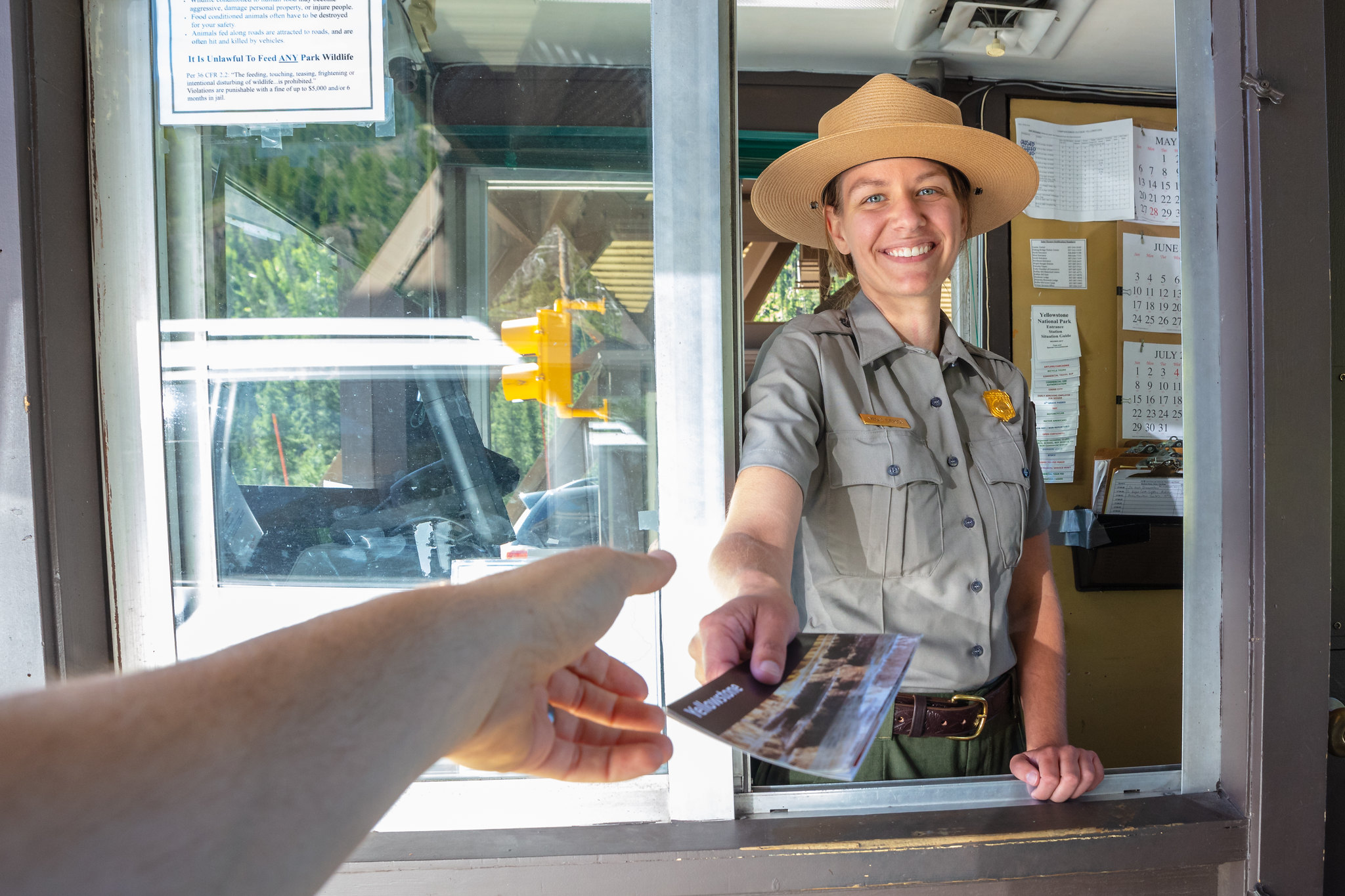
Additional park roads opened throughout May, while the only year-round accessible routes remain between the North Entrance in Gardiner, Montana, and the Northeast Entrance in Cooke City/Silver Gate, Montana. Visitors should note that all roads will close on November 1 in preparation for winter, with the last day to visit being October 31.
Why This Summer Is Different: Conservation and Infrastructure Upgrades
Beyond the wildlife success, Yellowstone is undergoing significant infrastructure improvements that will enhance visitor safety and access for years to come. Two major road projects—the Lewis River Bridge replacement and the Yellowstone River Bridge replacement—are underway and will cause traffic delays through the fall. The Lewis River Bridge project, located nearly 10 miles north of the South Entrance, may cause up to 20-minute delays from May through October 31, while the Yellowstone River Bridge project near Tower Junction could result in 30-minute delays.
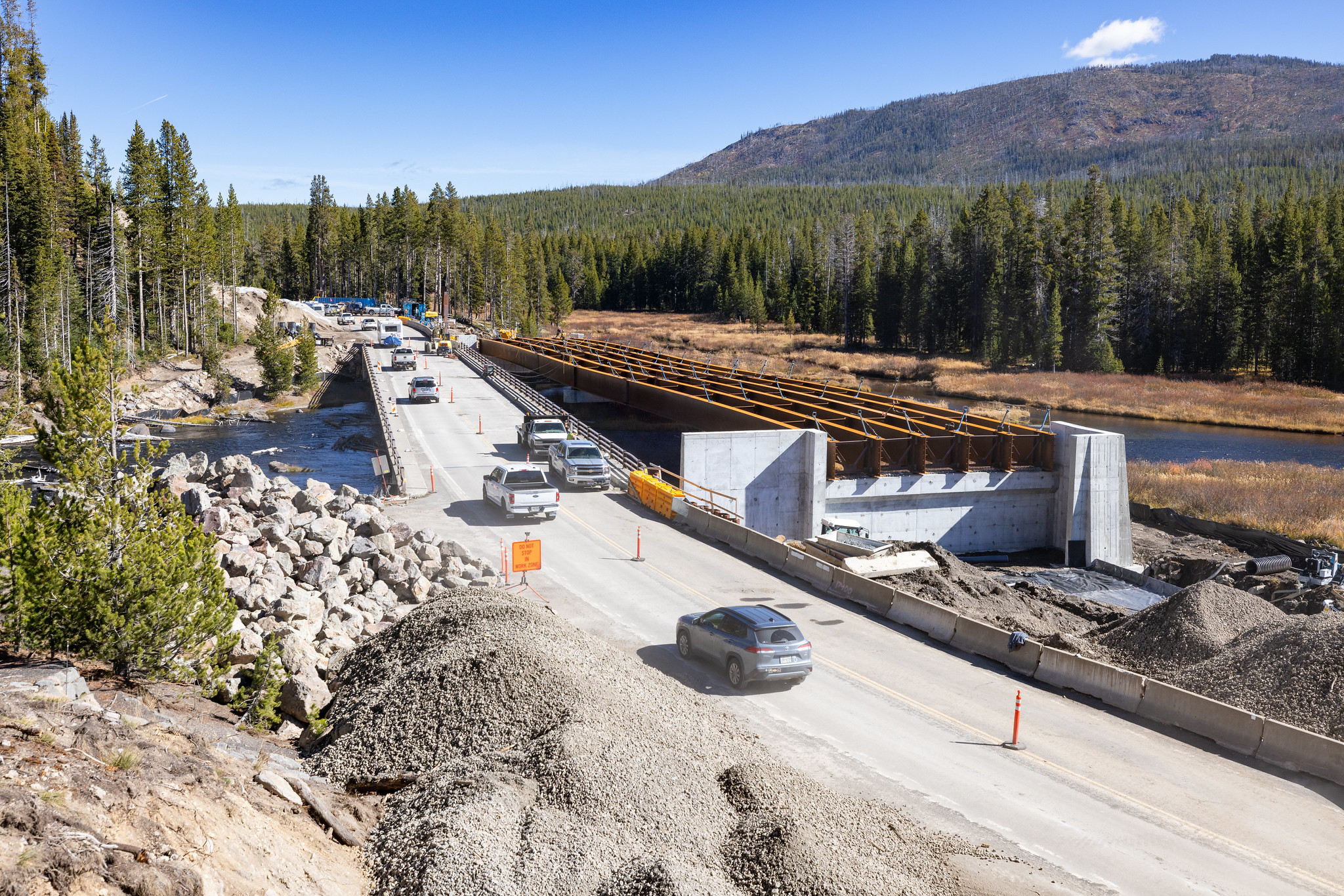
The Lewis River Bridge project, which began in 2022, will conclude in fall 2024 and includes removal and replacement of the existing bridge. The Yellowstone River Bridge project, starting in 2023, is expected to finish in fall 2026 and will replace a structurally deficient bridge built in 1961 with a new 1,285-foot-long steel girder bridge. Both projects will ultimately improve parking, viewing opportunities, and trail access.
What Travelers Need to Know Right Now
With record visitation numbers—Yellowstone hosted 992,352 recreation visits in July 2024, a 2% increase from July 2023—planning ahead is more critical than ever. The National Park Service recommends checking current road conditions before arrival, as temporary closures due to weather or construction can occur at any time. Visitors can stay informed by visiting the park's road conditions page, calling (307) 344-2117 for recorded information, or signing up for text alerts by texting "82190" to 888-777.
Wildlife safety remains a top priority. Park officials remind visitors to stay at least 100 yards away from bears and wolves and 25 yards from all other wildlife, including bison and elk. Bear spray is recommended, and all travelers should be prepared for changing weather conditions and limited services, especially in the spring and fall.
Looking Ahead: Fall Closures and Future Plans
As the summer season progresses, visitors should mark their calendars for the end of the season. All park roads will close on November 1, 2024, with the last day for vehicle access being October 31. However, winter activities will begin shortly after, with oversnow vehicle access opening in mid-December, weather permitting.
Looking further ahead, the completion of the Yellowstone River Bridge in 2026 will provide a major upgrade to year-round access for the Northeast Entrance. Additionally, ongoing conservation efforts, like the grizzly bear genetic diversity program, will continue to shape the park's ecological future.
Plan Your Yellowstone Adventure: Essential Tips
To make the most of your Yellowstone visit this summer, keep these key tips in mind:
- Book accommodations early: Lodging inside the park fills up quickly, especially during peak summer months.
- Plan for delays: Account for extra travel time due to road construction and wildlife crossings.
- Purchase passes online: Save time at entrance stations by buying your park pass in advance.
- Pack for all weather: Yellowstone's climate can change rapidly, so bring layers, rain gear, and sturdy footwear.
- Respect wildlife: Maintain safe distances, never feed animals, and store food properly.
- Stay on designated trails: Protect fragile geothermal areas and yourself by following park guidelines.
With these preparations, your Yellowstone experience can be both memorable and safe, contributing to the preservation of this iconic national treasure for generations to come.