
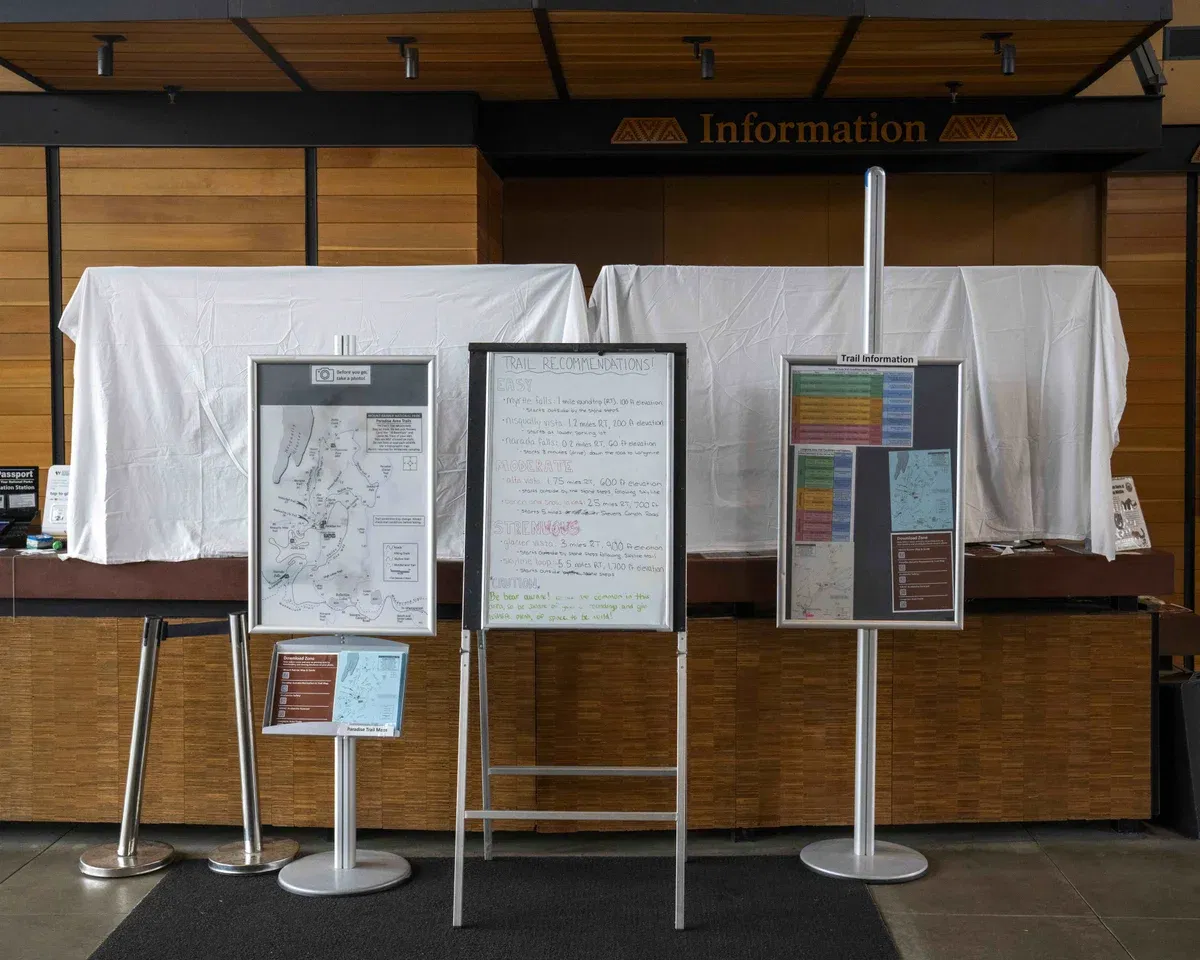
Yosemite National Park is facing an unprecedented visitor surge that has transformed one of America's most treasured natural wonders into a chaotic scene of bumper-to-bumper traffic, overflowing parking lots, and crowds described as "wall to wall" by frustrated visitors. After drawing more than 4.2 million visitors in 2025 — its fourth-busiest year on record — the park has seen conditions deteriorate further in 2026 following the elimination of its advance reservation system, raising urgent questions about the future of visitor management at iconic national parks.
How the Crowd Crisis Unfolded: Inside Yosemite's Record-Breaking Surge
According to newly released National Park Service (NPS) data, Yosemite welcomed more than 4.2 million recreation visits in 2025, a jump of approximately 156,000 over the previous year. Summer visitation through August totaled 2,919,722 visits — a 7% increase compared to the same period in 2024. Monthly numbers tell a stark story: June 2025 saw 607,410 visitors (up 3.26% from 2024), while July reached 628,400 (a 5.3% increase). The only exception was February, when winter storms temporarily limited access.
"This summer, we expanded access, offered new and improved facilities, experiences, and programs, all in testament to our dedicated park staff and partners," said Acting Superintendent Ray McPadden in September 2025. Yet behind the optimistic tone, the park was already straining at the seams. The situation escalated dramatically in October 2025 when a federal government shutdown left the park operating with a skeleton crew even as visitors continued to pour in. "This is exactly what we warned about," park advocates told The Guardian as the shutdown entered its third week.
Timeline: How Yosemite Went From Reservations to Chaos
Summer 2025: Yosemite operates with a scaled-back reservation system requiring timed-entry permits during peak periods. Despite this, the park records its fourth-busiest year ever with 4.2 million visitors.
October 2025: A federal government shutdown leaves Yosemite severely understaffed. A surge of visitors overwhelms remaining personnel, with conservationists warning about damage to natural resources, including meadow trampling and illegal parking.
February 2026: The NPS announces Yosemite will eliminate its advance reservation system entirely for the 2026 season, even during peak summer months. The agency says the decision follows "a comprehensive evaluation of traffic patterns, parking availability and visitor use during the 2025 season." Instead, the park will rely on "real-time traffic management measures" including temporary traffic diversions and additional seasonal staff.
March 2026: The results are immediate. Yosemite records 225,817 recreational visitors — the busiest March since 2016 and a dramatic jump from 155,758 visitors in March 2025. California's nine national parks collectively set an all-time record with 12 million visits in 2025, up more than 800,000 from the previous record set in 2019.
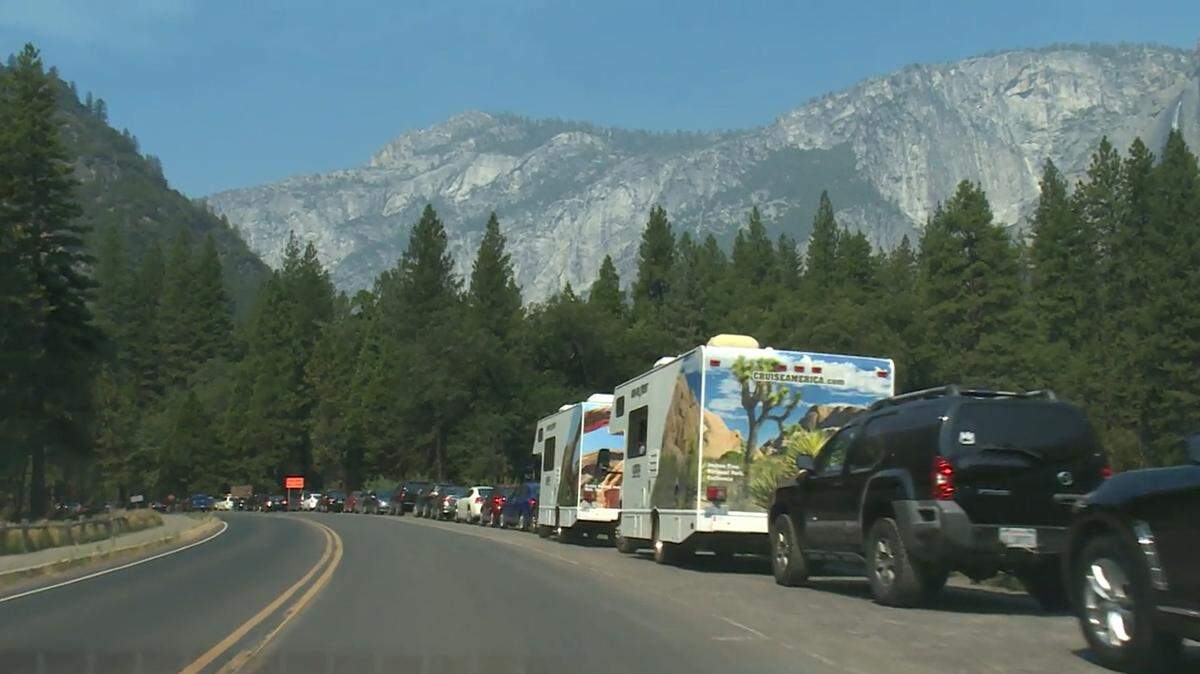
May 2026: By mid-May, Yosemite has already logged more than 836,000 visits — approximately 100,000 more than the same period in 2025. Memorial Day weekend becomes a flashpoint as traffic backs up over three miles from the entrance gates.
Why Yosemite's Crowd Problem Matters: Expert Analysis and Impact
The decision to drop reservations has created what some are calling a "free-for-all" at the park's entrances. Visitors report waiting 90 minutes or more just to get through the gates, with parking lots filling by early morning. "The waits are insane," San Jose resident Kunal Khandwala told the Los Angeles Times after struggling to find parking and facing packed shuttle buses.
John Buckley, executive director of the Central Sierra Environmental Resource Center (CSERC), described conditions that have alarmed conservationists. "Especially on Saturdays and sometimes also on Fridays and Sundays, the amount of crowding in the park exceeds the capacity of the parking lots, results in vehicles parked inappropriately wherever they can squeeze in along roads, and results in a crammed-together visitor experience," Buckley told SFGate. One visitor told CSERC staff that the experience "felt like a day at Disneyland."
The environmental toll is mounting. Conservationists report damage to sensitive meadows from social trailing, increased wildlife disturbances, and rising vandalism — including stickers being plastered along the iconic Mist Trail. The Fresno Bee reported that experts are increasingly worried about the long-term ecological impact of sustained overcrowding, particularly as the park's natural resources are "negatively impacted by traffic congestion, social trailing, and other visitor behaviors during peak use."
An NPS spokesperson pushed back against characterizations of chaos, telling Fox News Digital that overcrowding claims "are not an accurate characterization of current park operations." The official added, "Yosemite, like many iconic national parks, experiences periods of high visitation, particularly around weather-dependent events and holiday weekends. America's national parks are open and accessible, and we are pleased to see strong public interest in experiencing these treasured places."
Where Things Stand Now: Latest on Yosemite's Crowd Crisis
As of late May 2026, conditions remain stretched. Social media is flooded with complaints from visitors. In a popular Facebook group for Yosemite travelers, one person wrote: "We were there this past Saturday through Monday… Saturday it was awful, there was absolutely no parking anywhere." Another advised: "Plan on every single day between Memorial Day and Labor Day to be exceedingly crowded." A third simply said: "Only way to avoid summer crowds — to not go in summer!"
However, conditions vary across the park's 1,169 square miles. Some visitors report relatively uncrowded experiences, particularly early in the day or in less-trafficked areas. "Just got back, crowds are very minimal, especially early in the day! I can't imagine going there during peak season," one recent visitor wrote.
What Happens Next: The Road Ahead for Yosemite
With no reservation system in place for the foreseeable future, Yosemite is betting on real-time management strategies to cope. The NPS has said it will "closely monitor visitation, traffic flow and congestion throughout the season" and deploy temporary traffic diversions when parking areas reach capacity. Additional seasonal staff have been assigned to high-use areas, though critics argue this is insufficient for the scale of the surge.
Outside Online reports that 2025 saw 4.27 million visitors — nearly as many as before COVID-19 — and 2026 is tracking even higher. The elimination of reservations has effectively removed the only meaningful cap on daily visitation, raising fears that this summer could break all previous records. Environmental groups are calling for a return to some form of timed-entry system, while gateway communities remain divided between those who benefit from increased tourism and those who bear the brunt of the congestion.
The Bottom Line: Key Points to Remember
- Yosemite drew 4.2+ million visitors in 2025, its fourth-busiest year on record
- Summer 2025 visitation was up 7% over 2024, with 2.92 million visits through August
- The elimination of advance reservations in February 2026 triggered even larger crowds, with March 2026 seeing 225,817 visitors — the busiest March in a decade
- Visitors face 90-minute entry waits, overflowing parking, and packed shuttles, with conditions described as "Disneyland-level" crowds
- Conservationists warn of ecological damage, while the NPS maintains the park is managing high visitation periods appropriately