
Travelers planning trips to Samoa are facing new considerations as health authorities report a significant dengue fever outbreak across the Pacific nation. While the Samoa Tourism Authority maintains that the destination remains safe for visitors with proper precautions, recent advisories from multiple governments highlight the importance of awareness for anyone planning a Samoan vacation in 2026.
How the Dengue Outbreak Unfolded: What Travelers Need to Know
Samoa's Ministry of Health officially declared a dengue outbreak in April 2025, and the situation has continued into 2026 with over 16,000 clinically diagnosed cases reported since January 2025 according to recent government data. The outbreak comes at a time when Samoa's tourism industry was showing promising growth, with visitor arrivals increasing by 2.6% in 2024 to reach 179,590 international visitors according to the Samoa Bureau of Statistics.

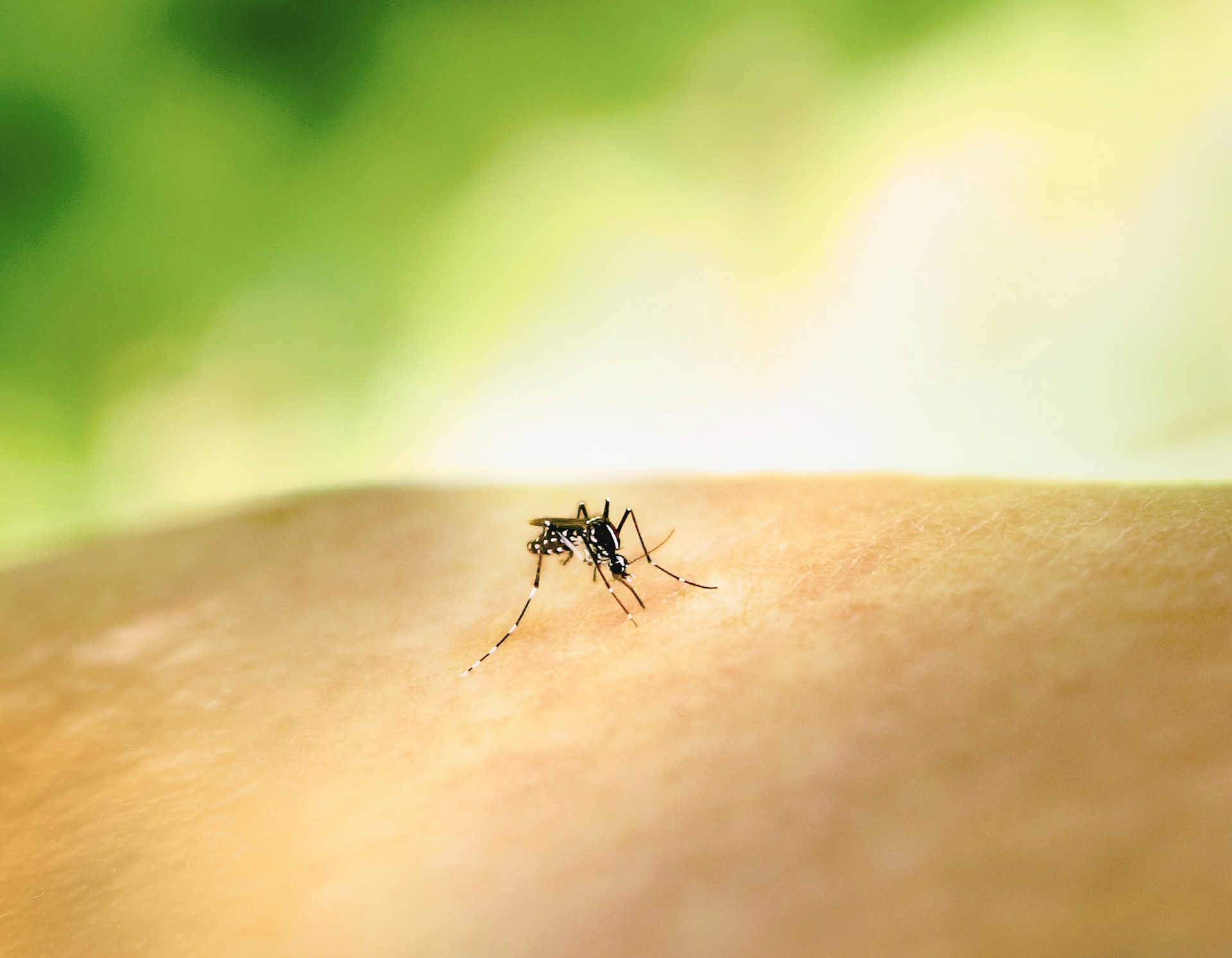
Dr. Maryann Heather, Clinical Director of Etu Pasifika, recently spoke to media about the seriousness of the situation, warning that "one in four people infected with dengue will get sick" with symptoms that can include high fever, severe headaches, pain behind the eyes, abdominal pain, nausea or vomiting, muscle and joint pain, skin rash, and general lethargy. "The main thing is to have a high index of suspicion, especially since there are ongoing outbreaks in the islands," Dr. Heather emphasized in an interview with RNZ.
Timeline: How the Dengue Situation Developed
The current health situation in Samoa has evolved over the past year, creating important context for travelers. In April 2025, Samoa's Ministry of Health officially declared the dengue outbreak after noticing a significant increase in cases. By July 2025, several Pacific Island nations including Samoa were reporting surges in confirmed dengue cases, prompting travel advisories from New Zealand and Australian authorities.
As of February 2026, the Franklin Times reports that dengue cases continue to surge across the Pacific, with Health New Zealand warning travelers to take precautions. The Cook Islands have been particularly affected with more than 500 cases reported since May 2025, while Samoa, Tuvalu, Nauru, Kiribati and American Samoa are all reporting increased dengue activity according to SafeTravel's latest update.
Why This Matters for Travel Planning
The dengue outbreak presents specific considerations for travelers, but health authorities and tourism officials emphasize that Samoa remains accessible with proper precautions. The Australian Government's Smartraveller service maintains a Level 1 'Exercise Normal Precautions' advisory for Samoa, noting that while there's a dengue outbreak, the overall risk level hasn't escalated to warrant higher warnings.
Samoa Tourism Authority's official position states there are no travel restrictions amidst the dengue outbreak, and Samoa is still considered a safe destination for travelers. This balanced approach recognizes both the health concerns and the economic importance of tourism to Samoa's economy, which saw a promising 11.1% increase in international arrivals in July 2024 according to the Samoa Observer.
Travel insurance has become a critical consideration, with experts urging travelers to ensure their policies include coverage for medical evacuation and treatment for mosquito-borne illnesses. "Make sure you get travel insurance that includes coverage for medical evacuation and be aware that some policies may have specific exclusions for epidemics or pandemics," advises the PMAGroup article on dengue warnings.
Where Things Stand Now: Current Travel Recommendations
Health authorities currently recommend several key precautions for travelers to Samoa: use insect repellent containing DEET or picaridin, wear long-sleeved clothing and pants especially during dawn and dusk when mosquitoes are most active, stay in accommodations with proper window screens or air conditioning, and eliminate standing water where mosquitoes breed.
Dr. Heather emphasizes the importance of seeking medical attention if symptoms develop: "If you aren't improving or are concerned, you should seek medical attention, especially if you think you have dengue fever after returning from the islands. Symptoms can last up to two to seven days and can be mild or severe."
The Ministry of Foreign Affairs and Trade reported that in 2025, New Zealand's International Development Cooperation assisted in dengue response and prevention efforts in four Pacific Island countries including Samoa, providing both funding and professional deployments to help manage the outbreak.
What Happens Next: The Road Ahead for Samoa Tourism
Looking forward, travel experts predict that awareness and precautions will be key factors for Samoa's tourism recovery. The traditional dry season from June to September typically sees increased visitor numbers, and with proper health messaging, Samoa could continue to attract travelers seeking authentic Pacific Island experiences.
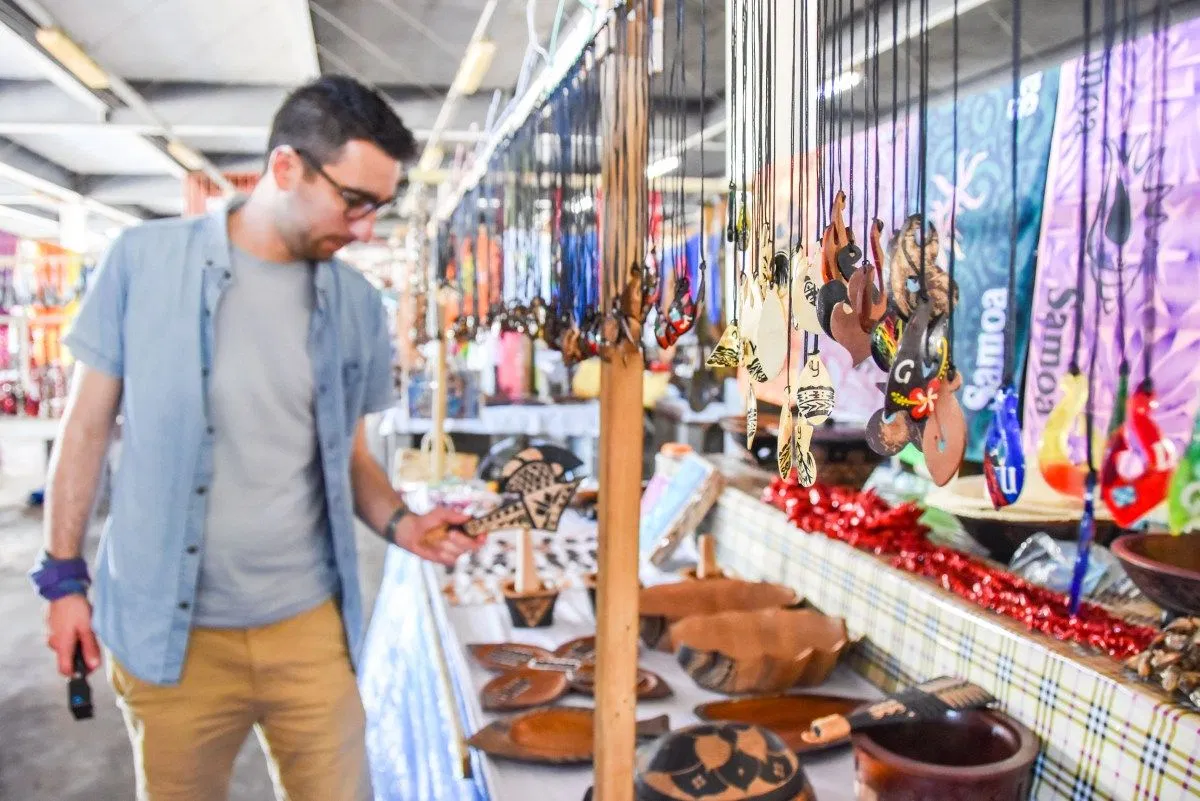
Samoa's tourism offerings remain compelling despite health concerns. The Samoa Pocket Guide highlights must-visit destinations including the spectacular To Sua Ocean Trench, Robert Louis Stevenson Museum, pristine beaches, and vibrant cultural markets. These attractions, combined with Samoan hospitality and rich cultural traditions dating back more than 3,000 years, continue to draw visitors seeking authentic Pacific experiences.
Exploring Samoa's Must-See Destinations
Beyond health considerations, Samoa offers travelers breathtaking natural beauty and cultural experiences. The famous To Sua Ocean Trench on Upolu island features a stunning 30-meter deep swimming hole accessible by ladder, surrounded by lush tropical vegetation. Cultural sites like the Robert Louis Stevenson Museum provide insight into the islands' history, while traditional villages offer opportunities to experience authentic Samoan hospitality.
Samoa consists of two main islands—Upolu and Savai'i—each offering distinct experiences. Upolu is home to the capital Apia and more developed tourism infrastructure, while Savai'i provides a more remote, traditional experience with volcanic landscapes and secluded beaches. The shoulder seasons (April-May and September-October) often provide ideal conditions with fewer crowds and pleasant weather.
The Bottom Line: Key Points for Travelers
- Samoa has a dengue outbreak declared since April 2025; follow mosquito protection measures rigorously
- Travel advisories remain at Level 1 (Exercise Normal Precautions) from major governments
- Visitor numbers increased 2.6% in 2024 despite health concerns
- Essential travel insurance with medical evacuation coverage is strongly recommended
- Samoa's tourism authority maintains the destination is safe with proper precautions
- Best travel months are during dry season (June-September) with shoulder seasons offering good alternatives
- Key attractions like To Sua Ocean Trench and cultural sites remain accessible
With proper planning and precautions, travelers can still enjoy Samoa's renowned natural beauty and warm culture while managing health risks. The balance between awareness and accessibility defines the current travel landscape for this Pacific Island paradise.