
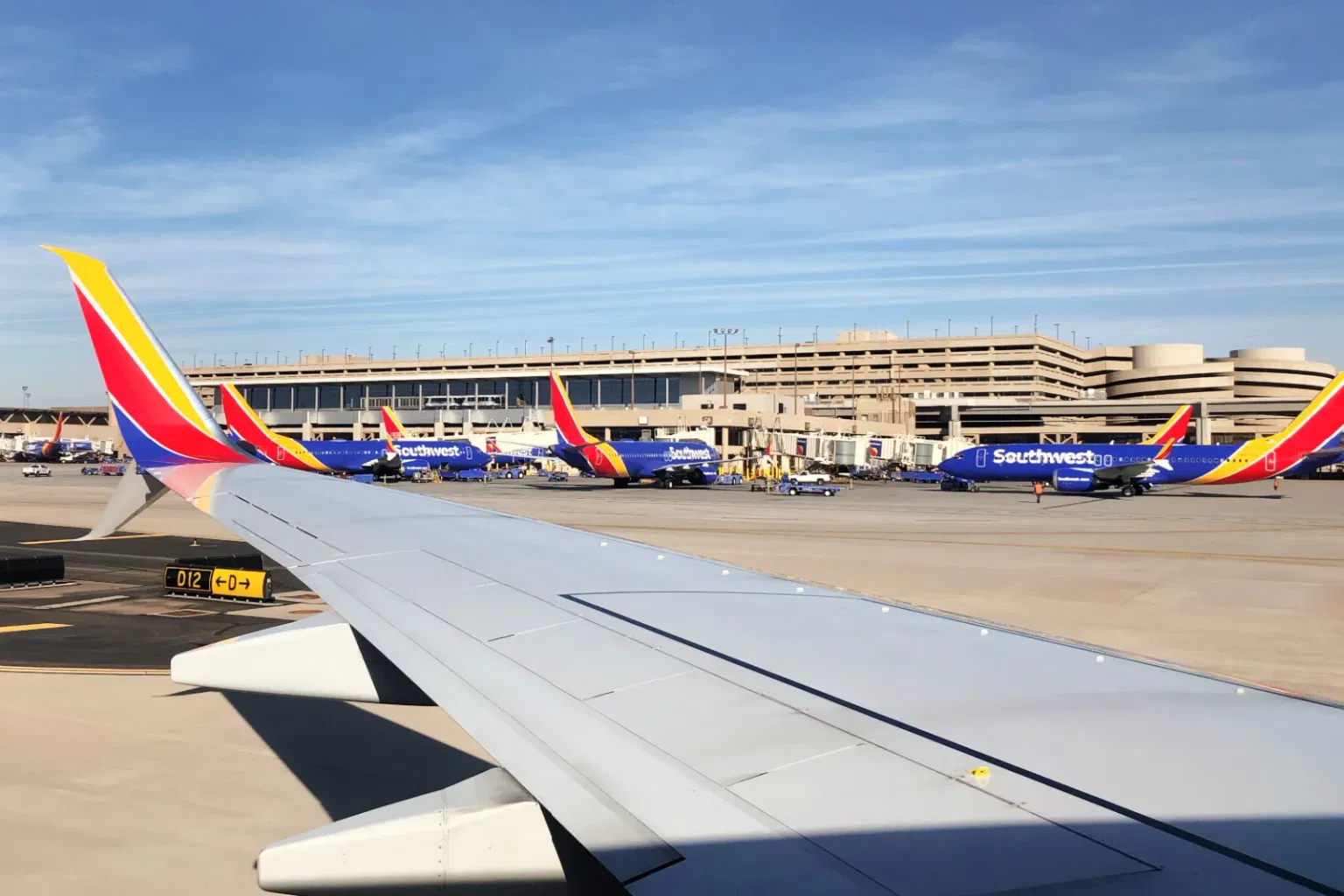
Southwest Airlines, long known for its unique approach to air travel, has undergone the most dramatic transformation in its history. Over the past year, the Dallas-based carrier has ended its iconic "bags fly free" policy, scrapped its legendary open seating system, introduced new fare classes, and added redeye flights—fundamentally reshaping the travel experience for millions of passengers. For travelers who grew up with Southwest's quirky, customer-friendly approach, these changes represent a seismic shift that requires a whole new playbook for booking and flying.
The End of an Era: Free Bags Are Gone
The change that perhaps hit travelers hardest took effect on May 28, 2025, when Southwest officially ended its decades-long "bags fly free" policy. For the first time in the airline's history, passengers now pay $35 for their first checked bag and $45 for a second bag on flights booked on or after that date. The move marked a philosophical shift for an airline that had built its brand around transparency and customer perks that competitors charged extra for.
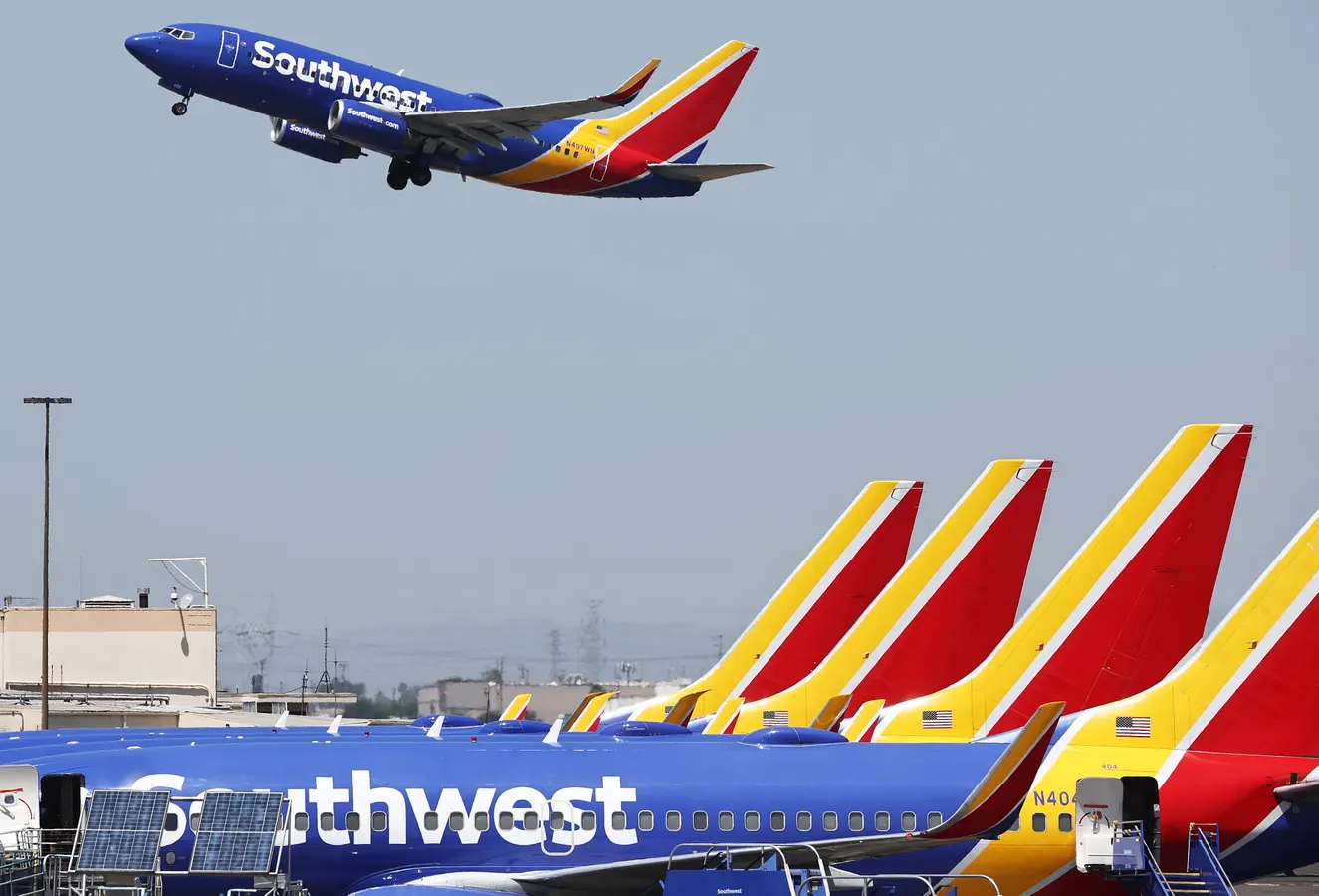
However, not everyone has to pay. Rapid Rewards elite members and Southwest credit cardholders continue to enjoy free checked bags as a loyalty perk. Travelers who booked flights before May 28, 2025, are also grandfathered in—meaning if you locked in a ticket before the cutoff, you can still check bags for free on that reservation. Industry analysts noted that the move aligned Southwest more closely with competitors like Delta, American, and United, all of which have charged for bags for years.
How Assigned Seating Unfolded: From Open Boarding to Seat Assignments
For more than 50 years, Southwest's open seating policy was one of the most distinctive features in American aviation. Passengers checked in exactly 24 hours before departure to secure a better boarding position, then rushed to grab their preferred seat. That all changed on January 27, 2026, when the airline officially transitioned to assigned seating.
The journey to assigned seating began in July 2025, when Southwest first announced "Seatisfaction"—the airline's branded rollout of the new system. Pre-sales for assigned seats opened on July 29, 2025, for travel beginning January 27, 2026. The airline introduced four new fare types to accompany the change: Basic, Choice, Choice Preferred, and Choice Extra.
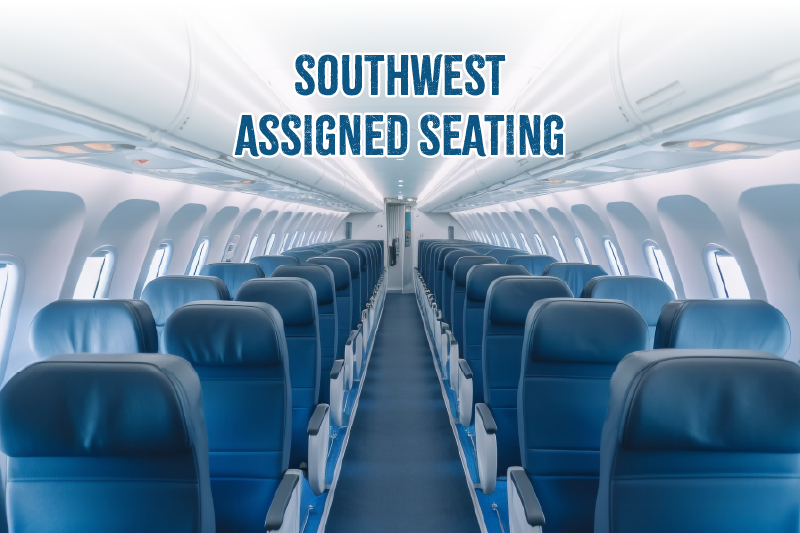
The new boarding process is optimized for assigned seating, grouping passengers by seat location rather than check-in time. Extra Legroom seats and premium options are available to those purchasing higher-tier fares or holding elite status. The transition marked the end of the famous cattle-call boarding process that had become both a beloved quirk and a source of anxiety for Southwest flyers.
Understanding the New Fare Structure
Southwest's new fare classes represent a significant departure from its historically simple pricing model. Here's how they break down:
- Basic: The lowest-priced option, but with strict limitations. No changes are allowed—if you need to modify your itinerary, you must first upgrade to a higher fare class. No seat selection is included, and boarding priority is lowest.
- Choice: The standard fare, offering seat selection, one free checked bag (for credit cardholders and elites), and same-day change flexibility.
- Choice Preferred: Includes extra legroom seating, priority boarding, and enhanced flexibility for changes.
- Choice Extra: The premium option with the best seats, earliest boarding, complimentary drinks, and maximum flexibility, including refundable options.
The introduction of Basic fares has been particularly controversial. Customers who book Basic tickets cannot make any changes to their itinerary—a stark contrast to Southwest's previous policy where all fares were fully changeable. NerdWallet noted that "Cardholders and elites win, others pay" under the new structure, as loyalty members retain significant benefits that casual travelers lose.
Beyond Seats and Bags: Other Major Changes
The transformation extends well beyond seating and baggage. Southwest has added redeye flights to its schedule, serving transcontinental routes and Hawaii connections—a first for the airline. Overnight flights were previously something Southwest famously avoided, but customer demand and competitive pressures pushed the carrier to adapt.
Free inflight WiFi is now available to all Rapid Rewards members, thanks to a partnership with T-Mobile. This is a significant upgrade from the previous paid WiFi model and makes Southwest competitive with other carriers that offer complimentary inflight connectivity. Non-members can still access the service by signing up for the free loyalty program.
Southwest also announced its first-ever global airline partnership with Taiwan's EVA Air, opening up connections to Asia and beyond. This marks a strategic pivot toward international connectivity, giving Southwest customers more options for long-haul travel without needing to book separate tickets.
Where Things Stand Now: Traveling Southwest in 2026
As of early 2026, Southwest's new policies are fully in effect. The airline reported strong financial performance for the fourth quarter and full year 2025, suggesting that the transformation is paying off financially—even as some loyal customers express frustration. A Forbes analysis posed the provocative question: "Has Southwest Become Just Another Airline?"
Travelers flying Southwest today need to be strategic. Booking Basic fares without understanding the restrictions can lead to costly mistakes. The new Basic tickets don't allow changes, and customers who show up at the airport expecting free checked bags may face unexpected fees. Additionally, a new customer-of-size policy requires passengers who cannot fit in a single seat with armrests down to purchase an extra seat upfront, effective January 2026.
On a positive note, the Rapid Rewards program has been enhanced with new benefits for loyal customers. Credit cardholders and elite members retain free bags, earn more points per dollar, and enjoy priority boarding—making the program more valuable than ever for frequent flyers.
What Happens Next for Southwest Travelers
The airline has signaled that more changes are coming. Southwest's CEO Bob Jordan has described the transformation as an ongoing journey toward "an Even Better Southwest." Future developments may include expanded international partnerships, further cabin redesigns, and additional technology upgrades to streamline the travel experience.
For travelers, the key takeaway is clear: the Southwest Airlines of 2026 is not the same airline it was in 2024. Booking strategies that worked before—like checking in exactly 24 hours ahead for a good boarding position—are no longer relevant. Instead, passengers should consider which fare class best suits their needs, whether they have elite status or a co-branded credit card, and plan for baggage fees accordingly.
The Bottom Line: Key Takeaways for Travelers
- Pack less or pay up: First checked bag costs $35; second costs $45. Credit cardholders and elite members fly free.
- Choose your fare wisely: Basic fares are non-changeable. Higher-tier fares offer more flexibility and better seats.
- Book assigned seats early: Seat selection is available at booking for Choice fares and above.
- Join Rapid Rewards for free WiFi: All members get complimentary inflight internet via T-Mobile.
- Consider Southwest's new routes: Redeye flights and EVA Air partnerships expanded travel options.
- Loyalty pays off: Status and credit cards provide meaningful benefits that casual travelers miss out on.
Southwest Airlines has transformed itself from the quirky outlier of the airline industry into a carrier that increasingly resembles its legacy competitors. For travelers willing to adapt their expectations and booking habits, Southwest can still offer excellent value—but the days of bags flying free and open seating are firmly in the rearview mirror.