
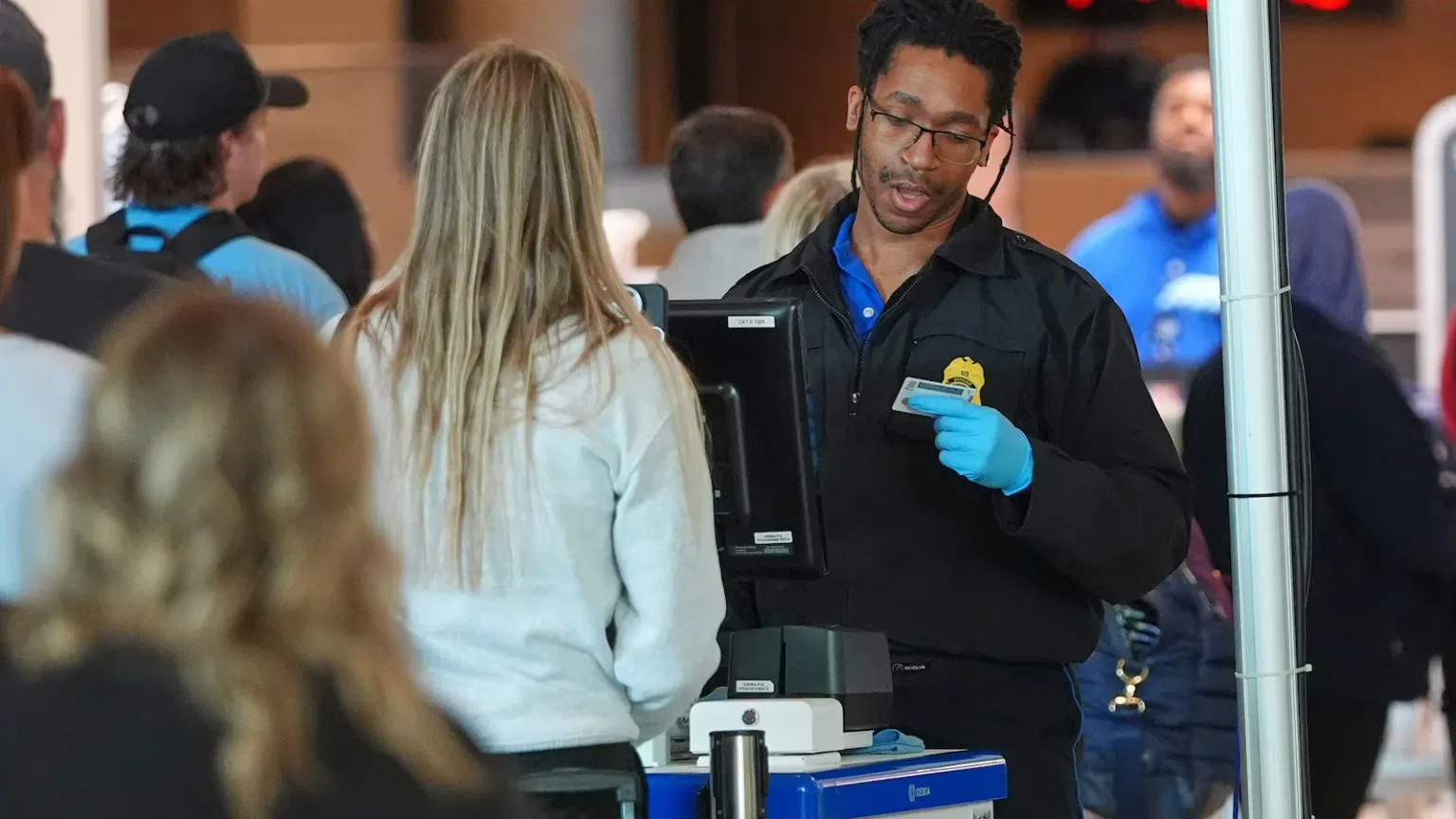
Starting February 1, 2026, air travelers who show up at airport security checkpoints without a REAL ID-compliant identification will face a new $45 fee from the Transportation Security Administration. The agency announced the policy change in December 2025 as part of its phased implementation of REAL ID requirements that began enforcement in May 2025. With over 94% of passengers already using acceptable forms of identification, the fee targets the remaining travelers who have yet to update their documents, creating what TSA officials describe as a necessary modernization of identity verification systems.
How the $45 TSA Fee Works: Breaking Down the New Policy
The $45 fee covers access to TSA ConfirmID, an alternative identity verification system that travelers without acceptable identification can use to clear security checkpoints. According to the TSA announcement, passengers who present non-compliant IDs will be referred to this fee-based option, which then attempts to verify their identity through a combination of biographic and biometric checks. The fee is valid for a 10-day travel period, meaning travelers won't need to pay again if they're taking a round trip within that timeframe, but any travel beyond 10 days requires a new payment.
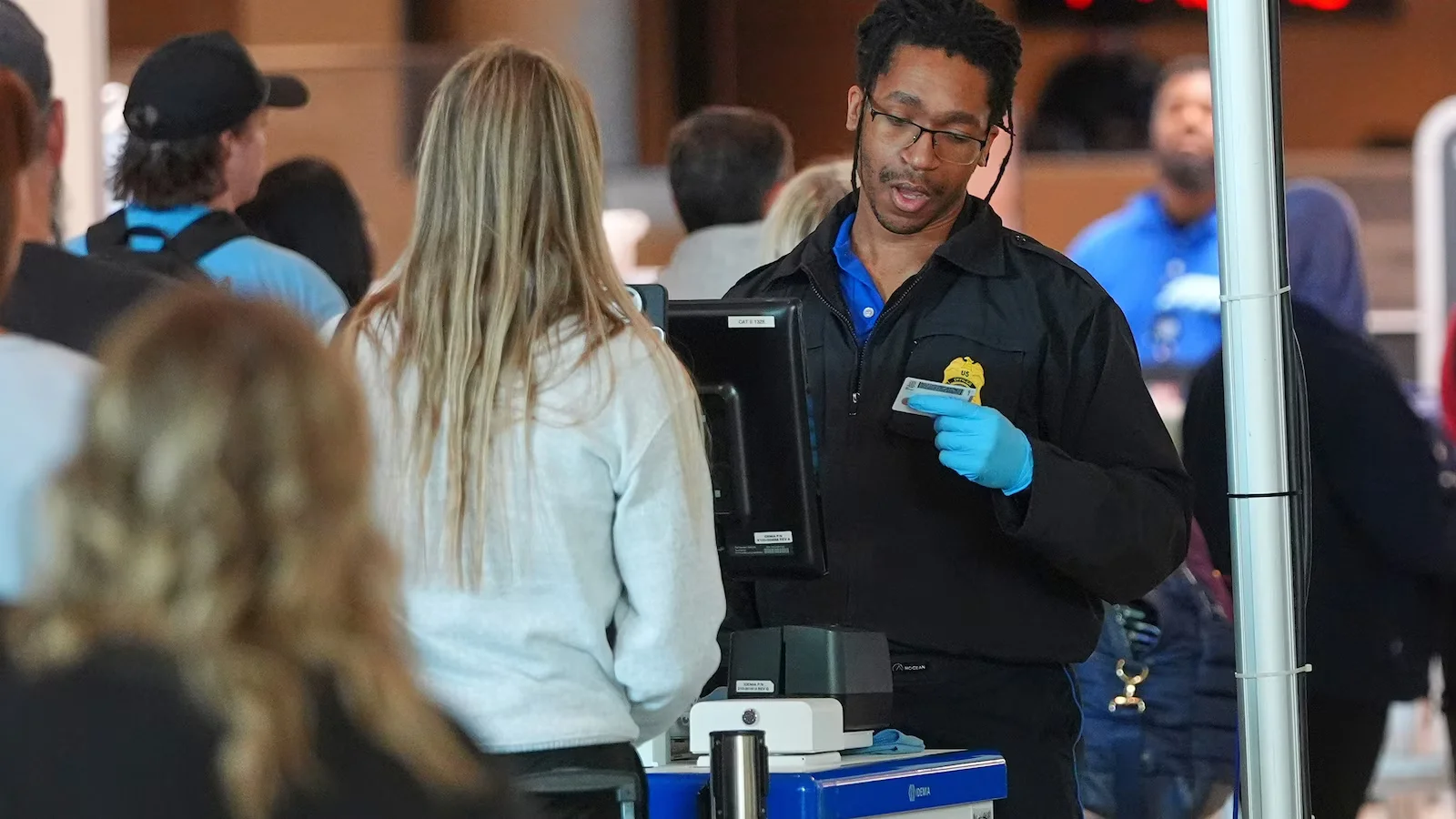
Steve Lorincz, TSA's deputy executive assistant administrator for security operations, explained the rationale behind the fee to ABC News: "The fee was necessary because we needed to modernize the system. We needed to make sure that the system is safe." The agency increased the fee from an originally proposed $18 to $45 to cover administrative and IT costs associated with the verification program, ensuring these expenses are borne by travelers who need the service rather than taxpayers.
Timeline: The Road to REAL ID Enforcement and the New Fee
The REAL ID Act was signed into law more than 20 years ago, but previous administrations struggled with implementation. Under the current administration, enforcement finally began on May 7, 2025, when all air travelers 18 and older were required to present REAL ID-compliant identification or other acceptable documents. Initially, passengers without proper ID could still undergo additional screening, but starting February 1, 2026, that additional screening comes with a $45 price tag.
The timeline of key dates tells the story: December 1, 2025 - TSA announces the $45 fee; February 1, 2026 - fee goes into effect; May 7, 2025 - REAL ID enforcement began. Between these milestones, travelers have had multiple opportunities to update their identification, with TSA reporting that compliance rates have steadily increased to over 94% of passengers. However, state-level data tells a different story - California's DMV reported only about 58% of license and ID holders were REAL ID-compliant in 2025, suggesting millions could still be affected.
Why the Fee Matters: Security Implications and Traveler Impact
TSA officials emphasize that identity verification is fundamental to aviation security. "Identity verification is essential to traveler safety, because it keeps terrorists, criminals, and illegal aliens out of the skies and other domestic transportation systems such as rail," said Adam Stahl, Senior Official Performing the Duties of Deputy Administrator for TSA. The new fee-based system creates a financial incentive for travelers to obtain proper identification while funding the technology needed for thorough identity checks.
For travelers, the impact goes beyond the $45 cost. The verification process itself can add significant time to airport security screening. TSA warns that even with payment, the identity verification typically takes 10-15 minutes but could extend to 30 minutes or longer. Travelers who arrive at checkpoints without having paid in advance must leave the security line to complete the online payment process, then return to the end of the line - potentially missing flights. Importantly, payment doesn't guarantee clearance; if TSA cannot verify a traveler's identity, they may be denied entry to the secure area regardless of having paid the fee.
Where Things Stand Now: Traveler Reactions and State Responses
As the February 1 deadline approaches, reactions from travelers have been mixed. "I think it's great because they should have the ID already," passenger Judy Carver told WEAR TV in Pensacola. Others highlighted the practical challenges of obtaining REAL ID. "I legally had a name change to my stepfather's last name, and so when I got my new ID in New York, they were like, 'Oh, we need more documentation for the name change in order to get the real ID,'" explained traveler Ethen Lombardino.
State transportation departments are ramping up efforts to help residents obtain compliant identification. The Idaho Transportation Department emphasized that their Star Card - Idaho's version of REAL ID - involves no additional fee beyond standard renewal costs, but warned that physical cards can take up to two weeks to arrive by mail. Many DMV offices operate by appointment only, and residents are encouraged to check local requirements before visiting. Lisa McClellan, DMV Administrator for Idaho, advised: "Planning ahead and bringing the right documents ensures a smoother trip and avoids unnecessary fees or delays."
What Happens Next: Preparing for the February 1 Deadline
Travelers planning to fly on or after February 1, 2026, should take immediate steps to ensure they have acceptable identification. First, check your current driver's license or state ID for the star symbol in the upper right corner - this indicates REAL ID compliance. If you don't have the star, gather the necessary documents (typically proof of identity, Social Security number, and two proofs of residence) and visit your local DMV. Many states allow document upload in advance to speed up the process.
For those who cannot obtain REAL ID before traveling, acceptable alternatives include U.S. passports, passport cards, Global Entry and other trusted traveler cards, military IDs, permanent resident cards, and Tribal Nation IDs. Remember that children under 18 are not required to provide identification for domestic travel. The $45 fee can be paid online at pay.gov before arriving at the airport or at the airport before entering security, but advance payment is strongly recommended to minimize delays.
The Bottom Line: Key Points Every Traveler Should Remember
As the TSA implements this significant policy change, keep these essential facts in mind: The $45 fee begins February 1, 2026, for travelers without REAL ID or other acceptable identification; the fee covers a 10-day travel period through TSA ConfirmID; payment doesn't guarantee you'll clear security - verification must still succeed; acceptable IDs include REAL ID, U.S. passport, passport card, Global Entry, military ID, and several other documents; and children under 18 don't need ID for domestic flights. With proper planning and documentation, travelers can avoid the fee and ensure smooth passage through airport security checkpoints.